
PRIMO MEDICO Fachärzte Talk: Podcasts aus Gesundheit & Medizin · PRIMO MEDICO
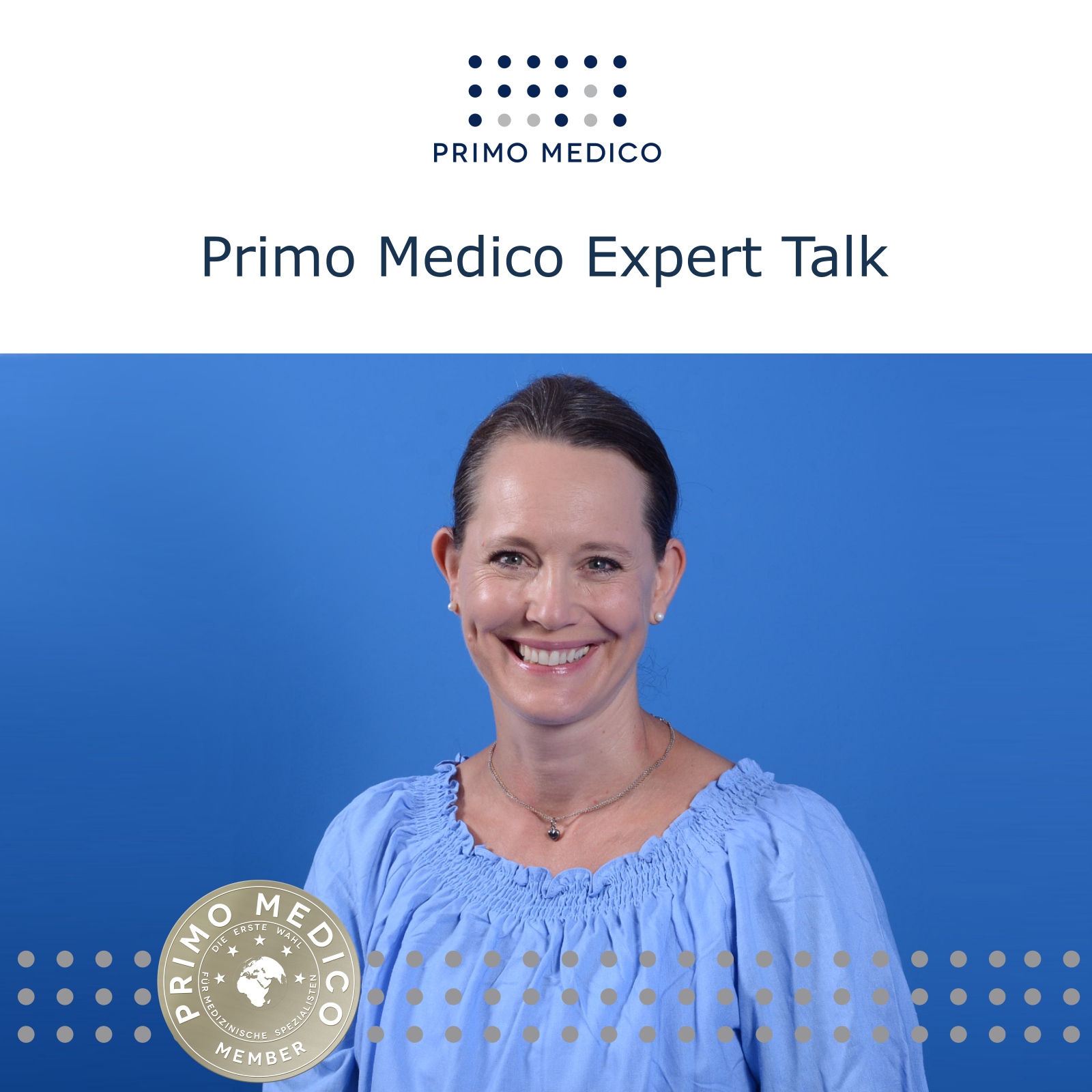
First Signs Easily Mistaken for Harmless Fluid Retention: Lymphoedema occurs when lymphatic fluid accumulates in the tissues, causing persistent swelling that most commonly affects the arms or legs. Because the condition often develops gradually, the first signs can easily be overlooked. Swollen ankles, heavy legs or persistent fluid retention should therefore be medically evaluated rather than simply dismissed as harmless water retention. In this episode of the PRIMO MEDICO Expert Talk, Dr. Silke Grummt, Medical Director at the Wittlinger Therapy Centre – Lymphoedema Clinic in Walchsee, Austria, explains how lymphoedema develops, how it can be recognised and why early diagnosis and appropriate treatment are so important. The aim is to reduce swelling, support lymphatic drainage, prevent complications and help patients manage their condition successfully in everyday life. PRIMO MEDICO Lymphedema Clinic in Walchsee (Austria) – Wittlinger Therapy Center: https://www.primomedico.com/en/doctor/wittlinger-therapy-center-lymphology-walchsee/ __________ Issues on Lymphoedema covered in this podcast episode: • What is lymphoedema and how does it develop? • Where on the body can lymphoedema occur? • Typical early signs and symptoms of lymphoedema • Why persistent swelling should always be medically assessed • Primary and secondary lymphoedema • The difference between lymphoedema and lipoedema • Can fluid retention become dangerous? • How lymphoedema is diagnosed • Different stages of lymphoedema • Manual lymphatic drainage • Compression therapy and bandaging • Exercise and movement as part of treatment • Skin care and prevention of complications • Combined Decongestive Therapy (CDT) • Can lymphoedema be cured? • The importance of long-term treatment and self-management __________ This podcast episode in English was produced using AI-powered translation and dubbing technology (ElevenLabs Dubbing) based on the original recording. The content corresponds to the original interview. The AI voice has been used with the consent of the interviewee. No additional personal data has been processed.
0:05Speaker 1: Welcome to Primo-Medico Expert Physicians Talk, Health Explained in an Understandable Way.
0:12Speaker 1: In this podcast channel we talk about selected medical topics – in collaboration with leading medical specialists.
0:20Speaker 1: The following content comes directly from the respective specialist and is presented by a digitally recorded voice.
0:27Speaker 1: Expertly scrutinized clearly explained.
0:35Speaker 1: With lymphedema, fluid accumulates and swelling occurs in one or even several different areas of the body.
0:42Speaker 1: Most frequently the legs or arms are affected.
0:45Speaker 1: I'm speaking with Dr.
0:47Speaker 1: Silke Grump today about the causes symptoms And also the treatment of Lymphedema.
0:53Speaker 1: She is a specialist in dermatology and The medical director at the Whitlinger Therapy Center In Valxy Austria.
1:01Speaker 1: Doctor Grump where exactly can lymphedima actually develop?
1:05Speaker 0: Indeed, a lymphedema will always form whenever there is some form of damage to the lymphatic system.
1:12Speaker 0: And given that the lymphetic system extends throughout the entire body it is theoretically possible for a lymphodema to develop at any location in the body depending on the nature of the damage.
1:24Speaker 0: What we see most frequently or what we really see everyday life are injuries primarily in area of arms and legs In neck area & face.
1:34Speaker 0: We still see a certain frequency there, but the extremities are by far most commonly affected.
1:40Speaker 1: Now lymphedema and lipidema very often lump together So what exactly is difference between them?
More PRIMO MEDICO Fachärzte Talk: Podcasts aus Gesundheit & Medizin episodes →