
Philosophies for Life · Philosophies for Life
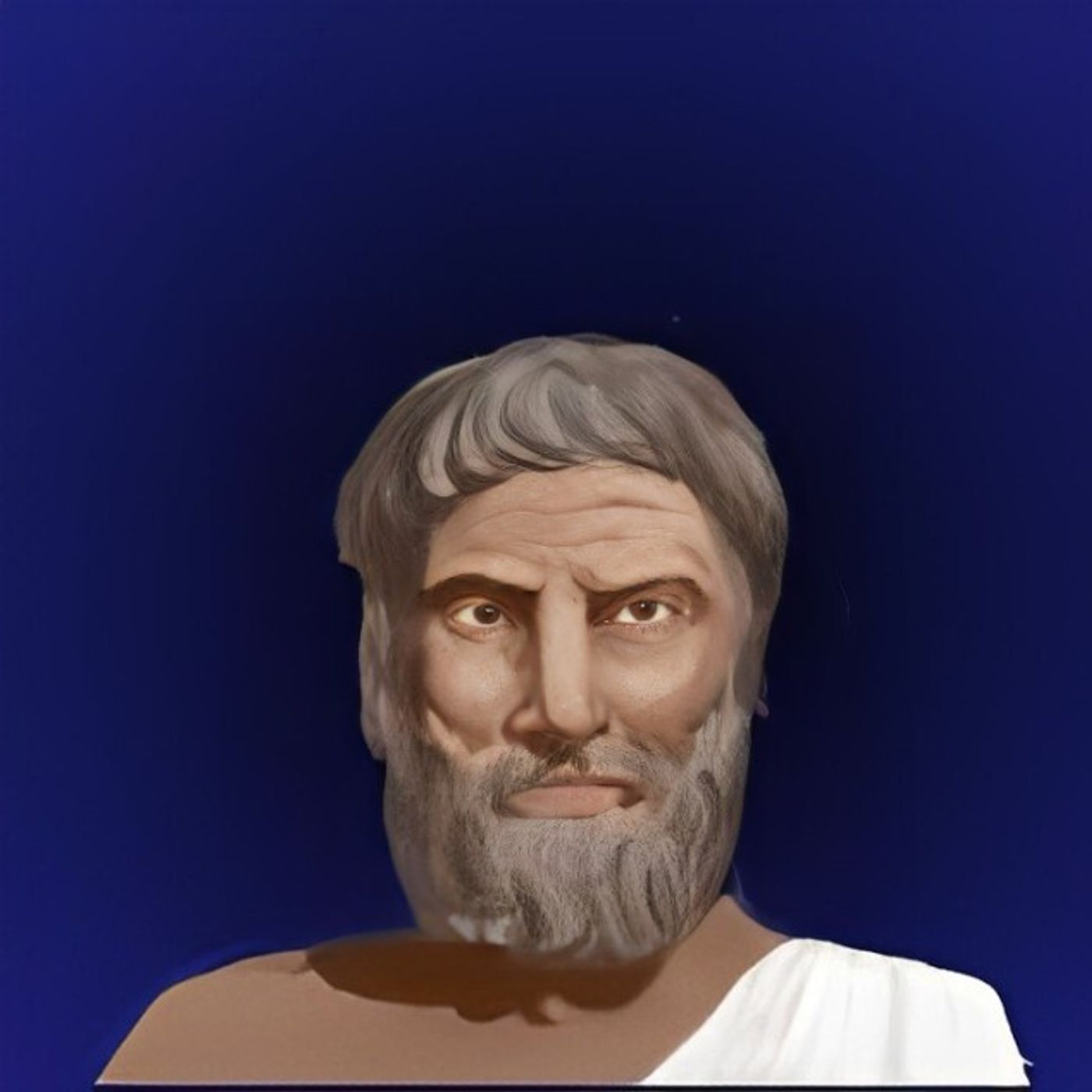
We spend our lives chasing upgrades—convinced that an expensive steak, a bigger house, or the next luxury purchase will finally make us feel complete. Over 2,000 years ago, the ancient Greek philosopher Epicurus identified why this mindset keeps us trapped in dissatisfaction. Epicurus divided human pleasure into two distinct categories: kinetic pleasure (the temporary relief of fixing a discomfort, like drinking water when thirsty) and katastematic pleasure (the static peace of having no discomfort at all). For the physical body, he called this state aponia—the complete absence of physical pain. According to Epicurean philosophy, aponia is the absolute ceiling of physical happiness. Once your hunger is gone, an expensive steak doesn't remove any more pain than a simple piece of bread; it only changes the flavor. Just like the promise you make to the universe when lying in bed with a terrible headache—wishing only to feel "normal" again—the greatest luxury in life is simply feeling okay. In this video, we break down how to stop treating a pain-free day as a boring baseline and start recognizing that if nothing hurts right now, you have already reached the peak of physical wealth. Key Concepts Covered: Kinetic Pleasure vs. Katastematic Pleasure What is Aponia (The Absence of Pain)? The Bread vs. Steak Paradox Why We Ruin Good Days Looking for More How to Practice Aponia in Daily Life Epicurus is one of the most important figures in the history of philosophy, as well as of science. He is less known than Plato or Socrates, but, nonetheless, his teachings are precious and timeless. He lived between 341 to 270 BC, and wrote more than 300 works during his lifetime. Most of his work has been lost, but what remains is extremely relevant even today. In science, he was one of the first to describe the natural world as made of atoms and he rightly understood that all the natural phenomena are in fact based on the movement of atoms. Also, he strongly stressed the importance of basing our beliefs on empirical evidence and logic. In philosophy, he was part of the hedonist movement and he was most famous for his skilful insights into the concept of happiness, starting his own School of Happiness, also known as Epicurean hedonism or simply Epicureanism. If stoics believed that living justly and virtuously is the highest good and that we should be indifferent to pleasure and pain, Epicureanism believed that we should seek to maximise the pleasures in life. There were some rumours that in his school people lavished themselves in orgies, luxury and decadence, but these rumours were unfounded. Epicurus didn’t have any interest in orgies and expensive meals. His idea of pleasure is far from the classical one. He departed from the classical school of hedonism for which pleasure is the highest good, adding that the pleasure of the mind, not the pleasure of the senses, is the true ‘highest good’. He believed that the greatest happiness comes from reducing suffering,...
0:00Epicurus noticed we experience two different kinds of pleasure. The first is active pleasure,
0:06or kinetic pleasure. It is the feeling of fixing an immediate discomfort—like drinking water
0:11when you are thirsty or warming up by a fire when you are freezing cold. It feels great,
0:17but it is temporary. It only lasts for the few moments it takes to make the problem go away.
0:23The second type is static pleasure, or katastematic pleasure. For the body,
0:29Epicurus called this aponia, which translates directly to the complete
0:33absence of physical pain. For Epicurus, aponia was the peak of physical happiness.
0:39If you are starving, eating a plain piece of bread removes the pain of hunger and gets you
0:44to aponia. If someone then replaces that bread with an expensive steak,
0:49the steak doesn't make you more full or remove more pain. It just tastes different.
0:55We spend a fortune and stress ourselves out trying to buy better versions of physical comforts,
1:00forgetting that our bodies reach a strict limit of satisfaction the moment pain is gone.
1:07Think about the last time you had a bad headache or any other body pain. When you
1:12were lying in bed, you made a deal with the universe, promising that if you can
1:16just feel normal again, you will never ask for anything else. You realized that just feeling