
Philosophies for Life · Philosophies for Life
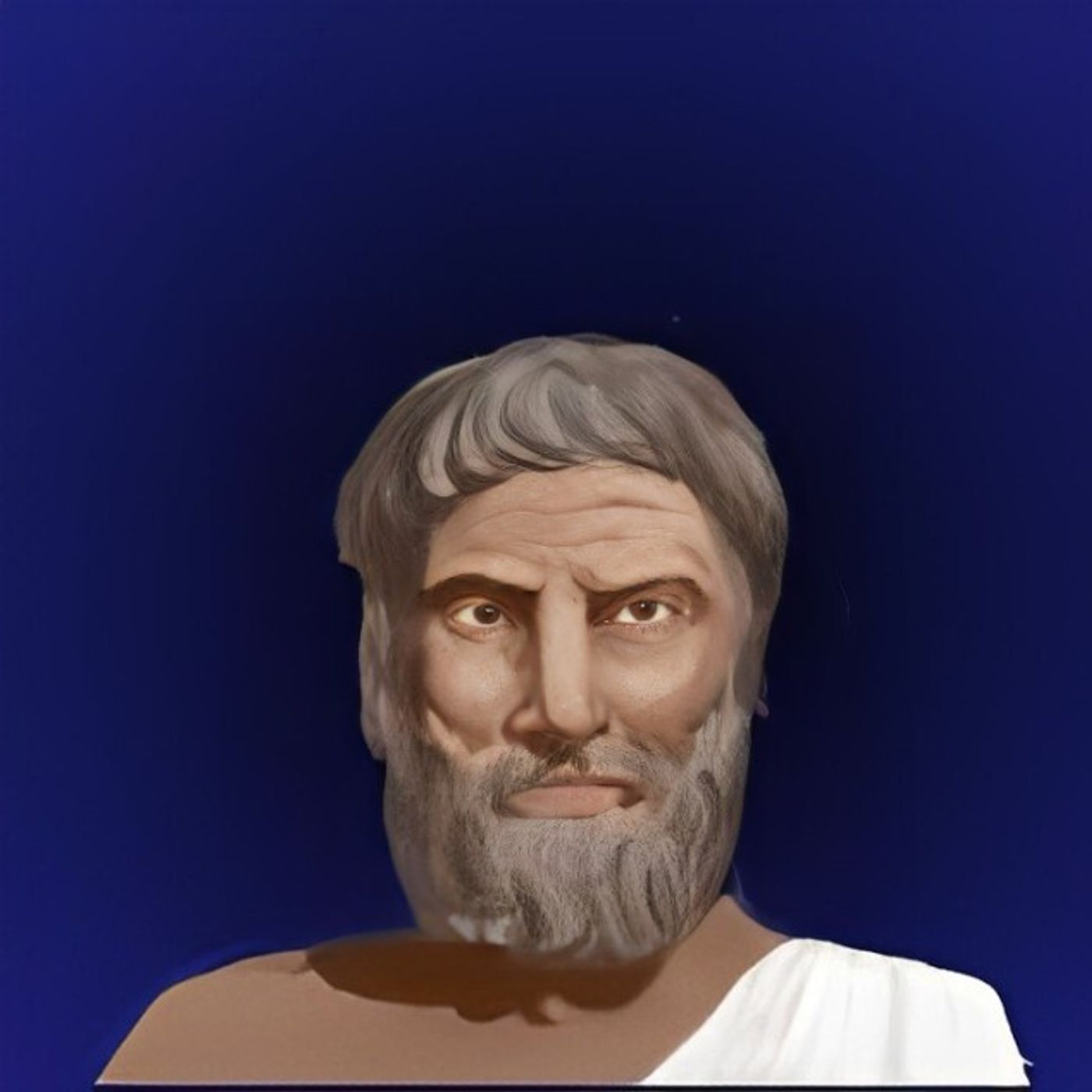
Do you ever feel like the harder you work, the more trapped you become? You get a raise, upgrade your lifestyle, and suddenly you're locked into a stressful job just to pay the bills. In this video, we explore the ancient philosophy of Epicurus and his concept of autarkeia (self-sufficiency). Far from promoting wild hedonism, Epicurus taught that the secret to a stress-free life is actually learning to want less. We break down his famous three buckets of desire—natural and necessary, natural and unnecessary, and unnatural and unnecessary—and look at how you can use practical wisdom (phronesis) to stop trading your long-term peace of mind for short-term dopamine hits. Discover how to break free from the invisible cage of luxury, simplify your life, and realize that what you already have right in front of you is enough. Epicurus is one of the most important figures in the history of philosophy, as well as of science. He is less known than Plato or Socrates, but, nonetheless, his teachings are precious and timeless. He lived between 341 to 270 BC, and wrote more than 300 works during his lifetime. Most of his work has been lost, but what remains is extremely relevant even today. In science, he was one of the first to describe the natural world as made of atoms and he rightly understood that all the natural phenomena are in fact based on the movement of atoms. Also, he strongly stressed the importance of basing our beliefs on empirical evidence and logic. In philosophy, he was part of the hedonist movement and he was most famous for his skilful insights into the concept of happiness, starting his own School of Happiness, also known as Epicurean hedonism or simply Epicureanism. If stoics believed that living justly and virtuously is the highest good and that we should be indifferent to pleasure and pain, Epicureanism believed that we should seek to maximise the pleasures in life. There were some rumours that in his school people lavished themselves in orgies, luxury and decadence, but these rumours were unfounded. Epicurus didn’t have any interest in orgies and expensive meals. His idea of pleasure is far from the classical one. He departed from the classical school of hedonism for which pleasure is the highest good, adding that the pleasure of the mind, not the pleasure of the senses, is the true ‘highest good’. He believed that the greatest happiness comes from reducing suffering, achieving an inner state of peace which he called ataraxia. Ataraxia means being content with simple things in life, like having philosophical conversations about the meaning of life, in your small garden, with your best friends. According to Epicurus, the pleasure from pursuing wisdom is the highest form of pleasure, and the most valuable as it is the one that leads us to true happiness.
0:00Epicurus taught that if your happiness is expensive to maintain, you can't be truly
0:05happy. He famously said, "Nothing is enough for the person to whom enough is too little."
0:12He practiced what is known as autarkeia. The word comes from the Greek words autos for self,
0:19and arkein for enough; together, it means self-sufficiency or not being
0:25dependent on outside luxuries or excess. Epicurus realized that almost all of our
0:32anxiety comes from chasing things that we don't really need. He came up with a
0:38system to evaluate our wants, sorting every human desire into three simple buckets.
0:44The first bucket is for things that are natural and necessary. These are the basics you already
0:49have right in front of you. They are simple food, clean water, a safe place to sleep,
0:54and close friends. The best part is that this bucket has a clear finish line.
1:00A glass of water completely satisfies your thirst. Plus, these basic things cost almost
1:06nothing. When these needs are met, your body is comfortable, your mind is quiet, and you don't
1:12need a single thing more to live a good life. The second bucket is for things that are natural
1:19but unnecessary. These are your basic needs, just upgraded by luxury. Eating is natural, but craving
1:27an expensive dry-aged steak is unnecessary. Wearing clothes to stay warm is natural,