
Philosophies for Life · Philosophies for Life
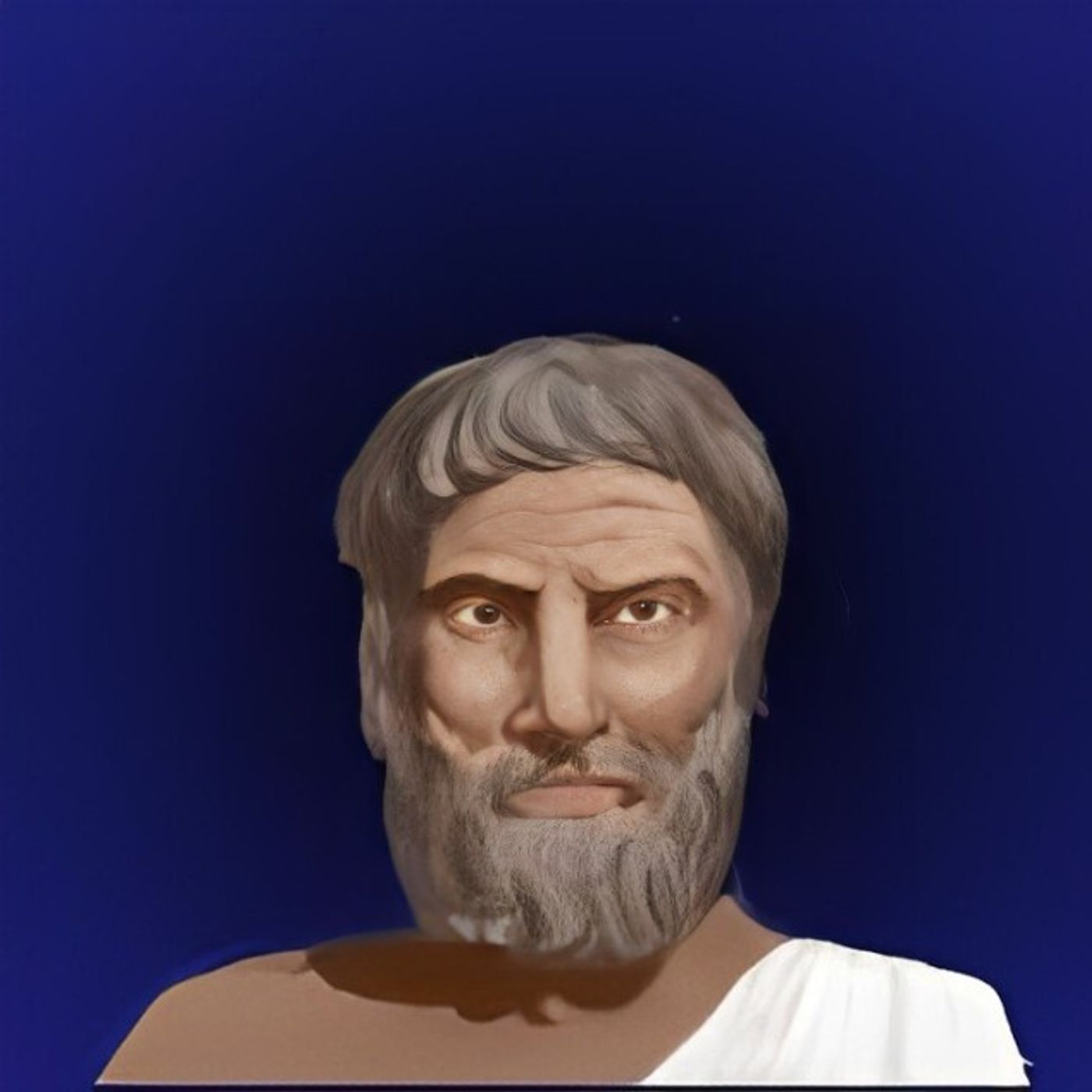
In this podcast, we will be talking about 8 Free Everyday Habits That Make Life Radically Rich from the philosophy of Epicurus. His philosophy is often referenced as Epicurean hedonism or simply Epicureanism. So here are 8 Free Everyday Habits That Make Life Radically Rich from the philosophy of Epicurus - 01. Natural Necessities 02. Simple, Satisfying Food 03. Freedom from Bodily Pain 04. Daily friendships 05. A Safe Retreat 06. An Unnoticed Life 07. Good Memories 08. Philosophy I hope you enjoyed listening to this podcast and hope these 8 Free Everyday Habits That Make Life Radically Rich from the philosophy of Epicurus will add value to your life. Epicurus is one of the most important figures in the history of philosophy, as well as of science. He is less known than Plato or Socrates, but, nonetheless, his teachings are precious and timeless. He lived between 341 to 270 BC, and wrote more than 300 works during his lifetime. Most of his work has been lost, but what remains is extremely relevant even today. In science, he was one of the first to describe the natural world as made of atoms and he rightly understood that all the natural phenomena are in fact based on the movement of atoms. Also, he strongly stressed the importance of basing our beliefs on empirical evidence and logic. In philosophy, he was part of the hedonist movement and he was most famous for his skilful insights into the concept of happiness, starting his own School of Happiness, also known as Epicurean hedonism or simply Epicureanism. If stoics believed that living justly and virtuously is the highest good and that we should be indifferent to pleasure and pain, Epicureanism believed that we should seek to maximise the pleasures in life. There were some rumours that in his school people lavished themselves in orgies, luxury and decadence, but these rumours were unfounded. Epicurus didn’t have any interest in orgies and expensive meals. His idea of pleasure is far from the classical one. He departed from the classical school of hedonism for which pleasure is the highest good, adding that the pleasure of the mind, not the pleasure of the senses, is the true ‘highest good’. He believed that the greatest happiness comes from reducing suffering, achieving an inner state of peace which he called ataraxia. Ataraxia means being content with simple things in life, like having philosophical conversations about the meaning of life, in your small garden, with your best friends. According to Epicurus, the pleasure from pursuing wisdom is the highest form of pleasure, and the most valuable as it is the one that leads us to true happiness.
0:00Diogenes was a 4th-century philosopher and the most famous face of Cynicism. Today,
0:06"cynical" means being negative, but the original Cynics, named after the Greek word for “dog-like”,
0:12believing that happiness came from living "according to nature." This
0:17meant stripping away rules, status, and the material needs society forces on us today.
0:24He practiced this himself, famously living in a ceramic jar, eating simple lentils,
0:30and even throwing away his only bowl when he saw a child drinking from their hands.
0:35His radical freedom was put to the test when he was captured by pirates and sold
0:40at a slave auction. While other captives wept, Diogenes mocked the pirates for not
0:47"fattening him up" for a better price. On the auction block, when asked what he could do,
0:51he told the crowd: "I know how to govern men. Sell me to someone who needs a master."
0:58He pointed to a man named Xeniades and said, "Sell me to him." Xeniades was so intrigued
1:05that he bought him and eventually put him in charge of his house and his children’s education.
1:10Instead of teaching them to chase status, Diogenes taught them to wear plain clothes, walk barefoot,
1:17and value philosophy over wealth. Xeniades was so impressed he said, "A good spirit has entered
1:25my house." Diogenes spent the rest of his life proving that even in chains, if you want nothing