
Philosopheasy Podcast · Philosopheasy
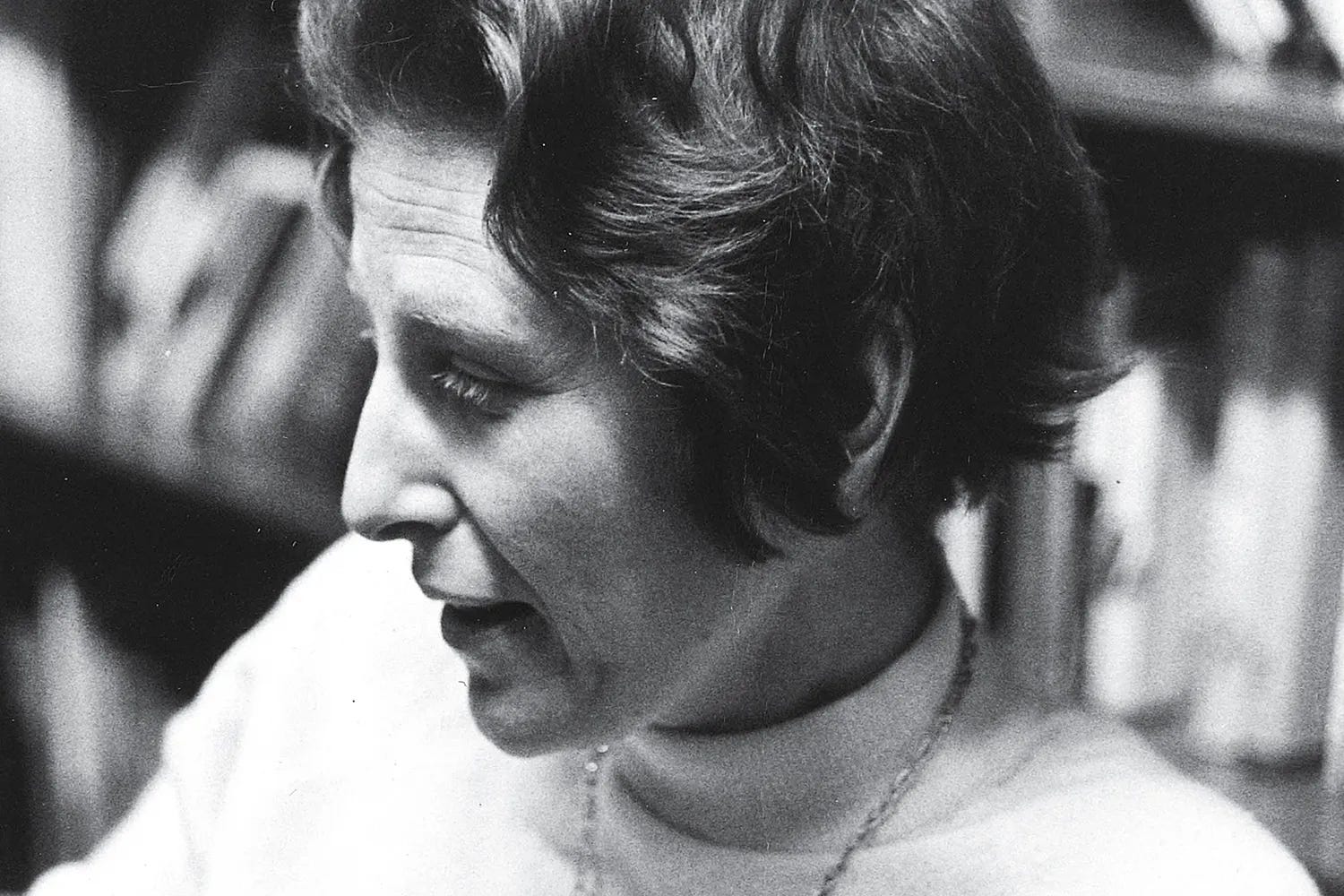
Somewhere in your phone there is a thread you have reread more times than you would admit to a therapist, hunting for the exact message where the lie started. You are not looking for closure. You are running an audit. Every joke gets re-graded. Every compliment gets flagged for possible sarcasm. The version of the relationship you carried around for three years gets pulled apart line by line, and by the end of it, none of it survives the process intact. Compare that to the man who cut you off in traffic and rolled down his window to call you an idiot. That one stings for an hour, maybe a full day if the week has been bad, and then it is simply gone, filed under Tuesday. Nobody reopens the traffic incident five years later wondering what it says about their judgment. The gap between those two reactions is not really about intensity. The stranger might have screamed louder than your friend ever did. He might have meant it more. This Substack is reader-supported. To receive new posts and support my work, consider becoming a free or paid subscriber. Judith Shklar spent a career cataloguing vices without forcing them into one tidy moral order, and one of the odder things she noticed along the way is that betrayal does something cruelty simply cannot. It doesn’t just hurt you. Cruelty tells you something about the person doing it. Betrayal tells you something about your own judgment, and that is a much harder thing to forgive. Cruelty is a single transaction. It happens, it ends, and whatever power it had over you leaves the room when the aggressor does. Betrayal is not a transaction. It is a retroactive edit. It sends you back through years of a story you already knew the ending to, and asks you to admit you’d misread it from the start. That is the part that keeps people up. Not what happened. What it means that they didn’t see it coming. Why She Never Trusted a Tidy Moral Hierarchy Judith Shklar was born in Riga in 1928, into a Jewish family with the good fortune, if that’s the word, to leave Latvia in May of 1939. A few months later the Soviets arrived. A couple of years after that, the Nazis did to the people who hadn’t managed to get out what they did to almost everyone who hadn’t managed to get out. Her family spent the next several years in motion: Sweden, Siberia, Japan, Canada, eventually Cambridge, Massachusetts, where she stayed long enough to become one of the more quietly unusual political theorists of the twentieth century. Most political philosophy since Plato has worked from the top down. Decide what the good life looks like, then rank everything else by how far it strays from that picture. Shklar refused the move. She had watched what happens when people build political systems around a grand vision of virtue, and she had noticed that the visions tend to survive the century a lot better than the people underneath them do. So instead of asking what goodness requires, she spent her 1984 book Ordinary Vices asking what actual vice...
0:00SPEAKER_00You are re-reading a text message for the fourth time,
0:04SPEAKER_00and it isn't the words you're studying anymore.
0:06SPEAKER_00It's the timestamp.
0:08SPEAKER_00You're trying to find the exact minute the lie started.
0:12SPEAKER_00Not the confession.
0:14SPEAKER_00That came later, forced out of someone else's mouth in a kitchen at eleven at night.
0:20SPEAKER_00You're hunting for the origin point, the first sentence that was already false when it was sent.
0:25SPEAKER_00Because if you can just locate it,
0:27SPEAKER_00you'll know how long you were the only person in the room
0:30SPEAKER_00who didn't know what was happening.
0:32SPEAKER_00That kind of searching doesn't happen after a mugging.
0:35SPEAKER_00A stranger shoves you on the subway platform, calls you something ugly and it hurts.
0:41SPEAKER_00Sharp reel, gone by Thursday.
0:45SPEAKER_00You don't go back through old subway rides looking for the moment it started.
0:49SPEAKER_00Cruelty from someone who owes you nothing is a wound with a clean edge.