
Open Wounds · Candice K
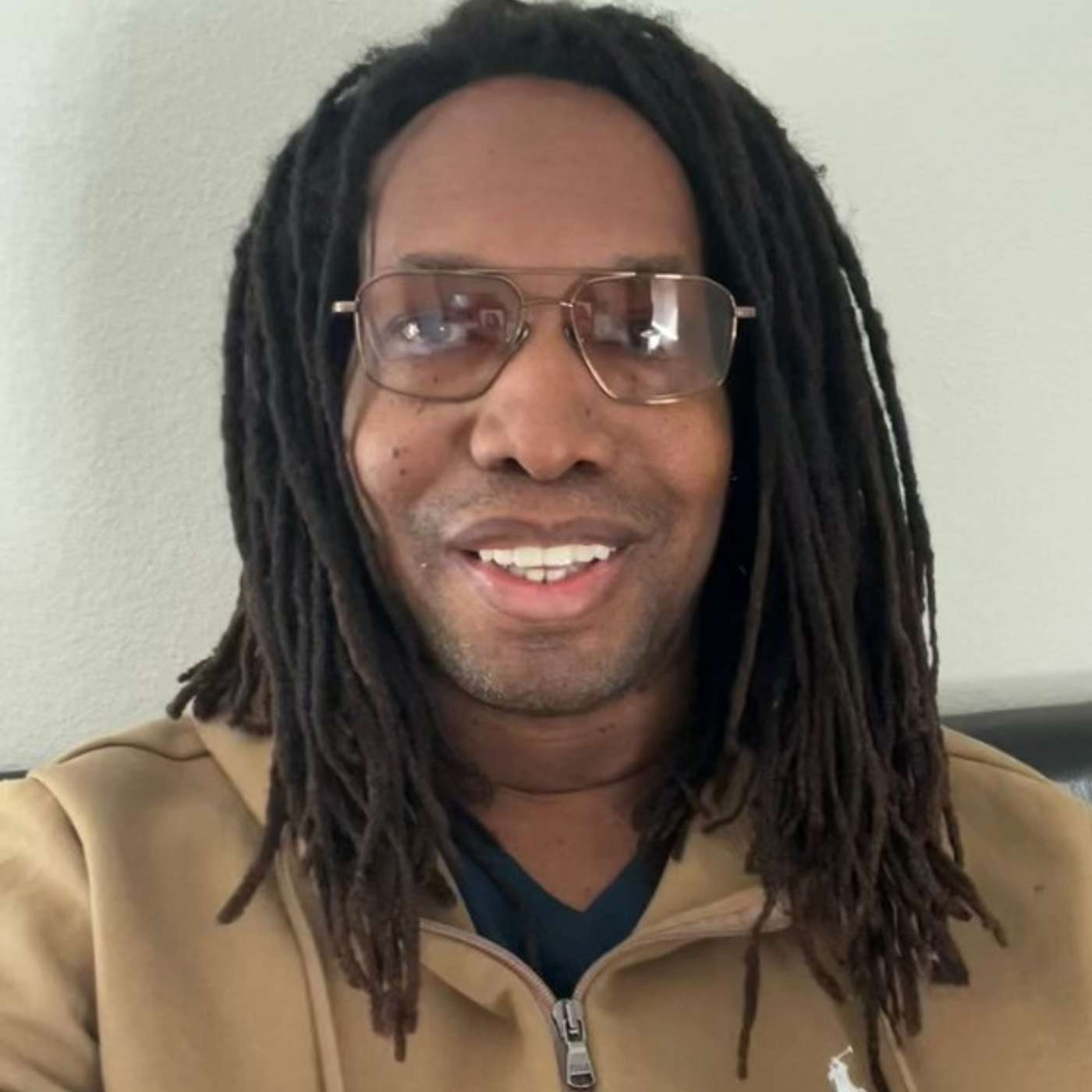
In this episode of the Open Wounds podcast, Olympic athlete William Person shares his journey from competitive sports to advocating for mental health awareness and treatment for CTE (Chronic Traumatic Encephalopathy). He discusses the emotional impact of losing friends to suicide and the importance of understanding CTE's symptoms and causes. William highlights the role of hyperbaric chambers in treatment and his mission to create a nonprofit that provides free services to those affected by CTE, including veterans and athletes. He emphasizes the need for greater awareness and accountability in sports and military organizations regarding brain injuries and mental health. Donate Here: https://www.gofundme.com/f/cte-recovery-for-athletes-and-military Follow Will here: https://www.instagram.com/p/DMqmKi1TOY9/?utm_source=ig_web_copy_link
Candice (00:00) Hello and welcome to Open Wounds podcast. I'm your host, Candice. This podcast is about healing the wounds that you can't see and leading a revolution against oppressive systems that keep them open. We're going to talk about really practical tools for managing complex PTSD, as well as dive into relevant current day topics that make healing a daily practice. You can follow us at ig at open wounds podcast or watch on YouTube at Open Wounds Podcast. Please rate, review, like, subscribe, all the things and enjoy this week's episode. Candice (00:38) Hi and welcome to this week's episode of Open Wounds podcast. I have a guest with me today. His name is William Person. He is an Olympic athlete. He also has a nonprofit treating CTE, which is, ⁓ as he'll explain, a form of traumatic brain injury. He's very passionate about helping people heal and recover from these injuries. so welcome to the podcast, William. William Person 9 Year Team USA (01:06) Thank you. I appreciate you having me. Candice (01:09) Yeah, so I usually like to ask my guests what inspired you to do the work you're doing? Because a lot of people can experience maybe the same thing you did and they just go about their lives. They'll just continue on. But something sparked in you a passion to help other people. So would you like to share with everybody your journey of how you ended up here? William Person 9 Year Team USA (01:33) Well, I guess the truth of it is guilt. What brought me here is guilt. so you gonna get, people don't usually ask me that kind of stuff. So now you pulling out the emotional part. Oh man, yeah, it's, and it's still very emotional for me because like I stopped racing in 2007. I began, yeah, it was bobsledder. Yeah, before that I was a track and field athlete. Candice (01:45) Sorry, I didn't go right to the jugular at the gate. and you were a bobsled? William Person 9 Year Team USA (02:01) You can also see me in movies like Jerry Maguire. I'm the one doing the running down the football field where they hired me just to run fast and put on these five different uniforms and make it look like there was real world class athletes out there. So that was me doing a lot of that. so, also mental health was my background. When I first left college, I was 23. I worked at this place called San Joaquin County Mental Health Department. And it was the first mental health facility west of the Mississippi River. Candice (02:10) Whoa. Okay. wow. William Person 9 Year Team USA (02:31) all the extreme behaviors, yeah, they flocked there for help. And so I cut my teeth and learned about depression and bipolar, And then we also had some of the extreme people come through there, like the criminally insane. And they will come for evaluation for courts. And sometimes we had these people, ⁓ it was so creepy. I'm 23, I'm a baby. Like now that I know how old I really was, I was a baby dealing with this stuff. Yeah, this ⁓ people that had lobotomies were still walking around back then. Candice (02:53) Yeah. ⁓ Wow. William Person 9 Year Team USA (02:59) Yeah, yeah, man. You talking about real zombies, man. Like, you see these... Candice (03:03) Yeah, and in the South there was a whole lot of experimental stuff that happened that was kind of under the radar that a lot of people don't know about. wow. William Person 9 Year Team USA (03:09) Well, these people were in central California. So this was up north. Yeah. Yeah. That's that facility is in central California. So it was the first facility west of the Mississippi river. So yeah, now that wasn't a southern thing. That was going on all throughout the country. Candice (03:17) ⁓ wow, I didn't realize there wasn't one out in like, know, Arkansas or Texas or something too. William Person 9 Year Team USA (03:29) Well, there probably was. I'm sure there was, but this was the first one, the west of that river, which is ironic because I grew up in St. Louis. So that river kind of splits the country down the middle. Yeah, and so that will... Candice (03:34) Wow. Yeah. Yeah, yeah. So you were 23 and working in mental health. William Person 9 Year Team USA (03:45) Yeah, and so eventually I opened the first ever, I created it and I wrote it and presented it to the state of Utah. It was the first ever independent living transitional housing program. So when I was around 27, 28, I opened this program and it was inpatient. So the clients, they came and lived inside my program. like back then, once again, back then I was 27, 28 when I opened. Candice (04:07) That's gonna say that's phenomenal for a 27 year old, because I worked in social work for 10 years and I was in my 30s and it was rough. We had an inpatient and we had a day ⁓ treatment where they would come and hang out for the day and then go home and we dealt with the same population and you see some crazy stuff. It's very taxing on you mentally and emotionally. William Person 9 Year Team USA (04:10) Yeah. Yeah. Yeah. yeah, yeah. Matter of fact, the recidivism rate in Utah at that time for youth was around 97%. And for anybody who came to my program, it was, if you made it past 30 days, it was probably like 23 % somewhere. It was really low. And so yeah, what we were doing was different, it was creative. so mental health was my background, in which when it comes full circle, I start to struggle with the symptoms of CTE, Candice (04:37) ⁓ William Person 9 Year Team USA (04:56) All the things I taught my clients over the years is what kind of helped save my life too, you know? And so that's why I'm really passionate about this is because I had to live it. And ⁓ that was one time one of my teammates, he called me because he wanted to be a writer and I was doing a lot of writing back then. And ⁓ we had these periodic, he would call me periodically. was, you but we talk about his ideas. And they were so creative. I've never seen any movies like that. And I was just encouraging them. And I was showing them how to put it in the right format so he can get it made. And so I thought it was creative writing. And this went on for about a year or two. But eventually the last time he called me, he was speaking gibberish. And so what I know now is that his mind had started to slip. Those things that he was writing about wasn't reality. You know, his mind had already slipped. And so when he called me speaking gibberish, Candice (05:40) wow. William Person 9 Year Team USA (05:52) I couldn't understand him so he got so frustrated with me that he just hung up the phone. you know, mental health was my background. So here I am telling myself, okay, this is my buddy, I gotta help him. But the truth is I didn't do anything to help him at all. I just talked about it all day to myself. I was kind of isolated at that time. And eventually I got a phone call and it was on the media that he went to his family's factory and he hung himself. And he was a two time Olympian for... Candice (05:55) you Right, right. you Wow. William Person 9 Year Team USA (06:22) USA and I think he raced for another country at one point and so that guilt sat on me and I felt responsible and I felt like my hands were a little dirty because I didn't do anything to help my buddy and and the truth was if you fast forward Eventually, I realized he was a stage four CTE after his autopsy and Now so I realized I couldn't help him anyway Nothing I could have done would have helped him. But also I realized at that time like I'm the one that needed help too and I just didn't know it. I was literally living on the floor at that time. Like I had taken the mattress out of my bedroom and put it in the living room because it put me close to the kitchen, in the bathroom, in the front door, you know, and yeah. Candice (07:05) So can you explain to everybody what CTE is? Because that was a term until I met you. I had never heard of it before. So I had to like Google. And I'm like, what does this mean? And I know a lot about mental health just because I'm in it all the time. And so I was really shocked. I'm like, what's CTE? And why have I not heard about this? William Person 9 Year Team USA (07:19) Yeah. Well, you know, the reason that you haven't heard about it is the reason why it's still kind of going on in this getting where it is. Anytime you see an NFL player doing something that's kind of out the norm, like he committed suicide or he committed a crime or maybe he shot and killed people. Like there's been a few of them, quite a few of them cases out now when they check their brains. Normally these guys have been having what they call CTE. It was discovered by a doctor from Nigeria. ⁓ and so the NFL knew these things were happening. They knew these athletes were suffering and they tried to cover it up. There's a movie called Concussion that came out that kind of exposed everything. And so it's the same thing, but most people when they think about CTE, they think it only refers to NFL players. But along my journey, what I learned it was it's the housewife who had domestic violence against her and she's been hit so many times. It's our military people coming back from being around a compression blast. They're coming back with it. Candice (08:09) Mmm. William Person 9 Year Team USA (08:24) And definitely is strong in my community too, in the Winter Olympics side. So, reason why, what started me this is I watched my teammates die. They were dying. And I was right there close to them and I was dealing with the same stuff. once I kind of figured out what it was, like for many years, I thought it was diabetes because of the red flags. Usually you have the symptoms and stuff, but for me, like I was misguided with the symptoms. Candice (08:34) Wow. William Person 9 Year Team USA (08:53) Like I thought it was diabetes because I had low energy. I couldn't get out of the bed. And for me, like every night before I went to bed, I would have to take a thermos of coffee and put it on the nightstand or a bottle of Coca-Cola. know, these are like things that I never drank as a kid. I mean, not as a kid, but as a, as an athlete, didn't drink that stuff. And I never let my kids drink that stuff either. So, but I began to live off of it. And yeah, but CT is pretty brutal. Like it'll take your mind, your memory, your ability to rationalize. Candice (08:57) Mm. William Person 9 Year Team USA (09:23) ⁓ Man, it's just, you're in the gutter. You're 100 % in the gutter. Candice (09:26) So is it repeated concussions over and over again? Is that what the cause of it is? Or is it just any kind of brain injury? William Person 9 Year Team USA (09:36) Well, for the military guys, most of them is the compression blast. Like if something explodes and that pressure hits you in the face, that's it. That's all you need. ⁓ Candice (09:43) Hmm. so it could just be one incident that caused it. William Person 9 Year Team USA (09:48) I believe that's the case because I spoke to one lady. ⁓ She was telling me that she had a doctor's appointment and she was frustrated because her doctors couldn't figure out what was wrong with her. And when she mentioned her symptoms, I was like, that's funny. That lines up with our concussion people. And I said, did you ⁓ play sports? And she was like, no. I said, did you, I knew she had went through a divorce. said, did you have any domestic violence, like injuries? And she's like, no, nothing like that. And we talked for a minute and then she eventually said, yeah, one time I was snowboarding with my son and when I fell backwards, it hit my head and she said, and my arm seized up like this. And I was like, okay, yeah, I was like, okay, well, your doctors don't, they can't figure out what it is because they're not looking for that. And so I gave her the information of what to take to him and share it with them because like this stuff is invisible. Like doctors aren't aren't checking the brains. Candice (10:26) ⁓ wow. Yeah, yeah. William Person 9 Year Team USA (10:45) And even if they did, they wouldn't find CTE until post-mortem, so until you die. So. Candice (10:50) ⁓ so it doesn't show up on like an MRI? William Person 9 Year Team USA (10:53) No, it does not. It's hidden. You literally have to die for them to dissect your brain to figure it out. Yeah. Candice (10:55) Wow. Wow. So can you share with the listeners what are the, like some of the common symptoms if they're feeling like, ⁓ this sounds like what I'm dealing with. Can you share a little bit more like what the symptoms ⁓ are presenting as? William Person 9 Year Team USA (11:10) Yeah. Yeah, one of the first ones that people normally do, like the first ones I was struggling with, I was in my 30s, I would go into a room to get something and just forget what I came there for, or I'm trying to do something I can't. And when you start telling people that you're having that problem, most people minimize it for you. They'd be like, oh, I do the same thing. But what they don't realize is that I also have migraines all the time. I have vertigo still from my concussions. I was getting lost in my own community. Candice (11:28) Yeah. Yeah. William Person 9 Year Team USA (11:40) I was cloudy. I had these random cloudy days. That's why I thought it was ⁓ diabetes. Because I'll start pumping a bunch of caffeine. I'll be cloudy. And they were random. But eventually, they slowly took over. And eventually, I didn't have many days of clarity after that. And it was so slow. I never saw it coming. Like it just, one day was just there. I don't even know exactly when it was. But one day it was just, you know, every day. And the sad part it took for my teammate to, you well, it's been a few of my teammates who took their life. Like even my driver from the world championships, he took his life at the Olympic Training Center. And yeah, any Olympic medal that was won by the men since 2003, that was him. And yeah, he's gone. And there's been a few others and many others who've tried. But we have a lot of have a few Parkinson's, seizures, strokes, all the neurological stuff. You know, what's going on? Candice (12:15) I don't. Wow. Wow. Right. Yeah. When you're describing that, I could see a doctor thinking it's like early onset Alzheimer's or dementia or something else and then treating it in a different manner than what you're talking about and really not helping. Right. Like you said, it gets worse and worse because they're looking for the wrong thing. So how how are you able to help people get the like if they're going to the doctor and they're like, well, maybe you have this or maybe you have that. William Person 9 Year Team USA (12:52) Yeah. Candice (13:04) How are the people you're working with able to advocate for themselves? William Person 9 Year Team USA (13:10) Well, ⁓ this is the trick. The doctors are asking, you know, what's going on right now? That's the wrong question. They need to ask, where have you been and what have you been doing? Because it's so simple. Like, if you look at the ladies who getting it now, they got it from falling, playing with the kids and falling down. They're getting it from domestic violence. These are regular ladies walking around our community with us. And then we have the, you know, then we have the athletes, then we have the military. We all got it. Candice (13:22) Mmm. you William Person 9 Year Team USA (13:39) from different things, but it's all the same thing that is just the repetitive hits to the head. But I'm not quite sure ⁓ like that one lady, she only fell once. She fell once and she still has the symptoms. But when I start really doing the numbers when I was clear enough, it made sense to me. Like for every time I had an injury as an athlete, like there's a treatment plan for you. let me break it down. Like if you had a torn, let's say a torn muscle. Candice (13:50) Right. William Person 9 Year Team USA (14:09) First thing they're gonna do for the first 72 hours, they put ice on it to keep that swelling from coming up there. Because all the blood and stuff rushes there to protect it, protect the area. And so we have to get that out. So we ice it. Then after 72 hours, then we heat and we'll alternate heat and cold and hot and cold to get the circulation going. And then we'll probably do electric stimulation where they make the muscle jump. then they'll do ultrasound. And then when you get to the end, it's almost healed up. We have a knot or some scratch tissue in there. At the Olympic Training Center, that's when the lady comes out on a guy and he has a white rag. And you're dreading that white rag because we know what that white rag means as far as to bite it. And they're going to come in with the elbow and they're going to put it right on that knot and do cross friction. And they're going to just, man, you see the biggest, strongest men in the world. Yeah, yeah. You see the biggest, strongest men in world on that table screaming like little girls, man, because it's painful. However, now let's change that when you go to the brain and you get that brain injury. Candice (14:50) ⁓ Try to work out the scar tissues. Yeah, yeah. William Person 9 Year Team USA (15:07) or it's concussion or you hit the head or whatever it was, the only treatment most people get is the same thing that we all receive. They tell you, don't fall asleep for the first few hours. That's it. There was no more to it than that. And so my question is, how do you remove that inflammation that's up there? You know. Candice (15:22) Yeah, yeah, you can't really ice your brain, you know? Yeah. William Person 9 Year Team USA (15:27) Absolutely, absolutely. And so for me, when I heard about Hyperbrick Chamber, I heard about it from Joe Namath. Are you familiar with Joe Namath? Candice (15:36) Isn't he a famous football player? Okay, Yay. William Person 9 Year Team USA (15:38) Yeah, absolutely, absolutely. You get a hundred points for that. Yeah, yeah. He said he used it to hyperbarics to reverse ⁓ his CTE symptoms, but he never left the details of what he was dealing with. And I was like, you but I tried everything. I tried it. It didn't work. And so I didn't think it would work. And so I went there and this company in Orange County ⁓ let me try it for free. So I go in his chamber. Yeah, one hour. I'm in the chamber for one hour and I get out. My glasses are slightly tinted, right? And it comes sensitive to lights. And so when I came out the chamber, I grabbed my glasses, but everything was so pretty and vivid. I'm just looking around and I'm like not hardly recognizing the place. ⁓ everything was so just skyward was extra blue and just everything, all the colors just pop different. And then I kept picking my glasses on and off. I didn't really need them. And the salesman comes over and he says, he said, Hey, what's wrong? I said, I don't know. I don't think I need my glasses right now. And he says, oh, you're one of those. And I was like, okay, he sells me. He finna try to sell me this machine, you know. I had just bought a house and I was like, I can't afford this machine. But I was so waiting on him to put his sales pitch out to me. But he didn't. He told me that some people get immediate relief like I do. And some people need like two sessions a day for 30 days to get the same relief. And it's just, man, this thing has been a blessing. So. Candice (16:42) Yeah, yeah, this machine. Yeah. ⁓ Wow. William Person 9 Year Team USA (17:05) I had 10 years of cloudiness. I was in dementia for sure. And one hour in that machine, it wiped it off me. And after six days, I started to feel like that sensation of it coming back. They let me come back that second week, the end of that week. I went back, it a Friday, I believe. And next thing I know, I was clear for nine days. And so eventually I had to buy one. So that's, that's just behind me. I still use it whenever I feel, start feeling awful. Candice (17:09) while. Wow. Mmm. Wow. Yeah. William Person 9 Year Team USA (17:34) back in that thing and yeah, it's just Candice (17:37) So what is the hyperbaric chamber doing to the brain? Because I've never, I don't know much about them except like famous celebrities have them and it's supposed to be this secret thing that they do, right, to feel better. William Person 9 Year Team USA (17:48) Yeah. Well, you come to Los Angeles and you go to Beverly Hills, you see these things in a lot of people's homes too. They have the big ones made out of metal and the clinical ones. What they do is ⁓ it makes your body believe it's ⁓ minimal of seven to nine feet underwater. So they say your blood turns into like a gas at that point. And so now we can get through all the blockages. So if you have a stroke, rich people know to go get in hyperbaric chamber, go through the therapy. Candice (18:00) Mm-hmm. while William Person 9 Year Team USA (18:19) that'll reverse those symptoms. you have cancer, ⁓ you, a lot of doctors now will put you on chemo and hyperbaric oxygen at the same time, but there's a couple different ⁓ ones that you can't take, chemo's with it, that's what I found out. But what it softens the cancer tissues, and they say cancer can't live in an oxygenated environment, and so this thing oxygenates all the cells in your body. It's how the science is explained to me. Now, Candice (18:28) You Wow. So is it similar to like scuba diving or free diving then? Like would somebody get the same result if they went scuba diving for like a couple hours? William Person 9 Year Team USA (18:51) My God. I can't believe you're the only person who's ever said that and connected those dots before I mentioned it. About a month ago, was interviewed by a podcast from Great Britain. It was military. And the military people, like in Europe, I guess in Great Britain, in the UK, you can't deep sea dive there. So he was telling me some of their pilots had the same issues. So what they do, they go to this little island and he said they go deep sea diving. He said, when they go down, he said, he said it so weirdly. He was like, they go down. And they said, I know a really long, long, long, long, long time. He said, when I say long time, I mean a really, really, really long, long. I was like, okay, I get it, get it, I get it. He said, and when they come back up, man, just, they're like healed. And actually every time you get in this machine back here, it's called a dive. So they have found a different way to do the same thing that this thing here is doing. Candice (19:34) you Wow. Wow. William Person 9 Year Team USA (19:53) Absolutely. Candice (19:53) Yeah, and I'm sure the chamber is much safer. You're not dealing with all the equipment. You don't have to get PADD-E certified and all those things. ⁓ yeah, especially for people, yeah, especially who are people who are afraid of water or things like that, don't know how to swim. But ⁓ it's ironic because I have a friend who's working on a documentary with a ⁓ doctor psychiatrist out of Northern California who's doing a lot of research on free diving and post-traumatic stress disorder. William Person 9 Year Team USA (20:02) and the sharks. Yeah. Yeah. Mmm. Candice (20:23) And so what you're describing, I was like, this sounds like the same relief that these people are getting from free diving. But your experience is for an hour, right? You can't free dive for an hour. You can go for maybe, I don't know, a couple of minutes or something, right? But there's something about, like you're saying, that compression of the blood to release this experience that your brain feels when it's under that water. So that is really, really cool. William Person 9 Year Team USA (20:46) Yeah. Candice (20:50) So you bought the machine, you start to see results, and then are you just like now an evangelist for the hyperbaric chambers? Like, how did this play out? William Person 9 Year Team USA (20:59) Well, once I got to the point where I was stable again. Like, well, the part I didn't tell you is like every day when I woke up, I knew I didn't know the right day. So my thing is, well, once I got that caffeine in me, I had a little daily planner. Matter of fact, the crazy part is I had a phone. Why didn't I just look at my phone? But I had a system in place and I used that system. ⁓ Candice (21:10) you Yeah. Yeah. William Person 9 Year Team USA (21:22) And once I put that system in place, it started to save me. Because I kept stepping in these same potholes over and over. And so one of the things I did every day, knew I didn't know the right day. So I opened up that little planner every morning. I figured, OK, today is Monday. OK, cool. Now, what month is it? I always thought it was January or August. I didn't know the difference. Yeah. And so once I figured that out, I walked out to my living room. This is before I was laying on the floor. Candice (21:39) I William Person 9 Year Team USA (21:47) And I have these white scrolls on my walls, like eight foot scrolls you roll out like whiteboards. And they're like eight feet long, about two feet tall. And I them divided into three sections, one for like work, medical appointments, and then entertainment. Like if I was going to go on a date or something. Like I was missing dates because I just, couldn't, I was processing information differently. Like for example, let's say me and you met and you say, hey, let's go have. Candice (21:53) Mmm. Mm. right. William Person 9 Year Team USA (22:15) Today's Monday, let's say we just go have dinner on Tuesday. I'd be like, oh yeah, cool, great. But what I didn't tell you, Tuesday is so far away, I can't see it. So you're gonna go to the place on Tuesday, which is the next day, and you're gonna be like, you're gonna call me and I'm gonna answer the phone, and you're gonna be mad at me. You're gonna be like, hey, why aren't you here? I'm like, I'm here, what are you doing over there? I just, kept doing that. And so what I learned is, if I'm talking to someone and they wanna do something, let's say tomorrow, if they say, hey, Candice (22:24) Mmm. Where are you? William Person 9 Year Team USA (22:45) let's have lunch tomorrow, I'll be there. Like my brain will click with that. But there was some, there was some deficiencies going on. So I learned to get around that by writing everything down. Like I've just, you know, that was how I started this. And the truth is like, just once I saw it was working and I became alive again, I just had to spread the word and like I don't sell chambers. I'm not endorsed by any chamber company. I don't get any residuals, any kickbacks. Candice (22:52) Yeah William Person 9 Year Team USA (23:13) But what I learned is all these people dealing with the same stuff and it's all the same symptoms and it has to be all the same treatment. That's what I believe. Matter of fact, in 2020, 2021 and 2022, each year we lost around 6,400 veterans to suicide. And now that I know that it was CTE, there's one thing that's really scary about that. When you have CTE, your brain goes into this loop and that's why you see a lot of the people killing themselves. Candice (23:32) Yeah. William Person 9 Year Team USA (23:43) But I believe that these military guys, they're coming back. They're the best trained killers in the world now. And so, matter of fact, about two months ago, was a mass shooter went to a place in New York. He wanted to shoot the NFL office up and he left a CTE. Yeah, you saw the CTE suicide note. Okay, well that guy was right. He actually did have CTE. They checked his brain, he had it. But my phone was going crazy because I help a lot of people with these issues. Candice (23:58) yes, I remember that one. William Person 9 Year Team USA (24:11) And so I made a video. If you want my TikTok channel, one man with a chamber, you'll see me with a red team USA shirt on. And I looked disheveled. I was walking and talking. I ain't doing any cleanup. I would just, you so please forgive me. But in that video, I tell people, I was like, you know what? We see athletes doing these awful things. I said, but they're not the population I'm afraid of. I said, what I'm afraid of is our military guys because they're not the best train killers. And I know what I felt. I know what's going through my head with the one to die and take my life and just. Candice (24:20) Thank William Person 9 Year Team USA (24:41) begging for death. Once you get there, you're on a loop. It's like that 24 hours a day. There's nothing else going on in your brain except that. And I said, we have to get ahead of this because it's a, it's going to be a wave. My words was going to be a wave of military mass shootings coming. So I made that video on that day. I posted it the next day. had a court with the judge and I told him the same thing I told you on the courthouse steps. made the same speech. And then the very next week, There was a veteran, he went to a bar in Montana, I think it's called Anaconda, Montana, and he killed four people and he ran out into the woods. He was hiding in the woods for a week before they caught him. And then as they caught him, another active military guy went onto one of the bases and he shot up people on the base. And then as that finished up two weeks after that, which was about three weeks ago, another veteran went to a Mormon church in Minnesota. He burned half that church. Candice (25:21) wow. Yeah. I did hear about them. William Person 9 Year Team USA (25:38) He went to the front and he started shooting. so, and those are just the ones that we know about, you know, and that's three veterans. Candice (25:43) Right, right. Especially because I'm sure the military isn't like all bragging about these issues they're having with the veterans because we see so many veterans struggling when they come back from active duty. You know, it's a big problem and our, although our, you know, government's budget for the military is horrendously huge, they're not spending it on helping veterans. They don't have hyperbaric chambers on the bases, right? Like, William Person 9 Year Team USA (25:55) Yeah. Yeah. Yeah. Yeah. Candice (26:11) There isn't a lot of investment on the veterans when they come back reintegrating and helping them live successful, meaningful lives. And so you've got this passion now and you've got a location and you have a nonprofit. So can you talk more about how you've seen people benefit from this and what you're hoping that you can help people with, with your centers that you're gonna create? William Person 9 Year Team USA (26:20) Absolutely. Yeah, actually I'm the walking guinea pig. I worked, I raced for nine years, four to five months of the year, one to six rides a day down a bobsleigh track for ⁓ four to five days of the week. I did that for nine years. So what I know now about that sport is every time I went down that track, you know, it's probably getting at least a micro concussion at worst, you know, or at best probably. So yeah. And so, ⁓ that doesn't count for the crashes that we have in the rough, rough tracks or when the ice is a bumpy. Candice (26:57) Wow. Right. William Person 9 Year Team USA (27:06) And we go through there, it's equivalent to shaking brady syndrome. It's like you're doing this. Yeah. Yeah. And so with that being said, it's, it's literally, I've learned it's all the same stuff. It's from, I looked at the symptoms. looked at the people, like a lot of times it was called PTSD. Then when they do the autopsy, they find out, guess what? He has CTE. So it was a lot of misdiagnosis. Shell shock. Yes. Absolutely. Candice (27:09) It's like, yeah, like, Or they used to call it shell shock. Yeah, back in the day, shell shock. William Person 9 Year Team USA (27:35) So a lot of people don't know. Candice (27:35) I do think too, like what you're talking about is we see more men are athletes, more men are involved in the military, more men have risk taking behavior where they're like bridge jumping and they're parkouring and they're skateboarding or doing these things, right? So we're gonna see a higher instance of men with CTE than we are from women probably just because of the male's behavior and they're more adventurous overall. William Person 9 Year Team USA (27:45) Absolutely. Yeah. Yeah, but some of those male behaviors, like I said, with the violence toward the women, it's causing it in the women's side as well. Like we're now housewives who were battered for 20 years and now when they do that autopsy, they had CTE. So the information is starting to come out, but it's not coming out where everybody's really paying attention. Like I made a graph the other day just to show everybody, look, the symptoms are identical. It's all the same brain stuff. Candice (28:06) Yeah. Wow. Yeah, yeah. William Person 9 Year Team USA (28:28) And I'm like, you know, just wake up. have to, you know, it's not like I can predict it. I can look at people. I can predict it now. It's that predictable once you actually pay attention. Like there's been NFL players. I was like, okay, they have a few months before, you know, this all kicks in and people like, why are you saying these things? And then next, know what happens? And I was like, cause I saw it on him. I saw, can see it. It's it's matter of fact, everybody can see it if you pay attention, but it's one of them things. It's only your loved ones are going to catch it because Candice (28:38) Yeah. Yeah. right. William Person 9 Year Team USA (28:57) They always say the same thing. think the last eight to 10 suicides I watched, the wives were like, they were living separate from the husband, except for one. And they all said the same thing. They just began not to act like themselves anymore. And, you hear it on the news, like, that person was such a nice guy. I never saw it happen, coming, you know? And so when you see your loved ones start to do things that you question, that's out of their character, it probably means they need help. And the sad part of it is, just like myself, like, Candice (29:10) you Yeah. William Person 9 Year Team USA (29:27) Like, ⁓ I never saw it coming. I didn't know what it was. And ⁓ one of the things that really made me understand that is like, ⁓ at one point, like I got to the point where the ground in front of me was doing this, right? And ⁓ let me, okay, I lived in a neighborhood. Like I lived on this square block right here in the middle of it. It's all apartments all the way around it. And so some days I was so, so cloudy, I refused to drive. I knew I shouldn't be driving. I won't hurt anybody. Candice (29:41) Hmm Hmm. William Person 9 Year Team USA (29:57) So I would just come out my apartment, come here, make a left, make a left. Stores are here, I go get me a salad and walk home. Some days I would get lost. it was just like, yeah, it even a mile, not a mile. I'm almost straight lines, like, know, boom. And so sometime I'll be in my apartment, I'm about to leave, and I would ask myself, okay, what if I go the other way? What's over there? And I couldn't figure it out. Like, mama, I was having a meltdown. Like, what is over there, you know? Candice (30:06) just in that small area. ⁓ wow. William Person 9 Year Team USA (30:24) It's the same thing. I just made two right terms. Like this is how sneaky this thing is. And when it happens, like you have no, you really have no say so over it and you don't really know what you're really dealing with. You're like, you don't. And so the biggest catalyst for me was I had bought a lake house because in the Midwest was a little small, humble place. And I knew I was going, I'm on the ground begging for death every day. I'm just praying, asking for it. And I keep waking up. but I know I'm lost in my community. I'm in dementia, doctors aren't helping me. So I bought this place close to home and I came back to LA, closed out my apartment and it was a young lady that I was spending time with. So I would come see her in LA sometimes. Sometimes she'd come see me in Missouri at the lake house. And so one time I'm at the lake house and she's on the phone with her family a lot, right? And they're from New Yorkers and they just talk loud, just put it that way. And they talk so loud. they're loud, man. Yeah. Candice (31:17) They're loud. I'm from the East Coast originally. We're loud people, yeah. William Person 9 Year Team USA (31:22) Yeah, and it's doing COVID. So it's like we stuck in a house together. So it was none of that. We're going to be outside away from each other, have some quiet. No. So that noise is killing me so bad. I told her, think we have to break up. I said, I'm going back to the lake house to get some peace and quiet. I said, who am I to tell you to be quiet in your own house? I'm not that guy. And so I go back to the lake house and someone sends me an article called Sledhead written by the New York Times. That article talked about my teammates. the suicide, some of the suicides, didn't talk about all of them. And it talked about some of the symptoms, like we had guys with Parkinson's and just different, you know, neurological stuff going on. So I read this article and I get on my knees and I thank God that all my symptoms miss me. I was like, yes. I took the same article, sent it to my girlfriend. She circled some stuff. First thing I noticed was noise sensitivity. It was the very reason why we were apart. And I went, uh-oh. Then I went down that list again. I almost every box except for Parkinson's. And I was like, my God, now I know, I know. I still didn't know it was CTE, but I knew it was something to do with this. And at that same time, my teammate who called me speaking to Jibberish's autopsy report came out. Found out he was in stage four. And I was like, okay. And so it let me know, all that guilt I have for not helping him kind of went away because I knew I couldn't help him in stage four. And I realized how much trouble I was in. That's when I finally understood that's why the ground is moving. That's why you're lost in your community. That's why you land on this floor. You know, that's why you don't know the days. That's why you think you got adult ADHD. That's one of the symptoms. Most adults think they got this new ADHD. No, you didn't have it in your 20s, your teens or your 30s. Now you think it showed up in your 50s? No, that's not what that really is. And so what most people think that CTE is a mental health issue. It's not. Candice (33:13) Mm-hmm. Yeah. William Person 9 Year Team USA (33:18) I believe my personal opinion is it's a physical injury that didn't get fixed. It had gotten absolutely no treatment. And that's why I believe when I got in that chamber for that first hour and it just took 10 years of cloudiness off me. So yeah. Candice (33:35) Wow. So you have ⁓ your nonprofit is starting to open a location in LA. Is that where the first center is going to be? William Person 9 Year Team USA (33:47) No, I believe it's going to be in St. Louis. The buildings I picked out there in the middle, there's properties that I can, yeah. Because like for what I can spend here for 10 months of rent, I can buy the building. And the goal for this thing is to get it up and running, not for profit. And when my day comes where I leave this earth, I want it to still be here to keep, continue to serve. Even though we're starting with the athletes in the military, it will be open to the public. Cause there's, like I said, I won't leave out the housewives and the kids, you know, you're all these young teenagers who Candice (33:50) Okay, in St. Louis. That's, yeah, that's smart. William Person 9 Year Team USA (34:16) been playing this tackle football and they're going through it too, you know, it's just, it was just, it's just brutal. It's because we really aren't educating people on what this is and how they're getting it and how many people actually have it. Candice (34:28) Yeah. Yeah. I mean, as you're talking, I'm thinking about equestrian gymnastics. Like there's all these sports that kids play at a very young age and they fall down and they fall down and they fall down and they hit their head. And so I'm sure it's much more pervasive than we think, especially because the medical industry isn't aware of it and there's not much they can do to figure out the puzzle pieces. ⁓ William Person 9 Year Team USA (34:40) Yeah. Yeah. Candice (34:57) And also the industries like the NFL and the military, of course they don't want to talk about this stuff because they're the ones causing it, right? And so it's not like they're going to be like, hey, everybody, here's the symptoms of CTE, check for your loved ones. ⁓ Because then, you know, it's going to hit their pocketbooks, so to speak. ⁓ So you're going to start in St. Louis. Go ahead. William Person 9 Year Team USA (35:03) Yeah. Yeah. But it's Yeah, no, I was saying it's better if it hit the pocketbooks now because like, I mean, that's 30, we buried 20,000 veterans in three years to suicide. They haven't released the numbers for the last two years. Like how much money is that costing our country? You know, how much, you know, the families who get left behind, you know, it's like, yeah. And that includes the mass shootings we have going on. Candice (35:30) Yeah. Yeah. William Person 9 Year Team USA (35:45) the last few mass shootings were actually CTE related stuff. Nobody mentioned any of that. I'm like, why am I the only one talking about this thing here? And the truth is the article did come out, article came out in December of last year, 2024. it, man, ⁓ it was so kind of mind blowing. Our military pilots have the identical issues as the bobsledgers. Everything that I was been explaining. Yeah, so the article came out in December. Candice (35:46) Yeah. Yeah. No. Yeah. Yeah. William Person 9 Year Team USA (36:14) and I took it to the judge and to the lawyers and courts. I'm trying to show them there's a connection here because we one time, I took some fighter pilots down a bobsleigh track. Now we're only supposed to pull five Gs. These fighter pilots, I thought they pulled more like 15, 20 Gs, but they told me they only pulled six. So I did six rides that day we took those guys down. They did one and they were rattled at the end. And it didn't make sense to me. But that article of Slayahead also said that Candice (36:20) Yeah, yeah. Right, yeah. Okay. William Person 9 Year Team USA (36:44) They tested one of their tracks in Canada. It's actually one of the mildest tracks. And we had spikes of 84.5 G-forces. And I was thinking, oh my goodness. I said, that can't be right. We'd all be messed up. And the truth is we're all messed up because of that. Yeah. Candice (36:52) Wow. Wow, yeah. So it's, mean, since you have such a personal intimate relationship with bobsledding, is this something that if you could go back, like tell people don't do bobsledding, don't engage in this because it's such a high instance of it, like is there even a safe way to bobsled without these injuries? William Person 9 Year Team USA (37:24) That's a safe way to do it. They need to remove those pressure points that produce all those G-forces. Like they need to do that, number one. And number two, like I would not, when I started to speak out, I never did it to destroy the Olympic team. That was number one. And when I filed a class action lawsuit, I only requested that they help the guy. They say help the guys. And I said, warn the new generation. I never said, will person wants a million dollars or will person wants any money from you. Candice (37:28) Mmm. William Person 9 Year Team USA (37:52) I was like, help everybody who needs help is what I requested. I said, warn the new generation, because they didn't warn, they tricked all of us. They tricked us all. They didn't tell us about this stuff. And I knew, I found out later, I knew they knew about it, it was going on. And so that bothers me. So for me, I would never say not do a sport because the sport is really that dangerous, but I wouldn't do a sport where people who control it don't really care about you. And they're showing you, like right now, my number one request was warn the new generation. Candice (37:59) Yeah. Mmm. Yeah. William Person 9 Year Team USA (38:19) And we're still in court right now because they want to fight me on the words of that. now ⁓ they want to tell them about the concussions. But look, I knew I had a concussion before with them. But what I didn't know is in a few years, my memory was going to fade. I didn't know I was going to stop recognizing people that love me because that started to happen to me while I was still in the sport. every day I wake up, I got to figure out what the day and month we're in. Concussion, they make it sound like it's such a random thing. Candice (38:40) Wow. you William Person 9 Year Team USA (38:48) go sit down and don't go to sleep like they told us to do. But it's not, it's a lot more to it now. And we all understand that. And they understand that. And they should really be speaking up. They should be the biggest advocate, more than me. I shouldn't even have to say anything. Yeah, matter of fact, I would probably not take very many interviews anymore if they were actually warning the athletes. Because I wouldn't feel the need to. Yeah. Candice (38:51) Yeah, yeah. Mm, yeah, like this is kind of your thing that you're passionate about because you want to help people. since you've had so much experience with the hyperbaric chamber, somebody, like let's say their kid falls off their bike and has a head injury or something, if they got them to a hyperbaric chamber near them and immediately got them in, is there some preventative stuff that would happen? Like how does the hyperbaric chamber work if it's a recent? William Person 9 Year Team USA (39:18) Yes, absolutely. Candice (39:39) versus a long term issue. William Person 9 Year Team USA (39:42) Well, I think that would be better because like as soon as you pull a muscle, we automatically throw ice on it. When they strap it down and they compress it, like we have to do something. But right now there's not been any Americans who had a concussion in the last. Well, let me take five years off the table, but prior to five years ago, they just didn't treat concussions here. They didn't treat concussions anywhere. We all got the same crappy advice, which is don't go to sleep, which yeah. Yeah. A doctor recently told me that's only for people who have open wounds to the head. They said, actually, if you hit your head and you go to sleep, it's probably the best thing because now you're recovering. I was like, wow, that makes sense. I never heard that before. Candice (40:14) Don't go to sleep, keep your head elevated. Yeah, yeah, all those things. ⁓ Yeah, it's funny that you mentioned that because I was doing EMDR and after this sessions, I would be extremely tired and I would want to take a nap. And if I didn't take a nap, I would kind of like you said, cloudy, disassociative, kind of out of it all day. But when I talked to my doctor about it, the therapist that was working with me, she goes, well, when you sleep, your brain has time to process, recover and kind of clear and William Person 9 Year Team USA (40:38) Okay. Candice (41:01) work through things, right? It's moving things around. And so it would make sense like sleeping might give your brain a break so that it can actually work on things instead of having to keep this body operating, right? While it's also dealing with the injury. But yeah, this is fascinating. I feel like we could talk for a million years about these treatments. So if somebody wants to work with you, like, can you tell us like, William Person 9 Year Team USA (41:03) Yeah. Absolutely. Yeah. Absolutely. Candice (41:28) How can they find out more about this? ⁓ What's your website? And just kind of give us all the information. William Person 9 Year Team USA (41:36) Okay, well, I just renamed the company. So my website is being redone. It was originally my last name, which is Person CTE Wellness Center. And I changed the name to, cause that was the really, it's like our original people that we're going to be treating, it's going to be our soldiers and American athletes. And so what nights is that American flag. So I took my name off of it and I put, changed it to ⁓ American. So it'll be American as part of the, so was American. Candice (41:44) OK. William Person 9 Year Team USA (42:05) Post-Concussion Wellness Center. So that'll be the name of it now. Yeah, and so, but right now, if you want to, if you need to find me right now, if you want to donate, there is a crowdfunding going on right now. You can find me, my first name is William, my last name, person, like everyone's a person. You can donate there. We also have a 501C3 if you need write-offs. that's, actually we filed for it already. They said we're clear to go, but it'll be official probably in the next. Candice (42:07) wow, okay. Okay. William Person 9 Year Team USA (42:34) 30 days or so, we can still offer the ⁓ 501C3 and if for some reason it doesn't work, we'll return any money if we don't get a 501C3. But they said we're pretty clear to go. And yeah. Candice (42:46) Nice. So you're fundraising to buy more of the machines to set up the center in St. Louis. William Person 9 Year Team USA (42:52) Yeah, I got really lucky. My dad, he retired from a roofing company. He has a roofing company. He retired a few years ago. He has this huge building. It's so big, it has three addresses on it. He's about to sell it. Yeah, he's about to sell it. And I was like, wait a minute, dad. I think I might need that building. So I'm going to purchase the building from him and donate it into the thing myself. But I'm going need help with the build out. Because it was a roofing company and it's so big. It's like it's got the two end buildings have like, Candice (43:02) Wow. William Person 9 Year Team USA (43:22) I don't know, it's like a two story building, but they're like garages. have RVs parked all through there. Yeah. And then in the middle we have the storefront on the bottom and there's an apartment on the top. And so it's just three different buildings and they're all connected. And we have plenty of space to do everything that we need to do. And it's right close to some of the biggest hospitals in the world over there. Some famous like George Jewish, George Barnes Jewish hospital. And then it's right next to. Candice (43:25) Other like warehouses, yeah. Mmm. William Person 9 Year Team USA (43:50) Washington University, we're all in that same neighborhoods. Yeah, so we got a good place and ⁓ I just need to raise a little funds so we can buy some more the equipment like this one here this one's not really made to do for the Warrington that bring a lot of people through there and Candice (44:04) yeah, it'd be running basically like all day long. Yeah. William Person 9 Year Team USA (44:08) Yeah, and so if I put one person in this chamber, I could probably fit two in this chamber, but they have to really like each other. we just, cause you're so, you're so compressed in there. But if I ran this thing right now and I could only do one person per hour and really what's a lower pressure change, you need really 90 minutes to set up an hour. But if I get some of the bigger metal chambers, there's one that a company wants to build for me right now. They're talking about doing some partnerships. It's a six person chamber. Candice (44:13) Hehehehehe No. Wow. William Person 9 Year Team USA (44:35) So with a six person chamber and their metal, we can run that just one hour sessions. And if I'm open eight hours a day, that's 48 people per day that we can actually treat. And I know you guys don't really understand this, but when I think about those 20 soldiers who took their life, like none of were in a darker place than I was. Like I know what this is. They couldn't have had more concussions than me. I'm the worst case possible scenario. You just go back and check my record with Team USA. I was sliding every day. Candice (44:45) Yeah. Yeah. Wow. William Person 9 Year Team USA (45:06) for nine years, man, well half the year. And so I'm the worst and I haven't seen anyone not get the help they needed from this thing so far. And it really started with your name. It's not my, I didn't create this at all. I didn't recreate the will. Matter of fact, when I came out the dementia phase and I realized, hey, didn't know I was in dementia, first of all. Then once I came out, I was like, wait a minute, I was in dementia. Candice (45:30) Mm-hmm. William Person 9 Year Team USA (45:35) When I started going to the people who manufacture these things and who sell them, I was trying to explain to them. I thought I had recreated the wheel. I hadn't found something that's new. And I said, guys, I was in dementia. I'm not in it anymore. And they was like, you mean like this? They pull out this brochure. And it was telling me how people with dementia and Alzheimer's, there's so many studies how they put them through there for the same thing. And so what I thought was new and inventive, I did something that's never been, no. Candice (46:00) Wow. William Person 9 Year Team USA (46:05) There's lots of people doing it. And it's just, it's not accessible to most people because the price tag is the difference. Yeah. Yeah. Candice (46:08) Wow. Right, it's a very expensive treatment. Yeah, which it's good to know too, because we didn't really touch on that. If you have a loved one that has dementia or Alzheimer's and you can get access to one of these nearby you or, you know, eventually come to St. Louis for treatment, I think that'll be phenomenal because like you're saying, it has so many practical uses for so many people, you know, that could benefit from it. ⁓ I'm like, even now, like gonna go look and see if there's one on the island where I can try to find it. William Person 9 Year Team USA (46:24) Yeah. So, yes. Candice (46:41) Try it out, because it sounds like it could benefit in so many different ways. ⁓ But yeah. Well, thank you so much, William, for sharing your story. I know a lot of people are going to resonate with this, especially somebody who's an Olympic athlete, because that's one of the things that we put these people on a pedestal. Like, look at them. They're the pinnacle of health. They're representing our country, and they're competing for glory, and they put everything on the line, and they've dedicated their life to this sport. William Person 9 Year Team USA (46:46) Absolutely. Yeah, absolutely. Yeah. Candice (47:10) and the sacrifice that you made for your physical body and your long term, it's something that needs to be recognized and honored. And so unfortunately our government, mean, God, the USA should have bought you a hyperbaric chamber, gave it to you free for everything you did. But that's one of the things I think like you saying with the class action lawsuit, if we can all collectively start holding William Person 9 Year Team USA (47:17) Yeah. Absolutely. Yeah. Candice (47:37) these institutions accountable for the damage they're causing and make them do something about it. Like if the military were providing these treatments for free and paying for them, or the Olympic team, or all of these other things like you were talking about, it would do so much good for our communities and our culture. So I really appreciate you sharing your story and I'm really grateful for you coming on. ⁓ And we will link your website. William Person 9 Year Team USA (47:50) Yeah. Yeah. Candice (48:05) and ⁓ all your information in the show notes. And I can link your socials too. That way people can go follow you on TikTok or on IG. And just thank you again for coming on and I really appreciate you taking the time. William Person 9 Year Team USA (48:08) Okay. Yeah, also on the court update, just so you guys know, I don't know what happened or where it happened, but my lawyers are now teamed up with the defense lawyers. They gave us, yeah, they gave us an offer. I'm the lead plaintiff, so only I can approve or deny the offers. And so the offer they put out to us was they will monitor us only. And so no treatment. So they want to treat us kind of like lab rats. And I was like, wait a minute, how was that going to help anybody? And so... Candice (48:30) wow. Hmm... No. No. William Person 9 Year Team USA (48:47) but my lawyers, they're all together now. And so I hired a new lawyer, it happened to be Robert Shapiro. He did an investigation. Yeah, he sent me, I still got his cell number. We spoke a few times. He sent me an email, Will, I fired your lead attorney, but we kept the co-counsel because we know them and we're get you guys the help that you need. And I'm thinking, okay, yes. 24 hours later, he calls me back, no, sends me an email. He said, hey Will, sorry, we can't help you. There's an offer on the table already. Unless the judge rejects it. Candice (48:53) No, Robert Shapiro. William Person 9 Year Team USA (49:17) We can't help you. And I told him, you're my lawyer, the judge should never hear the offer, because I didn't approve the offer. But anyway, I saw him moonwalking. Somebody said something and got to him. I don't know who's doing this or why. I can't even point the finger. I know exactly where it's coming from. But my lawyers went from trying to help us to really just stand out with the defense. So the last three court hearings, this is all public record, guys. So can come and support us. The next court hearing is December 17th. Candice (49:18) wow. Yeah. Yeah, yeah. William Person 9 Year Team USA (49:46) at 9 a.m. But like the last three core session is really just me fighting the lawyers. And my lawyer is one of the best lawyers in the country for this stuff. So now I'm not only fighting them, but also the lawyers that the Olympic team hired. So I'm the last man standing. And think back for me, two and a half, three years ago, I was struggling with putting together sentences and words. And so for me now to be strong enough to stand up to these guys is truly a blessing. But I've really Candice (50:08) Yeah. That's amazing. William Person 9 Year Team USA (50:14) turn that corner and I'm really more focused on the healing side which is ⁓ open up the center. Matter of fact, this is the only place that you're ever gonna find this service done for free. This is gonna be a free service. So I've rejected all kind of all monies from like investors like I don't want it. If it's a donation, absolutely. If you wanna put your name on something, fine. But if you wanna return on money, I can't help you because I'm not gonna send that bill back to our people. So what I'm doing is something that's not been done. ⁓ Candice (50:24) Yeah. Yeah. Yeah. William Person 9 Year Team USA (50:44) I'm getting a lot of flack on it, you know, because everybody wants to make money. Yeah. Candice (50:45) Yeah. Well, and it's a testament because if people were in your situation, they don't have the bandwidth or the capacity to go through these elaborate court proceedings, right? It's exhausting even for somebody who's got everything going, right? Like all systems firing to go to court and be grilled by a judge or grilled by, you know, an attorney. It's it's very wearing and tearing and most people will give up. So I applaud you for not giving up and, you know, continuing on this path. William Person 9 Year Team USA (50:55) Yeah. Yeah. Well, they bullied me. They've done everything to try to make me go away, even offering money to make this thing go away. And I didn't accept that money. I got people that I represent a lot of athletes who need the help. And so I've always been a philanthropist kind of person. I'm here to give back to our communities and even with my youth centers when I was a baby, I still can't believe I was a baby with these things, man. Yeah. And yeah, that's who I am. This is what I'm continue to be. And yeah, please support us, like donate to our crowdfunding and please just share it, share it, share it. Candice (51:18) Yeah. Yeah. Yeah. William Person 9 Year Team USA (51:43) Remember, this is gonna be a public, it's open to the public at some point. it might come back and save your loved one's life too. And what I'm hoping is gonna happen, this is a capitalistic country. When I opened my youth center, was a new and creative, it had never been done before. And so once I opened, all these private providers came to me. When they come to me, they cloned my program. And so everybody, yeah, they cloned me. they did. And everybody was like, you gotta sue them, you should sue them. I was like, no, I can't help everybody. Candice (51:47) Yeah, for sure. They cloned you. They caught, they ripped you off. William Person 9 Year Team USA (52:11) And these things need to be in place. So I'm really hoping that once I get up and going and everybody sees it. Because right now I'm helping people, but I'm moving people around to chambers where they can get them for free, where they can get it, where people who will treat them for free. And I'm doing all that kind of stuff on my own right now. But the only difference is we're not going to have a physical address with the equipment there. So now they can come to me. And if you need 30 days of treatment, I'm hopefully going be able to take them, I'm about to fly you and take care of your food and your... Candice (52:25) right. William Person 9 Year Team USA (52:40) Hopefully your housing and stuff and yeah, and your treatment. That's the difference. So please support us guys, it's so important. I promise you, do your homework. I'll ask, like I said, I'll ask probably 10 mass shooters, which is connected to this stuff and no one's talking about it, but. Candice (52:45) Yeah. ⁓ Wow. Yeah. Yeah, it's definitely an epidemic and people just keep pushing it aside and they don't they don't want to address that there's a severe systemic issue happening at the core of this. So I will link also your donation page. So if people want to go and make donations, they can find that in the show notes as well. And thank you so much, William, for coming on. I appreciate you sharing your story and William Person 9 Year Team USA (53:02) Yeah. Thank you. Candice (53:20) Thank you everyone for listening and watching and we'll see you again next time.