
Open Wounds · Candice K
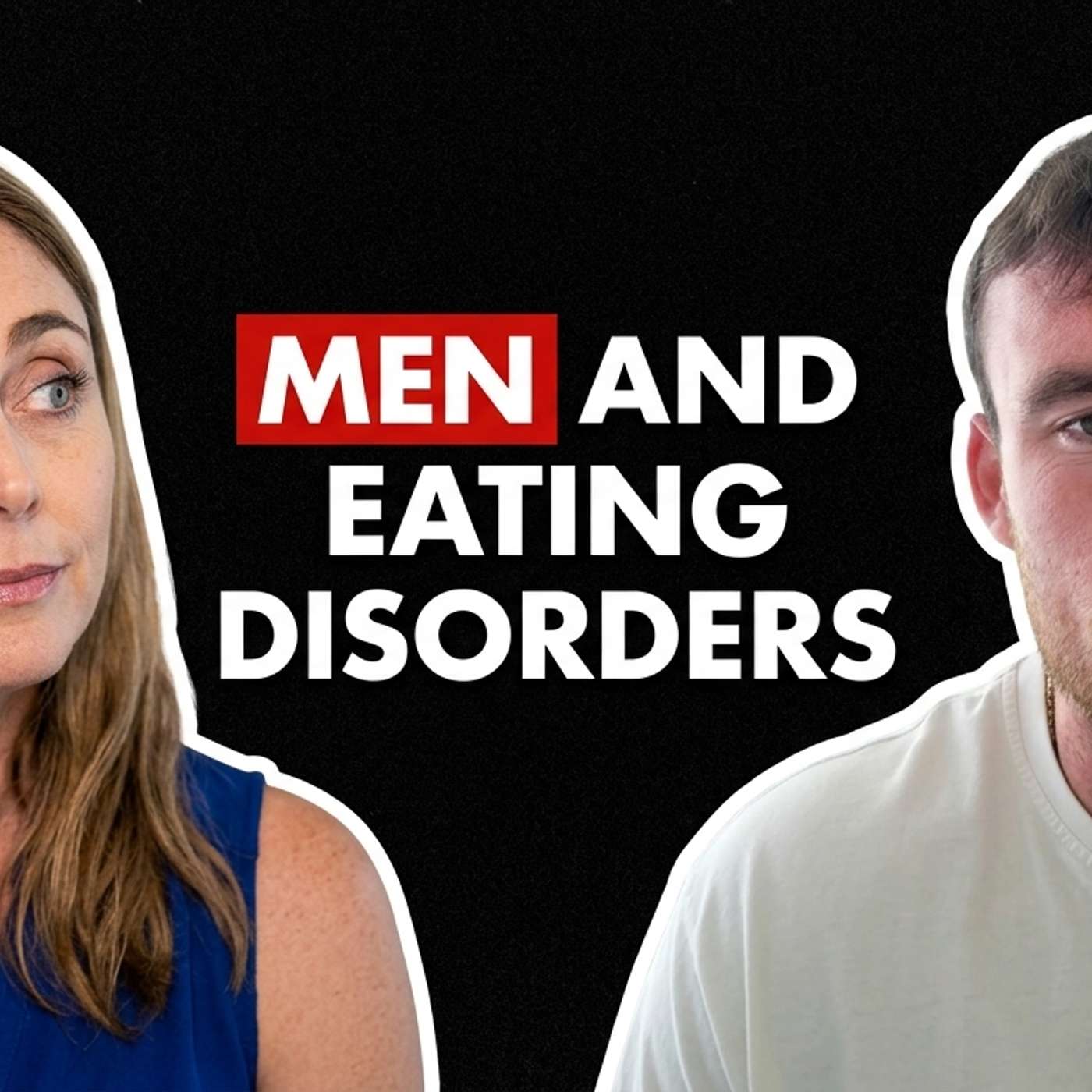
On this week's episode of Open Wounds Podcast, Candice chats with Alec White Cheshire regarding his journey as a man with an eating disorder. In this conversation we discuss challenges in medical recognition, societal influences, and the importance of support and awareness. Sick: The Hidden Truths of Eating Disorders - https://www.amazon.com/Sick-Hidden-Truths-Eating-Disorders/dp/XXXXXX National Eating Disorders Association (NEDA) - https://www.nationaleatingdisorders.org/ https://butterfly.org.au/living-with-anorexia-as-a-man/ Contact Alec at. https://www.allinmentality.com.au/about
Candice (00:01.173) Hello and welcome to this week's episode of Open Wounds Podcast. I have a guest with me here. His name is Alec White-Cheshire. And if you all are following along, you'll be like, wasn't that the same last name of the person who was on the week before? Yes, it is. That's his wife. They both are invested in mental health and wellbeing for different reasons. And so welcome to the podcast, Alec. Alec (00:26.67) Thank very much for having me, it's a pleasure to be here. Candice (00:29.695) Thanks. So I know we were speaking a little bit before we started recording about your history. You and I connected a long time ago via a Facebook group about sharing your journey as a male with anorexia. And when you first said it, I was like, whoa, I literally have never heard of this before. I know it's not that it doesn't exist, but I think specifically for males and the anorexia, like, I guess the two overlaying on top of each other. I would assume there's a lot of shame and a lot of like, because men are just stereotypically told, don't talk about your feelings, don't talk about your mental health, like man up, you know, the macho thing. That the reason why we don't hear about it is because there's too much shame and embarrassment. So. Thank you, first of all, for being willing to talk about that stuff and share and spread awareness. And I think your story, because you said you started experiencing this when you were 10. So do you wanna share a little bit about whatever you're comfortable with your history and how this came to exist for you? Alec (01:44.695) Yeah, I think everybody's maybe expecting to hear some sort of troubled childhood or something of that description, but I really can't say I've ever had that for me myself before the illness. was very much the normal childhood. Both my parents worked. come from, they worked hard. had, you know, all the toys and experiences, know, on holidays and all those sorts of things. So I definitely had a wide variety of experiences before that. and I think when I look back now, that could have been maybe a precursor to why the illness sort of took hold a little bit because I had so many experiences and I was pushed into so many different things. like sports, I did, used to do taekwondo, used to do kickboxing. used to do swimming. Like I physically did everything and more because my parents wanted me to experience everything, which is great. But I think that pressure sort of. built on me as a youngster to be like, need to do all these things and be good at all of them as well. And I think at that point, I was like overwhelmed, but as a 10 year old, you don't really know what to say. You're just sort of trying to please parents and you know, they weren't forceful in what they wanted me to do, but it was very much a, here's all these opportunities. And I was like, okay, I'll do all of them. And then it sort of got to a point where it was too much. And ultimately I now know looking back, Candice (02:49.12) Mmm. Alec (03:14.056) I couldn't control the things because I didn't feel I could speak up to my parents being a youngster, being like, just want to make you proud. I don't want to let you down. And so I gravitated towards that sort of ideology around food and controlling something because I couldn't control anything else. And yeah, it sort of started at 10. And I think for myself, it really, it quickly grabbed hold. wasn't sort of a prolonged years of sort of getting lower and lower, it was very much like, right, here's the control that I found, this is what I need to do. I went full into that and basically, I'd say within about three to six months went from normal sort of childhood things to basically completely reserved, completely fixated on food, exercise, lost all control of normal life and basically put it all my effort into the eating disorder, was the anorexia. And I think that's where it becomes shocking because even at 10 years old, my parents didn't know nothing about it. They weren't like clued up into it. There wasn't anything, any resources for them to look up. I was very fortunate that the GP at the time that was the family GP, his daughter had actually gone through it herself. So he was quite aware of the illness. what sort of things to look out for. So he very much got me the diagnosis at that time, like sort of got my parents in that sort of avenue. But the shocking part was I was hospitalized when I was 10. It was a six months hospitalization. But the only reason I was actually hospitalized, and this was obviously NHS in the UK, was because my dad physically took me into A &E and said, I am not leaving until you do something with my son. Candice (05:06.602) Hmm. Alec (05:06.661) basically, because they were like, still, there's nothing really wrong with him. I don't know what you're on about. Even though I've had a diagnosis, my blood work was good. Which, if anybody out there listens to this knows, that's not a metric to show how sick you are at all. We're all different and we all have different levels in which your bloods will change at what weights. So they basically were like, no. So my dad said, that's fine. And said, I'll walk out then. And then Candice (05:23.936) Yeah. Alec (05:35.182) You'll have to deal with a 10 year old boy because I'm not taking him home. And as shocking as that might hear for people to hear that, my dad was at lost. He had nothing else. He didn't know what to do. You know, I was at that time really underweight. And so it was like despair, basically, like you've got to do something. And they did. They did hospitalize me. But again, my story all the way out, all the way through shows is that Candice (05:45.768) and Alec (06:04.822) It was just a normal NHS hospital. I was put in a paediatric ward, which had multiple kids in there, none of which were for mental health. They were for broken bones, clapped grazes, maybe terminal illnesses and stuff like that. I was just put in a normal place. None of the nurses had a clue what to do, to be honest with you. The actual doctor that was my head doctor had no idea either. Just, we'll get him back to a healthy weight and then... just leave it that that's sort of good enough to them because medically wise that is that's what they see as being ready. Candice (06:42.079) Yeah, yeah, I think you brought up a couple really interesting points that I've seen in other kids before. That number one is when the child feels they need a sense of control. If it be through like things are happening at school or things are happening at home or they're just naturally driven to have like a compulsive controlling type behavior. but their personality, food is very quickly something that becomes that point of control. So for example, when I had foster kids, the foster care agency would be like, Candice, every time kids come in your house, they get chubby. And I'm like, listen, we have a lot of shit going on with these kids. The last thing I'm gonna do is tell them they can't have seconds. So I can see where food, like I had one little girl who would hide food in the bedroom. And I'd be like, you're gonna get bugs, it's gonna rot, but she needed to control something. And that was the easiest thing for a small child to reach towards. I've also seen them to where if they don't wanna do something, they can make themselves throw up. for a kid, for adults, we have a lot of things we can choose from as a tool to give ourselves some sort of control and feel like we have some sort of say in what's happening. But for kids, It's very limited. It's like sleep, food, toileting behaviors, and then a few other things, especially when you're talking about your personality was like you wanted to make people happy. You wanted to be the good kid. So you're not gonna like my kid act out and flip people off and cuss at them, right? You're gonna do what you can with what you have. So I think that's really important for parents and people who interact with kids to realize Alec (08:19.294) Thank Candice (08:35.773) If the kid is seeking some sort of sense of control or stability or something that they need, food is a really quick thing that will come up, will pop up with their behaviors. It'll play out very easily. The other thing that you brought up is that because we don't typically think of this as the disease that occurs in males, they don't know what to do with it. They really don't. Even if you had been a female in this scenario, a 10-year-old female is quite young for us to usually see these things come in. It usually comes in with puberty when the body's starting to change and the girl's freaking out, right? So I think there was a double whammy for the medical complex that they were like, what do we even do with this kid? We don't know. We don't know why this is happening. We don't know how to make it stop. We don't know what to do. So. I can see why, you know, they kind of were just like, get him back to a weight and pop him out the door, because we have no clue how to fix this. Alec (09:40.125) Yeah, and I think that just those two points you said, I think that's very important for especially carers and stuff is to and parents and that if you notice in the kid or your child or a kid, you know, even if you're in a profession of schools and stuff, concentrating around that, it's almost like it's an alarm bell. It's almost the kids trying to speak up, but they can't use the voice or words because they don't really know. You know, at that age, you don't know how to discourse with your parents to be like, look, this is troubling me or whatever. And I think that's something to for early prevention very much to not highlight it too much, but be like, okay, this is happening, but what else is going on around like, and maybe try and alleviate it without even going to the child. You don't have to make so much of a big deal around it, but okay, they've got all this on their plate. Maybe that is too much and you have to sort of be that one maybe to manage it for them. going on to what you said about the medical profession. I that that's what shocks me the most now is I still think even though that was 19 years ago, from what I've heard and the people I've actually spoke to doesn't feel like it's any different. And that's what's shocking in 19 years. they've experienced certain people because there will be other people than myself. I know that, you know, there may be only me that's speaking up, but they would have had other men go through it. yet, the system is still exactly the same, that they're shocked by it again. I don't know what to do. Let's suck everything at it, so to speak, but also nothing at it. That's the reality of what you get. You don't get the care you need. You just get... Yeah. Candice (11:19.189) Yeah. Candice (11:24.265) Yeah. I think your case too was interesting in that automatically most people will be like, oh, if the kid is having this severe of a reaction or a behavior come out or whatever you want to label it, they're usually like, oh, well, their home life must be terrible or they must be doing this because they feel like they're being beat or they don't have any food in the fridge or something. But I think it's even more perplexing. to a medical provider when you're like, look, this guy's dad, this kid's dad is so adamant that he get help. He's forcing us to take responsibility for this child. So we clearly, it's like, okay, well, if we can't point blame somewhere, what do we do with it, right? Like it's, if you can't figure out why the thing is occurring, then how do you fix the thing? So as you've progressed with your own journey through this, and you've had these encounters over and over again with the medical industry and the mental health industry. Have you found any way that you've been like, okay, these are really good things that they did correctly and that helped me and these are the things that they kind of fumbled and it didn't make it any better or it made it worse? Alec (12:42.977) I objectively looking at it now, think the system worked in protecting my life and not letting me get too bad of a point. think that's something that I can say that obviously they did, regardless of whether it was the right place around the right people, they did keep me alive. As blunt as that sounds, that was something they did well. They obviously made sure that I was still eating. There was certain things they aren't aware of, which people that suffer, especially with anorexia, you know, your mind becomes very devious, it becomes very manipulative and you know, and find different ways to try and manipulate the system you're in. And they're not so aware of that. But fundamentally, they did keep me alive. They made sure I was safe, you know, and all those sorts of things. And I think, because I was then hospitalized again at 17, it was a similar thing then. I was on the cusp of being an adult. or I was an adult per se in the medical professional, but they said, we'll put you on a children's ward because it'll be better for you. There's more around the care. So they did tailor it, so to speak, even though they didn't have a so-called protocol to do. They did put me in a children's ward and sort of made me feel more comfortable, I guess, than being trucking with all the adults. They're obviously going to be a lot older and not, again, they're not going to have mental health issues. They're in there for other things. But unfortunately, Even now I try and think what else they did really well. I struggle because there were so many things that to me were so simple. Now that I look back and it's not hard in my opinion for them to be given like a set of training or things around eating disorders, given them the mortality rate and how dangerous it is. I had a doctor when I was first hospitalized and when I was actually coming out of the so-called system and I was recovering and I was going for weekly checkups and he actually said to me, you're putting on too much weight, you need to stop eating. as someone of that age is still again, you know, maybe nearly 10 and 11. That's, that's what I wanted to hear like, or not me personally, that's what the illness wanted to hear. That was like, okay, great. Let's go back to what we were doing. Candice (14:47.861) Yeah. Candice (15:01.387) Yeah. Green light. Yeah. Yeah. Alec (15:06.685) And a simple throwaway comment like that is something that can derail someone again and cause a heaps amount of months. It's not just I think what needs to be really focused in on, especially for my personal experience with anorexia and obviously eating disorders is one person's word can have such a detrimental effect. And that's not to say to tiptoe. But there are certain things you need to very much avoid. And this is medical professionals, they should know. in my opinion, these things, they should be like, no, we don't talk about that. Scales weighing you and letting people see I still, I still get weighed now. And admittedly, I can not do bad with it. There are moments and sometimes I don't like seeing the number but they're willingly just showing you even though you've been diagnosed and you're like, this is a massive trigger. Let's do it in a different way. Candice (15:57.738) Yeah. Yeah. Like make the person face away from the reading thing or not saying it out loud. Cause I know when I go, the nurse will just, even if I'm like, I don't want to see what's happening. She's like, one 55. And I'm like, great. Tell the whole fucking office. but yeah. So I think, like you said, there's a lack of education. and I think the other thing too is For example, if there had been a specialized hospital in the UK for eating disorders, it's gonna be like 99.9 % females. So then they're gonna hesitate to even integrate you into that setting because then you're the only male. Do you have support that you need? You're surrounded by females. Will you even relate to them? So I think there's a lot of like gaps, like you're saying in the providers field for them to know how to navigate. this and help someone. So as you progressed, were you able to like, did at any point they say, he needs to go to counseling or he needs to go therapy or you need to get him to a psychiatrist? Like, were they recommending this or was this something that you and your family kind of stumbled upon? Alec (17:12.858) So very much when I was 10, there was not really anything. There was a thing, I believe it was called CAMS. I can't remember the anagram for it, but it was very much for troubled youths. So it was like a counseling for like, like you were saying before, for having a troubled childhood or being a kid that maybe was a bit unruly. But that wasn't, I didn't fit that category. It was just something that they had, okay, here, we'll just offer this. Candice (17:26.635) Mm. Alec (17:42.627) And then through between 10 and 17, I had very much ups and downs and my parents were very much active in looking for whatever exists. And I think this is another thing that's very worth highlighting is there was a specialized place locally that was full. They had a waiting list of six months. Well, as we know, that's no use. You know, you can't really go on that wait list or you can, but that might be too late for some people. But that itself was thousand pounds a night and at that point this was 19 years ago that's a lot of money that's like you know so Candice (18:20.009) Yeah, that's a privatized care here in America kind of thing. Yeah. Alec (18:26.069) Yeah, so my parents, as you know, they would have paid it and they would have probably remortgaged house to try and facilitate that, but still again, six months wait. And then they found a local charity, which was very much for carers to sort of meet up and just sort of share their stories so that they didn't feel alone, which was very good for my parents. And they obviously felt a bit more not so isolated. And yet again, as we said, I was the only boy in that whole group, everybody else had young daughters and stuff, but it gave them a sense of, okay, other people are going through this and getting little tips or things to help them. But very much the counseling side was very much left to my parents to find somebody, which is obviously a cost, which privately, and very much still not really dedicated towards eating disorders. And this is the shortage in the system. I'm very fortunate I have a therapist now that is very specific to eating disorders. But if you look around, they're very, very few and far between. And from my knowledge, there's two reasons is because it's a when they do their qualification, they do it as a set amount of units. They do this, they get qualified eating disorders is an additional section. It's not one that everybody does. It's one that they get have to voluntarily and it's very complex. It's very difficult. It's not something that's like a two month extra on your, I don't know, however long degree, it's a massive amount of extra work and most people don't want to because it's too much more. They're already, you know, through that period. And just something I'd like to mention to everybody just to make them aware, because I was made aware of this by somebody that I interacted with only a week ago now. The NHS GPs of all their medical doctorate training either get zero minutes of training on eating disorders. She's researched this and found this or at the very maximum amount is 30 minutes of training. Candice (20:35.679) Wow. Yeah, that's something that your wife and I talked about on the last call is that the medical industry is not set up to do anything besides here's a problem, here's a pill, here's a problem, here's a pill. Like I even had a doctor flat tell me, he's like, I don't know what to do with you because the pills I'm giving you aren't really fixing what you're complaining about. I don't even know where to send you. goes, I got literally no training on exercise, sleep, diet, stress, mental health. He's like, I literally went to school for eight years and I never once. So the US isn't any better. My assumption is, you know, most of the Westernized countries, what I have seen for eating disorder is that the person who is going in to become a doctor or nurse struggled with it themselves. So they have a personal history and a passion, or it was their sister, or they had a parent or somebody that they were directly impacted by, gave them this passion to take the extra courses, to take the extra time to learn about it, because they were personally impacted by it and they wanted to help other people. So I don't know if that's been your experience when you're finding people who do specialize in it, that they got there because they were directly affected by it. Alec (21:59.678) No, it's completely true. The people that seem to understand the illness or resonate or seem to give you the time of day, to be honest with you, again, like you said, they've experienced it themselves, family members, and they've seen the damage it does and the sheer suffering that it causes, you know, across the board. Let's not just focus on the sufferer, but the family, everybody, the complete whole family unit gets absolutely exhausted by it and that's why then you can see these people do it. And I think a lot of people either try and speak up like me or the sad truth is they just give up and they just they live life because it becomes exhausting. You've know they've battered the drum for so long to try and maybe get a change or speak up about these things and yet they don't and some of them just Candice (22:46.101) Yeah. Alec (22:56.263) I'd like to what you said there about doctors and I really feel for them. don't think it's very much pointing the finger at them and saying, look, it's your fault that this is happening. I really don't. think the crux of what I've seen is that throughout the medical system, it seems like people want to go, no, it's his job or it's this person should highlight it or this person should. And a lot of what I found is the buck seems to be consistently put to the GP. Candice (23:26.656) Mm-hmm. Alec (23:26.963) Well, the GP is the most overstressed I can guarantee. Anybody I've probably dealt with like surgeons or whoever else, they're getting the full brunt. They've got to know everything. And yet they're the ones that are being tasked with like another real serious thing like eating disorders and then being told, you need to be an expert at this as well. No, you have to have safeguards across the board and everybody needs to have some form of knowledge because my Candice (23:31.264) Yeah. Candice (23:39.615) Right. Candice (23:51.765) Mm-hmm. Alec (23:57.084) That's such a rubbish excuse to be saying, well, we don't really screen for eating disorders because it's the GP's job. No, we don't, we don't really focus on, no, no, no, that's just cop out that is, I'm sorry. That's laziness or whatever you want to call it. You have a responsibility to, to be like safeguards. Candice (24:10.59) Yeah. Candice (24:15.795) Yeah. think the other thing that we run into systemically globally is fat shaming, weight shaming. And we all, mean, I say we all like, I think it's common knowledge that the BMI is really flawed because it's not looking at your muscle mask. It's not looking how much fat is on your body or your, you know, there's a lot of factors where there'll be like, well, you're within the window of the BMI. So Alec (24:22.215) Thank Candice (24:45.481) I don't see a problem here. Plus we have an entire industry built around skinniness is the ideal. Being slightly underweight is perfection and what we want to see from people. Like I listened to the book by Danielle Masnick Young on growing up in a cult and going into the military and they strategically make them. the military soldiers hungry because they think it makes you like a little bit like crazy and you'll work harder, right? And I'm thinking that's the opposite. Like if your nervous system is regulated and you're full and you're happy and your needs are met, you have the brain capacity to function. But I do think there's something almost sinister happening with capitalism and the patriarchy where we're keeping people kind of miserable. They're hungry all the time. They're underweight. cannot, you physically, it's hard for them to do the things they need to do because skinniness is the ideal. It's what people are striving to. So I can see that's another thing too. The medical industry is also permeated by this thought process of like, we don't see a problem here. Yeah, maybe he's a little skinny, but that's better than being fat, right? So that's the other part of the problem we're running into. Alec (26:06.372) And I think that's, it's very much, I think it's like you say, the whole society is doing it. But I think what needs to, and this is for both sexes, I think both sexes are getting into a bit of a, or all sexes, whatever, on pressuring on the other side, and this, especially image ways. And this is why I think it's becoming more prevalent for men than ever, is because now with social media, with the increase of influencers and all these things, Yes, a lot more women suffer with anorexia, because of this societal push and especially with then opposite sexes being like, now I want this Greek God looking, supposedly dad bod, whatever you want to call it, they're putting the unrealistic expectations onto the opposite sex like the males. And then it's like, OK, males are like, we have to be like this as well, because otherwise we won't find the love of my life. insert a female or whoever it might be. So then males like, well, what do I do? And this is where I think it's really worth highlighting is because it's now evolving. And this is where I think the evolution is going to become really dangerous across the board, because I myself and I confess that I have done performance enhancing drugs to serve a purpose. It was obviously wanted to look leaner, wanted to you know, it was all driving around the disorder again. It was all physically because it gave me more energy. It gave me more of this. And admittedly, it wasn't prescribed. was sourced on the internet. Like anybody can grab hold of these things now. But this is what I think like this new wave is coming to is especially on boys is they're now looking at drugs. So not only are you they're acquiring or finding themselves in trouble with their own mind with, you know, the eating disorder and things, you know, They're pumping themselves full of drugs, which is now making their mind even more fragile, even more volatile. They don't know what they are, but it's all again to seek this worth within a body shape, within a look that the other sex is telling them that's what they need to be like, or it's society telling them this is what you need to be like. And even unfortunately other same sex males doing the same. And then ultimately that whole driving force is just, right, need to, you know, Candice (28:25.483) other men. Yeah. Yeah. Alec (28:34.909) I need to do it all. And then before they know it, they're in a rut they can't get out of. And that's the danger. Candice (28:40.575) Yeah. Yeah. I think too, it kind of ties into this whole thing with like intermittent fasting and ketogenic. And like you said, these weight loss or like workout, pre-workout, post-workout, like keto, what is it? Not, I'm blanking out on all these different supplements they're selling now. There's a whole industry that's making billions of dollars off of making Men now have the same body issues the women have dealt with for decades, right? And so it's becoming like, that's why I intuitively when I see people like, you've got intermittent fast or you got to go keto. And I'm thinking why? Like, this is just another like whitewashed version of an eating disorder, really. It's like, it's constantly focused on your macros. Your brain space is being taken over by I gotta cut weight or I gotta gain weight or I gotta do this and it's literally a mental illness to some form because your life starts to revolve around it. Similar to somebody who has an addiction, their life starts to become skewed to where so much of their time and mental energy are focused on this one very small part of their lives. So can you talk a little bit more about what you're seeing current day? and how it may not be called an eating disorder, it may not be called anorexia, it's just given a different label. Alec (30:14.438) Yeah, think I think I want to highlight what you said then about the macros and everything like that. I think that's one thing and I've spoke to a few people and even my therapist we were discussing about this just as a generalized for other people she spoke to and stuff. The one thing that you can actually get rid of in an eating disorder illness and what a lot of us wish we never knew is what thin food and that is now being drummed seriously. And like you say, that's not necessarily an eating. the disorder itself, just knowing numbers. But once you build that database in your bank for anybody to like you look at a cocktail bar, I know what's in everything. I could pick something up now and tell it and that's not me trying to trumpet me so I'm gonna look at me I know this, I don't wanna know it. I really wish I never did because every time you pick up something, your brain is without you even knowing is already going, should I have this? Should I not? This is what else I could have. This is what's in this. This is what's not. Is this healthy? Candice (30:58.987) Yeah. Alec (31:10.905) That in itself, just having that dialogue, whether you then aren't underweight or overweight, whichever in the spectrum of that BMRU fall, that in itself is the eating disorder there. That is the disordered eating because you're not living life to just going, right, I want that. That's what I feel like today. I'm gonna eat that. You're now going a thought pattern which is draining in itself. Candice (31:21.279) Yeah, absolutely. Alec (31:34.595) And nine times out of 10, if anybody has those thoughts, and especially when they've built such a large database, it becomes so overwhelming, you'll then put it down. You won't even finish that choice because you go, this is too stressful. Screw it. I'll skip this meal. I'll go on to the next one. And that's what I think for a lot of people you're getting, you know, as you were saying in this day and age, it's like, you should do this. You should take this. You should have this before. You should have this after. This is what's best. And your whole life, if you take away Candice (31:49.098) Hmm. Alec (32:04.632) what you actually do in the day, 99 % of it's probably just around what I should eat, what I shouldn't do, whether I should be moving now, whether I should. And that is what an eating disorder person suffers with. So it's not very far a jump. And this is the problem is that's where it starts. A lot of these people, this is when you start going down those routes of analyzing what you eat and stuff. If your brain Candice (32:16.427) Yeah. Candice (32:22.635) Mm-hmm. Alec (32:30.222) grabbed hold of it enough and it becomes like you say, you might have a traumatic event or something which you feel lack of control. That is going to be its first point of call. And that is where it will start grabbing hold of more and you will end up down somewhere which you didn't realize because to you it looked like I'm being healthy because that's what everybody says I should do. I should be looking at what I'm eating. Yeah, okay. Now if I ask you the question tomorrow, I want you to go and eat a donut. You're going to have a freak out. Well, there you go. Candice (32:59.147) Yeah, exactly. Alec (33:00.663) You're not realised where you are. Candice (33:03.871) Yeah, I think it's glamorized and it's given to us as the thing we should strive for. And when I'm sitting here on the other side, I'm like, this looks like disordered eating to me because it's rebranded as like healthy living and clean eating and all these different terms and the influencers selling stuff like supplements and proteins and this and that and the other. looking at this one person I started following her because she was doing interior design stuff. She had a TV show, but her husband got into fitness. And now it's like literally half her posts or how can she cram more protein into every single thing she eats? And I'm like, I get that you think you're doing the right thing, but at the end of the day, this seems really like wacky. Like for me sitting out on the outside, I'm like, Alec (33:54.006) Yeah. Candice (33:56.79) God, how much mental space is that taking up that you won't eat something if it doesn't have 20 grams of protein in it? Like, your life starts to revolve around this thing. And if you're like, like you said, if you go and the only two options to eat are a donut and a peanut butter and jelly sandwich, you're just gonna not eat because those are two bad of choices, right? And so I think people have idealized it and they've glamorized it and they've made it seem like the new healthy thing. when it's just more disordered eating rebranded. Alec (34:31.7) Yeah, and I think that's when, you know, you don't speak up then because like you say, society's pushing it as well as and all your friends are like, Oh, you're doing really well. Look at what you're eating. Look, you know, nobody's saying, Oh, why aren't you doing that? It's all praise. So you're actually only reinforcing that mental, like thought patterning, which you're already not 100 % sure. And there comes a time as you're slowly going into that darkness is where you're you'll see you're not able to do things, but you don't have the control anymore. You've lost it. It's gone to that, that's the sort of eating side. And you're wondering, well, hang on a minute. No, I don't want to do that. I want to do this. Oh no way. can't. And that internal conflict, which then people go, I can't speak up because I'm healthy now. And like you say, and we spoke about before, I'm in a healthy BMI range. I'm not ill or, know, nothing's showing that way. Candice (35:14.419) Yeah. Alec (35:29.041) And that's what the sort of crux of what's going on now. And I think it's a much, think it's for both sides of the, you know, like who you are, males and females, because I think what it needs to be is that females need to support men, because that's something else I've always found myself like, obviously, I can't really speak to other men, because it's very much a space that's not, and I've tried and I've had horrible interactions, which ultimately caused me distress, and then I just give up. But then Females on the other side are like, oh yeah, well, we've dealt with this for years. This is something that we've had to deal with. It's about time men have to deal with this. I've had people tell me that and I'm like, no, like we have to work together. This illness doesn't discriminate. It goes from top to bottom. How old you are, you're never too old and you're never too young. And I think that's where it's, know, like we were speaking then, sorry to go off on another tangent, but all this media Candice (36:18.592) Yeah. Alec (36:26.736) is now being focused on kids. I've seen in schools, they're saying, now, you're not allowed to have this, you're not allowed to have this, we should have this. Kids are so susceptible, they really are, as I was proof of it, I was susceptible without any of that stuff going on. Like there was might have been other things going on with like sports and stuff, and I think I need to be fit and athletic. But now in schools, kids are being told you need to have all your fruit, you need to have, which yes is good. Let's not make it a focal point, because then that's all they know. Candice (36:53.949) Right. Yeah, yeah, I think that's a good point where you're saying like, I do get like a lot of women right now, especially what we're seeing globally is they're like kind of fed up with men, they've just had enough is enough with them. So when a male were to come into this space, like let's say you're on a Reddit thread for eating disorders, I could see the women are be like, it's about time you got to suffer like we've suffered, which isn't helpful. And then again, you Alec (36:56.978) Thank Alec (37:18.99) Yeah. Candice (37:22.751) the mantle sphere or whatever you're dealing with, there's so much inherent shame and avoidance of emotions and avoidance of talking about mental health and the appearance of any sort of weakness. And when we're talking about kids too, I get that they're like, well, there's an obesity epidemic. And I'm like, yes, there is, but we don't need to swing the pendulum so far to the other side that we create disordered eating with these kids either. for example, if- you know, just don't offer dessert at the cafeteria. They can pick what they want out of the other foods that are there and maybe you just don't have cake, I don't know. I think the other thing that you touched on that I wanted to talk a little bit more about is like the mental health portion of this because it is something that you really have to do a lot of internal work on to, like you said, it feels very like a lonely journey. especially for men dealing with this, because like you said, you try to reach out to guys and you can get shamed and you told you're an idiot or whatever. And if you're reaching out to women and that that's group that you're going to isn't welcoming, it comes back to like, how am I on a daily basis caring for my mental health, caring for my well-being, finding my own support system? So can you talk a little bit about, since I'm assuming there isn't like a local support group for men who have eating disorders, right? Alec (38:51.196) No. No there's not. Not what I'm aware of. Candice (38:53.343) Yeah. Yeah. Alec (38:57.032) I Alec (39:00.489) It's very difficult because it's a very lonely journey. And I think this is why the illness becomes and I don't know if you know, like has the highest mobility rate of any mental illness because the mental gymnastics you go through, I've used, I've tried to find terminologies or things to tell people what it's like, but it's, know, imagine your mum's itchiest sweater. put that on and just keep it on all the time. It doesn't come off and that's the mental gymnastics and it's draining physically. You end up getting exhausted with yourself and you end up getting exhausted just with life. And then on top of that, I say to people, well, say you're scared of spiders, snake or whatever, right? I put it in front of you every single day. That's food to me. That's food for a lot of people that are suffering. How would you feel about that? And some people might say, yeah, well, it gets better over time. No, it doesn't. I can guarantee if you're scared of spiders now, whatever it is, it doesn't get easier. does. It does at a point, but it's not like one week and then next week it's like, my God, this is nothing. I can hold this spider or, know, I can eat this like food. And it's why the, sorry, pardon me, the darkness and the loneliness sets in greater because your brain physically can't take it anymore. what, when people hear about the rates of which people dying, it's not actually because of the illness itself. It's bit of a misconception, which some people think you don't die because you starve yourself. Some people do and you know, it's very tragic and you know, it's horrible. But it's the fact that you give up because the voices are so loud, the mental toil, the lack of being able to just cope with it anymore that you know, tomorrow is going to be the same loudness. that's, that's where the harsh reality is and where people aren't, you know, and give up. And I think, you know, I've been very fortunate myself, I've had a very good family around me. My parents have been absolutely great and they've learned. That's the interesting thing they've learned alongside me. They didn't know what this illness was. And as I've got older and matured, I'm more self-aware. They sort of understand things a lot differently than before. See things differently that maybe I didn't my younger years and think, what an ass. I've said some horrible things, but I'm being able to realize that wasn't me. That was the illness talking and that was just, you know, in despair moments. Alec (41:24.904) One of the biggest things for me, it's not for everybody, but my dogs are my everything. I've always had dogs ever since I was 17 and I might not have people to talk to. I might not be able to sort of chat with other people suffering or have discourse in that regard. But the dogs and being able to walk and just have a complete time out from life and see what they... They don't care, they're always happy. They love going out and stuff like that. And that for me has been a massive relief in times when I just didn't know what to do with myself, especially like the darkest moments. It's like out of the dogs and they'll make you laugh. They'll make you do something stupid and stuff. So I think for more people, it's trying to find that thing that is you might not be able to find somebody that will be there for you. That's the sort of harsh truth of this illness because there isn't unfortunately a lot out there. You sort of are very much and it's not to be come across negative in any way. You are very much alone at times and you have to figure out unfortunately whether it's with a therapist or a loved one. What will override your brain? in a way to just give you a bit of respite, whatever that looks like. And don't let anyone judge you for what it is. That's another thing. Because people go, why'd you do that? Like, I'm 29, I'm male. I like doing puzzles. If I said that to a bunch of guys, they'd go, you're so weird. But it gives me a time where I can just switch off and I don't have to think about things. Candice (42:45.417) Yeah. Candice (43:01.577) Yeah. I think that's a good point, because like with my complex PTSD or other people listening with other mental health things is there's so much ingrained in society that it's like go, go, go, work, work, work, improve yourself, improve yourself. But we do need time where we can just kind of zone out. For me, that's video games or like Mahjong or something that's a puzzle so that I don't have to think. Right? Like I can just kind of let my brain chill for a little bit. And like you said, the pets are a really good thing too, especially dogs, because you have to walk them and take them outside. So that makes you unlike my cats. I don't have to leave the house with my cats. But when I had a dog, it was really good because I had to get up and go on a walk every day. But yeah, I mean, some people it's journaling, some people it's a support group, some people it's, you know, talking to their friends or being involved in an activity where there's other people around them. But yeah, finding the thing that's gonna help you feel that sense of relief and give yourself a break, you know, and not be so hard on yourself. And I do think too though, with the way that the internet is, and now we have... We have Reddit and we have all these different platforms like Discord and stuff where people from around the world can connect and find each other. I do think, you know, like you said, it's impossible that you're the only man on the face of the earth that's ever had this. So we know that there's other men dealing with it and maybe they're not aware of, maybe they're not calling it anorexia. Maybe they're calling it something else or maybe they're afraid to talk about it. But Candice (44:51.943) It's bringing to mind what we're seeing in South Korea with the K-pop music industry, with the standards being put on men to look a certain way, and they're being forced to get plastic surgery or told, if you want to be successful, you've got to go change your body. And they're very thin. And so I know that this is happening and we're just not really calling it for what it is, right? Alec (45:07.752) that. Candice (45:20.659) the male's physical standards are now becoming scrutinized because capitalism realizes they can profit off of us if we're suffering, right? And so, yeah, figuring out ways to connect and we're gonna put your information in the show notes if somebody wants to connect with you, to email with you. Is there anything you wanna share that you found that's a really good resource for somebody who's dealing with, know, disordered eating or anorexia or any of those things? Alec (45:50.664) think one of them was a book that was given to me called Sick Enough. I can't remember the specific author, but if you type in Sick Enough, it's a great book for everybody that's involved. It has all the research that's actually out there that's worth reading and it very much encompasses everybody, not whether you're male or female. And I think it's great for not just carers, sorry, not just sufferers, but carers as well, because it will give you an insight into what actually is going on more behind. what you'd see on the surface level, which can help you. then in regards to... Butterfly is one that I have looked to. They do have some sort of support groups, but I am hoping myself to arrange and create some sort of space for people because I think there is such a lack worldwide of spaces. I very much don't see a lot. There are companies out there, if you research them, NDD, which is in Australia, but they setting up tiny homes for impatience. But again, it's few and far between, I'm afraid. Like the resource wise, think you really have to look out there and don't be... One thing I just want to say to everybody out there, I think, is that if you see something there with a massive cost on it, don't believe that it's going to be the fix. Because honestly, they might promise you the world and charge extra, proportionate amounts of money. And you think, that's why they're charging that. They don't know anything different than anybody else. They really don't. And they're just manipulating you in your vulnerable state. I'm sorry. That's my opinion. Candice (47:27.923) Yeah. Unfortunately, because the traditional medical model for most westernized countries, eating disorder isn't even like the top 20 things that they're focused on. Right. And so a lot of times this falls to privatized organizations where they're there to make money. This isn't, you know, a charity. They they're trying to profit. Right. And so if it's, you know, a rehab facility, like you said, that's a thousand dollars a night or you know, some of these programs that people are selling where you can do it online, but it's like three grand. I get that, you know, if you're desperate, that may seem like, well, I'll just put it on a credit card and figure it out later thinking this is gonna be the key. But you know, the more that I talk to people about all, you know, all of human suffering, all of human mental illness, it's community, it's finding people who we can lean on and support each other when we're having those dark times and when we're not feeling well. And then when we are isolating that they will be like, hey, I haven't heard from you in a while. What's going on? Are you okay? Like just creating that support. And I think even outside of eating disorders for men, this is such a thing where it's very difficult for them to be emotionally vulnerable and connect and support each other in that loving way. And I think it's something we need to work on as a society to help. men feel comfortable enough to reach out to each other and talk about their emotions, talk about their feelings, talk about their struggles without shaming them or making them feel inferior or things like that. Because so much of male culture is, you know, oriented around sports and like weightlifting and like being tough and, you know, so creating these spaces where guys can just be human and experience the whole, you know, breadth and width of the human experience, whatever that be. So I thank you so much for coming on and sharing your story. I think it's really important that we talk about this and get this out there because I know that there's people that will resonate with it. It's just getting them, you know, connecting the dots. Like I'm not alone. There's other people out there. Let's connect. Let's talk about it and support each other in the journey, you know. Alec (49:48.763) Yeah. Alec (49:55.387) Yeah, no, thank you ever so much. was, like I say, I might be one of the loudest ones out there that might be talking, but for everybody out there, you you aren't alone. And at end of the day, there will be someone that will listen to you. And I'm not going to say it will be easy to find that person, but don't be afraid to maybe lose a couple of friends if they're not the right fit for you at the moment and things like that. And, you know, take the time to reach out to the right people. It might not be the first person you speak to, but you will find someone there is enough of us out there now. We might not be as loud or you know but please don't give up. Candice (50:32.554) Yeah, well thank you Alec for coming on. Thank you everyone for listening and watching this week's episode and follow all the information in the show notes if you wanna learn more about Alec and connects with him and then we'll see you again next time.