
Open Wounds · Candice K
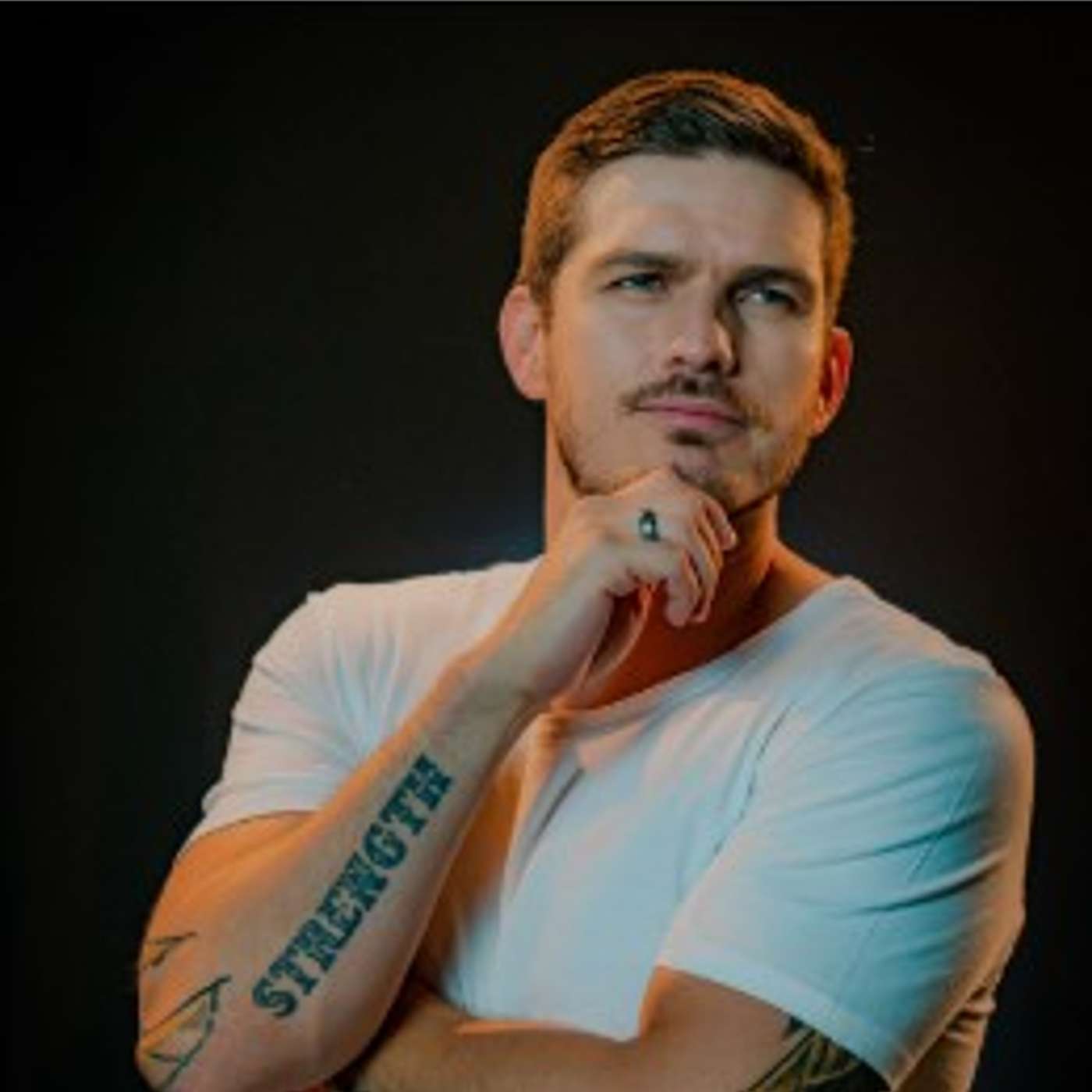
In this episode of the Open Wounds podcast, Candice and political educator Davi Stemler delve into the complexities of socialism and communism, exploring their differences and implications in modern society. They discuss the misconceptions surrounding these ideologies, the role of government, and the illusion of freedom under capitalism. Davi emphasizes the importance of political education and collective action in the face of systemic issues, advocating for a transition towards socialism as a solution to the challenges posed by capitalism. The conversation also touches on global examples of socialism, the nature of wealth accumulation, and the future of post-capitalism. Follow Davi Here: https://www.instagram.com/yourcommunistfriend/?hl=en American Communist Party: https://acp.us/ Revolutionary Communist Party: https://communist.red/ Party for Socialism and Liberation : https://pslweb.org/ Socialist Rifle Association: https://socialistra.org/ Richard Wolff Book: https://www.amazon.com/Understanding-Marxism-Richard-D-Wolff/dp/0359467024
Candice (00:00) Hello and welcome to Open Wounds podcast. I'm your host, Candice. This podcast is about healing the wounds that you can't see and leading a revolution against oppressive systems that keep them open. We're going to talk about really practical tools for managing complex PTSD, as well as dive into relevant current day topics that make healing a daily practice. You can follow us at ig at open wounds podcast or watch on YouTube at Open Wounds Podcast. Please rate, review, like, subscribe, all the things and enjoy this week's episode. Candice (00:38) Hello and welcome to this week's episode of Open Moons podcast. Today I have with me a guest, his name is Davi. He is a political educator and I wanted to have him on because I found him on Instagram. think people were sharing his stuff during all this political chaos we've been experiencing and I was like, he knows a shit ton about communism and I think I really want to talk to him more about this. So welcome to the podcast, Davi. Davi Stemler (01:09) Thank you for the invitation. I'm really ⁓ honoured to be here having this conversation with you and I hope that we can clarify lots of the misconceptions people have about socialism, communism, so we can give people more clarity of what society could be after capitalism. Candice (01:30) Yes, yes, think right now it's coming from a very idealistic place because we see all the problems, but it's like, there's hope for the future. And there's a lot of people like my son is, he's 21, he'll be 22 soon. And he has a very nihilistic belief of like, we're all fucked, the earth is gonna burn, like nothing good is gonna come from this, we're all gonna starve, there's not gonna be any water. And so he's just kind of thrown his hands up in the air as to where I feel like I'm more like, no, we need to do something. We need to take action. We need to, you know, rally together collectively. So I think the first thing I wanted to ask you about was like, because even with my, had a bachelor's degree with a minor in sociology and we talked about politics, but we focused very much on the U S which is a very two party limited system. I was talking to my friend from Norway and I'm like, you guys have like lots of parties and she's like, yeah. And they kind of like, some will win and some will lose, but ⁓ we didn't learn much about socialism or communism. And the little bit we did was it was just like very lightly tapped on it, like Marxism and Leninism. And so I've been watching your videos and they're so dense. But can you just like for somebody who knows nothing explain? what the difference is between socialism and communism because I think people don't understand that there is a difference. Davi Stemler (03:05) Sure, this is a very, very common question and a very important one because it's the foundation of the understanding. what it is actually without the red scare, without the anti-communist propaganda, without the Cold War ⁓ fun fiction we have. It's very important to understand this. First of all, Candice, I think the first step of that is understanding what capitalism reveals. ⁓ Because when you understand the system you are, you can understand what's actual difference, right? Candice (03:18) Mm-hmm. Yeah. Mm. Yeah. Davi Stemler (03:39) And that's happened with Marx. Marx, he started studying capitalism. So he's a very deep knowledgeable about capitalism, right? And he has the three books, The Capital, which explains everything about capitalism, which for those who are watching, listening to us now, I strongly advise to read. But. Basically, capitalism is an economic political system that's based on the private property of the means of production. So what are means of production? Are lands, factories, resources, technology, transport, all the things that humans need to survive, right? Water, food. But the problem is, ⁓ These means of production under capitalism, they are owned by a very tiny minority that we call the capitalists or the bourgeoisie or the super rich. And when we talk about ⁓ private property, we don't talk about your toothbrush or your car or your house. Those are personal property, things that you use. When we talk about private property over the means of production, we talk about things that that produce wealth, right? That generate profit to someone, right? So your toothbrush, you don't generate profit with a toothbrush, right? So the problem is that these private properties of the middle production, they are owned by a very tiny minority. The rest of the people, which we call as Marxists, the working class or the proletariat ⁓ or the peasants, the only thing we own are our skills. our labor, our time, right? Because we don't own anything. So because the basic needs of humanity are owned and controlled by a very tiny minority of people, and we all need water, we all need food to survive, what we have to do? We have to sell our labor, we have to sell our time, we have to sell our skills in exchange of money so we can access those things, So ⁓ capitalism develops around that. And of course, because of that, we're have layers and layers and layers of stuff that develops around that basic perspective, right? And the thing is, if I don't own a house, I have to work to be able to rent a house. If I don't own land, I have to work in order to buy food. If I don't own... water or a river or a lake, I have to work in order to get money to buy water, right? So all the capitalist system is based on this exchange. People who owns the basic resources for human survival and those who doesn't. And those who doesn't have to work and sell themselves away so they can access those things, right? Okay. But here's the catch, our job, the value we create with our work doesn't come to us completely. When you work for a business, for example, everything you produce as a wealth in capitalism doesn't get to you because the business owner gets a chunk as a profit. So we are working and we are not getting the full amount, the full value we create. Candice (07:20) Right. Davi Stemler (07:28) So wealth always goes upward because think about that. We work, right? And at the end of the month, we get our salary. But the value we produce, our boss or the business owner or the rich, they already got a chunk as a profit, right? Then you get the salary, but you don't own house or water or food or electricity. So you have to get one part of your salary and give to the billionaire landlord. and then to the billionaire food owner, and to the billionaire water producer and energy producer. So everything we own, all the money we get from our work doesn't stay with us because we have to use that to pay billionaires around so we can survive. So that's why Marx will call ⁓ the wage system as a modern slavery because we have to work to... Candice (08:25) Mmm. Davi Stemler (08:28) to buy shelter, to buy water, to buy food, ⁓ to survive. If we don't work, we don't survive, right? So if we stop working today, we don't get anything because we need money, right? Because we don't own things. ⁓ Good, so that's how capitalism works. Socialism offers us a change or another way, right? Candice (08:36) Right. Davi Stemler (08:58) So basically socialism will work in a different perspective. So if in capitalism, the means of production are owned by a very tiny minority of people, and the socialism, the means of production are publicly owned. So water, food, housing, energy, transport, technology, media, they are accessible for everyone. So under socialism, We don't have to work to survive. We have to work to produce things to humanity. Right? Candice (09:33) I think that's where people get caught up because they think in socialism the government owns all the resources, right? And so they don't trust the government therefore they don't want the government owning it. That's where I'm getting Like, I'm like, ⁓ see, there's a misconception I had because I understood it to be like, in socialism, instead of ⁓ the buses being run by Greyhound, they're run by your state or your county or your federal government. Or instead of the garbage man being privatized by a Pacific Waste and Management Company, it's your federal government paying the garbage man and paying for the garbage trucks. So can you explain why there is a misconception why people think it's the government owning everything in socialism when that's not how it's actually intended to be? Davi Stemler (10:28) No, actually, actually is the government, but that's the catch. Under capitalism, the government has an owner. So under capitalism, the government is owned by the rich. So under capitalism, the government ⁓ works to achieve or to meet the interests of the ruling class, which we call the rich, the bourgeoisie, the billionaires. So when the revolution happens and... Candice (10:40) Okay. Davi Stemler (10:57) and we overthrow capitalism, the state still exists. But now the working class takes the political and economic power of the bourgeoisie. So the state is run or is run by the working class, which means that the government will or the state will work to meet the interests of the majority, not of the minority. So for example, I'll give an example. Let's imagine that we are under socialism, right? And there is a political discussion on the Congress ⁓ to decide if the water ⁓ company will be owned by someone or by the state or public loan. If the water company is owned by one person, this person will not run the water company to achieve the interest of the majority because this person has one goal only, which is get the most amount of profit it can. So when we have this difference, we understand why on the social if they state we run everything, but they state we run based on the interests of the majority. Candice (12:10) Yeah. Davi Stemler (12:25) not to profit, but to achieve and to make sure that everyone has access to the water in that example. So for example, ⁓ if the water company is owned by the state, the state doesn't have ⁓ as a main goal to profit, has the main goal to serve the people. So you need to make sure that the prices are accessible and that the services are good, are in high quality. If someone as an individual owns the water company, the main goal of this person is to profit. So they will do the opposite. They will increase the prices and decrease the quality because the goal is to profit, not to serve or to provide a good service, if that makes sense. So under socialism, the state exists. The state exists under socialism, but the owner of the state is not the rich, but the Candice (13:19) So do. It's the people. So do you have a good example of somewhere where that's actually being enacted in that way? Because I think that's the other part is people be like, well, in theory, this makes perfect sense. However, we don't see it like executed, right? Like ⁓ other countries might have like socialism light, like parts of their system might be. actually owned by the people and not privatized, but not the whole thing. So can you give an example of like where this is actually taking place and it's working? Davi Stemler (14:00) Well, China is the main example we have today, right? Even though there is a massive discussion whether China is socialist or not, is capitalist or not, that's a whole other discussion. But for example, in China, all the strategic sectors of the economy are owned by the state. All of them, all of them, land, water, energy, transport, media, technology, all of them are owned by the state. Candice (14:11) Right. Davi Stemler (14:29) And that, Candice, makes all difference in the development of a country, right? Because you can use the wealth the country produces to reinvest in the country. It doesn't go to the pockets of few, right? Because think ⁓ with me, if we have a transport company in the US that's owned by an individual or a group of people, right? And they have shareholders that wants to profit. and this transport company starts to get more and more profit, those shareholders, they will not necessarily reinvest in the company. They will not necessarily reinvest in developing infrastructure of transport because they want to profit, right? That's their main goal. However, if this company, the same company is owned by the people of the US, Candice (15:10) Right. Right. Davi Stemler (15:28) by the state, every money that gets into the business that goes above the costs gets reinvested in the business, gets reinvested in improved infrastructure, get reinvested in develop more rail trains, for example. So China does that very well. China does that very well. So BYD, for example, that's the car company that's getting to the US and everywhere in the world. BYD, is owned by the state, right? It's owned by the state. ⁓ Everything else, everything else. China has social media, for example. For those who doesn't know, TikTok is not Chinese, right? But ⁓ China has its own social media that only works in China, right? And they have completely control over the social media, right? Candice (15:58) Okay. Mm. Davi Stemler (16:24) So for example, China right now just started a policy that for you to talk about anything in social media in China, you have to prove that you know what you're talking about. You have to prove that you have knowledge. You have to prove that you have done a qualification, that you studied, that you have actually foundations to state whatever you are stating, right? To make those statements. Think about that in the US. How many people talk baloney in the US without knowing anything what they are talking about? How many anti-vacs who have the US spreading lies? How many flat earth people are talking in the US? You cannot talk about that in China because it's not ⁓ true. It's a lie. It's fake news. Candice (17:00) Right. Right. Right. Davi Stemler (17:22) And you cannot influence people. So the state works to protect people from those lies, right? Which, in my perspective, it's a good work of the state. People think, this is authoritarian, they are prevent freedom of speech and whatever, but for them, I'm not in favor of completely freedom of speech. I don't think people should be allowed to talk about whatever they want. That's what happened in the US. Candice (17:30) Yeah, I think. Right. It's repression of free speech. Yeah. Right. Right, that comes up a lot here in the States. It's like, is it hate speech? Is it free speech? Is it terrorism? Is it free speech? Is it inciting violence? Or is it free speech? And so we see this push pull where people will say horrendous things and be like, it's free speech. I can say whatever the fuck I want. And so, yeah, I think that's the thing where people start to get like, ⁓ well, we don't want to be like China because China doesn't allow the what you hear is if I lived in China and I was like thinking there was corruption in my government or thinking that my government was hiding, you know, violence against its people or doing something that I wouldn't be able to stand outside with a sign and be like corruption, corruption, right? That I would get disappeared. So I think there's a lot of fear when we start talking about these things of people being like, Well, if I give all my control to the state, then I lose my control, right? I lose this little, which truth be told in the US, it's only perceived control. We don't actually have that much influence, right? We can riot, we can overthrow, we can do what Nepal's been doing and burn our government to the ground, but nobody really does that here. So it's like, we think we have so much control when in an actuality, We really don't, they're just letting us play dirty, right? Like they're letting us be crazy and run amok all the while behind the scenes, they're doing whatever they want and they're really not accountable to the people. So how is, like in, go ahead. Davi Stemler (19:28) It's done. No, no, that's the illusion of freedom under capitalism, right? Capitalism gives us the illusion of freedom, right? Because we can choose among 27 flavors of bagels, we think we have freedom, right? We have 47 types of cars, so we think we have freedom. But you gave an example before we start in our conversation is that you only have two political parties to vote, right? Candice (19:33) Right. Right. Davi Stemler (20:00) What kind of freedom is that? Candice (20:01) Yeah. Davi Stemler (20:02) For example, the majority of the US population is against sending money to Israel to fund the genocide. And the government keeps sending money to Israel to fund the genocide. So where is the power of the people? Where is the control, right? So, the capitalist gives us the illusion to vote every four years to give that we are making a choice. However, the game is rigged because the Candice (20:10) Yeah, exactly. Mm-hmm. Yeah. Right. ⁓ It's two sides of the same coin. Yeah, it's like that. Are you you want heads or tails of the same quarter? You know, I think the Davi Stemler (20:29) Both choices are the same, right? Yeah, I like to say, I like to say that in the US you have the Republicans, is fascism, and you have the Democrats with fascism with a pride flag. Right? Doesn't change. Candice (20:43) Right. Right. It's basically we're saying nice things to your face. My husband and I get into this about Obama because he's like, I miss Obama. ⁓ I was like, Obama was just polite. Obama was just more decorum. He was able to look nice and say nice things and keep his mouth shut. But what he did behind the scenes was no different. than what we're seeing now because I was talking to a friend about this and she goes, well, this it's pointless. The whole government like political system is pointless. And I was like, yeah, because we were told for decades that, we can't do anything because we don't have control of the house and we don't have control of the Senate and we need control of the Supreme court, right? So when Obama got in office, we had control of the House, we had control of the Senate, and we had control of the Supreme Court majority. Did he pass universal health care? No. Did he pass free college? No. Did he pass like, did he codify a lot of these things like gay marriage or abortion? No, he didn't do jack shit. And he actually had us in war more than some of the other presidents. And he had people detained at the border in cages. And nobody wants to talk about how The Republicans and the Democrats are basically the same, being controlled by the same puppeteer, like you said, the billionaire class. just are served a different flavor of ice cream, right? And so ⁓ not to derail what we were talking about, like how people perceive that they have freedom, but we have in America the, why am I blanking out on it? The Electoral College. And so when I learned about that, when I was like voting in my twenties and I was like, wait a minute, the popular vote, this person should have won, but the electoral college won a different round. I was like, well, we're not even a democracy. This isn't a democracy. If every vote doesn't count, then why are we even voting? Right? Like it's a rigged system. So in, in someplace like China, how are they electing officials? Can you talk about like in a true socialist? system, how do we see it enacted where it doesn't become a dictatorship? Because I think that's what so many people see. They see Cuba, they see Russia, where these people get into office and then they won't leave, right? They die and then their son takes place. So you basically have like communism or socialism branding, but it's really more like a ⁓ monarchy. Davi Stemler (23:26) First of all, I think it's very ⁓ important we understand what a dictatorship means. What is a dictatorship, basically? Dictatorship is when one group of people impose its will on another group of people. Basically it's that. And ⁓ sorry, under capitalism, dictatorship and democracy are... Candice (23:33) Yeah, let's get into that. Davi Stemler (23:55) both sides of the same coin, right? Because let's think about that. Under capitalism, if dictatorship is the position of the will of a group to another group, the interests from one group to another group, under capitalism, who has all the power? Who imposes all their agenda? Who runs every sector toward their own interests? Right? So in capitalism, we have that, right? We know that Elon ⁓ Musk in the US, let's use the US as an example. We have Elon Musk, we Jeff Bezos, we have the guy from ⁓ Microsoft, right? For the Google, we have all these billionaires, right? They have full access to the president. They have full access to the Senate. They have full access to every congressman they want, right? Candice (24:37) Google. Yeah. Davi Stemler (24:54) Do you have access to that, Candice? No. So if you want your will to be done, can you call to the president, hey, President, hey, Trump, I need help with that? You cannot. Elon Musk does that. Jeff Bezos does that, right? So under Kepler's, we have a group of people who imposes their will upon the people, right? Their interests. You just said something really, really, really important. When Obama... Candice (24:56) No. No. Yeah. Yeah. Right. Davi Stemler (25:21) became president, people are now, now now we have a president that's that, that, that will, will, will rule the country for the people. He didn't because he had owner and his owner is not the people. His owner are the billers who funded their, his campaign. Right. So in capitalism, we have one thing that's called lobby and some people, some people sometimes don't understand what lobby is. Right. Lobby, and more in the US, is way more evident because it's not criminalized, right? It's encouraged, right? Lobby is when a rich, very rich person buys a congressman to vote a law that favors them. So, what is the democracy under capitalism in the US if the people vote Candice (26:00) Right. Davi Stemler (26:21) to elect a president or a congressman or senator, right? And this senator will list them not to the people, but to the guy who has the biggest pocket, right? So the idea of dictatorship and democracy, it's very important to understand that because under capitalism, we have a dictatorship. The dictatorship of the bourgeoisie. The dictatorship of the rich, right? Candice (26:32) who gave them the most donations. Yeah, yeah. Right. Davi Stemler (26:51) of the wealthy, right? Cool, under socialism, we also have a dictatorship, right? But the dictatorship of the proletariat, where the state will not listen to the rich to do what the rich want, but they will listen to the people, right? So yes, socialism is a dictatorship, but it's a dictatorship run by the people upon... Candice (27:12) So in socialism, Davi Stemler (27:19) the very tiny minority of the rich. Candice (27:22) There's a, think the other thing too people say is like, well, if I lived in a socialist country, all my money's gonna get taken away by taxes. And I saw something the other day that said one of the Norwegian countries has more billionaires per capita than the US does. So that's like, like proving that no, that's not true. You can still make millions, but there is some type of cap to where. let's say I own a clothing manufacturing factory in China, I can't become a billionaire in China. Is that true or not? Like, can you become a billionaire under socialism? How does the government manage people who are profiting at a large scale, right? Davi Stemler (28:06) China has the second, China is the country with the second highest number of billionaires in the world. It's only behind the US. ⁓ However, and that's very important to explain, socialism ⁓ is not like a straight line of development, not onwards and upwards, full of rainbows and butterflies and unicorns. Candice (28:32) Right. Yeah. Davi Stemler (28:35) And even more when you are a socialist country in a world that's ruled by capitalism, you're going to have lots of sanctions and blockades and embargoes and military invasions and CIA backed coups, right? So you have to go back and forth in history to, or in time, to maintain the revolution alive, right? So China, ⁓ had a decision back in the day, back in the 80s, to allow capitalism, means of production, or ways of production to evolve. But only so they can have a better infrastructure. So they can build socialism on this capitalist infrastructure. Because, that's very important to say as well, socialism... Candice (29:22) Okay. Davi Stemler (29:33) and that Marx and Engels and Lenin, all the historical philosophers of communism always said that, socialism will grow on the ruins of capitalism. What that means? That capitalism creates the infrastructure where socialism will rise. Without capitalism, it cannot have socialism. So capitalism is kind of a step stone in history. Candice (29:56) Okay, so let's pause there because like, let's say you're talking about a developing nation, which we used to call third world or now they call them the global south, but let's take a country in Africa, for example, that doesn't have, you know, water waste management, they don't have highways, they don't have like, you know, electricity running to every single town. You're saying in theory, they could not just jump straight to socialism. they need to have capitalism first. Davi Stemler (30:29) No, because socialism is a transition stage from capitalism to communism, right? So socialism is nothing more than the lower phase of communism. Socialism is not a thing in itself, right? You cannot have socialism and stop them, because socialism is a transition. It's a period after capitalism that the country, because let's think about that. Candice (30:36) Okay. Okay. Okay. Davi Stemler (30:59) When the revolution happens, let's say that the US has a social revolution tomorrow. The day after the revolution, the country is still capitalist. All these structures are capitalist. All the relationships of production, all the working relationship between companies and employees, everything is still capitalism. The thing is that now the state, belongs to the people, to the working class. In that moment, there is a very long transition to dismantle the capitalist ways of production, to develop a socialist way of production until we achieve communism. Candice (31:41) Mmm. Okay, I see. So like France, France and Germany and all these places where they've had revolution, they're still in that influx. They're like half capitalist, half socialist, right? Like we see that with a lot of Europe where there are some aspects of socialism in place, but there's also still aspects of capitalism in place. They're not truly fully communist, but they're not truly fully ⁓ capitalist either. Davi Stemler (31:47) However, communism can never... Actually, ⁓ France, Germany, they are fully capitalists. Fully, fully. Candice (32:20) okay. So let's talk about that because from America's standpoint, we're like, they have free college, they have free healthcare, they have free childcare, they have, you know, they have all these support networks in place. So we see them as socialists, right? So why is it that they aren't true socialists? Davi Stemler (32:39) So before that, we only have five socialist countries in the world, right? Only five. We have China, we have Vietnam, we have Cuba, we have North Korea, and we have Laos. So those are the only five socialist nations where the means of production, we spoke about that in beginning, the means of production are publicly owned, right? So those are the only five. Now, we have to be very careful to not confuse socialism with a welfare state. are two different things. So what's a welfare state? It's a condition that the country, even if it's capitalist, to provide to its population a good safety net. Right? Because they are rich. So if they are rich, they can provide to its population, even though the means of production and the state are still ruled by capitalism and by capitalists. Right? Candice (33:12) Okay, so talk about that. Davi Stemler (33:38) So they provide that to the population so they can soften their outrage or their will to change, Pacify them, exactly, exactly. That's what social democracy does, right? And in history, we see that all the time. ⁓ So for example, we always hear that the Scandinavian countries are socialists, right? However, these countries that... Candice (33:45) Okay, it's like pacify them. Right. Davi Stemler (34:05) can provide this welfare state to its population, they can do that because they exploited brutally countries from the global south. So France had colonies, German had colonies, Belgium, ⁓ Norway, Sweden, Denmark, all these countries, Denmark, all these countries, had colonies and they exploit them. So they exploit, for example, Candice (34:16) Yeah, that's true. colonies to exploit. Davi Stemler (34:35) ⁓ Where, we always hear that, which one is the best or where we can get the best chocolate in the world. Candice (34:46) people think of Switzerland, but cocoa isn't even grown in Switzerland because it needs a tropical climate. Davi Stemler (34:49) Switzerland, right? Exactly. Came from Avery coast in Africa. So Switzerland has the best chalk in the world. They don't have one cocoa tree, right? So how is that? How they can do that? Because they exploit from other countries, right? And normally the European countries which has this... Candice (35:02) They can't even grow the cocoa plant there unless it's in a greenhouse. Davi Stemler (35:18) capacity to provide the welfare state to its population, they can because they bring wealth, they bring resources from underdeveloped countries and very exploited countries, and they use this wealth to develop their nation. So there is not a single socialist country in Europe. Not a single one. They are all capitalists. Candice (35:28) Right. Okay. Wow, okay. They're all capitals with welfare. Davi Stemler (35:44) They all survived from exploitation from global south countries. Candice (35:48) Okay. So what about like, I know, because we were already talking for 45 minutes, I feel like we could go forever. But communism, so you mentioned Cuba. And I recently had somebody on who had come from Cuba and they live in America now. And they said, you know, when they were little, there was like a coupon book, where these are the foods you're allowed to access. So if you didn't have a child under the age of eight, you could not have milk in your house, right. And so part of me thinks Well, if I had to choose between a coupon book and being homeless and starving, I'm going to take the coupon book. But as an American, where, like you said, I can go to the grocery store and there's 17 types of bagels, I'm going to say that coupon book is repression, it's oppression, it's the state starving its people, blah, blah, blah, blah, blah. So when we're talking about there's such a broad spectrum of how this plays out and how people say, well, I don't want that because what I have, I I perceive it to currently be better because I don't care that there's somebody down the street starving. I'm fine, right? So when we're talking about the differences between socialism and communism, we often say Cuba is communist, North Korea is communist. So can you explain why they are not true communists? Davi Stemler (37:10) Because communism cannot be achieved in a single country or in a few countries in the world. Communism by definition is a moment in development of history of society where we don't have the class division, so we don't have the state as an institution of force to prevent that the oppressed class ⁓ fights against the ruling class. So when you talk about communism, communism never existed in our human history because we cannot have communism in a world which capitalism is the mainstream political system. Because capitalism is ⁓ imperialistic. Capitalism does not accept differences in political systems. So because communism... Candice (37:41) Hmm. Okay. Davi Stemler (38:08) will only be achieved when we don't have class divisions and for that we don't need a state anymore. While we have capitalism in the world, the state has to exist in a socialist country to protect the revolution from the capitalist imperialism. So communism will only be achieved when the majority of the world is socialist and we can ⁓ end capitalism and we don't have classes, so people don't have to fight for resources anymore. Because right now, only reason the state exists in capitalism is to prevent that the poor fight against the rich and take all their stuff. That's the only reason, right? Candice (38:47) Right, right. Right, right. Which is hilarious because we have ⁓ Zuckerberg on Kauai, because I live in Hawaii, building a giant underground bunker. It's like 30 million dollars or something he's invested in building this giant underground bunker. And there was a thing on NPR talking about how these billionaires are creating these underground bunkers. And I thought, aren't they living in such fear every single moment of their life that somebody's going to come and take away all these resources from them, right? So like you're saying that currently the capitalism and the state are there to protect the rich from us, right? And so what it sounds like when you're discussing communism is kind of like a utopia. Like there's no borders, there's no state, everybody gets along, everybody's sharing resources like... Like you said, it's never existed and it sounds like from what you're describing, it is hundreds, if not thousands of years off in the future because we can't stop trying to kill each other every moment we're alive, right? Davi Stemler (40:06) But, and that's very important, Kenes, why do people are trying to kill each other every moment, right? Because, Mark explains that very well, ⁓ the material condition of a person dictates how this person will act, right? Stay with me. If I do have house, food, shelter, water, leisure, theater, fun. If I have that, why do I need to get yours? I don't, right? Now, if I have a family and my kids are starving and I cannot pay their rent, and I'm working three jobs and I cannot provide to my family, well, the survival, ⁓ my survival instinct will act. Candice (41:05) kicks in. Yeah. Davi Stemler (41:07) Right? So, and that's very important to understand, right? That's very important to understand because people normally say that, ⁓ communism will never work because people are too greedy, right? But people are too greedy because capitalism makes them greedy. Because under capitalism, we are always pushed to accumulate because we don't have anything. And we don't have any safety or security that we're gonna have this in the future. Right? So I got one question from a follower once that was, oh, Davi, I'm a communist, I'm a socialist, right? I believe in communism, but I do have my house and I do have all the three houses that I bought for a security net. Is that contradictory? I was like, look, in capitalism, it's not, because in capitalism, you have to surround yourself of safety nets. Candice (41:37) Yeah. Davi Stemler (42:04) Because you never know if your retirement will stay there when you retire, if your job will stay there the next week, right? You never know. So you have to surround yourself of safety net to survive because the system, the collective, the society, the humanity doesn't provide you with safety net. So you have to fight for yourself, right? So that's why we always say that we are not against capitalism from a moral perspective, right? ⁓ I don't think that people are ⁓ evil. Candice (42:08) Right. Davi Stemler (42:33) you know, because they are capitalist. No, Capitalism is a system that brings the worst that human being has. Right? But if we have a society where we have access to everything, where we don't have to fight to survive, things will change. Of course, we're always going to have the really evil person, right? We're always going have these people that will be like doing evil things just because. The psychopath, the social, we're always going have these people. Candice (42:40) Yeah. Yeah. Bye. Davi Stemler (43:01) but this will reduce in such a way that would be way easier to handle that. So for example, in China, the mortality rate by crimes, by crime, any like murders, are one of the lowest in the world. And the police doesn't use fire guns. The police officer in China do not use fire guns because they don't need to, because people have access to everything. Why are they gonna fight? Why are they gonna try to steal a phone if I have a phone? Why do I have to steal a car if I have a car? Candice (43:35) Yeah, I think because we've been painted this picture of like these people in China forced into slave labor and that they can't leave the building and that their bed is in the same workshop and that they get 10 minutes to shower and they're fed noodles one time a day. So there's a lot of propaganda against China and that they mow down their people in Tinaman Square and that we hear a lot of rhetoric against it because people are afraid of us merging towards that. But I wanted to touch back on something. So it sounds like we're making this big cycle to almost return back to tribalism. Because when you look at indigenous peoples and tribalism, yes, they had wars and they had competition for land and resources. But within their tribes, it was what you're describing. Everyone shares resources. Everyone supports each other. The land is shared. It's communal. Right. Davi Stemler (44:31) Everyone works. Candice (44:33) Everything works together. They don't have a lot, but they aren't lacking for anything, if that makes sense. Nobody has seven TVs, but you also have enough food and there's a doctor that will help you and you don't have to like, you know, sell your stuff to pay for the doctor. So it's funny to me because I feel like we've come so far and in the end we will just end up right back where we started with, you know, this kind of borderless classless state. Davi Stemler (45:01) So. We do have something called the primitive communism, That's what the tribes used to do before. However, we have to be very careful, Kenesit, to say, they didn't have much. No, they didn't have everything they need. Because what happens is that capitalism creates the needs of things that we don't need. Candice (45:08) Okay. Right. Right. We don't need a private jet. We just want one because it looks cool. Yeah. Yeah. Davi Stemler (45:28) Exactly, right? We don't need cars. Or at least we shouldn't need cars, right? We don't need five pairs of shoes. Just need one, right? We don't need 30 types of different T-shirts. You see, three or four, when two are washing, right? order to, because Catalyst survives under this ⁓ artificial need that creates upon the people, And then you can talk bring about marketing, propaganda, you know, and all this stuff that we are brainwashed since we are born, right? However, when you think about not ⁓ the tribes people didn't have much, no, they had everything, right? And when I say everything they needed exactly. So under socialism, we're gonna have everything we need because socialism is about abundance, not restriction. Capitalism is about restriction, not abundance. Candice (46:12) They had everything they needed. Yeah. Davi Stemler (46:27) So when you have like, what do you think about in the US, the richest country in the world, the land of the free. In 2024, the US had 750,000 homeless. What, but isn't the richest country in the world? Why its people doesn't have a house? In the US, 38 million people are under poverty line. Candice (46:28) Right. Davi Stemler (46:57) Wait a second, isn't the richest people in the world the richest country? In contracts in contrast China 93 % of its population owns a house Right the 7 % they're not homeless. They just don't own the house right so so when we bring about that socialist and communism in the higher stage of socialism It's about abundance, it's about everything having everything they want. So for example, people say, ⁓ you're a communist but you have iPhone. Like this, this massive line. how can you be a communist and have an iPhone? Because iPhone is a tool of society. It's created by workers, exploited workers who created the phone and the capitalists just put a thousand dollar tag and sold to you. ⁓ But social is about everyone who wants to have an iPhone could have. Not about just a few tiny people have an iPhone and sell this iPhone for $12,000 if you want to have one, right? So, Capita's gives us this illusion of possibilities when in fact we are as free as our bank account allows us to be. Candice, do you think you are free under capitalism? Candice (48:29) I no, because like you said, ⁓ I had this discussion with someone the other day. I was like to truly extract yourself from capitalism while living in capitalism, you would have to somehow buy land, live off grid and grow your own food, grow your own meat, have your own chickens or whatever, have... Attachment water from rain and solar panels from rain or solar panels. So you have electricity or whatever gas or whatnot. ⁓ that's the only way you can extract yourself from the system and most people can't do that because Especially once you get older your body physically cannot go out and garden and rake and hoe and put the weeds and all that stuff, right? So in order to be free from all of this And then if you're in the United States, that land you're living on, you still have to pay taxes to the state and the federal government, right? For what? What are they giving you in return for the taxes that you pay? Right. Davi Stemler (49:34) Pay taxes is not a problem, Pay taxes is a problem. The problem is that you pay taxes, you don't get the return of what you pay for. So you pay taxes to the government, yeah. Candice (49:40) Right, I've always said that. It's like, yeah, we pay plenty of taxes. People think, in Europe, they're taxed to death. Not really, we pay almost, we pay like 30 % of our income to taxes and our government takes that money and uses it in ways we don't agree with. Like you said, the genocide that's happening to the Palestinian people or, right, because, right. And. Davi Stemler (50:00) because the government has an owner. The government has an owner, right? Because what happens is like, if we pay taxes to the government and you have free healthcare, free education for our kids, a good road to drive our car, ⁓ we have accessible cheap food, you know, not, doesn't have to be free, but accessible, know, that our wage doesn't make, yeah, right? The problem is that when we pay taxes, Candice (50:22) clean water, clean air, yeah. Davi Stemler (50:27) to the government that's owned by capitalists, these taxes doesn't return to the people. Because the people doesn't have a saying, right? And the thing about freedom under capitalism is very important. It's a very common thing that I got asked. And I always tell people, do you think you're free under capitalism? And capitalist people will say, yeah, I'm free. say, cool, can you get an airplane and go to Europe right now? Right now, can you do that? Can you buy, can you go? Candice (50:37) Right. Davi Stemler (50:55) No, why not? Because I don't have money, because I have to work tomorrow. So wait, so wait, so wait, wait, wait, yeah, so wait, So you're not actually free, are you? No, yeah, can go. Yeah, so go, can you go now? No, because I have all these things around me. So in capitalism, the only truly free people are the rich, because first they don't work. They don't need to work. Yeah, they do. They just go to the company and give like a... Candice (50:59) There's no flights. Yeah. Right. They've created businesses. Yeah. Davi Stemler (51:24) motivational speech to their employees, blah, blah, whatever, and wake up at 4 a.m. and take a cold shower to say that, that's the billionaire mindset, whatever. But the billionaires are the only truly free on the catalyst because they don't work and they have money to do whatever they want with whoever they want to go whatever they want, right? So we, we're not free because I cannot go to Europe right now. I cannot, I have to work tomorrow. I have my clients, I have my patients. Candice (51:43) Right. I think that's the illusion. Yeah. Davi Stemler (51:52) I don't have money to do that, right? So capitalism gives us the illusion of freedom when the truly free under capitalism are the billionaires, are the only ones, right? Candice (52:05) Yeah, and this brings up a good point because somebody shared a video of this Romanian businesswoman. She came to America, I think in the 80s, early 90s, and she started an eyelash company where she puts eyelashes and eyebrows for the wealthy people in Los Angeles, right? So she's serving high end clients and she's charging them a lot of money for an extravagant luxury item. and she has become a billionaire. So people say, look, and she's sitting there on the video saying, I came from communism in Romania, I came from oppression, and now look at me, I'm a billionaire and you can do this too. And so I feel like that's why people are so misguided because they'll see these like Oprah or The Rock or this woman with the eyelash company. And they'll be like, yes, that's why America's the best because it's an, but it's truly an anomaly that she became a billionaire. Right. And so I think that's the misconception is people think, ⁓ I could leave Cuba and I could come to America and I too could be a billionaire. ⁓ And they're also painting these places as bad and evil and repressive. And so can you talk a little bit about like, why that's an inaccuracy and why that's not really like what we should be like leaning towards. We shouldn't be going forward with that thought process. Davi Stemler (53:41) So ⁓ it's impossible to become a billionaire ethically, right? It's impossible. It's impossible, it's a math problem, right? It's a math issue. It's impossible to become a billionaire ethically. And I'll give you some numbers, Candice. If when you were born, you started to receive $1 per second in your bank account, right? You're born $1 per second in your bank account. You would achieve $1 million in 11 days. You would achieve a billion dollars in 32 years, right? So $1 billion is $1 million times 1,000. It's 1,000 times 1 million, right? Putting that in perspective, people can understand this better, Kenneth, if you would make $20,000 a month, right? And you manage to get a time machine and go back in time to the moment the pyramids of Egypt were being built. And you managed to survive with $20,000 per month, without spending a single cent by today, you would still be short of a billion dollars. So that's how it's impossible to make a billion dollars from your own work. Candice (55:28) Yes, yes. That's why people say Taylor Swift's a ethical billionaire. And I was like, but is she because she's probably selling merchandise that was made off of cheap labor in China, right? Like her t-shirts and her bracelets and whatever. Yeah. Davi Stemler (55:29) Let's be more radical. It's not. It's not. Exactly, exactly. And other musicians who plays for her in the concerts, how much money did those guys get, But if we go even more radical, so people get the right picture, Candace. I'm sorry if I'm being too long in this answer, but let's imagine that by somehow you start to make $1 million a month, right? For some reason, with your own work. I don't know, you are very famous, whatever. $1 million per month. Without spending any cent, you would get one billion in 83 years. So you would not get a billion dollars in your lifetime unless you are intending to live longer than any human has ever lived because I'm talking about working time, not the whole life. Yeah. Candice (56:23) Wow, that's crazy. No. Right, like when you're 18, you suddenly magically are some kind of genius and you make something and start making a million dollars a month. A million dollars a month, you know what I mean? Most people can't fathom, there was an exercise I did at some training thing and they were talking about like, okay, and then you get this much money and people started to freak out because they don't know what to do with that much money. Like your brain starts to be like. Yeah, even if I bought a ten million dollar house I've made that money in ten months now what why would I still need to keep making a million dollars every month after every month unless you plan to do something Philanthropic which I think is where the the rub comes because people think if I was a billionaire I would do good things with that money I would build houses or I would build schools or I would build you know hospitals or I would help other people But the truth of the matter is it shouldn't be on us as one person to care for the entire country. That should be what our tax dollars are for, you know. Davi Stemler (57:40) First of all, good people do not become billionaires. It's impossible to have a good people who becomes a billionaire for the reason I just explained. So, if I were a billionaire, if I was a billionaire, I would do that, you wouldn't because you will not be a billionaire. Because people only become billionaires or stay as a billionaire if they have a mindset to be a billionaire and to stay as a billionaire. For people who to become billionaire, they have to have this greed about accumulation and accumulation that they will not give away. The only reason they become billionaires is because they do not give away their things. They all have this greeting perspective, right? ⁓ And then you can say, but lots of billionaires, have philanthropic words, they have institutions and foundations. This is called tax evasion, right? When you create a foundation, Candice (58:23) That's true. Yeah. Right, yeah. I was talking to somebody about that the other day, the Bill and Melinda Gates Foundation is just a way for them to control how the money is spent instead of it going to the federal government. So the Bill and Melinda Gates Foundation can pay themselves a salary and they can pay their cousins, uncles and best friends a salary and then they can give money to the people they want to give money to and avoid paying all that money into the taxes. Davi Stemler (59:06) Exactly, so this charity they do is not because they are good people, it's because they are trying to maintain their wealth so they can stay as a billionaire. So ⁓ being a billionaire or not is not a matter of morality, right? It's a matter of a system that allows someone to become a billionaire. And that's why it's important that we change the system, because when we change the system, laws will also get changed, policies will also get changed, and the state, the socialist state will start to impose rules that will prevent these people to accumulate this amount of money. So the problem is not, the question is not like, oh, can I accumulate money under socialism? Yes, but not to the point to be a billionaire, right? Because the more you get, the more you're gonna get taxed. Candice (59:59) Well, I think too. Davi Stemler (1:00:03) the more you get, the more you're gonna give back to the society because as you said, no one needs a million dollar salary. Why, why, why does someone need that, right? Candice (1:00:03) this Yeah, I think it kind of goes back to the point where you were saying instead of accumulation of wealth, there should be a reinvestment back into it. I always like Jeff Bezos is a perfect example with Amazon. He could be reinvesting back into his employees and his employees could be, you know, getting pensions or his employees could be able to unionize and have, you know, better working conditions. Like there was a meme that went out that said They have to provide air conditioning in the warehouses that the robots work in because the robots will overheat and quit working, but the warehouses that the humans are in are not air conditioned. So he could take that money, reinvest it into his company, but instead he's keeping it, right? It's like it's coming to the top and it's staying at the top instead of being recycled back down. And I think that's another thing which I don't believe. we can enact these common sense things that I think most people would agree on with the current political system we have, you know, with the two party system that exists in America, because it's never going to, they're never going to allow it, right? Because that why would they, why would they relinquish any sort of the power that they've already gained? So when we're talking about, yeah. Davi Stemler (1:01:31) When you allow, when you allow ⁓ in a democracy, a bourgeois democracy, when you allow money to rule, you will always get to that. Because ⁓ we know that in a capitalist society, money talks, money rules, money's power. So if I'm a billionaire and I have a system that helps me to stay as a billionaire and to accumulate more and more wealth. And I know that in a capitalist society, the media owners are capitalists and billionaires, right? And they shape how people think, right? What I'm gonna do, imagine that you are running for presidency, Candice, and I go to you and say, hey Candice, ⁓ I'm gonna support you, right? I'm gonna give you $2 billion so you can do whatever you want during your campaign. hire people to buy media, to appear whatever, to buy billboards and whatever. However, if you win, you're gonna do what I want. Yeah. If you say no, he says okay. He goes to the other and says look, I'm gonna give you $2 billion. And that's a very, very important statistic that I always like to say that. Candice (1:02:41) I see, yeah. Davi Stemler (1:02:58) over the past decades in the US, in 90 % of the elections, the candidate with the biggest campaign fund won. That's not by accident. In the US, over the past decades, 90 % of the candidates who had the biggest campaign fund, they won the elections. Candice (1:03:27) Well, I mean, I know we're getting, because I got to leave in like 15 minutes to go to work. But that brings up a good point because like we're talking about the two party system. For me, for example, I have not wanted to vote for either candidate in like the last six elections, right? What we saw the Democrats do to Bernie Sanders, who had the popular vote of the people, he had the will of the people, where they brought in Hillary, who nobody wanted, and pushed Bernie out. So I was like, oh, this whole system is rigged. Like, why would I want to vote for either of you? both of you are, yeah, so. Davi Stemler (1:04:05) You guys do have other party, you have PSL, right? Candice (1:04:08) We have the Green Party, we have the Libertarians, we have Independents, we have the Communist Party, but those people, like I said before we started recording, in the state of Oklahoma, you're not allowed to have a third party candidate on the ballot. It's only Republicans or Democrats. And even... Davi Stemler (1:04:10) Yeah. Because are those who get the most votes before the elections, Candice (1:04:28) No, the state has passed a law prohibiting any third party candidate. Yes, any third party candidate will never get on the bill. You would have to go to the Oklahoma State Senate and get them to change the law. In Hawaii, where I live, which we are very blue leaning, like our ballots sometimes don't even have any Republicans running, we do have third party candidates who will win smaller things like Senate seats or Davi Stemler (1:04:32) my god it's even worse than I thought. Candice (1:04:57) Congress seats or county council. ⁓ But we still have to get a petition filled by so many people to get ballot access. And so I have been helping with the Green Party to get ballot access like, hey, will you sign these petitions so we can get ballot access? But. Davi Stemler (1:05:15) Let's go electorate barrier, barrier, barrier, right? Candice (1:05:20) Right, exactly. So we have systems in place to prohibit us from ever changing the structure. Like, it's like you try to think, okay, well, we need term limits. Well, how do we change the term limits? And the people who currently are not being limited have to vote against themselves. Why would they do that? Why would they ever? Yeah, exactly. Right. Davi Stemler (1:05:40) So that's not a democracy. That's not a democracy, right? Because always the options you have are the options will serve the same master. You serve the same master. So it doesn't change, but Republicans, Democrats, people in the US think Democrats are lefts. Come on. They are less right. They are like not as right as Republicans. Candice (1:05:50) Right, exactly. They're not leftists, no. That's what I've said since Obama. said the left's problem is they're not left. That's why people are disenfranchised, why they're not politically involved, why they're not active, because they're actually not. Davi Stemler (1:06:14) But that's a project because the less people are interested in politics, the better for the ruling class. Because if you think as an individual say, you know what, this system is all rigged. There is nothing we can do. Let's try to live our lives the best way we can. Which is a very genuine ⁓ and legitimate way of thinking, right? I don't blame people who think like that. However, the more people think about like that, the better for the ruling class. Candice (1:06:22) Mm-hmm. Yeah. Davi Stemler (1:06:43) because they can do whatever they want. People will not question, whatever. I don't have a say, right? So that's why it's so important to educate people politically because people not being politically educated, Candace, under capitalism is a project. It's not by accident, right? The ruling class, the government, which is ruled by the ruling class, by the rich, they do not invest in education. They do not invest... Candice (1:06:43) Yeah, unchecked. Davi Stemler (1:07:12) in political education. They do not invest in society understanding. They do not want that because when the people and history tells her that, when the people start to say, wait, wait, wait, why am I working my ass off and getting poor every year and that guy is getting richer every year? No, wait. And then the guy will read a book from, doesn't have to be a Marx. Candice (1:07:32) Yeah. Davi Stemler (1:07:41) Go read Richard Wolff, you know? That's amazing, Understanding Socialism. Richard Wolff is a Marxian economist from the US. I don't know if you know him. ⁓ It's a great book to understand socialism, right? And the book calls Understanding Socialism, right? So when the working class starts saying, wait, wait, this is not right. And that's why... Candice (1:07:58) Yeah. Davi Stemler (1:08:07) The system wants us working, or as of, wants us to not having time to read, to leisure, to go to theater, to consume culture. Because when we do that, our mind expand, when the mind expand, people say, whoa, whoa, people start to question. And question, questioning is bad for capitalism. Candice (1:08:23) Right. Yeah. So I think so let's wrap it up on if we're, I feel like starting to go on the precipice of the United States democracy, like whatever we have, the system we currently are in is starting to collapse. Right. So when we look at history, when this has happened before in other countries where this capitalist system can no longer function, because people are saying, is, I can't live like this anymore. This is pointless. And people start to revolt. What happens next? Like, what is the next phase of our evolution that we can look forward to? Because I think that gives people hope. And like, that's the tipping point right now. People are either falling into hopeless, nihilistic, it doesn't matter, nothing I do matters, or they're angry and they want to do something about it. So what's the next phase? Post-capitalism. Davi Stemler (1:09:26) So the post-capitalist phase is socialism, right? That's what I believe, that's what us communists believe. And for people that are angry and want to do something, they should look for socialists and communists organizations or parties or social movements, right? In the US, you have the ACP, the American Communist Party. You have the RCP, the Revolutionary Communist Party. You have the PSL, right? You have the SRA with the Socialist Rifle Association, right? So you have a few options in the US to join so you can start to organize, right? Because we the people, Candace, we don't have money, right? We don't have the hegemony on the violence that the state has with the ICE and the police and the military. We don't have that, right? the only thing we have is the truth and our community. And we see that over the past century in the world, all the movements that got successful or to succeed with their agenda were those movements who got together and fought together for change. Because right now, and... even more with the climate collapse happening more and more, we have two options. We either overthrow capitalism or we go extinct. Because climate collapse is getting worse and worse. And we have the COP30 in Brazil right now, which is, for me, is a complete theater that doesn't change anything. ⁓ But we can talk about that in the other episode because we don't have time more. ⁓ But people... Candice (1:11:02) Right. Yeah. Davi Stemler (1:11:22) people need to organize and organize, you don't have to join a communist party right now. You can organize with the people in your neighbor. You can organize with people in your workplace. can go, hey guys, let's talk about how to improve our condition in my workplace. Look, we have this aircon that doesn't work for three weeks. Let's get together and let's fix that together. Yeah, let's do that. Or man, look, that manager is like chart picking. people because they have a favorite thing, right? So let's get together, let's solve that together as a group of people. So you have to start to create these small groups of people that are committed for changing and from that, you start to bigger and bigger movements. Because every movement, every revolutionary movement in history started with two people saying, look, I'm unhappy and you, I'm unhappy too. Cool, so let's talk about that. That's how it worked, right? That's how Marx and Engels became the biggest communist philosopher back in the day. They said, like, this is wrong. Yeah, I think so too. Let's talk about that. How do we change that, right? So I think that's the most important thing for you to understand that alone, you don't do anything. If you are angry alone, you won't change anything. You're just gonna stay angry, right? But the system wants you to think that you are alone, that no one else thinks like you. Candice (1:12:28) Right. Right. Davi Stemler (1:12:49) And that's a lie. There are millions of people in the world that are doing this fight that we are doing now. And if you go online and you try to find these people, if you go in your town and try to find these people, you will find them because we are everywhere. We're still a small amount of people, but we are growing, right? And hopefully this is gonna get bigger and bigger so we can create some structural changes in our society. Candice (1:12:49) Right. Right. Davi Stemler (1:13:18) and people can actually finally be truly free and have a dignity, ⁓ life with dignity. Candice (1:13:26) Yeah, yeah. So since we're out of time, can you tell everybody where to find you? Because you have, your Instagram is dense. Like it's a doctoral thesis. So if they want to come and watch your videos or they want to go on your website, ⁓ can you share with everybody watching and listening how to get in touch with you? Davi Stemler (1:13:50) Yeah, so I have an Instagram account and a TikTok account and now a new YouTube channel. They all have the same name, it's Your Communist Friend, because I am the communist friend of my friends. That's why I came up with this name, because I'm the only communist in my group of friends, so I'm Your Communist Friend. So if you go there, send me a hi, send me a message, and I'll be happy to answer your questions. I always try to answer everyone's questions, even though I get lots of lots of questions every day. I need to... I try to answer all of them because I feel that's important to maintain this revolutionary will of people who want to know more and more. So it would be great to have everyone following me on my Instagram, TikTok and YouTube channel, Your Communist Friend. Candice (1:14:34) Yes. Perfect, and I'll put all those links in the show notes and I'll probably try to link some of the books he was talking about too if people want to read. ⁓ Thank you everybody for watching and listening and hopefully we'll have you back on again once we see, because I think we're at the beginning stages of our country changing and I know we're going to have lots more to talk about as we see things has come to light within our countries and not just in the United States. We didn't even get to talk about global a the of say how this is, you know, we're seeing the fascism rise globally all across the western, westernized nation. So, yeah, I definitely want to have you come back again in the future and talk some more about this because there's a lot, to digest for everybody. So thank you so much, Davi, for coming on and thank you everyone for listening. And we'll see you back again next time.