
Open Wounds · Candice K
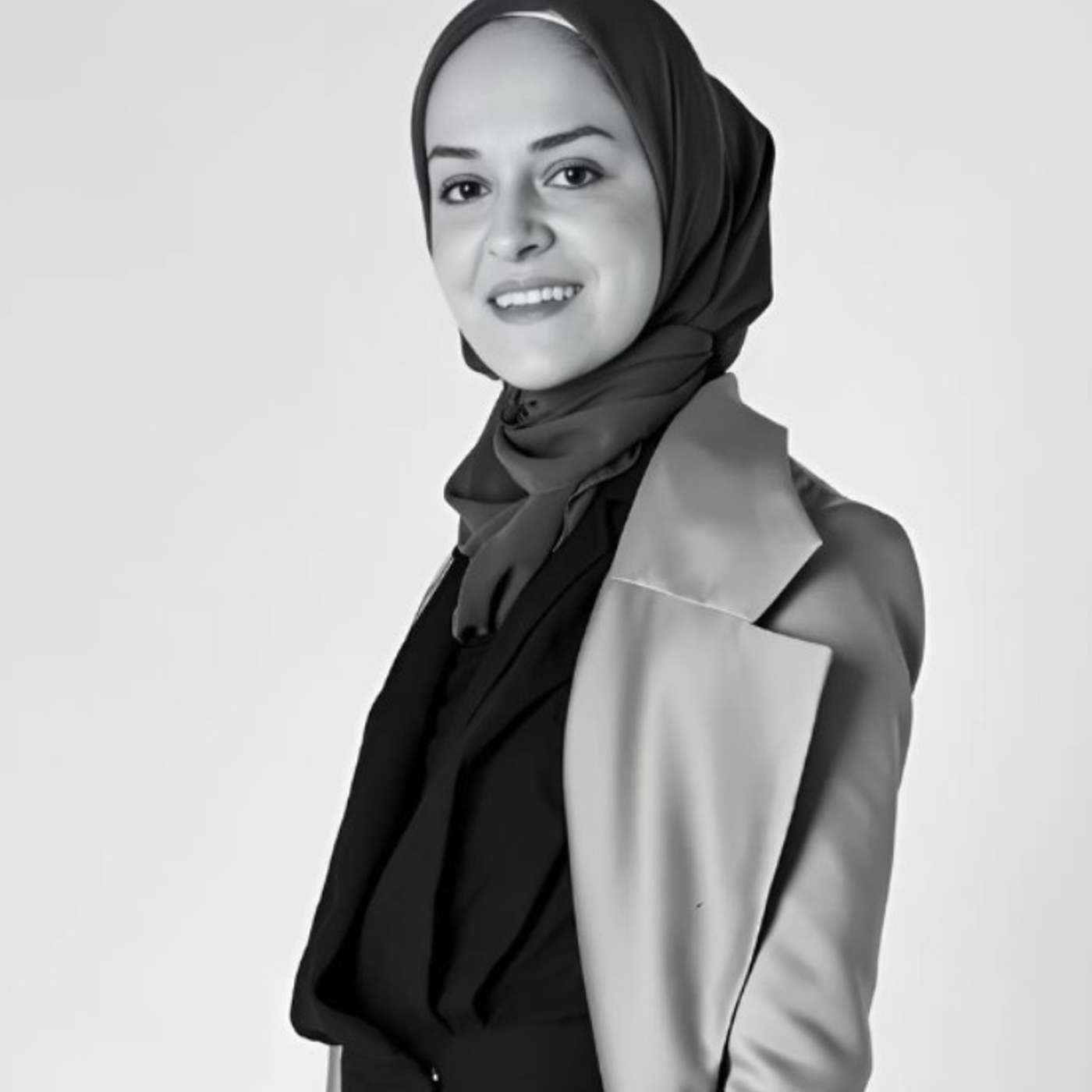
In this episode, Shahd discusses her journey as a fashion designer and humanitarian, focusing on her brand Blue Meets Blue, which empowers refugee women through fashion. She shares insights on the healing power of art therapy, the importance of cultural sensitivity in therapy, and the role of community support in healing trauma. Shahd emphasizes the need for empathy and understanding towards refugees, highlighting the challenges they face and the importance of taking action to support them. The conversation also touches on the significance of children's perspectives on humanitarianism and the impact of social media in raising awareness. Chapters 00:00 Introduction to Blue Meets Blue and Its Mission 02:42 The Intersection of Fashion and Humanitarianism 05:39 The Healing Power of Community and Art Therapy 08:09 Cultural Sensitivity in Therapy for Refugees 10:59 The Role of Community Support in Healing 13:50 Creating Safe Spaces in Group Therapy 16:40 The Evolution of Blue Meets Blue 19:22 The Future of Refugee Women in America 22:10 The Importance of Education and Understanding Refugees 27:41 The Reality of Refugees' Lives 30:54 Empathy and Humanity in Crisis 36:34 Taking Action Against Injustice 42:24 Cultural Understanding and Compassion 47:02 Children's Perspectives on Humanitarianism Blue Meets Blue; https://www.bluemeetsblue.com/pages/about-us Buy Shahds book for kids: https://www.penguinrandomhouse.com/books/782300/a-kids-book-about-humanitarianism-by-shahd-alasaly/
Candice (00:02) and welcome to this week's episode of Open Wounds podcast. Today, my guest is Shahed. She is a fashion designer. She owns a company that helps refugee women, if I understand that correctly, with humanitarian. They teach them to sew and produce fashion products. And then if I understood it correctly, the income is given back to the refugee women that are working in it. It's Blue Meets Blue is the company. So welcome to the podcast, Shahid. Shahd (00:21) Thank you. Thank Thank you so much for having me. Candice (00:39) Thanks for having. ⁓ Yeah, so if you want to share with the listeners and the viewers a little bit about like what made you want to start a fashion brand that was giving back to women that were refugees or were, you know, trying to, as far as I understand it was, is it mostly Syrian women? Is that correct? Shahd (01:02) Yeah, so I am the daughter of Syrian immigrants. so in 2011, there was a civil war that had happened in Syria where people were protesting because they wanted democracy in their country. And there was a dictatorship at the time and a lot of crackdowns, which led to a lot of people becoming refugees leaving Syria because, you know, they were forced out of their homes, whether it was because their homes were bombed and they no longer had homes. the situation was no longer safe. So a lot of people were leaving the country and as a result, we were seeing a lot of people, a lot of refugees coming to the US and obviously a lot of countries around the world. But this hit home for me because my summers, I grew up every year going to Syria where I would see extended family and cousins and grandparents and the country for me was... ⁓ you know, this symbolic representation of identity and belonging and family and reunions and fun and birthdays and, you know, all of the good stuff. So it was ⁓ very devastating to not be able, it's almost like we lost that connection very abruptly, ⁓ and not be able to go back. And at the time I was doing, I had finished up my graduate work in international psychology and I really wanted to find a way to help. ⁓ And I was interested in fashion, so I wanted to kind of bridge this gap between fashion and psychology and do something that somewhat resembled art therapy, but without calling it art therapy. ⁓ So that's kind of where Blue Meets Blue came about. This was 2015 in Chicago. And our tagline is where fashion meets humanitarianism. ⁓ there were so many things that we had wanted to do with this clothing line. We wanted it to be a slow, Fashion clothing line which meant that we were not producing every season We did not have inventory a lot of our items are made to order And this is intentional because we don't we're trying to reduce waste ⁓ And then it's a luxury clothing line So the clothing is more elevated, but it means something to the people that are making it It means something to the people that are purchasing it ⁓ So it's a very intentional sustainable kind of production ⁓ And then I also really wanted to focus on this art therapy bit. A lot of times when we would sit together with these women, ⁓ they would be as they were sewing, as they were using their hands. We know that a lot of trauma healing, you try to do something that is physical so that you can focus on healing through, ⁓ you know, creative arts or whatever exercise. So while they were sewing or beading or doing embroidery, they would have these very difficult conversations, ⁓ but it just felt very natural. And part of it was because everybody in the room kind of went through a similar experience. So they felt like they were talking to, you know, people that understood, they were speaking in their own language, ⁓ and it was just a safe space. So they were able to have these difficult conversations. And very quickly, you saw this healing element as a result, right? This meaning making that ⁓ came because of that. And a lot of times in trauma research, we also know that, for example, when talk therapy is advocated for, and I'm not saying that talk therapy is the only type of therapy, but when talk therapy is advocated for, the point of talk therapy is that you are able to make meaning of the situation that you had been through. If you repeat it enough, if you talk about it enough, you're able to have this coherent timeline of that trauma. You're able to know what the beginning was, the end was, and that signals to your body that you're safe now because you know the beginning and the end and it ended, right? So at some level, this was serving that purpose. And I loved it because I saw the conversations when we had started were a lot more urgent, a lot more, you know, a lot of depression, a lot of stress, a lot of anxiety. And then as we progressed, you know, by year two, there was a lot more, you know, they had settled, kids were in school, they were now making an income where they were able to help their family. So it was a really beautiful, ⁓ you know, evolution of events, if you will. ⁓ And that's a little bit about Bluemate's Blue. So we actually had to stop in 2019. and this was because of a multitude of reasons, but mainly because I was moving to another state, I moved to Florida, and then soon after I had a baby, and then soon after COVID hit. And even though I had wanted to restart in Florida, I was worried about getting people together in the same room, and it just didn't make sense. ⁓ But this year, 2025, ⁓ The Syrian people became free. Syria became a free country. The dictatorship fell, which was amazing. And I was inspired to restart the collection ⁓ because I went to Syria this past summer and I was able to source the fabric from Syria. So it kind of was this full circle moment because now we're using the fabric from Syria and the refugees that are over here are working on the fabric. So it's a really exciting moment for us. And we are relaunching in January. Candice (06:41) It's so exciting. mean, it's really hitting like a nerve on what we're seeing right now with Gaza and Palestine, where you're seeing all these people where I would, mean, honestly, when it first started, I was like, we're gonna have an influx of refugees. We're just gonna have tons of refugees. And then that's not what we're seeing. But it is true, people are losing their sense of connection and identity right into their homeland. ⁓ So I feel like that's another, you brought up a really good point when we're talking about trying to help people who are not English speaking primarily. The largely the therapeutic model is, you know, delivered by Americans who speak English. I think it would be very difficult to find a Syrian speaking therapist in any given country or city in the United States, right? So the fact that you were able to provide like, Shahd (07:06) Yeah. Yeah. Mm-hmm. Mm-hmm. Candice (07:35) a group setting for these women to be able to speak in their own language, feel safe, feel connected. I know that's another thing that's been brought up when we talk about the therapeutic model, that if the therapist and the client don't have some similarities, there's often like a resistance for the client to release and speak freely. You know, they don't feel comfortable talking about things if they don't feel that they don't have something in Shahd (07:37) Thank you. Absolutely. Candice (08:05) common with the therapists they're working with. So I feel like you orchestrated that beautifully in that you were able to provide them the same modality basically but without the structure of traditional therapy. was more like a group therapy. Shahd (08:08) Mm-hmm. Right, yeah, and I love that you're touching on that because a lot of my academic work is about this, ⁓ how do we heal trauma within different societies and different communities? And unfortunately, when people are coming to America, we use this Western therapy model as the gold standard by which all else deviates. And I think that that is really damaging for people that need something else, right? So for a lot of these refugees that I had interviewed, ⁓ when I would talk to them and part of the touch points of coming to the United States is doing things like mental health checkup and cultural orientation and all of these things as integration services. But when we would talk about things like therapy, they would be like, well, I went to one session. It feels like a job. Obviously, it is a job for the therapist. I don't feel like they care about me. We could barely understand each other. And then they gave me suggestions that were not necessarily in line with the way that I would have healed, right? This is not, the way that they approach trauma is very different. We know this with, you know, Native American communities. We know this within the Black community. We know this within the African community, right? Like the way that they approach trauma healing is very different. You have some people that, ⁓ I think it was Native American community and I thought this was really beautiful. And when I was reading about trauma healing different communities, which is they would basically ⁓ do some sort of ceremony where they're throwing the trauma into the river and the river is carrying that trauma away as this kind of closure situation. But the point being that for them it wasn't talk therapy, right? For a lot of the Syrian refugees that I had interviewed, they leaned very heavily on their faith and they were like, you know, the words that they would use, the themes that would come up where this was a test. This was their reliance on God, their understanding that God is ⁓ seeing everything that's happening, that there's this justice from a higher power was very, I think, validating for them. And it was so much more validating than talk therapy would have been. And it was a lot more comforting to them. So I think it's really important that we're able to acknowledge different people's forms and be able to respond in that way because it's a lot more helpful to the, you So that's something that I do heavily ⁓ focus on in my academic research. Candice (10:52) So are you still in academics? Are you still like teaching or writing research papers? Wow. Shahd (10:55) Yeah. Yeah, so I am a sociologist by training ⁓ and I currently teach social psychology at the university in Florida ⁓ and a lot of my research is on collective trauma, social trauma, collective healing within community. I believe that healing happens within community. ⁓ Again, a lot of trauma research shows that the most important thing for somebody who's been through trauma is this validation from somebody else being held, being in a holding space, right? ⁓ And we see this in collective societies as well, where healing happens within family, within community, within prayer spaces, within whatever the holding space is that helps people get through. And we're social beings, right? We weren't really meant to go through this alone. ⁓ So yeah, a lot of the work that I do focuses on that. as it intersects with identity and belonging ⁓ and what it means to belong. Candice (12:01) Yeah, I think that's such a crucial piece that is currently lacking or missing completely from a lot of the therapeutic spaces is the flexibility. Like, just for example, trying to find an EMDR therapist that will work in person where I live, it's very hard. I think there's only one or two in the area and then they become booked up. just as an example, if you can't find an EMDR is widely practiced, it's widely accepted. It's not like a fringe form of therapy. Shahd (12:08) Yeah. ⁓ Mm-hmm. Candice (12:31) So I could see how people may really struggle to find a way in. They may want to get help and they may not to work on healing their depression or their anxiety or their trauma, but they may not be able to connect with the system that exists currently. Do you find that, I know... Shahd (12:48) Mm-hmm. Candice (12:50) ⁓ online groups like Reddit threads or Facebook groups, do you find that people connecting in those groups are benefiting from those type of things? Because I know that it's an easy way for people to tap into others that are having the same experience, but I question whether or not it actually helps or if we're just sitting there complaining together, right? Shahd (13:12) Yeah, I think that's a really good question. And I would say that for a lot of the people that I was working with, they really relied heavily, maybe not so much on Reddit threads and whatnot, but like WhatsApp groups of other people that they had been connecting with ⁓ that had gone through a similar experience. I think it's always really helpful to connect with people that have gone through a similar experience because You get that wisdom from somebody who is potentially past the stage that you are in. And that's why groups like AA groups and ⁓ other kinds of focus groups are helpful because you get to hear from other people, you get their wisdom, and you get to feel like you're not alone. A big part of this is this feeling like, the only person that must be experiencing this. Why is my depression not getting better? Why is my anxiety not getting better? I'm having a hard time finding schools for my kids. Whatever the situation is. There is somebody who has been through it. There is somebody who can help you along and people really benefit from community support. Community support's huge. ⁓ I would say for sure though, depends on who's in that ⁓ group, obviously, because it can go either way. It can be damaging if it's somebody that's not able to hold the space properly. If it's somebody that's not able to hold that vulnerability and bear witness and validate. the experience that you've been through, right? Because it's a lot more damaging for somebody who's been through trauma to be gaslit, right? Or to be told that they potentially didn't experience it in the way that they did, or it couldn't be so bad, or you're so lucky because now you're in America and you're safe. And while the trauma didn't stop when the war ended, the trauma is still going on when these people, you know, came to whatever country they went to and then they faced racism, right? And so it's compounded trauma, exactly. And so it definitely matters ⁓ what group, but... group healing is very powerful. Candice (15:04) Yeah, I think that's the tricky thing, what I've seen with these groups, especially if there isn't a certified trained leader of some type to kind of put some boundaries up around the group to make sure it does maintain a safe space, which obviously you were able to create with your groups. ⁓ So if there's anybody out there listening and they're trying to be a moderator of a group or they're hosting groups, what are some things you would recommend? Shahd (15:29) Yeah. Candice (15:34) foundational things for people who are doing group work to create a space like because that's what I have seen in these groups is that you'll get some really great beautiful things happening and people really connecting and you can tell they're supporting each other. And then five seconds later, it's like, somebody's off the rails and they're shaming each other and they're like minimizing and they're doing all these harmful things. So ⁓ if you want to share since you have such experience with the groups, what people should know if they are joining a group, like if they're seeing Shahd (15:41) in my mind. Yeah. Yeah. Mwah. Mm-hmm. Candice (16:04) red flags, those kinds of things. Shahd (16:07) Yeah, that's, that's, it's always difficult. We're human, right? Like humans make all, you never know what to expect. That's the thing. Like we're all capable. And the thing is, when you do see people that come with trauma, the reality is anything can surface at any time. and, and, understanding that and understanding that some reactions can be obviously a trauma response, help people. So normally when we start any kind of ⁓ group work, we have, just house rules, right? Like that will announce at the beginning, you know, respect, respecting each other's opinions, validating each other's opinions, what things feel good, what things don't feel good, what comment might feel okay, what comment might not feel okay. Because I don't like calling people out ⁓ if they're talking and if they're having a vulnerable moment. So I find it so much more helpful to always lay the ground rules at the very beginning, right? And this is with anything, right? It's when I'm teaching in a class, it's when I'm you know, conducting some sort of leadership exercise. When we start with the ground rules, we're a lot more clear on what the expectations are instead of singling people out and making them feel bad. And then the other thing is because I've seen people responding from a place of hurt, oftentimes I will, you know, it's very obvious to me that some responses that can be harsh, some things that may come up are a trauma response. And we'll sit down and we'll talk about it. ⁓ But I generally have not had these issues, which I'm really grateful for. And I think a big help was going through the ground rules and what to expect and what things I would not be okay with and what things I would, and I say this again, even in my, ⁓ when I'm teaching at the university, because I'm a sociologist and by definition, we're gonna have controversial conversations and not everybody's coming from the same place. And clearly I have a marked identity. And so I tell them at the, at the very beginning, my ground rule is respect. And if I feel like a conversation is getting heated or there's no respect within the conversation, I'm just gonna end the conversation. And that usually helps. Candice (18:14) Yeah, that's great. Those are great tips. think, you know, like you said, what I have seen a lot of times is the person who's upset is a lot projecting their own issues onto the other person. And so if you can automatically go in and be like, you know what, not everything that's going to come at me is actually about me. ⁓ Shahd (18:34) Right. Candice (18:35) so you can Shahd (18:35) Yeah. Candice (18:35) kind of neutralize like, okay, they're having a thing, this isn't really about me and what I just said, it might be about them. But ⁓ yeah, so it sounds like you have made some progress with the group that you originally had and then you moved to Florida and now are the women that you were originally working with still creating the fashion pieces? They're just where they live and you're in Florida and like you're shipping things back and forth or how does that work? Shahd (18:42) Right. So when I had left, ⁓ I tried to keep the line the way that it was and it became really difficult because the point of it was that we were together in a room. The point of it was this art therapy that was happening. And so I was really grateful because three of, so one of them actually ended up moving to a different state. Another woman got a job. ⁓ Another woman retired because she was starting to have issues with her vision. So it just, it really naturally ended, like it was the most, ⁓ And for a full year, I was waiting. ⁓ I even had my husband go to Florida first for a year and I stayed that extra year because I wanted them, I gave them a whole year, right, to be like, okay, this is gonna end and we need to find jobs and we need to move on. And so ⁓ I was really grateful that all of them were able to find different jobs. ⁓ And so the way it ended was very, very natural. Candice (19:57) So the fashion line that you currently have who is producing that and how that how does that work? Shahd (20:03) So I'm also part of a resettlement agency down here in Florida ⁓ and part of their agency is that they have ⁓ this program where they train women to sew. And most of these women, used to sew in their home country, which is why this is, ⁓ it's very in line with what we do at Blue Meets Blue. A big part, and I don't think I touched on this, is that I really wanted these women to feel empowered. because they are working in their skill set, right? A lot of refugees that come to the US, to wherever, their skill set does not translate and it's not even recognized, right? And they're given jobs that, you know, potentially don't need paperwork, they're not getting paid well, all of that. So they're being taken advantage of. ⁓ And so I really wanted to make sure that these women had that prior skill set because it was very empowering. They felt so confident. They felt like they were really excited to share this part of them. and for that to be recognized and validated and ⁓ work is dignity. And so to be able to work in something that you're passionate about and something that you are excited about is really, really helpful. ⁓ So a lot of it ⁓ translated very much seamlessly as I was starting with the resettlement agency here in Florida. ⁓ And so the women that I've been working with, have also been sewing and doing alterations and all kinds of really cool projects on the side. So now that we are relaunching in January, ⁓ they are, I've been working with them for the past four five years on different projects. And now it's going to be this ⁓ seamless transition into blue meets blue. Candice (21:48) Nice, yeah, I did look at the website. The pieces are gorgeous. They're very beautiful. You can tell that ⁓ they're not just like a t-shirt and jeans or whatever that you would buy. They're very unique pieces that you would buy for like a special occasion or a wedding or something. ⁓ And I can, you know, kind of envision like all the hard work that went into making something like that. And I noticed like one of them said like custom order. So Shahd (21:52) Thank you. ⁓ But yeah, no, it's, no. Candice (22:15) Are you guys taking people's measurements? Like are these items very okay? So that's cool. So if somebody wants to purchase it, yeah. Shahd (22:18) Yes. Yeah. exactly. So that line is the old line. The website is going to go through ⁓ under renovation soon. But that collection that's coming out in January is going to be using Syrian brocade, which I'm really excited about. ⁓ And it is also elevated evening where we are known for our A-line skirts because they have pockets in them and they're super exciting. Candice (22:31) you Shahd (22:46) ⁓ And then we have these really beautiful pencil skirts and obviously we're using the same fabric for, but what's cool, like I said, this part of the slow fashion sustainability is that we do not make inventory. And I do want the piece to fit beautifully, right? And so at some level, and our clients have always appreciated this, is that you'll send in your waist measurements and how long you want the skirt based on the heels that you're gonna wear and you get a skirt that's really, you know, fit. to your size and to your measurements and it's not just your small, medium, large. And once the fabric's out, the fabric's out. So it's also pretty exclusive, ⁓ small inventory and we take orders, ⁓ like yeah, made to order. So that's gonna be coming out in January. And this time we're really excited because we're also launching an accessory line. So we also have these beautiful brocade evening clutches that are going to be stunning. And then these Syrian wooden clutches as well. So when I was in Syria this summer, and this was part of what made this ⁓ trip so incredible, is I was able to go to the factory, right? Like there was no middleman, there was none of, and it matters to me that also the factories over there are getting supported because 80 % of the fabric industry got destroyed during the war intentionally. And so there's only one more person that makes brocade over there by hand. And I got to meet him and interview him. And it was such a, such a sad moment because you kind of feel like history is just vanishing in front of your eyes. ⁓ But I'm really excited because this, the, the bracelet, I mean, the, the, the clutches are from there. The, the fabric is from there. And then the fabric's going, the fabric is... Candice (24:29) Yes. Shahd (24:37) it came here and now we're going to be making it ⁓ in Florida. And ⁓ so it's this full circle moment. Candice (24:44) Wow, that's really beautiful. And I know there was a group that I was donating to and following ⁓ that was working with Syrian refugees. And just even a couple months ago, they were still delivering food and water, especially to women who lost their spouse. So they're basically single mothers with children. And it was it's really heartbreaking because you can see the pictures like the buildings are all crumbled and they're having to live in like half your walls missing kind of thing. So I know. Shahd (24:53) Mm. Yeah. Yeah. Candice (25:14) that that's a. one of the things is like when we're talking about helping people, it's not just like, oh, well, they can just go home. Like you said, there's not really a home to go back to or their entire city may be gone or, you know, all those difficult obstacles that they're going to face. So when you're talking about in 2025, there was a change in the political environment. So is there now like a rebuilding? Like, what's the future for these women if they Shahd (25:24) Yeah. Right. Mm-hmm. Mm-hmm. Candice (25:45) wanted to return to Syria or do they plan to stay in America? Like what's their plan? Shahd (25:50) So I think like you said, at some level, a lot of the people that left were people that had no other option, right? They lost their homes, they lost everything that they had, so it's almost like they don't have anything to go back to. And then the war started in 2011 and we're in 2025, so a lot of people, if they had children, let's say 2012, their children, all they know is America, right? This is their home, this is their country. ⁓ or Europe or Germany or whatever, Canada. And so at some level, ⁓ and these people have been either trying to get to a destination country, right? Because oftentimes they're in limbo waiting for the interview process and they're just in holding countries forever within refugee camps. And so then they finally make it, right? ⁓ It's very difficult to then imagine going all the way back to nothing right some people finally got a job They finally got their kids in the school system. They finally were able to like start over It's very difficult. It's very difficult to imagine that journey back home Especially for people who have lost everything and then don't forget a lot of people are going back to trauma, right? They were going back to the last place where the trauma happened and so ⁓ It's not something people want to revisit, right? A lot of people lost all their family. They lost entire generations of family. They've seen their family get killed in front of them. And so, ⁓ you know, that obviously breaks you in a way that ⁓ is very challenging to what it means to go back home. ⁓ And unfortunately, we're still, like you said, seeing this in Gaza. We're seeing this in ⁓ just so many places around the world, and it's absolutely heartbreaking. And I worry about future generations, but I think this is why conversations are so important. I think teaching our children about what it means to be a refugee, teaching them about the journey, teaching them about how to be with your new refugee friends that are gonna be at your school is really important. ⁓ Education matters and talking with people matters. I know when I was working with Blue Meets Blue back in Chicago, again, one of the things was I really wanted to dispel. a lot of these stereotypes that people had about what it meant to be a refugee and refugees coming to our country and living off of our tax dollars. And I'm like, you do understand that within six months they have to pay back the price of the ticket of coming here, right? Like these people are not living off your tax dollars, nor do they want a handout. They actually want to work. And they're doing jobs that most people are not doing. ⁓ So it's very unfortunate. And the thing is what we often fail to realize is most of these people are parents just like us, right? And so one of the women, and I tell this story a lot just because of how simple it is, because I think we just take these things for granted. ⁓ With the second year of working with Blue Meets Blue was starting to make money and she was really excited to now be able to ⁓ send cupcakes for her son's birthday party, ⁓ just like a class celebration. And it wasn't something that she would have done the year before because they really were saving money and you know, they had so many bills and they got to pay rent and they got to figure out ⁓ life, right? This new life. And so she was finally able to do it that year and she was just so excited that her child did not have to feel left out, right? That he was able to participate in something that everybody took for granted and everybody in the class, it's you know, typical, you send cupcakes for your child's birthday. And I was like, my goodness, it's these little moments that these little moments of humanity that we often forget that these are moms that want their children to do well, right? These are parents that they come to America and you ask them, what are your dreams for the future? What do you hope for the future? And they'll tell you, I don't have any dreams for myself. I just want my kids to be okay. I just want a better future for my kids. I want them to be safe. And as parents, I think that's something we can all relate to. I don't care where any of us are from. That is not something that is so far-fetched for us to understand. yeah. Candice (30:01) Yeah, I think you bring up a lot of really good points of what I see now unfolding in the states is this ⁓ with ice and the traumatic stuff that is constantly occurring in front of our eyes ⁓ is that. Like people will say, just go back to where you came from. Like literally what is there to go back to? It's rubble. There's nothing for them to return to most frequently. There's the infrastructure, the water, like the sewage treatment, all those things have been destroyed, right? And so what are they supposed to go back to? I'm trying not to get emotional. Yeah, it's really a happening. Shahd (30:23) Right. 100%. Right. In addition to, and I'm so sorry, no, in addition, I appreciate you bringing that up and I'm gonna try not to get too political because I know you're putting this on YouTube. But in addition to the fact that when I would talk to refugees and they would be like, you know, I never wanted to leave my home, right? Like this isn't a choice that I made where I just woke up one day and I was like, hey, let me get on a boat and try to make it to America and potentially die getting there. But, you know, this sounds like a fun adventure. No, nobody wanted to leave their home. Nobody wanted to watch their family get killed, right? And then you've got a lot of people that will say, if there isn't any interference with our countries, we would not have had to leave. Where else are we going to go? Like, bomb in our countries and there's nothing that we can do. ⁓ So it makes absolutely no sense and it's such ignorance. ⁓ I wrote this book, a kid's book about humanitarianism and Candice (31:20) Yeah, exactly. Shahd (31:31) this call for children to understand what it means to be a humanitarian and ⁓ to parents too. And I think that this is such an important conversation. ⁓ This understanding that to put yourself in somebody else's shoes, right? Like to be deeply empathetic and to deeply think about what it means to have lost your home, what it means to not have a home to go back. What does that even mean? I mean, our kids would not... could not imagine a life where, you know, they had to pack all of their belongings in a backpack and go, right? Like that's not even in the realm of, I couldn't even imagine it, right? And so I think that for adults, probably the message is a lot more important and a lot more timely to return to that empathy, like return to what it means to be a human. We're all sharing this world and this planet together, right? And I think that we have gone so far. ⁓ from what it means to be human. ⁓ The fact that we have debates about, you know, if it's wrong to kill children, the fact that we have debates about that to me is just mind blowing. I don't know how this happened and why we have gone so far, ⁓ you know, from our innate understanding of kindness and it just breaks my heart every day. Candice (32:52) Yeah, I think there's a lot of us struggling right now. Like we feel very helpless. Like it's our government that we give our tax dollars to doing these things. And then we're like, well, how do we stop? What act of protest can I take? Shahd (33:00) Yeah. Candice (33:06) to stop this when it feels like nothing that we do will matter, right? There's a lot of what I hear from people being like, well, there's nothing you do. They're just going to do whatever they do anyway. I don't think that's, like you said, Syria was in a civil war. There was definitely two sides fighting. And we're kind of seeing that fracture happening in the US right now. Or it's a very divisive situation. ⁓ And the other thing. Shahd (33:27) Mm-hmm. Yeah. Candice (33:34) I was thinking as you were talking, it's like, you know, these children, this is all they've ever known. This is their, this is now their home. They are acclimating. They've learned English. You know, they, they're having the same experience in school as the other children. And so to, to read, like, just send them back, it's so, it would be so traumatic all over again, right? Like it's so important. Shahd (33:55) Of course. Yeah. And for them, this is their home. It's like you're picking them up out of the only place that they've they just came to this earth, right? Like this is actually their home. So picking them up and throwing them there, they're like, what? Like I've never been to this place, right? So it's also this very like tone deaf ⁓ comment that I've heard so many times. And I'm just like, I don't understand how people think. Truly. Candice (34:18) Yeah, I agree. And it's, it's just so it's just so frustrating. And so sad for me. And I appreciate that you brought up the the YouTube algorithm possibly, because that was one of the goals that I set out for the podcast this year was to actively become more political and talk more about these things. Because I think it is so important that we not just turn a blind eye to it. have Shahd (34:37) Mmm. I love that. Yeah. Yeah. For now. Candice (34:43) so much privilege currently for now that we can pretend that these things aren't happening and we can look the other way but I don't think it's going to remain that way if we keep putting our head in the sand and if we don't actively say stuff so you know we'll see as I push the limits with YouTube what gets to stay ⁓ Shahd (34:50) Absolutely. Yeah. No. you Yeah, good luck with that. I've heard rumble is like the one that's like, you know, you can talk and say whatever you want on there. So I don't know if you've explored that one. But I want to say that I really appreciate that you are doing that because I'm a sociologist, right? ⁓ In Florida. So obviously take that as you will. With all the... Yeah. Candice (35:19) I know Florida's been like all over the news with DeSantis. Shahd (35:23) ⁓ yeah, exactly. ⁓ And I have been so disappointed with the sociology department because all we've ever talked about, right, before Gaza is oppression and how oppression is awful and how historical genocides have been awful and, you know, from a safe distance, people are very comfortable speaking out, right? But when it's currently happening, ⁓ you have tone deafening silence and it's just like... ⁓ or deafening silence that you're like, I'm so confused because we were just talking about Ukraine. You we were just talking about how things are not okay. But it's been very disappointing as a sociologist and it's made me question everything that I have been doing. Like what is the point of doing this sociological research and talking about this stuff just so that we can what, like record it for the archives? I'm confused. And then for people within my department to not you know, one, ⁓ not speak, two, not teach, right? And we are being almost ⁓ asked, like, what's in your syllabus? This is not freedom of speech, right? How are we gonna give our students critical thinking skills if we're not even going to be talking about what's happening and we're gonna be afraid of being, and we are being silenced, right? And that to me is, and then for people that come from the Middle East, that is offensive, right? Candice (36:42) Yes. Yeah. Shahd (36:47) And I've had people that I've interviewed that, you know, they've been so, like this concept of social media too, and these echo chambers and these, they feel like their pain has been turned into content at some level. And it's like the Middle East is suffering, people are suffering, and it's almost like it's something for people to consume. And there's this cognitive dissonance that starts happening when you're doom scrolling on social media and you get your first, you know, video of, ⁓ you know, some guy making spaghetti and the next video of like a cute. cat video, and then people getting pulled out from under the rubble. And then you move on. And our brains were not meant to handle that. I don't think we were meant to, it becomes this very flat experience, right? And studies have shown, like, okay, if you go to a wedding, you'll experience full joy, right? If you go to a funeral, you experience full grief. Here, it's just becoming this flattened experience where you're numb to it. So you've got these kids too, which, I just don't know how they're handling. But you've got these like fake empaths that are walking around that think they're empathetic, but then are they really? And they're just consuming, doom scrolling this social media content and they've just become numb to it. They've become numb to the suffering of people. Because it's just like quick, quick turn, turn. And so, you know, the people that are over there are like, well, we just feel like our pain is content and it's so dehumanizing. Candice (38:11) It's true, I think. Because and I've heard a lot of people talk about this in this space. It's like how do you process what we are observing? Like we are literally observing a genocide and what what our brains literally can't like you said, it's like kitty cat video genocide and it's like Your brain starts to be like I literally will start crying and I'm like, well now I have to take care of my kid I can't be watching people die in front of me. Well, I have to live my life and it becomes this thing of like how do you Shahd (38:30) Right. Yeah. Candice (38:43) how do you process it? And then I think the biggest thing for us Americans who have citizenship and can risk getting arrested is that we do something about it. We take meaning out of it. Like you said at the very beginning, you take this experience and you make meaning out of it. Not that. Shahd (38:56) Yeah. Candice (39:02) poor them, this is so sad. But what are you going to do with that? Like, are you going to email your senator, call your congressman? Are you going to protest? Are you going to donate to somebody who's giving food in Gaza? Like, what is it that you want to do with your pain and make it have meaning? I think that's so important right now because it is all too easy for us to just keep scrolling and feel like, well, that's not here. There's nothing I can do. ⁓ Shahd (39:12) Great. Yeah. Yeah. Yeah. Exactly. Right. Candice (39:32) And I think the Islamophobia on the other side is becoming like at a fever pitch. I'm seeing stuff that I feel like this is fully insane. I cannot believe that these people are posting these kinds of things. ⁓ And there's there's like this underlying fear of like, if if we allow these people to live in our society, we'll the scales will tip and suddenly our whole society will be ⁓ Islamic. Right. And I'm like, that's Shahd (39:55) Mm. Candice (40:02) obviously not going to happen. It's just there's a lot of fear that's being fed to people in the media and by politicians and by these right-wing talking heads too. And so it feels very like I get so angry about it every single day. And I'm like, what am I supposed to do with this anger? Like, what is it that I can personally do today and every day moving forward? Shahd (40:04) Mm-hmm. Yeah. Yeah. Mm-hmm. Candice (40:27) to make an actual change because you're making an actual change by helping the people that are here and giving them skills and helping them acclimate and you know have an income and income is so huge. We were watching that show Moe on Netflix where it's like if you don't have your papers you can't get a real job so what do you how are you supposed to live like yeah you get to come here it's like I don't have money for gas in my car kind of thing. Shahd (40:48) Right, it's a vicious cycle. Yeah, yeah. Candice (40:53) So, know, if you, you know, aside from purchasing your beautiful clothing or things like that, do you have, you know, recommendations for people who are just like, what do I do in this situation to help somebody, but also to like make a change, you know? Shahd (41:05) Yeah. ⁓ So first of all, I want to appreciate everything that you just said. think it is so important that I think people don't understand how powerful their voice is, right? And people are afraid to speak out. the thing is, ⁓ I think that shows, you know, ⁓ what we are afraid of losing, right? A lot of people are afraid to lose a job. People are afraid to lose their lives. Like, you know, you've got this ⁓ very like opposite ends of ⁓ And so I think for the people who like yourself that are like, listen, I'm American, I'm a citizen, I'm not afraid to speak out. ⁓ I try to decolonize my syllabus when I can. I try to still, I'm like, I'm still gonna talk about it. What are they gonna do, fire me? Okay, like at the end of the day, and these are my people, and ⁓ I would do this for anybody's people because I'm human. I think. returning to our humanity is number one and really, really remembering and putting yourself in people's shoes. If this was happening to you and in your country and to your children, wouldn't you want people to talk? Wouldn't you want people to stand up for you? Wouldn't you want people on the other side of the world to protest? What have we been teaching our children about all the greats in history, right? All the greats. You know, we talk about Malcolm X and we talk about Madeline, we talk about and, and, and, and we talk about all the things that they did, right? All of them stood up for and they stood up for humanity and they stood up for, you know, collective healing and all of these things. And now that we have that opportunity, I mean, this meme has been posted so many times, ⁓ you know, you always talk about what you would have done if you were alive during the Holocaust. You're doing it now, right? And I think that people need to, first of all, step back and be, you know, let's ask ourselves, is it we don't care about them because they're different than us? We don't care about them because we don't care about their humanity? We don't care about them because we don't want them to succeed or is it because we're so comfortable because we don't want to lose our job? Whatever the situation is, just this understanding that if this was happening to me, how would I want the world to respond? If this was happening to my child, how would I want the world to respond? ⁓ That's number one. Number two, I think we again have a lot of these, what really ⁓ bothers me and I think people need to ask themselves. Am I posting this, reposting to feel better about myself because I want to repost because that's the only thing that I can do and I feel like I'm doing something? Okay, awesome, repost, right? If that's the only thing you can do, repost. If the only thing you can do is have a difficult conversation at the Thanksgiving table, do that with a family member. Conversation matters, but you've got a lot of people that will repost and be like, okay, I did my thing, I'm good, I've done it, right? or people that will treat it like a campaign almost, like, okay, how many likes can I get and how many shares can I get and how many reshares can I get? And that is where I think a lot of these Middle Eastern people feel like their lives have been put out as almost like it's been reduced to clips, right? ⁓ And these are full humans, these are people with lives and joy and memory and pain and suffering and it's not, you know. So it feels dehumanizing at some level when it's like, okay, let's find a way that we can engage our audience. ⁓ And people see that, people understand that. But just kind of trying to not be tone deaf in the world that we live in, right? You still have influencers that will go out and be like, get ready with me. And I'm like, what are we getting ready for here? Like people are, you probably have people that are living in Gaza right now that are following your. your feed and you're sitting here posting lavish spa retreats and what are we doing here? So I think there's a lot that we can do collectively and just kind of going back to that kindness and that humanity that we all have ⁓ and just putting ourselves in people's shoes and thinking about what we would want for them to do if we were going through the same thing. Candice (45:06) Yeah, yeah, especially because I think people don't often think of like, especially if you're listening to any form of like standard media outlets where they're demonizing immigrants and demonizing refugees and those kinds of things. But most of the time, like you said, these are single women. These are mothers. They have children. They aren't just coming here because it's a fun time and I just want to go be an American. They didn't want to leave where they were at. Shahd (45:19) Yeah. Yeah. Candice (45:35) and now they're forced to and you know obviously like you said they're not just coming to America they're going to Germany or they're going to other countries that are taking in people and so having that compassion and that empathy I think, you know, is going to go a long way. ⁓ you know, unfortunately, my community, don't have like a large influx, we have Micronesians and people coming from the Marshall Islands, because the US blew them up, and we tainted their water and ruined their land. And so now they come here. But yeah, the compassion and empathy, and kind of giving them a beat. This was a conversation I had with someone who I do not. Shahd (45:51) Yeah. Yeah. Yeah. Candice (46:15) agree with them politically and they're like, they're not acclimating and that I was like, give them a minute, like give them a minute. It takes a while to learn another language. Like just thinking about like the road rules, the lights, the green, red, yellow light. That's not the same in every country. Yes, it's it's a huge. Yeah, it's a huge transition. Shahd (46:22) Yeah. Yeah. Yeah. It's a culture shock. It's a culture shock. It's a full culture shock. And I love that you said that because a lot of people also don't realize that it is a trauma response. People coming from a different country, right, wanting to hold on to their identity and their culture when they have already lost so much. They've lost their home. They've lost family members. They've lost everything that they've ever known. And now they're being asked to speak English because they're in America, right? or now they're being asked to assimilate and it's like, what's wrong with me and my identity that I have to shed parts so that you can accept me, right? ⁓ That's a form of oppression and it's a form of, and people don't realize that it is a trauma response because in a place that is so foreign, I want to hang on to what little bit I have left, which is my language, my food. my music, right? I want my kids to speak my language because they're going to lose that language and then the next generation, they're not even going to be able to speak that language, right? And people don't, I mean, again, I don't understand when people lost that humanity. I really don't. Candice (47:38) We see that with the Hawaiian culture because when they were colonized and were invaded and the state was taken over, ⁓ the language was banned. And now we see a resurgence where there's Hawaiian, ⁓ there's charter schools that teach specifically all the language, all the, whatever, I'm blanking out. Shahd (47:57) Yeah. Candice (47:59) the textbooks and everything Hawaiian. It's all taught in Hawaiian. And so that's what happens when we erase it. There's a pop back up generations later of like, why was this taken from me? And we see this with the Native Americans too. Everything was stripped from them in their own land. so, you know, like, Shahd (48:04) Thanks. or yeah. Of course. Boarding schools, language, all of it, of course. Candice (48:22) So, like you said, having that ounce of compassion, am like one of the things that I am grateful for technology is the translate feature now where you have your phone and you don't understand what they're saying, click the translate and you can help them or to them in whatever way you can, especially if they're struggling because I feel like how... Shahd (48:31) Yeah. Yeah. Candice (48:45) How traumatic would that be just to be, even if you weren't a refugee, just to go somewhere and you don't know how to communicate with people, you don't know how to ask for things. Shahd (48:52) I went to France and I wanted to cry. was like, I, and you know, like I don't speak French, right? And I, and everything there, the train system, everything, and I'm just like, I feel so lost, right? And I feel, I mean, we are used to English being prevalent everywhere and this is part of this entitled, like, ha, ⁓ speak English, right? It should be available everywhere. It's a world language. And I'm just sitting there going, I don't know where to go. I don't know. you know, right from left here and it was so disorienting. again, I, and I give this example in my class all the time where I'm like, imagine being someone that came to a new country that doesn't speak the language, that doesn't understand. I mean, you go into a supermarket and a lot of the, you know, we take them groceries shopping a couple of times because the amount, the plethora of items that we have in a grocery store is just so overwhelming, right? For, these families that are coming from a different country that have different items that use different produce and different things and and it's it's ⁓ Candice (49:56) or even being able to just find the things they're looking for. They may only be looking for a handful of things and does the story even carry it? Like maybe that's where it doesn't. And so, yeah, I think there's so much compassion and empathy we could have for people that are not like us. And instead of other being like, ⁓ they're weird or I don't like that or I don't, I'm afraid that their culture is gonna override my culture. And that is not the case we see most of the times with people. Shahd (50:02) Great. Sure. Yeah. Yeah. Candice (50:24) ⁓ with refugees coming into other countries. ⁓ But yeah, I know we're almost out of time. I know your website is, I think it's Blue Meets Blue. Is that what I Googled and then it came up? Shahd (50:29) Yeah. blue meets blue dot com. Yup. And Instagram, blue meets blue. That's the best place to connect with me. yeah. Candice (50:44) And your children's book, where could people purchase that if they wanted to? Shahd (50:48) So it's called A Kid's Book About Humanitarianism and that is available online where books are sold, Barnes and Noble, Target, and then I recommend for any parents, educators, librarians to visit the A Kid's Book About website. ⁓ The founder, Jelani Memry, started in 2019 in response to the George Floyd incident or what happened, the murder. And he started, his first book was a kid's book about racism. After that, another person wrote a kid's book about systemic racism. And he had partnered with people in different industries to write these books because children are ready to have these conversations. Not only are they ready, they're probably more ready than adults are, right? Because children understand. So my book, a kid's book about humanitarianism. ⁓ I feel like children understand it very instinctively, right? Like kids don't make things complicated the way we do as adults because they don't have politics and they don't have that exposure to the awful things that happen. And so, they see a kid crying, it's instinctive. I go, I give the kid a hug. I ask if you're okay, I share my lollipop. It's not that difficult, right? We complicate things. So ⁓ what I like with my book to reframe what a humanitarian is and I... I want them to know that they can be a humanitarian at any age. You don't have to be old. You don't have to be powerful. You don't have to be super wealthy. You don't have to work for a great NGO. You don't have to do medical missions abroad. You can be a humanitarian just by standing up against a bully in school or by making blessing bags and passing them out to the houseless on traffic stops. so ⁓ those books, I recommend them to any educator or parent, a huge collection. So many topics. There's a kids book about bullying, about oppression, about divorce, about war. ⁓ So on their website is ⁓ akidsbookabout.com. Candice (52:37) Well, thank you, Sirheed, for coming on today. I appreciate you sharing your information. I had no idea that you were such a wealth of knowledge. I thought it was just a fashion brand when we first started talking, so we got to dive into some fun rabbit holes. ⁓ thank you so much, and thank everybody for listening. And have a great week, and we'll see you back next time. Shahd (52:50) ⁓ Thanks for having me.