
Oceanside Sanctuary · Oceanside Sanctuary
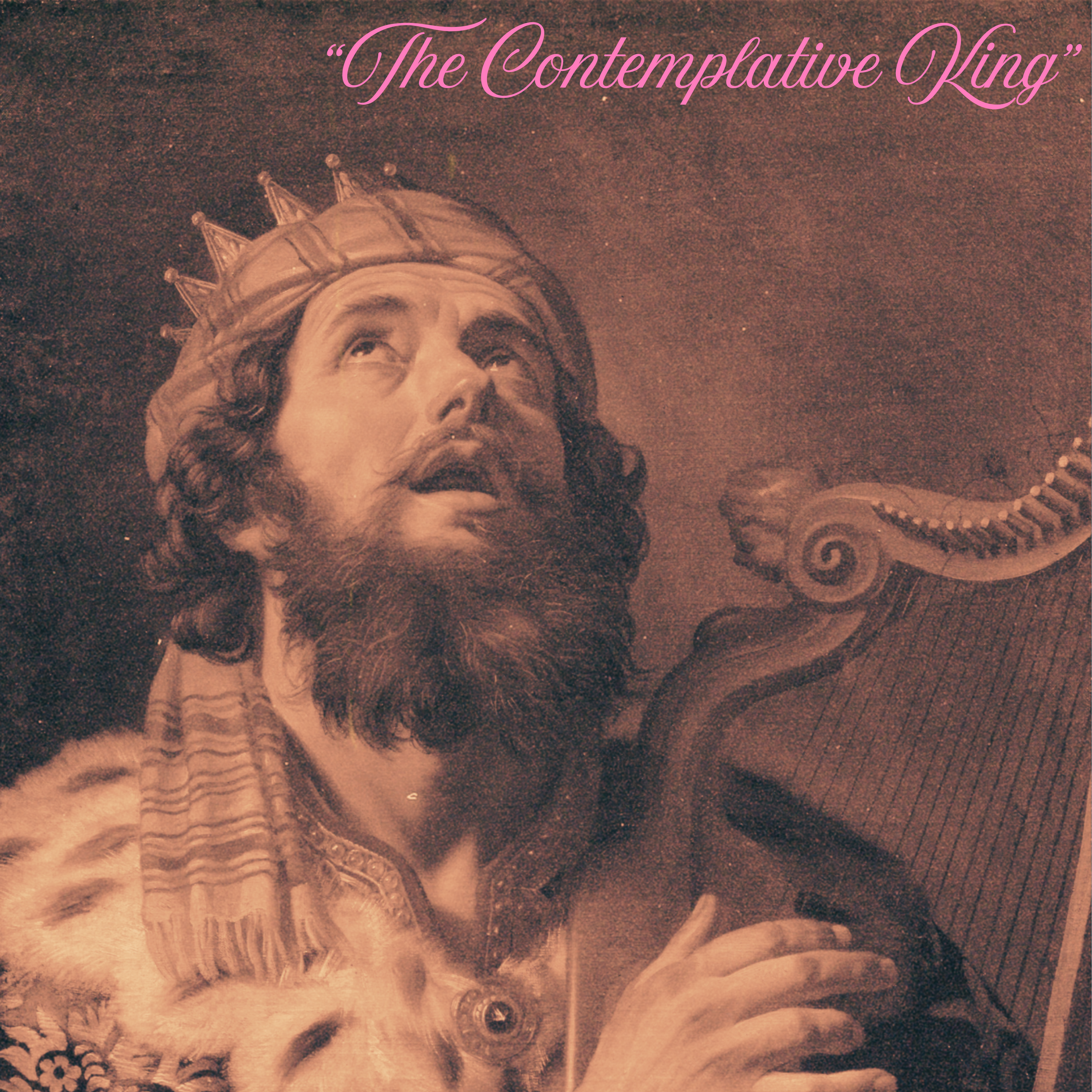
In this episode of the sermon podcast from Oceanside Sanctuary, Pastor Jason Coker continues the series “After God’s Own Heart,” exploring the life of David and asking what it really means for someone to be called a person “after God’s own heart.” The sermon centers on Psalm 131 and the story of David sparing King Saul when he had the opportunity to kill him. Rather than taking Saul's life and claiming the throne he had been promised, David chooses mercy. The question is: How did David learn to resist his immediate desires and choose a different path? Psalm 131 offers a glimpse into David's inner life. David describes learning to calm and quiet his soul “like a weaned child with its mother.” Pastor Jason explores this powerful image as a picture of learning that we don't have to receive everything we want immediately in order to be okay. The sermon explores the relationship between desire, ambition, self-awareness, emotional maturity, and spiritual formation. Through the imagery of the child, the mother, and the poet, David is able to observe his own desires from a distance. That distance gives him the ability to recognize, understand, and manage those desires rather than being controlled by them. Jason then considers the role of contemplative practices—poetry, music, storytelling, gardening, building, painting, and other creative practices—as ways of creating space to better understand ourselves and our relationship with God. These practices, he suggests, can all become forms of prayer. Ultimately, this sermon challenges us to consider that prayer isn't simply asking God for what we want. Prayer can also be the practice of creating space to understand who we are, who God is, and how we can become people who exercise power and influence responsibly. Scripture: Psalm 131; 1 Samuel 24 Series: After God's Own Heart Speaker: Jason Coker Church: Oceanside Sanctuary Reflection Questions: What desires tend to control you? How can you create enough distance from your desires to observe them rather than immediately act on them? What contemplative or creative practices help you understand yourself and God? Where might God be teaching you that you can experience discomfort and still be okay? Chapters (00:00:00) - Collective Table (00:01:09) - David Was a Man After God's Own Heart (00:02:44) - Psalm 131 (00:04:39) - Grandkids and the TV (00:12:47) - David's Desires in Psalm 131 (00:22:04) - Grandchildren and the Weaning Baby (00:25:55) - How God Works: The Trinity (00:27:29) - Creative Practices to Create Imaginal Distance
0:00Foreign.
0:08Welcome to the Collective Table where we celebrate the intersections of Jesus, justice and joy.
0:15This podcast is brought to you by Oceanside Sanctuary Church. Each week we bring our listeners a recording of our weekly Sunday teaching at Oceanside Sanctuary, which ties Scripture into the larger conversations happening in our community, congregation and even the podcast. So we're glad your here and thanks for listening.
0:41Good morning. For those of you who don't know, my name is Jason. I'm one of the co lead pastors here and this is our adult teaching time. Otherwise every time I get up here. Otherwise known as story time about the grandkids.
0:54So two two grandkids stories for the price of one. Today I just want to give you a heads up that you're going to hear one, but the fun's over. Later you're going to hear another grandkids story. So just preparing you for that.
1:09But before we do that, why don't we jump into our text. We are teaching through a series called After God's Own Heart where we're asking the question from the Hebrew Bible and from the Psalms, what did it mean for David? King David, in the story of the Hebrew tradition to be a man quote after God's own heart. That's a phrase that's used both in the Hebrew Bible and in the Christian New Testament.
1:35And Janelle and I have noticed, Janelle brought this up to me several weeks ago, that that phrase often gets employed to gloss over a whole host of character problems in the lives of Christian leaders. And I don't know if you've noticed, but Christian leaders, especially of the male variety, have a tendency to act in ways that are extraordinarily harmful and destructive. And when they do, it feels like in church spaces we often just sweep that under the rug. And sometimes we say, oh well, you they were a man after God's own heart. Meaning that whatever quality in their heart resonates with God's character excuses all kinds of terrible behavior. So we've been sort of exploring the life of David and asking ourselves, what does this mean that David was a man after God's own heart? Last week, Janelle shared with you the story of David and Goliath tackled that story and today we to share with you a story that jumps into the immediate aftermath of the David and Goliath story.
2:40But we're really going to center our text today in the Psalms. So one of the things we've been doing, if you haven't been here, is pairing a story from David's life and narrative with a psalm to see if there's something about that psalm that reveals something about David's inner life that's helpful to us.
2:57So today we're going to take a look at Psalm 131. We're going to put it up on the screen. You don't have a Bible with you.
3:04And that text is very short. It's very short psalm, and it says this.
3:10Oh, Lord, my heart is not lifted up.
3:14My eyes are not raised too high.
3:18I do not occupy myself with things too great and too marvelous for me.
3:24But I have calmed and quieted my soul like a weaned child with its mother. My soul is like the weaned child that is with me.
3:36Though Israel hope in the Lord from this time on and forevermore. I want to share with you what I'm taking from this text and how I think it helps illuminate some of David's story. But first, I'm going to ask you to pray with me.