
Next Africa · Bloomberg
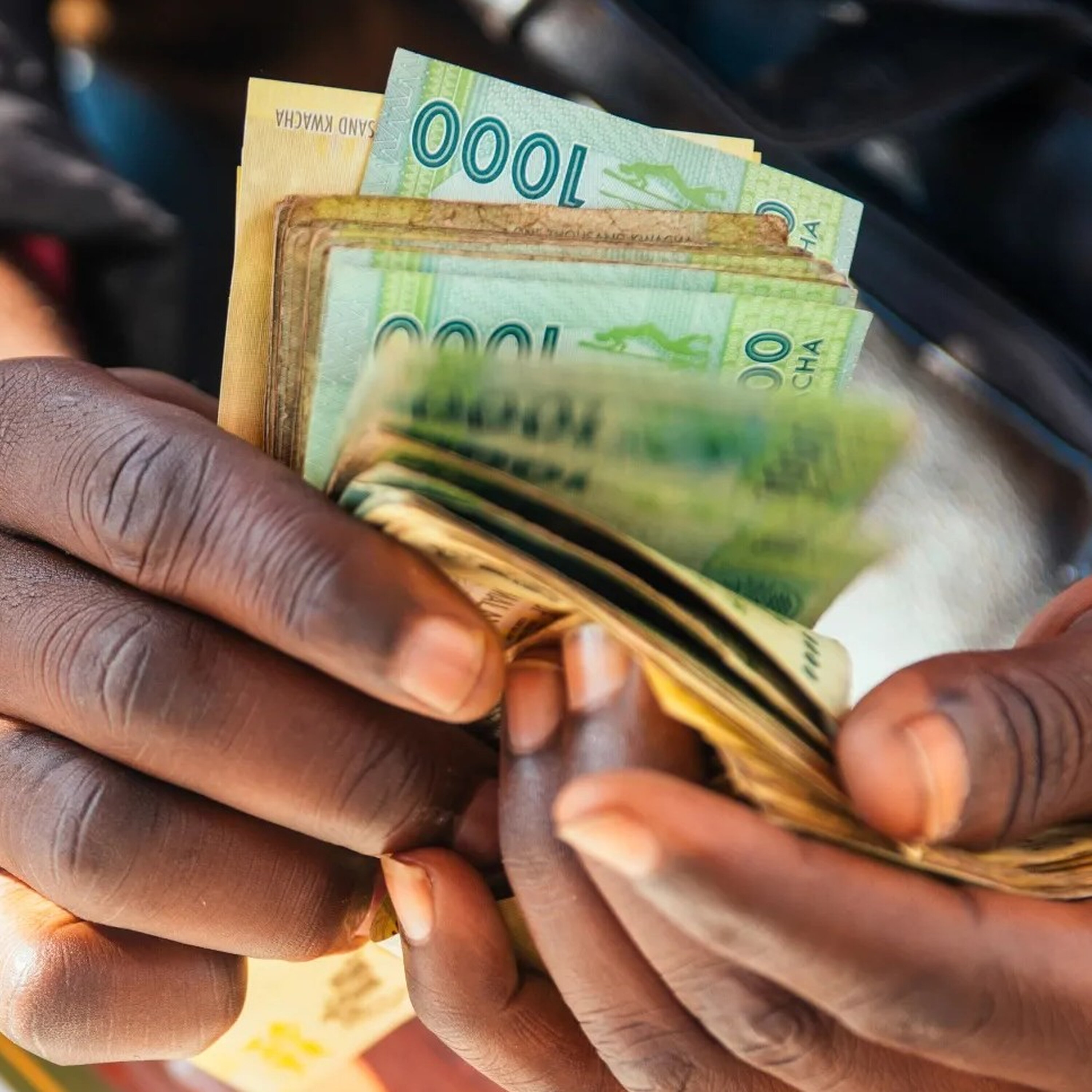
A $200 million project in Malawi, one of the world’s poorest countries, is testing a radically simple approach to aid: giving about $700 directly to as many as 230,000 adults and letting them decide how best to spend it. The hope is that recipients will use the money to start businesses, invest in farms and generate economic activity, providing evidence that direct cash payments can help communities become more self-reliant and reduce their dependence on aid. On this week’s Next Africa podcast, Bloomberg’s Antony Sguazzin discusses what he found when he visited the project in Malawi, how researchers will determine whether it’s working, and whether similar programs could be replicated in other impoverished countries. For more stories from the region, subscribe to the Next Africa newsletter.
0:02Speaker 1Bloomberg Audio Studios.
0:04Speaker 2Podcasts. Radio. News.
0:09Speaker 1Aid has long been seen as a top-down process, with
0:12Speaker 1governments and charities funding projects and services, which in turn
0:17Speaker 1help the people who might need them. But as aid
0:19Speaker 1programs get cut across the continent, some are arguing for
0:23Speaker 1a different way to help, giving money directly to those
0:28Speaker 1who need it. The first thing I will do It's
0:31Speaker 1buy iron sheets for my house. Then if there is
0:34Speaker 1any money left, I'll start a business.
0:36Speaker 2I've got a business in Usupa.
0:38Speaker 1In Malawi, a $ 198 million program of direct cash transfers
0:44Speaker 1is giving 1.2 million kwacha, or almost 700 US dollars,
0:49Speaker 1to 230,000 people in two districts of the country. And
0:53Speaker 1they say it seems to be working.