
New Thinking for a New World · Tällberg Foundation
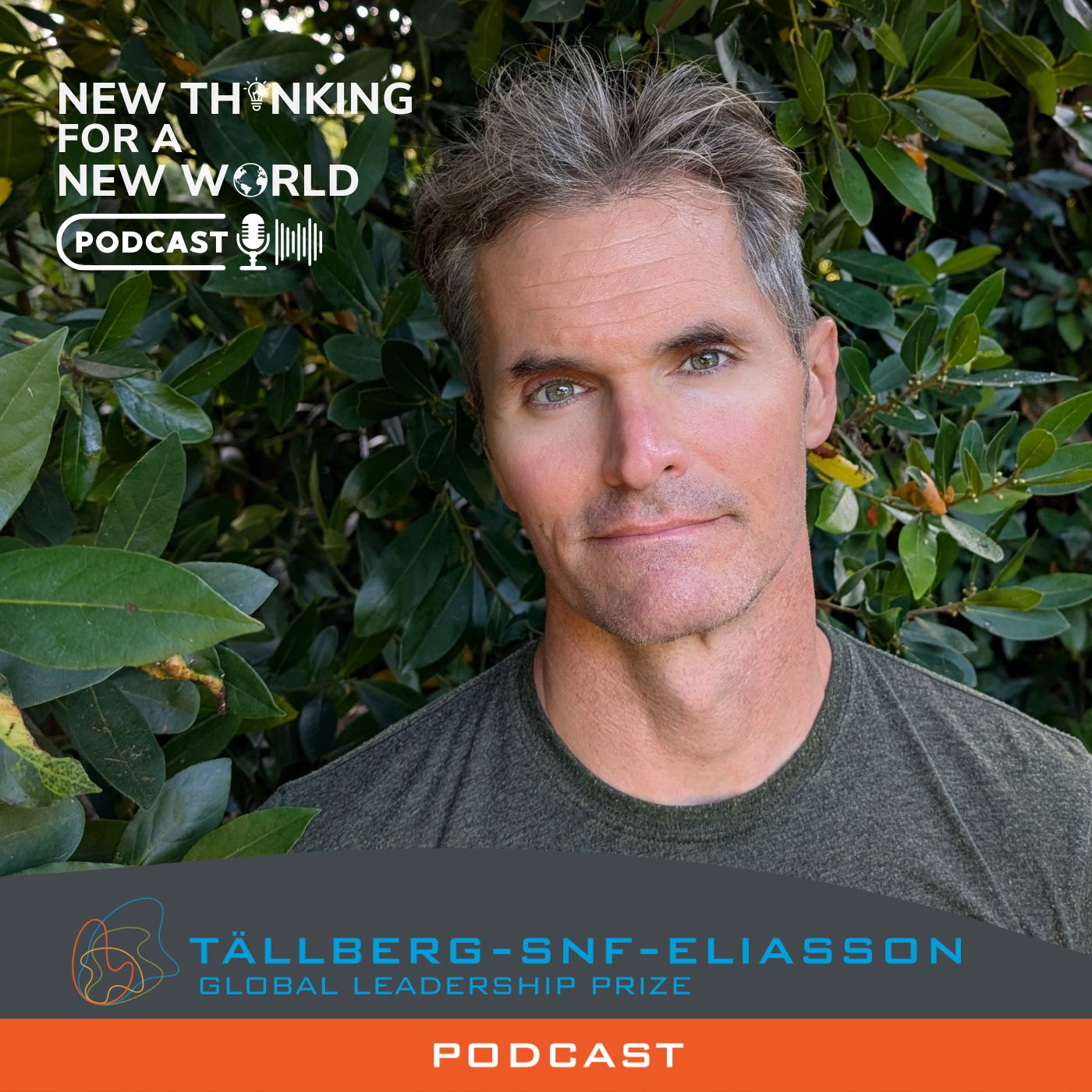
Climate change is accelerating, but reliable information about what is really happening on the ground is still far too rare. Rhett Ayers Butler—founder of Mongabay and a 2025 Tällberg-SNF-Eliasson Global Leadership Prize winner—has built one of the world’s most trusted platforms for independent environmental journalism. In this episode, he explains why empowering communities with accurate reporting, elevating local and Indigenous voices, and grounding public debate in science are essential to driving meaningful environmental action. His work shows how journalism, done right, can inform, inspire, and help protect both people and the planet.
0:02Speaker 1: Welcome to New Thinking for a New World, a Tilburg Foundation podcast.
0:06Speaker 1: I am Alan Stoga, your host.
0:09Speaker 1: Each week I bring you conversations with people who think differently about the great issues that are shaping our world.
0:15Speaker 1: Geopolitics, disruptive tech, mass migration, the changing climate, culture wars, all of it is grist for our mill.
0:24Speaker 1: I hope you enjoy listening.
0:26Speaker 1: I also hope you will let me know what you think.
0:28Speaker 1: and that you join the conversation at telbergfoundation.org.
0:33Speaker 1: And now for today's episode of New Thinking for a New World.
0:40Speaker 1: By almost every objective indicator, the process of dramatic climate change grinds on.
0:47Speaker 1: However, the optimists are currently making a big deal out of the notion that warming might top out between two point five and three degrees Celsius over pre-industrial levels compared to earlier higher scenarios.
0:59Speaker 1: And Bill Gates now assures us that it is poverty, not climate change, that is potentially catastrophic.
1:06Speaker 1: Color me not reassured.
1:08Speaker 1: When it comes to the environment, what people around the world need is reliable fact-based information about how the places in which they live are actually changing.
1:17Speaker 1: They need to be empowered with accessible science, and the voices and knowledge of those directly impacted by environmental change amplified in ways that might actually produce positive outcomes.
1:30Speaker 1: Thank God for something called Mongo Bay.