
Nature and the Nation · Dylan John
In this episode I look at the connections and distinctions between Aquinas and Aristotle in Ernest Fortin's essay Aquinas. I focus on the four cardinal virtues and the different between natural law and human law.
0:25Speaker 1Hello, America. My name is Dylan John and you are
0:28Speaker 1listening to Nature and the Nation. For today's episode, I
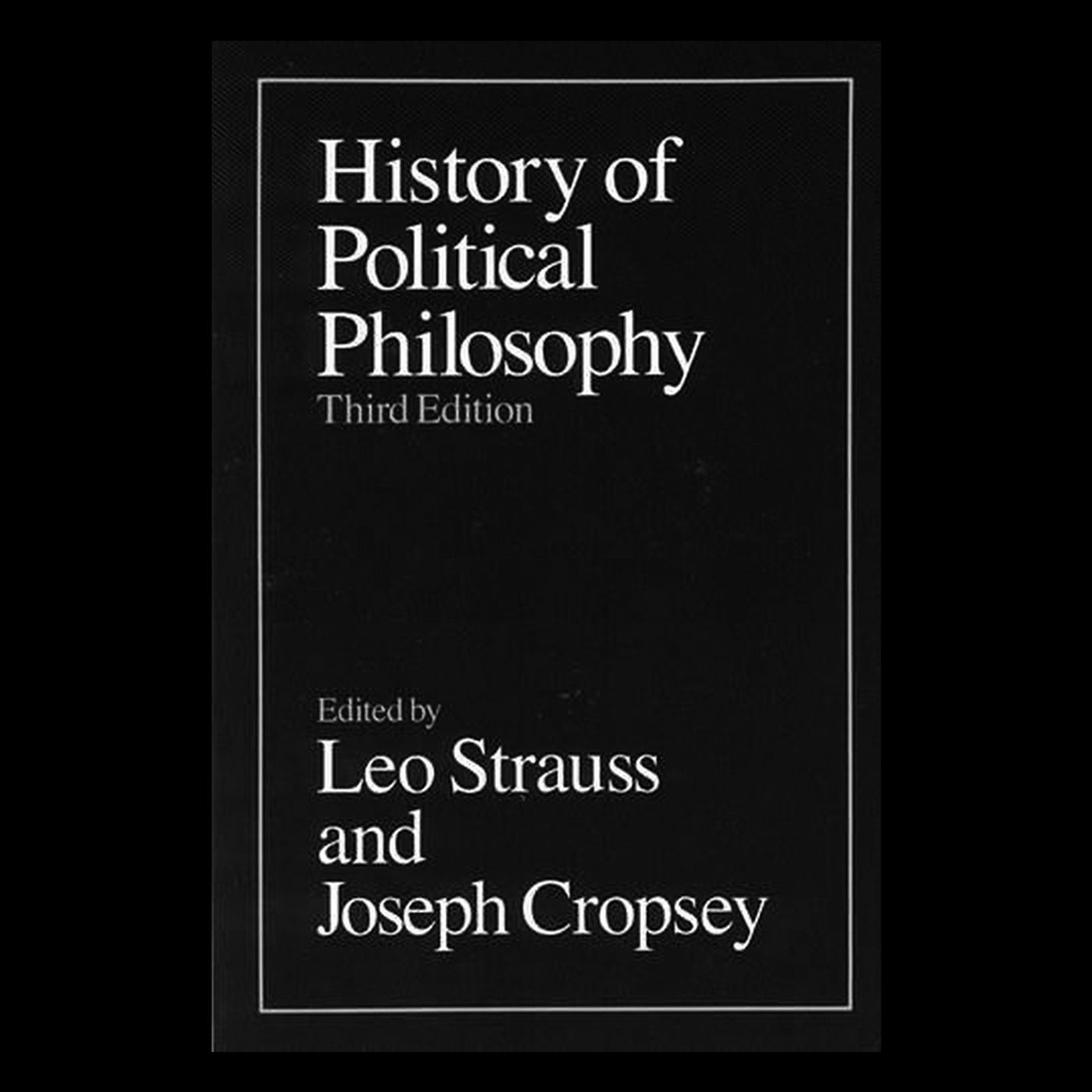
0:32Speaker 1will be returning to The Wonderful History of Political Philosophy,
0:38Speaker 1third Edition, edited by Leo Strauss and Joseph Cropsey. I
0:42Speaker 1have drawn from this book repeatedly, and I will in
0:45Speaker 1all likelihood continue to do so. Today I want to
0:48Speaker 1look at Aquinas Thomas Aquinas. This is an essay written
0:55Speaker 1by Ernest L. Forton, who is the same author who
1:00Speaker 1wrote the Augustine Essay. This book is just a collection
1:05Speaker 1of essays by various people discussing various political philosophers throughout
1:12Speaker 1the years. It's really fantastic actually for helping to understand
1:19Speaker 1the history of well the history of political philosophy. You
1:22Speaker 1can't really do much better than this book if you
1:25Speaker 1want to understand this stuff. So I'm going to jump
1:29Speaker 1in here, like all my episodes, read a few sections.