
Mythologizing the Bible · A Humanistic look at religious texts
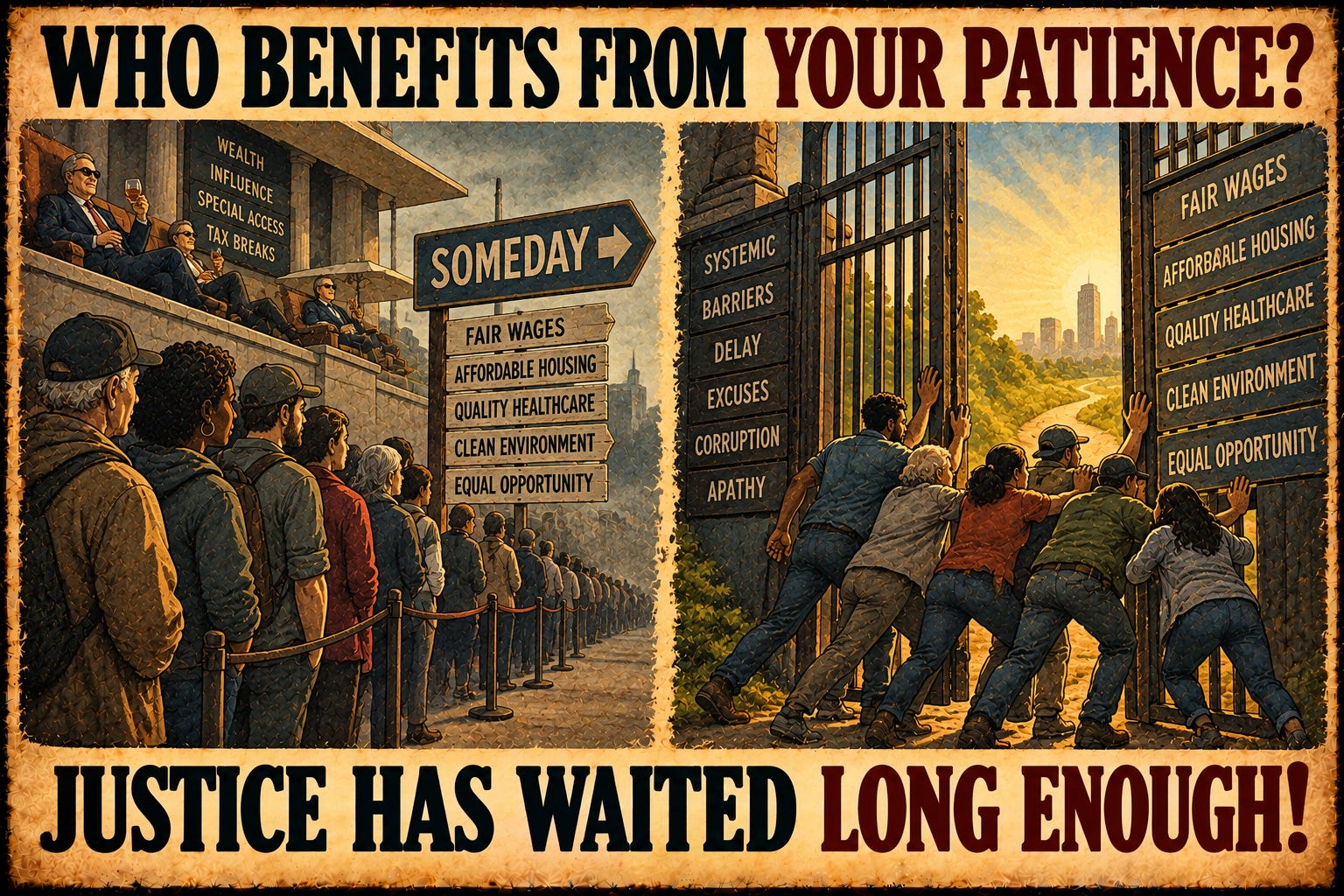
Hope can inspire resistance… or excuse delay. What happens when our belief in a better tomorrow keeps us from confronting injustice today? There’s something incredibly powerful about telling people who are suffering, “This isn’t the end of your story.” Your circumstances can change. The people hurting you don’t get the final word. The world can become something better than it is today. Whether that promise comes from Revelation, a political movement, or our faith in human progress, hope can give people the courage to survive circumstances that might otherwise overwhelm them. But there’s a troubling flip side to that promise. What happens when “things will get better” becomes a reason to tolerate things that shouldn’t be tolerated? When “justice will come” becomes an excuse for postponing justice? And before those of us who don’t believe in heaven get too smug and comfy, we might want to examine some of our own promises about the future. Because maybe the danger isn’t believing in a better world to come. Maybe the danger is allowing that belief to relieve us of our responsibility for building that better world! So, let’s dive into that… in this episode of Afterthoughts! CODA Project is a reader-supported publication. To receive new posts and support my work, consider becoming a free or paid subscriber. Get full access to CODA Project at www.thecodaproject.com/subscribe
0:00[music]
0:10SPEAKER_00What if one of our greatest sources of hope can also become an excuse for doing nothing?
0:18SPEAKER_00Religious traditions have long promised that suffering will eventually end
0:24SPEAKER_00and justice will prevail,
0:27SPEAKER_00but secular people We have our own version of that promise too.
0:31SPEAKER_00So maybe the real question isn't whether we believe in heaven.
0:36SPEAKER_00Maybe it's whether our hope for a better tomorrow gives us the courage
0:41SPEAKER_00to change today or gives us permission to keep waiting.
0:48SPEAKER_00Welcome to another bonus edition of the MTV Podcast,
0:51SPEAKER_00a segment of the weekly episode that I call Afterthoughts.
0:55SPEAKER_00This is my favorite part of these weekly presentations because it gives me a chance
0:59SPEAKER_00to dig a little deeper into something that came up during the main episode.
1:04[music]
1:10SPEAKER_00Look, there's something incredibly powerful about telling people who are suffering,
1:15SPEAKER_00this isn't the end of your story.