
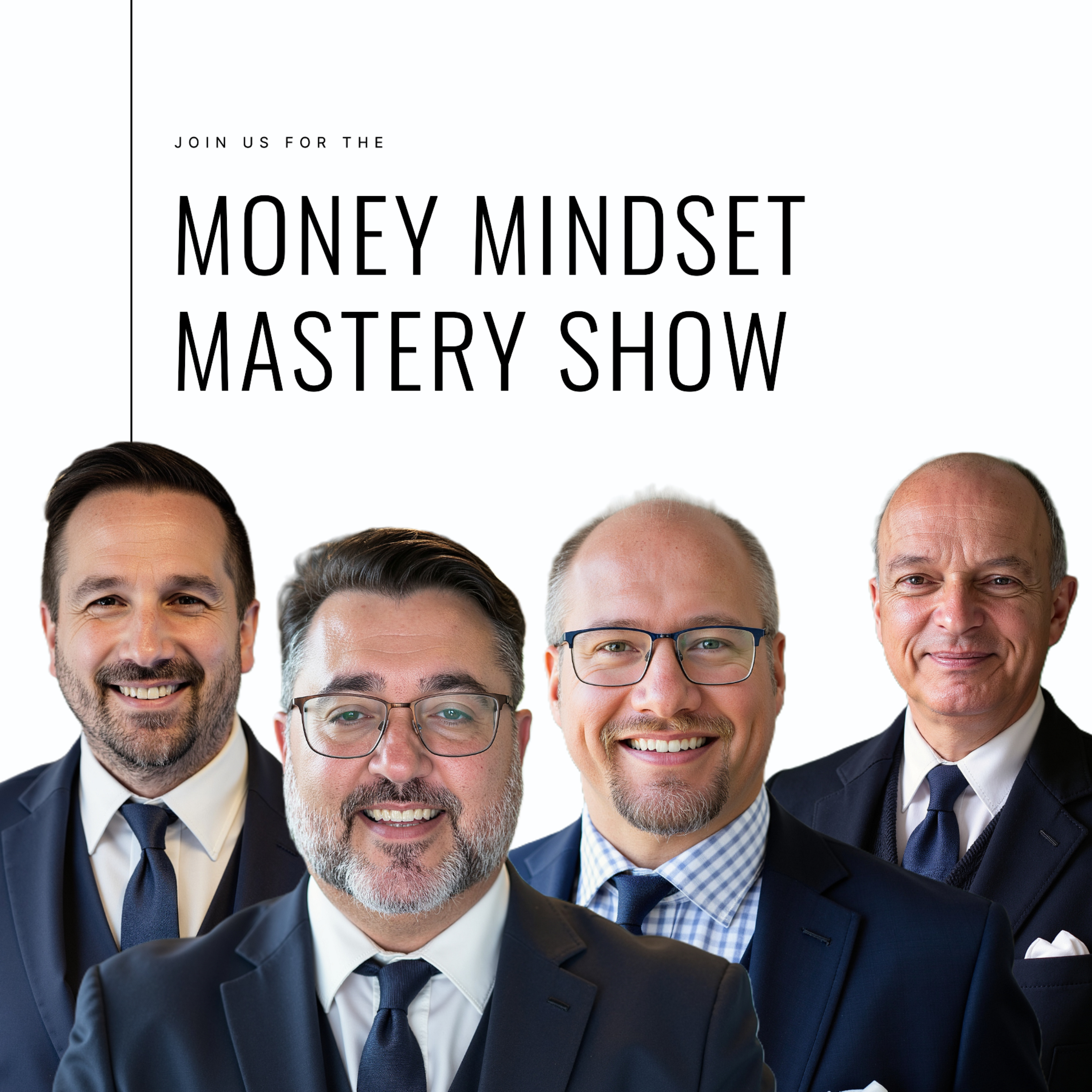
Money Mindset Mastery: Personal Finance and Wealth Building · TvH Financial, including Jim Lao, Ryan Genoe, Denis Bisson and Eric Petersen
The conversation with Kyle from New Look Dental covers the company's background, investment thesis, and operational strategies. It delves into the dental industry's unique characteristics, the concept of dental roll-ups, and the impact of the Canadian Dental Care Plan (CDCP). The discussion also explores the value creation process, the importance of clustering, and the balance between operational improvements and multiple growth. Additionally, it addresses the human side of the business, focusing on patient care and the dentist's experience. The conversation covers the challenges of integrating a new clinic, the role of New Look in clinic integration, the impact of technology, the risks and returns of investing in dental practices, and the unique value proposition of New Look Dental. Takeaways Dental industry's recession resilience Value creation through operational improvements and multiple growth Clinic integration challenges Role of New Look in clinic integration Impact of technology in dental practices Risks and returns of investing in dental practices Unique value proposition of New Look Dental Chapters 00:00 Balancing Efficiency and Patient Care 38:37 Risks and Returns of Investing in Dental Practices 46:33 Impact of Technology in Dental Practices 52:07 Unique Value Proposition of New Look Dental
Eric Petersen: Well, welcome to the Money Mindset Mastery Show. Today, I'm excited to introduce you to Kyle from New Look Dental. I'll also introduce Jim ⁓ and Ryan, are usually with us. Jim's usually our host. Today, I get to sit in his chair But Kyle, I want introduce Kyle. ⁓ The reason we brought on is ⁓ he works with New and they have a dental fund that has some really interesting aspects that bring diversity to portfolios. So today we want to talk about how an everyday trip to the dentist connects to private equity, to passive income, and to the growth of an entire healthcare platform. So Kyle, welcome. Kyle Sinden: Yeah, thank you very much. really appreciate you guys having me. I'm excited ⁓ the conversation today. Eric Petersen: Yeah, well, just to kind of give a bit of background on New Look, New Look has 35 clinics. I was actually just corrected because I had 33 in my notes, but they're growing so quickly. It's hard to keep track of 35 clinics, over 83000 patients, 175 dental professionals and 185 operatories. Again, that's May 2025. So how has that process been? to get to that point, Kyle, and how long have you been with New Look? Kyle Sinden: Yeah, absolutely. So joined New Look ⁓ three and a half years ⁓ You know, I came from a finance background. did ⁓ university degree in finance and economics. I was in the industry for a couple years, learned about private markets actually at the old firm that I was at. You know, learned about New Look Capital and I thought, you know, kind of what you were talking about, right? The different aspects that ⁓ New really has and the funds ⁓ that sell here. ⁓ And found it very interesting. I come from a background of, you know, my dad, ⁓ he's owned, you know, a family business his entire life. It's a third-generation family business and it really resonated with me and kind of what New Look Capital does. So that's how I got into into New Look. yeah, very very excited to be here and I think ⁓ a lot of opportunity in the market ⁓ New Look plays in, right? It's a very niche space. We're really specialists at the end of the day. And think ⁓ that's what a lot of people are looking for. You know, kind of that that specialty that they can incorporate into their portfolios. Not necessarily the ⁓ the general stuff that they see all over the place. So we're providing that kind of unique spin on private equity markets. Jim Lao: Hey Kyle, I know a lot of people probably haven't heard of New Look, maybe provide a bit of background on New Look Capital, who they are, when they've started and what they do. Eric Petersen: I Kyle Sinden: Yeah, absolutely. So New Look Capital started, you know, officially back in 2016, but the partners at New Look, you know, they've always been owners, operators of businesses So 2013 was really when we started kind of the thesis of New Look and then it grew into the actual funds that you see today starting in 2016. So we're actually in our 10 year anniversary, I guess you could call it. And our specialty really is, again, being special. in a certain niche. for us we do recession resilient type portfolios and we buy regulated know code mandated type businesses on the industrial side ⁓ then we do very specialized healthcare which obviously we're going to talk about today on the dental side. So those are kind of the two focuses the two niches that NULA Capital is ⁓ in that's really kind of the ballpark that we plan. Eric Petersen: I want to just take a quick minute to highlight the industrial and infrastructure fund future coming up. So stay tuned. That one will be coming. as interesting as the dental fund. to kind of continue on that, my next question was going to be, can you tell us what New Look does in one or two sentences? And I do think you did it there in three. What's something about the dental business that would surprise a typical patient sitting in the chair? Kyle Sinden: Yeah, I think, you know, some of that might surprise people. It might not though. You know, there's a lot of dentists that really, they want to be business owners. And I you know, maybe people don't even really realize when they're sitting in the dental chair that these dentists are in fact, a lot of them are the owners of the clinic. ⁓ And I that's, you know, part of the reason we went into the dental space and what we really built the model around was, ⁓ hey, these went to dental school. They want to be dentists. They don't want to be business owners and operators. And that's really where we come in, right? Like we've built a great head office team that can kind of take over the management of the clinic. I think, ⁓ know, I know for me when I was younger, I never really thought about the dentist actually being the one owning and running the business itself. ⁓ I think that's really where our models really come from. ⁓ Eric Petersen: I want to us about what a dental roll up is. A lot of people hear term, especially in private equity. Some people understand it, some don't. So ⁓ let's kind of stop and explain your dental roll up, explain New Look is trying to do with dental roll up and ⁓ kind of your long term plan with that. Kyle Sinden: For sure. Yeah. So from our perspective, again, like generally speaking, a roll up strategy is you're taking a fragmented market, you know, you're buying up these businesses or for us dental clinics and you're amalgamate them into one platform. You know, you're buying at multiples of EBITDA at the single clinic level. ⁓ when you have an integrated platform of call it again, 35, 50, 75 clinics or businesses, ⁓ can sell that entire roll up strategy ⁓ a much higher multiple because you've done the work of amalgamating them. you know, kind of integrating these platforms, creating synergies, efficiencies, etc, and scaling the businesses. ⁓ that's a roll up strategy. ⁓ You you see it across multiple verticals, multiple sectors, Canada, US, all over the world, really. But for us, the essence of it really the opportunity that we saw in the market. We lagged a lot behind kind of the other developed nations, and we saw that this market was extremely fragmented. It's healthcare, it's very interesting, the margins are great, know it's recession resilient, it fits in that model for New Look Capital and why we really kind of jumped on the idea and ⁓ on opportunity and now we are, ⁓ call the fourth, fifth largest DSO, dental service organization in all of Canada. Eric Petersen: Yeah, make some good points there. And I do have my follow up question ⁓ When we're looking at opportunities to in front of our clients, there's always the market, there's always the business model. But I think the key thing that ⁓ always stands out as one of the most or if not the most important is people. Talk to us about New Look's expertise in the private equity side and then you bridge the private equity experience with the dental experience to be able to do this well? Kyle Sinden: Yeah, so it's a great question. you know, speaking with Abbas, our CIO the other day, actually, he's very adamant about us as New Look kind of moving away from this whole, you know, we're a private equity firm, we're a private equity firm. mean, definitionally, we absolutely are. But at the end of the day, we're business builders. And I think that's really what we're trying to project out to the market is, you know, we take these great opportunities, these specialized sectors, and we build these businesses that You know these operators don't know how to take it to the next level and that's where we come in and that's where our expertise comes in and that's from our entire you know partner group right so we've got a bass has a long You know history of kind of taking businesses to the next level working with family offices know being on the investment side over the past call it 30 ish We've got ⁓ Elroy he started he's ⁓ you a serial entrepreneur You could call it a serial business builder ⁓ whether on the real estate side, whether it's on the industrial side. So again, going from that, it's all the same type of principles. When you're looking at taking a business down to its roots and then really building it up from there, it's no different dental versus industrial versus real estate. ⁓ It's the same type of concepts. And specifically we got into dental was we partnered with Dr. Sam. First of all, dental fit the New Look model very well, right? Recession resilient, ⁓ recurring cash ⁓ We love types of things. specialized within the healthcare space. Once those boxes were ticked, we found a partner, Dr. Sam. Again, he is the specialist on the dental side. 15 years as a dental surgeon, 10 years in mergers and acquisitions on the dental side. We bought our first six practices from Dr. Sam and he has built our entire team into experts. So we've been doing this now for, call it eight, nine years, just on the dental side specifically. But it's really the same principles from industrial to dental to whatever type of business we're doing, we follow the same kind of process. Jim Lao: And Kyle, can I ask a question? Because I've heard recession resistant a couple of times so far. explain why dental are recession resistant. Kyle Sinden: For sure. as a caveat, Jan, I'm gonna use the word ⁓ just to make sure ⁓ my compliance... ⁓ Jim Lao: Brazilian, okay. Sorry, I used the wrong word. I apologize. Yeah. Kyle Sinden: That's okay. That's okay. But yeah, think look a lot of it comes from the highly insurance based nature of the business, right? There's a lot like if you're employed in Canada, you have most likely private insurance that covers, know, getting those hygiene those appointments done on a regular basis The hygiene side is very recurring So if you look historically and you look at recessions that have happened back in 2008-2009 You can actually see that, you know people take a step back on doing the side for your teeth and things like that ⁓ The hygiene really doesn't falter. It kind of maintains. So just looking historically, it's been very recession resilient. The insurance based nature of the business creates recession resilience. Canadians have a very high dental IQ. You know, ⁓ we're of those nations where we really care about our oral health. You know, a very educated population and I think that's, you know, really plays into that. ⁓ So there's number of factors that go into it, but that's, you know, I would say some of the big ticket items. ⁓ We've also the CDCP, which is the Canadian dental care plan. So for those who aren't on the private insurance side, now we have a whole group of uninsured Canadians that are able to access dental care. So you know that's another reason it's kind of recession resilient, kind of another padding for the dental sector as a whole. Eric Petersen: Yeah, actually that that leads, Jim, you're kind of stealing some of my The CDCP is coming up on the next one. No, no, no, that's It's ⁓ question and timely. ⁓ we step into that realm, though, I do have one more question. Why the the dental market so fragmented in Canada Why is that opportunity Jim Lao: Sorry. Kyle Sinden: Yeah, it's a good question and I would be, you know, more or less speculating as to the fragmentation and the reason for it. we lag in pretty much all markets behind the US, right? A lot of capital flows through the US and they're kind of the first mover in lot of these roll up type strategies or anything in the investment world. So because that, know, Canada tends to have a bit tighter regulations. ⁓ So the colleges across Canada, obviously, are the ones that kind of control the feed guide and everything like that. So ⁓ higher regulation in Canada versus the US and maybe some of the other developed markets, a lot more capital flowing through, a little bit more entrepreneurial the US is. ⁓ if you're, ⁓ our perspective at least, we see so much more deal flow, obviously on the industrial side, ⁓ the US than Canada. And think that's kind of true, know, whatever market you're kind of looking at here in Canada, I think that's really contributed ⁓ to fact that the consolidation is happening later. But, ⁓ you we really do lag kind of those other developed nations and we're starting to pick up steam now. Eric Petersen: Yeah, if I remember correctly when I first met New Look, you know, like eight, nine years ago, the stat in Canada was about 3 % consolidation. And now I think you guys ⁓ that it's around 9%. What is it in US, UK, Australia where these have been happening for longer than here? Kyle Sinden: Yeah, so we're between kind of 25 to 40 percent in consolidation between the U.S., the U.K. and Australia. So as you can see, you know, we need to kind of just double, triple the side or the consolidation just to catch up to these other developed nations. Eric Petersen: Yeah, it is interesting to see how far behind we kind of think developed nations are all generally close to the same. But when you start getting into nuance, you can see there's significant differences there. ⁓ So of moving on now towards the the the why dental, you know, kind of want to find out more about New Look's investment thesis around this. And I want to highlight that, like dental industry revenues are around ⁓ just shy 20 billion growing. Kyle Sinden: for sure. Eric Petersen: 2.6 % annually from 2012 to 2022, ⁓ 16,000 clinics in Canada, and again, only 9 % owned by these roll-up or these consolidation style things. you step back and look at healthcare, like pharmacies, optometry, vets, why does dental stand out above those other ones? Kyle Sinden: Yeah, I think a big part of it is the reason we just talked about, right? The opportunity and the lack of consolidation in the market. think that's number one. know, some other big factors are, ⁓ a right? If you're trying to create a fund around a business, you need to know is that business scalable? Is there an exit opportunity? ⁓ And us, dental really seemed to fit that mold. We looked at every other vertical possible and there wasn't that same scalability. ⁓ And the where there was that scalability, ⁓ an example, vet clinics, the multiples that you're paying at an individual level are far too high to kind of make a go of it at a fund level. So when I think when we were looking at vet clinics, you know, you're looking at ⁓ definitely double digit kind of teen type multiples. Whereas for us, we're buying dental clinics between five to seven times EBITDA. So when you're looking at actually building up a fund and creating value for your investors, you need to find something where you can get that multiple expansion and you're not overpaying at the individual clinical level. So I think those are kind of two big reasons as to why dental versus some of these other healthcare verticals that we looked at. Eric Petersen: Interesting. Yeah. And when you consider to the CDCP, the dental plan from the federal government, you know, you don't have that for your pets. ⁓ as much as people will still pay for veterinary service, it does seem like there's a lot more, whether it's a health and dental plan at work or some other ⁓ other plan. It's a lot easier to spend on dental than it is to spend on those other platforms, at least from what I've seen. Kyle Sinden: Yep. Eric Petersen: So how big of a deal is this CDCP to what you guys do? Did you see a change in revenues? Kyle Sinden: Yeah, it's a great question. So kind of throughout. as the government was rolling this out, we weren't really sure what the impact was going to be. We kind of figured it would be minimal, either negative or positive. But ⁓ us, ⁓ adding a lot of traffic that again, otherwise be there, as you can see, just kind of based on the figures that you were you were talking about earlier. But we don't really see it as we see it as a tailwind for sure. But I don't it affecting it ⁓ or affecting the ⁓ as a whole a lot, to honest, right? think what it really allows us to do is be more comfortable as we're kind of approaching these volatile times these recessionary type environments ⁓ have this backstop now at the CDCP if ⁓ starts to skyrocket and you have people who don't necessarily have that private insurance ⁓ can hop on you know, the CDCP plan There's there's now this new avenue for people to continue to get dental care ⁓ I think that's just one more layer You know for us ⁓ to have to worry about, ⁓ you declining revenues or declining EBIT or anything like that. So I think it's absolutely a positive for us. You know, I don't see this pushing us, you know, far above revenue and EBITDA targets that we've already seen. I think we're going to continue status quo and it just adds that layer of for us. Eric Petersen: Interesting. know ⁓ federal plans can sometimes complicate and sometimes they can be a So it's interesting to hear how you see it affecting it. So this is a bit of a question that leads us our next topic, but it's still relevant with how this investment is being managed by you guys. How do you deal with succession of dentists? So you buy a practice. Maybe that dentist wants to keep working. Maybe they want to retire. are the options you generally see and how does Nula handle that? Kyle Sinden: Yeah, so for us what we look for is dentists wanting to stay on a minimum of six months and what that allows us to do is they're able to introduce kind of our the new dentist, the new associate dentist to 90 % of the patients that are going to go through the clinic because again for the hygiene side you're normally going once, twice, three, four times a year. in a six month period you're going to get most of your patients introduced to the new dentist. But it's funny, know, talking to the deal team when they're having conversations about buying a dentist. A lot of times the dentist will say look I really want to retire ⁓ then you know You talk to them for a little bit and it's all sudden. No, you know, I just want to slow down I work I want to work two three days a week ⁓ ⁓ think a big part of what we do ⁓ don't throw LOIs out to the wall and see what sticks we really get to know we have very specified targets ⁓ when we really get to know those dentists ⁓ really understand what they want to do. So we have some dentists want to stay on six months. They're out They're ⁓ ready to retire. ⁓ have some that just want to take step back, work four days a week, three days a week, and then we bring in an associate to kind of fill the gap there. But we see all different types and we're really flexible in how we do our deal structures based on what that dentist wants. So it's very dependent on the dentist. We see a lot of different types of deals that we're doing. And then a lot of times we have this earn-out attach. We want to make sure that the dentist is maintaining that revenue of the clinic. and so we obviously attach an earn out to that. So yeah, I would say it really varies, is kind of my answer to that ⁓ you know once you get to talk to the dentist sometimes it changes from what they originally told you to what you guys end up working out. Eric Petersen: It's really interesting that you mentioned that because like a lot of my clients who have retired few of them will say, ⁓ yeah, no, Eric, I'm not going to do anything. I just want to sit on a beach and relax. And I talked to him six months later. They're like, ⁓ I'm pulling my hair out. I'm so bored. I've got three new consulting gigs. I'm helping this company like they they love what they do. ⁓ And think that being a dentist is probably one of the more intimate client patient relationships. Kyle Sinden: Yeah Eric Petersen: I think it would be hard for some of them really do enjoy what they do to walk away completely. But ⁓ I like that there's an element of progression that brings some stake in the game, So ⁓ buying the clinics. What is it that you guys look for when you're looking at a clinic? What has to be true for it to get past the first hurdle? Kyle Sinden: Yeah, so, and it's really evolved over time, right? So we're at this point now where we're buying larger clinics, whereas before just starting out and kind of building out the platform, ⁓ ⁓ what we wanted, but we definitely made some mistakes along the way of exactly what we wanted to buy. ⁓ right now, ⁓ of our baseline of what we're looking for is ⁓ dollars in production. ⁓ looking for four or more operatories or ⁓ chairs, which is the ⁓ of same thing there. a strong hygiene side like that's really our bread and butter that's where that recurring revenue comes from that's where that recession resilience piece comes from we look for you know kind of 30 to 35 percent of the overall revenue of the clinic coming from hygiene ⁓ very important to us long-term leases that's another one we don't actually buy any of the real estate associated with the dental clinics ⁓ so want these long-term leases in place it's a headache to deal with landlords obviously as everyone who's listening to this podcast will be well where we just we don't want to have that right we want to be negotiating all of these ⁓ these all the time so we like to have those in place kind of as we're purchasing these and for us a key piece what we're doing is ⁓ buying in clusters right so we've a cluster in Mississauga cluster in downtown Toronto ⁓ so good location us like that is paramount absolutely Eric Petersen: when dentists are exiting, how do you structure the deals? Tell us they fully exit and when they decide stick around, say they stick around for ⁓ five or 10 still, do they still have skin in the game or do they just now contract essentially? Kyle Sinden: ⁓ Yeah, so kind of like I said earlier, it really does depend on how long the dentist wants to stick around. So minimum for us is six months. That way we can introduce them obviously to all of the patients within the clinic. But we've had dentists that have said, look, I only want to stick around for six months a year and they're still with us five, six years later. So it really, yeah, right. It's like, and I think it's a testament to the team that we've built here and kind of the model that we have, right? A lot of, there's other private equity groups within Eric Petersen: Interesting. Kyle Sinden: this type of space and you know there's certain horror stories that dentists will hear about you know other private equity coming in and I think once they realize that we're here to partner with the dentist and the dental clinic they get very comfortable with it ⁓ they really like the model and then they kind of continue to grow with us ⁓ you ⁓ we do see all kinds right six months up to five six seven years and how it's structured is we're buying out a hundred percent of the clinic but we're keeping them on a revenue share agreement and that keeps us aligned with the dentist, with the investors and everything right. We don't put that there's no salary involved it's the production that the dentist brings in they get paid approximately 45 % of that production. Eric Petersen: Interesting. Yeah. obviously really matters who you become partners with then. How do you assess whether a dentist owner is a good fit or not? ⁓ Or would cause you to select out, ⁓ say, we're not interested in that because of certain attributes that may exist. Kyle Sinden: Yeah. We've been doing this for a while and I think it's been a learning experience to kind of understand what, who you want to partner with. We spend a lot of time with the dentists ahead of actually signing anything, right? So you get a really good sense of the business that they built, the way that they treat their employees, et cetera. And I think really getting into kind of the relationship side of the business, you can understand pretty quickly whether someone is someone you want to work with or not. I think ⁓ our full team, ⁓ you know whether that's dental look head office whether that's a bass and Sean at the new look head office you know they're the ones that are actually speaking with these dentists doing the on-site due diligence ⁓ when they're doing that ⁓ can very quickly understand whether is someone that can fit into a team environment whether this is someone that you'd want to work with personally so I it's become very much of a you know, a feel type thing for New Look, right? It's a lot less about numbers, a lot less about certain like that. And it's a lot more about how do you interact with that person. Eric Petersen: Yeah, it's interesting again, going back to our very beginning conversation about how people are often the biggest factor in what makes a investment good, whether it's their expertise, the culture in the organization. interesting to hear how you guys assess that. So now ⁓ I to move a little bit more into how you guys create value. You purchase these practices. you buy it, where do you find the easiest initial few wins in the first year to two years? Kyle Sinden: Yeah, there's a lot of areas that we actually do get some easy wins. So again, first piece really is, is the real estate being optimized? Like is there room to add another operatory in there? Because each operatory accounts for approximately $300,000, $350,000 in revenue. So if we have the ability to actually add one for minimal capex and we can add 300 grand every single year to our revenue, then that's a very easy way to actually, you know, bolster the business. Another piece to that schedule optimization. So we have, we've always done schedule optimization. We've very recently done more of like a real time ⁓ software ⁓ that have at the head office level. So we can track, you know, minute by minute ⁓ what scheduling looks like, what the billing looks like, et cetera. So that's big piece of it, ⁓ right? We to make sure that as people are canceling, we're able to fill those, those appointments. We to make sure that ⁓ the hygienists are as much time in the chair as they can. ⁓ seeing as many patients as we can. the end of the day it really is all about patient experience ⁓ we want to make sure that people are having the best experience that they can ⁓ also optimizing. You can do both. I think another ⁓ big piece I would say is optimizing hygiene. So for us ⁓ if maybe the isn't where we want it to be that's a big focal for us because again that really helps. ⁓ Create that recurring revenue, that recession resilience piece of the portfolio. What else would there be? Yeah, ⁓ would say those are probably, those are the big value adds, the very easy things that we kind of look for right on the onset. ⁓ Eric Petersen: Yeah, yeah. just step from that into the next one. You guys talk about clusters. Tell us how that optimization comes into play and kind of your long term, long term goal of what clustering is doing for ⁓ fund. Kyle Sinden: Yep. Yeah, no, that's a great question. So this has always been part of the thesis ⁓ really helps when we're getting bulk discounts, right? If you've got a group of clinics in a certain area or even a platform of clinics for us, you can get kind of those discounts on supplies, equipment, et cetera. So you can really bring down your expenses way. ⁓ But ultimately goal of clustering is ⁓ let's say got five, six clinics in a certain geographic area. ⁓ Well, ⁓ focus on the hygiene side, not necessarily ⁓ on the know the dentistry work the the ortho or the the endo all that stuff, right ⁓ or Something we currently are just starting to have in-house is kind of like you're in Visalign ⁓ So want to do those specialty treatments, but we don't want to employ if we've got 35 clinics We don't want to employ 35 specialists, right? That's far too expensive so if you've got five or six clinics in a certain area ⁓ you have a traveling specialist ⁓ and know Monday you book one clinic kind of full on the specialty side they travel there do all the work on the Monday Tuesday they're at the next clinic Wednesday the next clinic etc etc so you can just fully load those days and have that specialist travel around within your cluster of clinics and this is really only only really able to do this if you have them in a certain you know kind of close geographic ⁓ Eric Petersen: So from an investor's perspective, how much of the value you're creating come from operational improvements like that or ⁓ or ⁓ how much of it's going to come just from the pure multiple growth? Because like there's strength consolidation. I do know there's also things you can do, like you've talked about, to improve hygiene. or to improve other revenue points. How do you balance that and what do you kind of expect that to affect the investors participation? Kyle Sinden: Mm-hmm. Yeah, so like on the operational kind of acquisition side, would say that makes up between 60 to 70 percent ⁓ you know, kind of what the investor see there. Thirty percent would come from ⁓ our multiple ⁓ So we I would say, heavily ⁓ on the efficiencies created, the you know, increasing the of operatories within a certain clinic. ⁓ things Eric Petersen: I Kyle Sinden: that make up a bulk of kind of where the value is created. being said there's still a good portion obviously on the multiple expansion just to give you guys a bit of a sense ⁓ know historically speaking you've seen double digit type exits ⁓ in healthcare space, dental included, and we're single practices at five to seven times so you can see the multiple expansion there. Eric Petersen: Yeah. So I want to take a step back to and kind of go to the more human side. A lot of people will say, you know, business often will like just over the human side of it. How do you make sure that the push for efficiency doesn't erode the patient experience or dentist's ability to practice the way they want to be able to provide the level of service that, you know, that lets them enjoy their job? Kyle Sinden: I think our whole model actually is kind of based on that. And again, I don't think one has to kind of take over the other. So for us, a lot of what we do, we take over the management of the clinic from day one and this alleviates call it 50 % of the stress for the dentist from literally day one. And we see an increase of about 10 % in revenue just in year one because we have taken out, we've taken the management off of the dentist shoulders. So I think a lot of, yeah, a lot of what we do Eric is Eric Petersen: interesting. Kyle Sinden: It's back office stuff, right? We're not impeding what anybody's doing. We're actually taking work off of the dentist so they can be more efficient and they can help their patients more and have actually a better patient experience. What we do actually allows for a better patient experience. It's not like, you know, ⁓ hinders the other effectively. Eric Petersen: Yeah, it's ⁓ rare that I hear friends that I have complain about how hard it was being the dentist. It's always problems with the business supply or ⁓ delivery didn't show up for whatever it is. ⁓ the factors seem to cause the stress always seem to be business related. Definitely not. I didn't enjoy my patients today. Kyle Sinden: for sure. exactly. if again, our group, that's what we do. We come in, we've built a fully fledged head office team ⁓ 25, 30 people ⁓ take over that from day one. And now they no longer have to worry about that. It's not a burden for them. So ⁓ I would say it frees them up to spend more time with the patients, be more involved ⁓ and create a much better patient experience. ⁓ Eric Petersen: Yeah. So on that note then, what's the hardest thing to do when you're integrating a new clinic in? What are your biggest challenges? What's the hardest part of that? Kyle Sinden: Mm. Yeah, so I'm not on this side, but you know, kind of speaking with the deal team, you know, they always say ⁓ introduction like right at the day one is kind of the hardest, right? It's ⁓ ⁓ go in ⁓ obviously been having talks with the dentist and you go you speak to the full team and you say, look, this is kind of the direction we're moving here. ⁓ New is taking over kind of the management of the clinic ⁓ and it's key that we have personnel there. like Sean Abbas will be there, ⁓ our look head off. team will be there and it's getting everybody comfortable with each other right because again we talk about you know horror stories they've heard in the industry ⁓ no am I gonna get fired am I not gonna have a job come Monday we want to be there to assure them that ⁓ nothing is nothing is changing your day-to-day kind of stays the exact same ⁓ are simply here ⁓ a big burden off of your clinic team as a whole ⁓ you guys up to do the work that you love to do and It's difficult because of the perception that they have of private equity. Obviously a ton of people hear about it all over the place. So just getting them comfortable with our team, I think is the hardest, but it's a very quick turnaround and they very quickly realize, ⁓ ⁓ is a very positive ⁓ the clinic. ⁓ what we've learned from that actually is don't close on a Thursday, Friday, close on like close the deal on a Monday or Tuesday. So you've got the full week ⁓ the employees aren't, you know, stressing over the weekend thinking they're not going to have a job. Monday. we've learned kind of throughout the last call eight years ⁓ the do's and the don'ts of the integration process. Eric Petersen: Yeah, the definitely the the thing that humans like least I've discovered is change and also change and not knowing what's coming next. ⁓ tell us a little bit more about what Look brings to the table when when a clinic comes in, what parts does New Look take over? What parts don't they take over? do those efficiencies come in? Kyle Sinden: Yeah, so I mean, again, we've got our dentist, Dr. Sam, like the partner at Dentalook, he runs kind of the operation side, the full head office there. And his experience has really helped kind of guide us and shape Dentalook into what it is. But for us, we really take over all the small details, right? It's we've integrated a software platform where we can track every single dentist, every single clinic, you know, all the scheduling, the daily revenue. tracking all of these data points so we know we need to make adjustments. ⁓ kind of taking over certain accounting systems as well, right? We are taking the procurement. So we're doing all the supplies, all the equipment, we're doing all that purchasing, again, getting that bulk discount on that side. ⁓ But we're taking all the stuff that ⁓ nobody wants do is kind of what we're here to go do, ⁓ right? We've a head office team that's able to kind of take workload on. and let do the job that they love to do. So it's all of those types of small tasks. A of it is also education, right? If you're... ⁓ Just about kind of in your own life, in your own job, right? If you're bogged down with, you know, mundane tasks on a regular basis, there's no learning involved, right? You're kind of stuck. But we want to make sure that the hygienists are kind of updated on education, right? If you've got three buckets of patience, like you've got your... Low risk your medium risk your high risk. Well, we want to make sure that we're offering them the proper services Whereas if you're you know, just constantly worried about doing other things whether that's you know signing off on something or ordering, know certain supplies You're gonna forget about certain, know aspects of your actual job ⁓ we're freeing people up to be able to do that which creates efficiency which ⁓ people to actually ⁓ know use the education that they have to give the best possible patient and the best possible information to these patients and what they absolutely need. Eric Petersen: How do you decide when to down and focus on digestion or to step on the gas and pick up like where where is capacity How comfortable are you guys with acquisition speed? Kyle Sinden: Yeah, no, it's a great question. And I think for us, saw, we always try and be two steps ahead. And by we, I say, I mean kind of the management team, obviously, like when they built New Look, this was, you know, they really thought about it, like put it very loosely, they really thought about what they were doing here. And ⁓ us in every we're trying to be two steps ahead. So what I mean by that is when we started this, we knew that if we wanted to scale this, we wanted to get to 50, 75, a hundred clinics, we would need a very large head office team to be able to sustain that. And if that's what we needed, and let's say we got a massive influx of capital and we could buy, you know, 10, 15, 20, 25 clinics in any given year, well, we didn't want to be behind the eight ball when that happened. So we built the head office team kind of ahead of schedule. we have short answer is we can take on as many acquisitions as we need. Like we have a head office team that is absolutely able to handle, you know, 15, 20 acquisitions this year. So that's no problem. So we don't really, you know, take our foot off the gas from an acquisition perspective because years ago we made sure to build the head office team to such a point where we could integrate as many ⁓ ⁓ we needed to in given month in any given year. ⁓ So us, we are always trying. ⁓ always in acquisition mode and that's really going to be apparent in 2026 and kind of going on here. We've obviously introduced our new equity offering in 2024 that took a bit of you know some time for us to integrate and now the real focus is acquisitions. So for us because of the head office team that we've built up over the last call it six seven years we are able to integrate as many clinics as we can effectively buy. Eric Petersen: Interesting, yeah. So I guess a follow on question to that then, how does it take you to deploy cash that comes in from investors? ⁓ what is the cash account usually sitting at, like from an ⁓ overall percentage perspective? Because I know like excessive cash, not being able to deploy it or not deploying it soon enough can create a lot of cash drag, which can affect overall returns. what's New Look's process look like in that regard. Kyle Sinden: Yeah, so I mean... We've got a very large pipeline clinics at any given time. So it looks like between 15 to 20 million, if you're ever to kind of take a look at the clinics we're talking to. From a cash perspective, I would say we're typically 2 to 3 % of the fund maybe ⁓ is what I say. Turnaround's very quick. We can close a dental clinic, I would say, within two to three months, three months to be conservative. ⁓ ⁓ So again, as kind of as quickly as we can raise the cash, we are able to effectively put that out the door, assuming again, we're finding really good clinics, that we want to integrate into the platform. ⁓ know, I've obviously talked about what we look for. And of the key pieces of New Look and why we've been so successful is we're very picky in what we buy. ⁓ And not just going to buy something for the sake of, you know, taking cash and putting it out the door. We want make sure that we are very selective in buying the absolute best. to integrate into the platform. Eric Petersen: I want take a bit more of a step back now and look at some of the macro ⁓ forces What are the biggest factors you guys are looking at that kind of tell a good story for the future of dental? happening in the next five to ten years that will make this roll up interesting to a prospective buyer? Kyle Sinden: ⁓ yeah, I would say. You know, the volatility that we're seeing in the markets, you public equities being a prime example of that, the recessionary pressures that we're kind of feeling, all of those recessionary macro forces that we're feeling, healthcare specifically dental, like I've said, is just such a recession resilient sector to be in. ⁓ So see this as being a massive tailwind for us. And this really highlighted, ⁓ you know, of ⁓ the largest, the largest DSO in Canada, formerly was public. it recently was taken private. So this kind of shows you that you know these other private equity groups, these larger asset managers are really trying to get into the healthcare space because they see what's coming. we see this as a massive tailwind. Again never want to, we're never about a recession. I don't know that anyone really is but for us we're not worried about it right. There's a lot of sectors out there that are ⁓ in those recessionary can get hit very hard and dental seems to be one of those ones ⁓ that is very very to it. So I think that's going to have a great effect for New Look, know, all the funds and the businesses that we're buying here. that's a great tailwind. ⁓ you're looking at from an inflation perspective, that kind of one of the macro risks that somebody brought up the other day. ⁓ And kind the rebuttal to that is, ⁓ well, the guide is set by the colleges ⁓ across provinces Canada. So ⁓ let's say have significant inflation, the fee guide increases at the same rate. inflation. So don't really get hit by that, right? It's another kind of recession or inflationary resilient piece to that. ⁓ So us, know, we're ⁓ not too about, ⁓ you know, coming our way, but rather taking it as a tailwind versus a lot of the other sectors people can be investing in. Eric Petersen: Well, actually, that brings up a good point, too. You talk about recessions. Let's rewind to 2020, 2021 when COVID hit and the lockdowns happened. How did you guys respond to that? What did you see? And how did that affect your overall revenue or your outlook on how these dental practices performed through something like that? Kyle Sinden: Yeah, I think that's a great question. I would. categorize it slightly differently obviously than like your typical recession. It was more of like a black swan event. But in any case, I think it's a great case study because nobody really knew what was happening. Right? When it first happened, it was like, are we ever going to open? What's going to go on? So as you're well aware, dental clinics obviously had to close, but we had our full head office team. We prepped them and we said, look, at some point we're going to open. let's be ready for like on day zero when that happens, let's be ready to actually open up and have patients come through. ⁓ we made sure that we took all the precautionary steps, we had the proper PPE etc. We had everything ready in place so the minute that we were allowed to open ⁓ opened our doors and patients came in. And what kind of saw which was very interesting, we opened probably about a month and a half earlier than a lot of our other competitors. We're a very dynamic kind of nimble head office team. Some of the larger groups obviously had a bit of a more difficult time opening up as they have far, far more clinics than we do. So in that regard, we were able to open up faster and we actually captured a bit of the market share, right? If you're a patient and your dental clinic closed, ⁓ we up faster. Well, ⁓ if need your teeth done, clean, looked at, restored, whatever it is, ⁓ you're to go to the one that's open. ⁓ So us, ⁓ we were able to capture some of that market share. So Black Swan Event recessionary environment, you know, done a really good job. We being obviously our operational team, I had nothing to do with. it so I can speak very highly about it. But yeah, they've just done a phenomenal job ⁓ the operational level. Eric Petersen: Yeah, not bragging at all when it's the other department, Yeah. So then about ⁓ How is technology affecting what you guys do? I imagine in the back office, it's easy to apply some of that technology, but what's really making the difference and what technology in the dentist's chair is coming along where like when the dentist is actually practicing, are there any major changes that are either presenting challenges? Kyle Sinden: Correct. Mm-hmm. Eric Petersen: or are really giving you guys a leg up. Kyle Sinden: Yeah, I would say the absolute biggest piece of technology that's helped us is this new software that we've added to get the real-time data. This has been an absolute game changer for us. You know, we have seen exactly where the revenue we're missing out on is, how we can capture that revenue. And this is day to day. This is not like the end of the quarter we get a report. ⁓ This minute by minute in the office. We can see live data from every single clinic. So I think this ⁓ and we recently integrated like I'm talking The last three to six months we've integrated this. investors who haven't invested in, going forward this is going to be a really great tool for our team to be able to utilize. ⁓ As as ⁓ in ⁓ dental chair, I haven't really heard a whole lot about the technology on that side or what can be ⁓ but I can of touch base with ⁓ and see if any... big technological changes on that side. Eric Petersen: Interesting. Yeah, well with with robotics and all kinds of the new AI I was curious to know whether you guys have seen any of that start to hit ⁓ the dental scene. Kyle Sinden: Yeah, not really. I haven't really seen a whole lot of that come up in the clinics that we've acquired and we have at the platform. Not to say that we're not going to use it, ⁓ but yeah, ⁓ we'll kind of a look, I guess. Eric Petersen: Interesting. Yeah, more curiosity than anything. So I want to talk more about the less glamorous side. What are some of the biggest risks that are presented in the fund? And what are the things that an investor really needs to understand before investing in it? And I'll start with one. Illiquidity is a big issue when it comes to private capital. A lot of people will look at this and say, oh, I want to invest in in dental practices. Well, if they need their money next month, then it's not a good place. And so are some of the biggest risks that you see that really should put the brakes on for some people? Kyle Sinden: ⁓ Yeah, I mean, I think you kind of hit the nail on the head, right? It's liquidity is a big piece of that. And I think just understanding your financial situation is very, important. Right. So speaking to your advisor, speaking to your dealing representative, people who have a holistic view of of your financial status and kind of what's going on. I would say that's something that not a lot of people think of. People think that, you know, the private markets it's this new shiny object, I'd love to be a part of it, but they're really not considering what... these are real businesses at the end of the day, right? It's not ⁓ publicly traded security where there's a ton of ⁓ psychology, there's you know ⁓ and millions of outstanding shares etc. So ⁓ I think a key piece is just make sure that you're having those conversations ⁓ with professionals in your life just to ⁓ what's all Eric Petersen: And to kind of follow on with that, I want to make sure everyone who's listening understands that this is not financial advice. Financial advice is very individualized. And while some of these things for ⁓ lot of people, the way for you to know if it fits you is to have a conversation with an advisor who understands that. So I want to make sure that that's that's our caveat to the discussion today. What about like ⁓ key person How does that factor into it, both at the fund level? and at the dentist level. Kyle Sinden: Yeah, so for us that was obviously a big part of us structuring the fund. So we've got key man insurance on Dr. Sam. So that's one the ways we've kind of minimized that risk. ⁓ another part of that is building a full head office team around him. ⁓ So got second and third line management that. ⁓ really integrate well with Dr. Sam can kind of step in to those types of roles if need be. So I think that's been a ⁓ key piece from a risk mitigating factor for us. Eric Petersen: Interesting. So let's now move to the actual of the fund itself. ⁓ want to talk about return potential ⁓ perspective. Really, if I'm investing in this, ⁓ are some of the key things I need to know about the way it works? What to expect? What are investment minimums? What are the different classes? ⁓ I do know you guys just introduced another class. And it was kind of funny because, like at the very beginning, when New Look Dental started, My biggest complaint was, well, it's a debenture. It's a fixed return and there's no potential for upside. There's got to be a lot of upside in this. And so that was my only annoyance with the initial offering. But you guys have now recently added the equity option, which allows us to take on more risk and potentially a better return. So explain ⁓ classes, how they work and how they might apply to just an investor who's come along. Kyle Sinden: Yeah Eric Petersen: and try to decide which of them they should be buying. Kyle Sinden: Yeah, so kind of the first piece to that, Eric, is we started New Look, we it to be accessible to all Canadians, right? When you're investing typically in private equity or historically, you're looking at hundreds of thousands of dollars, maybe millions of dollars to actually, A, if you wanted to buy these businesses individually, it's going to be a very large check or, you know, getting into some of these larger private equity groups, there's significant minimums. So we kind of wanted to change things. We're distributing private equity, so we pay out distributions along the way. checks, our minimum check size is $10,000. ⁓ Jim Lao: you Kyle Sinden: So it's a lot more accessible to the average Canadian and that's really how we wanted have things structured. ⁓ as you said, we started out just doing a 9 % debenture. ⁓ for that actually ⁓ ⁓ it structured as a debenture meant that ⁓ investors ranked above our management equity. So management put about $10 million of their own equity in. And it was kind of a concentrated portfolio in Saskatchewan, ⁓ we to ⁓ really this investment. for the investors that we had. ⁓ by doing that, or how we did that was ⁓ this to venture. So ⁓ if worst case were to happen, the fund were to blow up, ⁓ would get paid ⁓ our management team would get paid. ⁓ that's why originally we started with the 9%. And then, you know, we became, we went to three provinces, ⁓ it 30 plus clinics, over 80,000 patients. ⁓ And became a much more diversified portfolio of dental clinics across Canada. ⁓ That's we said, look, ⁓ a lot of the feedback like yourself came in that we want actually a piece of the upside, right? We want equity participation as platform. We can see your ultimate exit, your goal, know, kind of down the line and how you're going to get that multiple expansion, et cetera. You know, we would love to ⁓ participate this. So we introduced ⁓ still distribution. So six percent as return of capital. ⁓ But you actually participate in the equity upside over the coming five years. ⁓ So are going to show kind of the appreciation of the platform as we continue to acquire more clinics, add growth to the platform, it anticipated we're right around that 15 to 20 percent IRR to the investor. Eric Petersen: Yeah, that's good. most of my clients when the equity option came out, converted from the debenture to the equity, not all of them, but yeah, was a good opportunity. And I think that people really do come to these types of investments for the higher risk ⁓ in of earning an enhanced return. And so I think that that equity option was very much a no brainer for at least most of the clients I've worked with. So you talked about your IRR, the different classes. Explain the DRIP works ⁓ and you guys have a discount for the DRIP? Kyle Sinden: Yeah, so Something we've always offered across both of our funds has been the dividend reinvestment plan. So again, if your investor doesn't necessarily need the cash flow on a quarterly basis, they're able to kind of compound those units. for dental, it's a 5 % drip discount. So what that means is when you're going to get your quarterly distribution, let's say the value of the units are $100, you would only pay $95 per unit. you kind of get a little bit of an extra bonus there ⁓ you're also compounded. your units kind of throughout the life of the fund. Eric Petersen: Yeah, find again, unless I have a client in retirement who wants the cash flow, the vast majority of my clients really put that drip to work. And I encourage them if if it suits them, because it really does enhance what you're doing when you're able to buy it at that discount. think that makes a pretty big difference. So for the equity units, you talked about an IRR of 15 to 20 percent. What needs to go right for that to materialize? Kyle Sinden: Yeah, I think the big thing for us is continue to acquire, I think we're absolutely on the right track from an operational perspective, continue to do ⁓ we do in buying the proper clinics, ⁓ them the way that we have been. but making sure that we're buying enough quality clinics throughout the year, right? That's gonna be a big piece of this. We're at 35 clinics now. We want to double the size of this platform, there's no question. So for us, it's continuing to find quality clinics, acquiring them, really building out this portfolio. Eric Petersen: it kind of take a step towards the public markets now. How does owning this compared to just owning a basket of public health care companies? Kyle Sinden: Yeah, I think it's the specialization, right? So like if you're looking at a basket of healthcare companies, you're probably across a whole bunch of different sectors. And for us, the value is really created within the specialization for us, right? We are very niche. We're very specific in what we do. And we're very good at creating immense value within these specializations. Another piece of that is anytime you're in the public markets, you're looking at volatility, you're looking at market psychology. ⁓ in the private markets, you just don't really have to deal with that. ⁓ consistent level returns, and over the course of, it five, six, seven years, that's a lot of that growth is gonna be created ⁓ and more ⁓ value will kind of given to the investors. Eric Petersen: Yeah, ⁓ The private really do present a different set of risks. And I think that's one of the reasons my clients like the private market Like we saw in 2008 as a good example. It didn't where you were, everything moved in the same direction. And that potential of diversity of stability that the private equity markets can bring be quite helpful in those scenarios. So I we're kind of getting close to wrapping up here. I don't know, Jim, ⁓ Ryan, you guys have questions that you wanted to ask? Anything that's accumulated in your minds that you want to get out? Ryan Genoe: only question I really had and you kind of covered a lot of it is ⁓ people are looking for something different than the usual mutual fund or investing in securities, you I invested in this. I love the option. I went to my dentist and talked to him a lot about his margins and where his ⁓ aches pains were running the business. And Kyle, you covered pretty much everything that he said as a pain point for him. I felt this was also ⁓ a bit a lot of dentists out there to kind of, hey, if you're thinking about something and there's a couple other dentists in the area, maybe this is a good option to start winding your business down or make your business a lot more streamlined and allowing them to focus on the things that they need to focus. So that's really the only thing. Thank you very much. Kyle Sinden: Yeah, no, I appreciate it. Jim Lao: Yeah, I guess my question, Kyle, geographically focusing on Canadian practices currently, is that correct? Kyle Sinden: Yeah, that's correct. We're only in Canada. Jim Lao: Only all provinces, territories, or is there certain regions you're not ⁓ currently focused on? Kyle Sinden: Yeah, so right now we're focused on Alberta, Saskatchewan and Ontario. Just by virtue of that's where some of the clusters, the good deals that we've seen have been ⁓ current regional managers are in these areas. Not say we wouldn't expand and go into different provinces, but this is currently where our clusters are. ⁓ Jim Lao: Okay, and then would you say that you're setting up as a franchise model or when you're purchasing a practice are they under the same dental look branding or do they kind of maintain their own individual branding? Kyle Sinden: Yeah, they maintain their own individual branding. think that's important. We want to make sure it maintains like the local culture that it's always had the same kind of mom and pop shop feel. ⁓ We find that to be very important. Jim Lao: Yeah. Yeah, and I'm going to repeat this because it's been said a few times, but I know when I have done some planning for some dentists and their big issue has been the business, right? Some of them want to kind of run away because they just don't want to deal with staffing and accounting and all that. But once you're given that opportunity to of offload that to someone else, they kind of get back to their first love again, which was actually to be a dentist and Kyle Sinden: Yeah. Jim Lao: and see the patients and they're back into feeling the way they felt when they first started. yeah, ⁓ it's amazing just to see improvements in their own practices. I've witnessed it myself as well as some of my clients. So ⁓ wonderful. You what, guys? We're past the one hour mark now. What I would suggest is if anyone's looking to find out ⁓ more about the dental offering, or some of the other offerings we're gonna talk about later on. I encourage you to reach out directly to Eric. Eric, how can people get a hold of you if they wanna find out more? Eric Petersen: the easiest is by email, ericatvhgroup.ca or you can phone me at 780-306-7359. Jim Lao: Yeah, they can also reach out to TVHfinancial.ca. There's a contact and they can book some time with you through there as well. this will go out YouTube. on all of major podcast platforms. There will be a blog post as well, ⁓ a newsletter. We're gonna hit them all. ⁓ And then they're gonna hit all of our social media accounts, including TikTok with Ryan doing bit of a TikTok dentist dance of right? So come up with... Ryan Genoe: That's right. Come up with a number there, Brian. ⁓ okay. Well, I think if you're a 70s, 80s kid, you'll remember the brush your teeth round and round. Jim Lao: Come up with a number there, Ryan. righty, well ⁓ that note I think ⁓ thank you very much for for joining us today and Sharing the information and the opportunity ⁓ on depo fun so ⁓ once again everyone thank you very much and I think we're gonna have another episode I believe in the next week or so. So stay tuned, we'll send out some more information on that one as well. All right, thanks guys, take care. Eric Petersen: See you, thanks Kyle. Kyle Sinden: Thanks guys.
More Money Mindset Mastery: Personal Finance and Wealth Building episodes →