
Minor Compositions · firefly frequencies
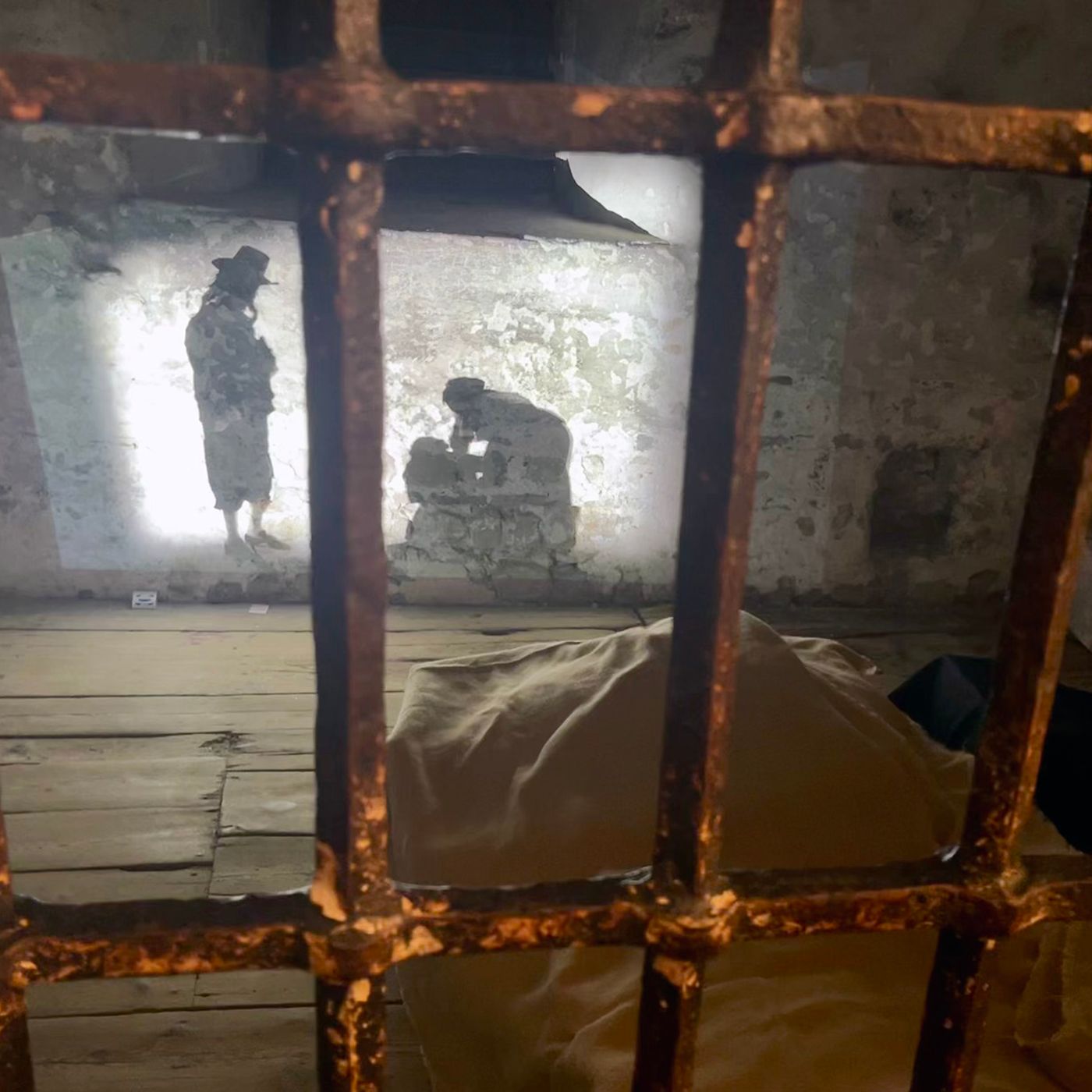
For Heritage Open Days 2026, we took a copy of Silvia Federici’s Caliban and the Witch to Colchester Castle and read several passages inside the building. In 1645, the Castle was used to imprison and interrogate women accused of witchcraft during the East Anglian persecutions associated with Matthew Hopkins. Federici does not mention Colchester itself, but she does single out Essex, noting that most English witch trials occurred here and connecting this concentration to enclosure, land privatisation, poverty and the destruction of collective forms of life. For Federici, the witch hunt was not simply an eruption of superstition. Those accused were disproportionately poor women, while their accusers were often landlords, employers and wealthier neighbours. The persecution of “witches” was also bound up with attacks on forms of knowledge, mutual dependence and social autonomy that stood in the way of a new economic order. Reading Caliban and the Witch inside Colchester Castle makes that history unusually tangible. This was not simply a backdrop to persecution, but part of its infrastructure: a place of imprisonment, interrogation and coercion. There was also something fitting about reading a book so concerned with enclosure on the one day of the year when entry to the Castle was free. Less a remembrance of “witches,” then, than of the people who were made into witches, and of what their persecution tells us about enclosure, poverty, gender, knowledge and power.
0:05Speaker 1We are here in Colchester Castle in one of the
0:10Speaker 1very few only heritage days per year where you can
0:14Speaker 1go and go to the castle for free. And we're
0:17Speaker 1here because Colchester Castle isn't just simply a nice castle
0:20Speaker 1and museum. In 1645, it's where Matthew Hopkins, leading the
0:29Speaker 1witch hunts, held a number of women for interrogation before
0:35Speaker 1trial for witchcraft. And so we're here to read some
0:39Speaker 1selections from Silvia Federici's book, Caliban and the Witch, which
0:46Speaker 1doesn't specifically mention Colchester or mention Hopkins, but does talk
0:50Speaker 1about Essex and why there were so many trial for
0:58Speaker 1witchcraft here. And she connects that to enclosures, to poverty,
1:02Speaker 1to the accumulation, to destruction of collective life. And so
1:08Speaker 1these bits are not about the witches themselves, but people
1:11Speaker 1made into witches. The witch hunt rarely appears in the
1:23Speaker 1history of the proletariat. To this day, remains one of