
Minimum Competence · Andrew and Gina Leahey
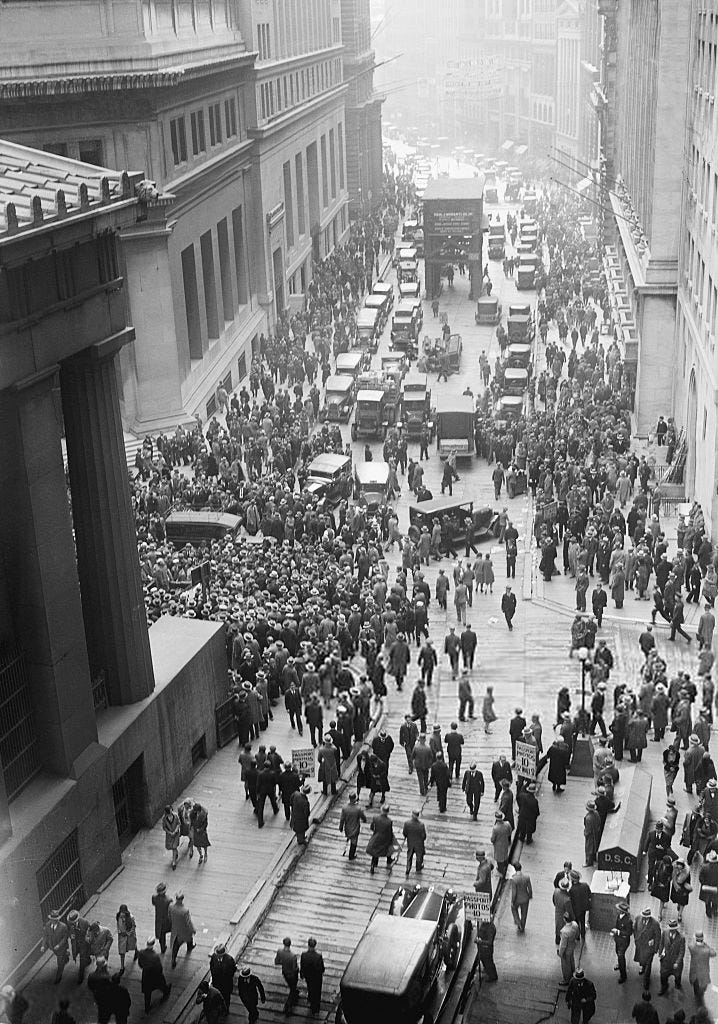
This Day in Legal History: Black Tuesday On October 29, 1929, the New York Stock Exchange suffered the worst day of the crash that had begun the previous Thursday. About 16 million shares changed hands, a record that stood for decades, and the Dow fell about 12 percent. Investors who had bought stock on margin, with borrowed money, were wiped out as their loans were called. The crash didn’t cause the Great Depression by itself, but it became its symbol. The legal response defined American financial regulation for the rest of the century. The Securities Act of 1933 required companies selling securities to the public to register and disclose financial information. The Securities Exchange Act of 1934 created the Securities and Exchange Commission and regulated trading and margin lending. The Banking Act of 1933, known as Glass-Steagall, separated commercial banking from investment banking and created the FDIC to insure deposits. The central idea, borrowed from Louis Brandeis in today’s opening quote, was disclosure: rather than having the government judge which investments were sound, the law would require companies to tell the truth and let investors decide. The significance of October 29, 1929 is that much of modern corporate and financial law, and much of the work of the big law firms that grew up to practice it, traces back to the response to the crash. Earlier this month we marked the 1987 crash. Today’s anniversary goes back to the original. And our first story is about one of the firms that built its reputation in the aftermath of a later financial collapse. Weil, Gotshal & Manges, one of the best-known names in corporate law, has told its partners it plans to wind down. Weil’s restructuring practice made it the go-to firm for some of the largest bankruptcies in history, including Lehman Brothers and Enron. Now the firm itself is dissolving after failing to stop a wave of partner departures and, according to Law.com, failing to find a merger partner in recent weeks. The firm says it will carry out an orderly wind-down and keep serving clients in the meantime. Reports say it brought in an outside bankruptcy lawyer to advise on the process. It isn’t yet clear what dissolution means for the firm’s lawyers and staff, numbering more than a thousand, or for its creditors. Law firm collapses are rare at this scale, but they follow a pattern. The most famous recent example is Dewey & LeBoeuf, which filed for bankruptcy in 2012. When partners start leaving, they take clients and revenue with them, which puts pressure on the remaining partners’ compensation and on the firm’s ability to cover its fixed costs, like leases and debt, which leads more partners to leave. Dissolution raises legal questions too. Under partnership law, a dissolving firm doesn’t end overnight; it winds up its affairs, collecting fees, paying creditors, and distributing what’s left. Courts have fought over the “unfinished business” doctrine, which asks whether profits from...
0:00SPEAKER_00Hi, a quick note before we get started.
0:02SPEAKER_00Minimum Competence now offers CLE courses.
0:04SPEAKER_00Our first course is live and it's completely free.
0:06SPEAKER_00It covers researching federal tax issues after the Supreme Court's decision
0:09SPEAKER_00in Loper Bright,
0:11SPEAKER_00including how the end of Chevron deference changes
0:13SPEAKER_00the way lawyers should approach Treasury regulations,
0:15SPEAKER_00IRS guidance and tax research more generally.
0:18SPEAKER_00I think it's interesting for a more broad audience.
0:20SPEAKER_00And if you need CLE credit or you're just interested in the topic,
0:22SPEAKER_00head over to CLE.minimumcomp.com.
0:25SPEAKER_00Again, the course is free and you can find it at CLE.minimumcomp.com.
0:30SPEAKER_00All right, on to today's episode.
0:32SPEAKER_00Hello and welcome to the Minimum Competence episode for Thursday, October 29th, 2026.
0:37SPEAKER_00I'm your host for today,