
Minimum Competence · Andrew and Gina Leahey
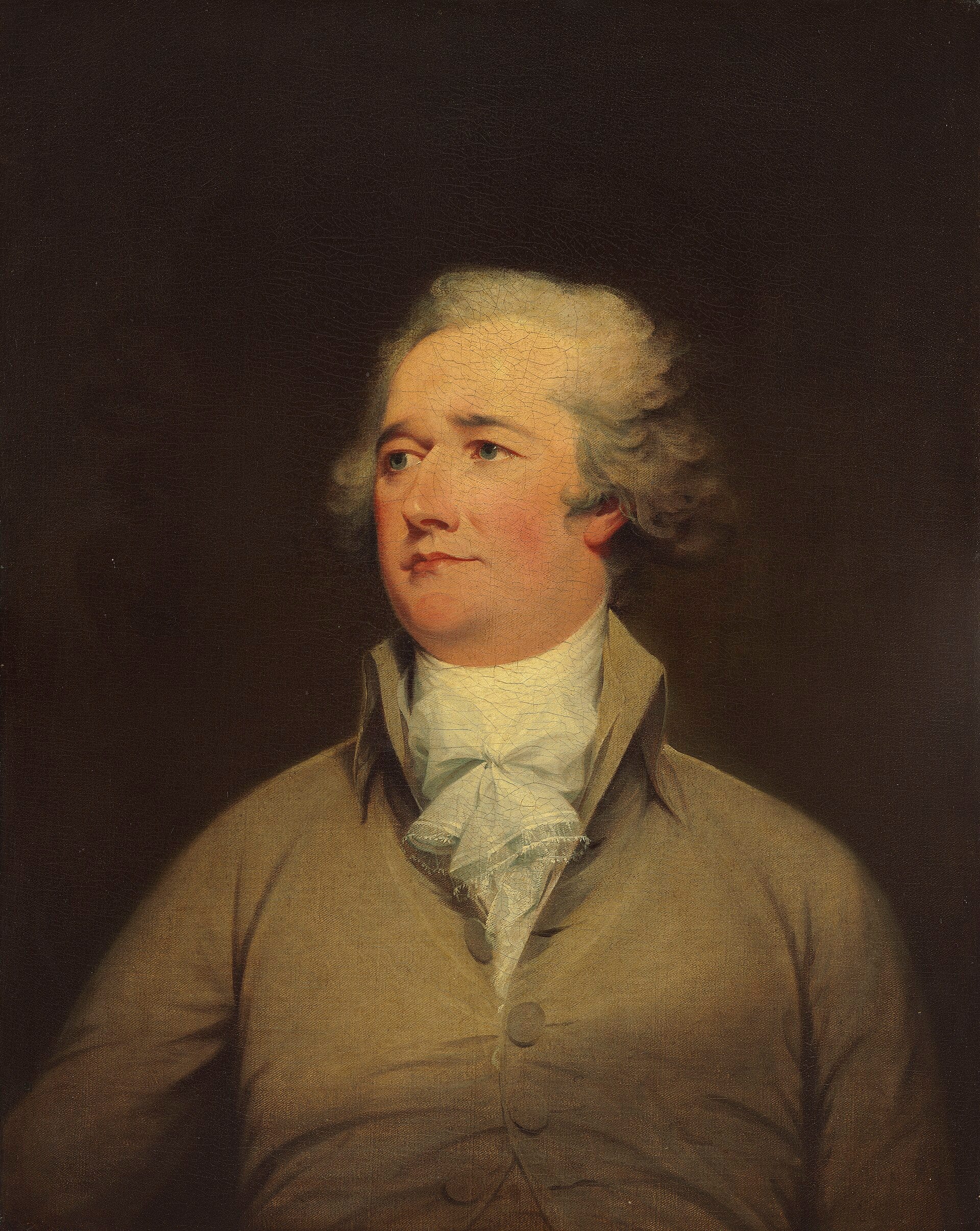
This Day in Legal History: Federalist No. 1 On October 27, 1787, New York’s Independent Journal published an essay signed “Publius,” titled “General Introduction.” It was the first of what became 85 essays, written by Alexander Hamilton, James Madison, and John Jay, urging New Yorkers to ratify the Constitution, which had been signed in Philadelphia just six weeks earlier. Hamilton wrote this first one. Hamilton framed ratification as a test, set out in today’s opening quote, of whether people could establish good government “from reflection and choice,” rather than by “accident and force.” He also warned readers about something he saw as a recurring danger in republics: those who use zeal for liberty as a cover for ambition. “Of those men who have overturned the liberties of republics,” he wrote, “the greatest number have begun their career by paying an obsequious court to the people; commencing demagogues, and ending tyrants.” The significance of October 27, 1787 is that The Federalist became the most influential explanation of how the Constitution was meant to work, and courts, including the Supreme Court, cite it to this day to interpret the separation of powers, the role of the courts, and the limits on federal power. Its central idea, that a well-designed government channels ambition through institutions so no one person can bend them to their will, runs through all three stories today, each of which tests whether the government’s power to prosecute, to remove officials, and to run elections is being used within those limits. The Ninth Circuit has denied the Justice Department’s emergency request to stop California from counting mail ballots associated with more than 20,000 registered voters the government says are likely noncitizens. We covered this fight last Tuesday, when the President threatened California election officials with prison over these same ballots. After a weekend emergency argument, the appeals court ruled Monday that the Justice Department hadn’t given the district court a fair chance to consider the case first, so it was premature for the appeals court to step in. A district court hearing is set for today. At Sunday’s argument, Judge Mark Bennett told the government’s lawyer that California appears to have the legal authority to run its own elections. Judge Patrick Bumatay, a Trump appointee, was more sympathetic to the administration. California says its safeguards against noncitizen voting are strong and that the government’s claims rest on suspect data. Here’s the legal picture. Appellate courts generally don’t decide issues the trial court hasn’t addressed first, and emergency relief is supposed to be exceptional. The Justice Department tried to skip a step, and the court said no. On the merits, states run their elections and determine eligibility, and federal law gives the federal government limited tools to intervene in how a state counts ballots, especially without a reliable showing that specific voters are...
0:00SPEAKER_00Hi, a quick note before we get started.
0:02SPEAKER_00Minimum Competence now offers CLE courses.
0:04SPEAKER_00Our first course is live and it's completely free.
0:06SPEAKER_00It covers researching federal tax issues after the Supreme Court's decision
0:09SPEAKER_00in Loper Bright,
0:11SPEAKER_00including how the end of Chevron deference changes
0:13SPEAKER_00the way lawyers should approach Treasury regulations,
0:15SPEAKER_00IRS guidance and tax research more generally.
0:18SPEAKER_00I think it's interesting for a more broad audience.
0:20SPEAKER_00And if you need CLE credit or you're just interested in the topic,
0:22SPEAKER_00head over to CLE.minimumcomp.com.
0:25SPEAKER_00Again, the course is free and you can find it at CLE.minimumcomp.com.
0:30SPEAKER_00All right, on to today's episode.
0:32SPEAKER_00Hello and welcome to the Minimum Competence episode for Tuesday, October 27, 2026.
0:35SPEAKER_00I'm your host for today,