
Minimum Competence · Andrew and Gina Leahey
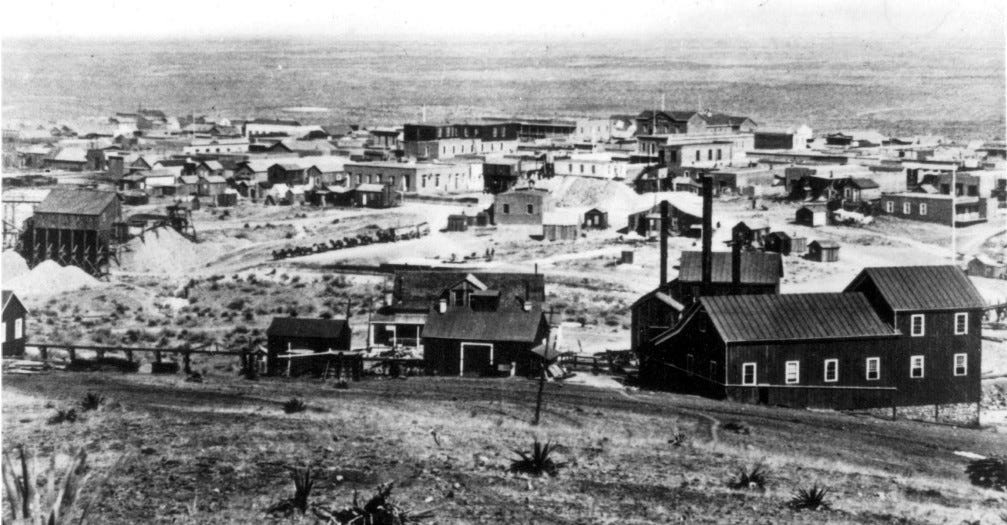
This Day in Legal History: The O.K. Corral On October 26, 1881, in Tombstone, in the Arizona Territory, City Marshal Virgil Earp, his brothers Wyatt and Morgan, and Doc Holliday confronted a group of cowboys, including Ike and Billy Clanton and Tom and Frank McLaury, near the O.K. Corral. The gunfight lasted about thirty seconds. Billy Clanton and both McLaurys were killed. Virgil, Morgan, and Holliday were wounded. The legend tends to end there, but the legal story is just as interesting. Days later, Ike Clanton filed murder charges against the Earps and Holliday. Wyatt and Doc were arrested and released on $10,000 bail. Justice of the Peace Wells Spicer then held a month-long preliminary hearing, with dueling witnesses: the county sheriff testified that the cowboys had tried to surrender, while other witnesses, including some considered neutral, testified that the cowboys had drawn first. On November 30, Spicer ruled there wasn’t enough evidence to send the case to trial. He found the lawmen acted within the law, though he criticized Virgil Earp’s judgment in deputizing his brothers and Holliday. The ruling didn’t end the feud. Within months, Virgil was ambushed and Morgan was killed. The significance of October 26, 1881 is that even the most mythologized act of frontier violence ended up before a judge, and what happened next turned on evidence, witnesses, and legal standards. The phrase in today’s opening quote, often attributed to Lincoln, captures the idea that in a democracy, disputes are settled by votes and by law rather than force. That idea is at the center of everything we cover today, as the courts take on an unusually large role in the run-up to the election. The Justice Department has sued Alaska election officials in federal court in Anchorage, asking a judge to block certification of the state’s U.S. Senate race if Republican Sen. Dan Sullivan loses. The President said he ordered the suit: “I’m the one that said, ‘do it.’” The theory is unusual. Another candidate on the ballot is also named Daniel Sullivan, Daniel J. Sullivan, and the department argues his candidacy could confuse voters and violates the National Voter Registration Act. It’s asking the court to bar certification if Sen. Sullivan doesn’t win and certain other conditions are met. The race between Sullivan and Democrat Mary Peltola is close. Legal experts describe the lawsuit as without precedent and facing an uphill battle. Here’s why. First, timing. Courts are generally very reluctant to change election rules close to an election, and this suit was filed 11 days before Election Day, months after the ballot was finalized. If there was a problem with the ballot, the time to raise it was before ballots were printed and mailed. Second, the statute. The National Voter Registration Act governs voter registration, things like registering at the DMV and keeping voter rolls accurate. It doesn’t regulate who can appear on a ballot or how candidates’ names are listed....
0:00SPEAKER_00Hi, a quick note before we get started.
0:02SPEAKER_00Minimum Competence now offers CLE courses.
0:04SPEAKER_00Our first course is live and it's completely free.
0:06SPEAKER_00It covers researching federal tax issues after the Supreme Court's decision
0:09SPEAKER_00in Loper Bright,
0:11SPEAKER_00including how the end of Chevron deference changes
0:13SPEAKER_00the way lawyers should approach Treasury regulations,
0:15SPEAKER_00IRS guidance and tax research more generally.
0:18SPEAKER_00I think it's interesting for a more broad audience.
0:20SPEAKER_00And if you need CLE credit or you're just interested in the topic,
0:22SPEAKER_00head over to CLE.minimumcomp.com.
0:25SPEAKER_00Again, the course is free and you can find it at CLE.minimumcomp.com.
0:30SPEAKER_00All right, on to today's episode.
0:32SPEAKER_00Hello and welcome to the Minimum Competence episode for Monday, October 26, 2026.
0:35SPEAKER_00I'm your host for today,