
Minimum Competence · Andrew and Gina Leahey
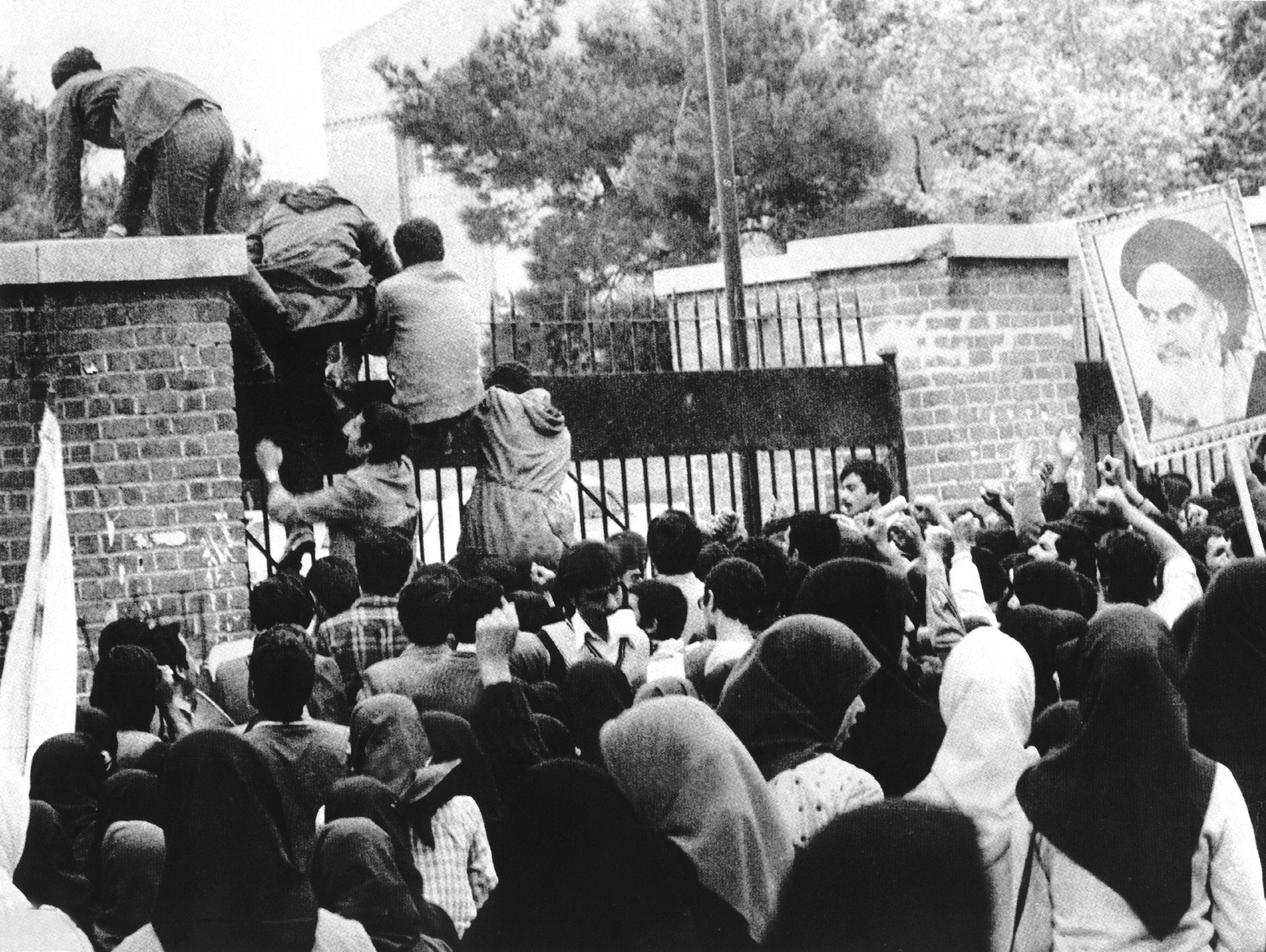
This Day in Legal History: The Tehran Embassy Seizure On November 4, 1979, Iranian students stormed the U.S. embassy in Tehran and took dozens of Americans hostage. Fifty-two of them would be held for 444 days. In response, President Jimmy Carter invoked the International Emergency Economic Powers Act, a statute Congress had passed just two years earlier, and froze billions of dollars in Iranian assets in the United States. The crisis ended in January 1981 with the Algiers Accords, in which the United States agreed to unfreeze Iranian assets, end pending lawsuits against Iran in American courts, and send those claims to a new international tribunal. A company called Dames & Moore, which had been trying to collect money it said Iran owed it, challenged that agreement. In Dames & Moore v. Regan, decided that July, the Supreme Court upheld the President’s actions. It found that the asset transfers were authorized by the emergency powers statute, and that while no statute expressly authorized suspending the lawsuits, Congress had long accepted presidential settlement of such claims, which the Court treated as implied approval. The significance of November 4, 1979 is the legal principle the crisis produced: presidential power is at its strongest when it rests on authority Congress has already given, even a Congress elected years earlier. That’s directly relevant to our lead story, because when control of Congress changes, the powers earlier Congresses delegated to the executive branch don’t disappear. Democrats have won control of both the House and the Senate, according to unofficial results from yesterday’s midterms. As of early this morning, the Associated Press had called 228 House seats for Democrats, well past the 218 needed for a majority, with dozens of races still uncalled. In the Senate, Democrats held 54 seats to Republicans’ 44, with the races in Alaska and Mississippi still too close to call. Recall that Alaska is where the Justice Department sued to block certification if Republican Sen. Dan Sullivan lost, so watch that one. Final numbers will change, but the bottom line won’t: the President’s party will no longer control either chamber. The new Congress takes office on January 3, 2027. Until then, the current Congress, with its Republican majorities, can still pass legislation and confirm nominees in a lame-duck session. Winning an election and exercising the powers that come with it are two different things, and existing statutes and regulations keep operating until someone changes them through a lawful process. So what can a Democratic Congress actually do? The key distinction is between blocking new policy and changing existing law. Blocking is easy: either chamber can stop any bill simply by refusing to pass it, so Republican legislative priorities are effectively stalled. But enacting new law is much harder. Both chambers have to pass identical text and present it to the President, who can veto it. Overriding a veto takes...
0:00SPEAKER_00Hi, a quick note before we get started.
0:02SPEAKER_00Minimum Competence now offers CLE courses.
0:04SPEAKER_00Our first course is live and it's completely free.
0:06SPEAKER_00It covers researching federal tax issues after the Supreme Court's decision
0:09SPEAKER_00in Loper Bright, including how the end of Chevron deference changes
0:13SPEAKER_00the way lawyers should approach Treasury regulations,
0:15SPEAKER_00IRS guidance and tax research more generally.
0:18SPEAKER_00I think it's interesting for a more broad audience.
0:20SPEAKER_00And if you need CLE credit or you're just interested in the topic,
0:22SPEAKER_00head over to CLE.minimumcomp.com.
0:25SPEAKER_00Again, the course is free and you can find it at CLE.minimumcomp.com.
0:30SPEAKER_00All right, on to today's episode.
0:31SPEAKER_00Hello and welcome to the Minimum Competence episode for Wednesday, November 4th, 2026.
0:36SPEAKER_00I'm your host for today, Andrew Leahy,
0:37SPEAKER_00an assistant teaching professor of law at Drexel Kline School of Law.