
Midrats · Midrats
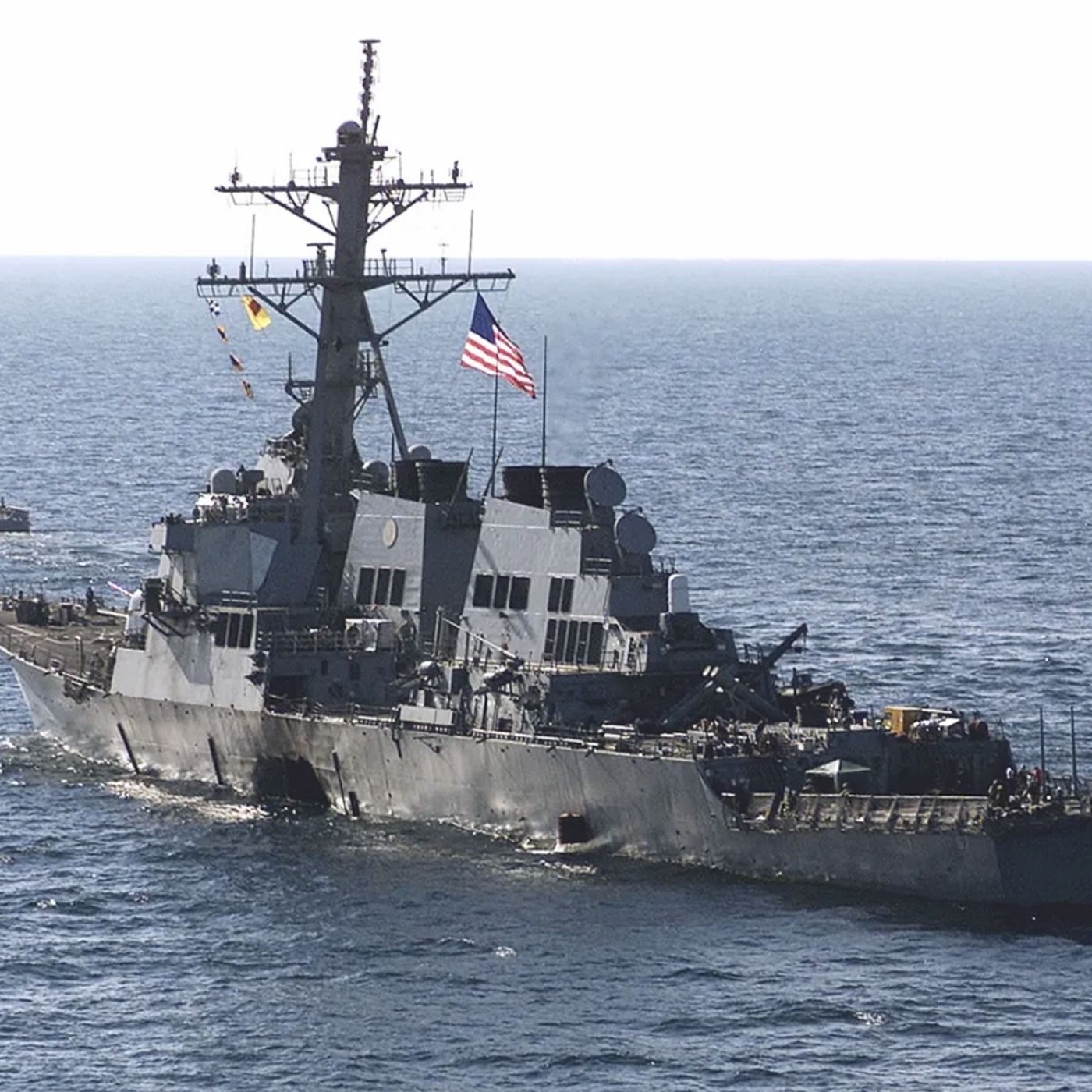
For me, it is funny but serious that the phrase I started saying in 2019 that we were going to keep building Arleigh Burke DDGs “until the crack of doom” has turned into prophecy. With the anticipated death of DDG(X) and FFG-62, the Burkes are about the only game in town. That fact naturally flows into a point we have raised here and on the Midrats Podcast for the last couple of decades: How are we going to conduct repair and maintenance under combat conditions should we find ourselves in a fight west of the International Date Line? Well, we’ve got the perfect intersection of both issues for the next episode of Midrats. This RAND Report from May caught my eye: The Arleigh Burke–class guided missile destroyer, commonly known as a DDG-51, is the primary surface combatant vessel of the U.S. Navy. These ships—designed to operate in contested environments—are likely to sustain widespread battle damage from diverse attacks should a conflict develop in the Indo-Pacific region. The prevalent nature of this damage would give rise to the greatest demand for ship repair that the Navy has experienced since World War II.To evaluate requirements for and potential issues with a significant demand for salvaging and repairing battle-damaged destroyers, the authors conducted a tabletop exercise on August 13–14, 2025, with participants from the United States and allied nations in the Indo-Pacific. The participants were split into four groups, and each group represented U.S. and allied stakeholders who would be involved in the repairs. The report is titled, Battle Damage Repair for Arleigh Burke–Class Destroyers: Tabletop Exercise Results. Our guest is one of the authors of the report, Bradley Martin. Bradley Martin is a senior policy researcher at RAND. He retired from the Navy as a surface warfare Captain after 30 years of service, including four command tours.In addition to his operational tours, Martin served on the staff of U.S. Forces Japan, on the OPNAV staff as an operations analyst, and, most recently, as the Navy coordinator for participation in Joint Staff and OSD requirements and resources forums. His subspecialties included operations research, operational logistics, and strategic planning. His work at RAND focuses on Navy force structure and capabilities, supply chain security and resilience, and national security strategy. Prior to joining the Navy, he achieved a doctorate in political science from the University of Michigan, while working as a research assistant for the Correlates of War Project. Show LinksBattle Damage Repair for Arleigh Burke–Class Destroyers Repair CFT Brief for JTEG Forum on “Expeditionary Repair” CDR Erich C. Schwarz, USN, July 2022 Summary In this episode, we explore the insights from a recent tabletop exercise on naval repair capabilities and strategic challenges in the Indo-Pacific, featuring Captain Brad Martin. We discuss the importance of organic repair assets, the vulnerabilities of fixed bases, and the need...
0:31Speaker 1Welcome to mid Rats with sal from Commander Salamander, an
0:34Speaker 1Eagle one from Eagle Speak at Seer Shore your home
0:37Speaker 1for a discussion of national security issues and all things maritime,
0:41Speaker 1and welcome board everybody to another episode of mid Rats.
0:45Speaker 1We really appreciate you taking time to join us, and
0:48Speaker 1if you are with us live, i'd like to go
0:50Speaker 1ahead and extend the invitation. We've already got a few
0:53Speaker 1people lined up there in the live show chat, and
0:57Speaker 1if you would like to join Chris and Mark and
1:00Speaker 1anyc and all the other good folks, go ahead and
1:02Speaker 1hop hold in there. That's the perfect place during the
1:04Speaker 1course of the show. If you have some observations you'd
1:07Speaker 1like to share, or even better, perhaps a question are
1:10Speaker 1a rebuttal to what we've been talking to our guests
1:13Speaker 1about for the next hour, go ahead and hop in there.