
Mastering Therapy · Natalie Stott
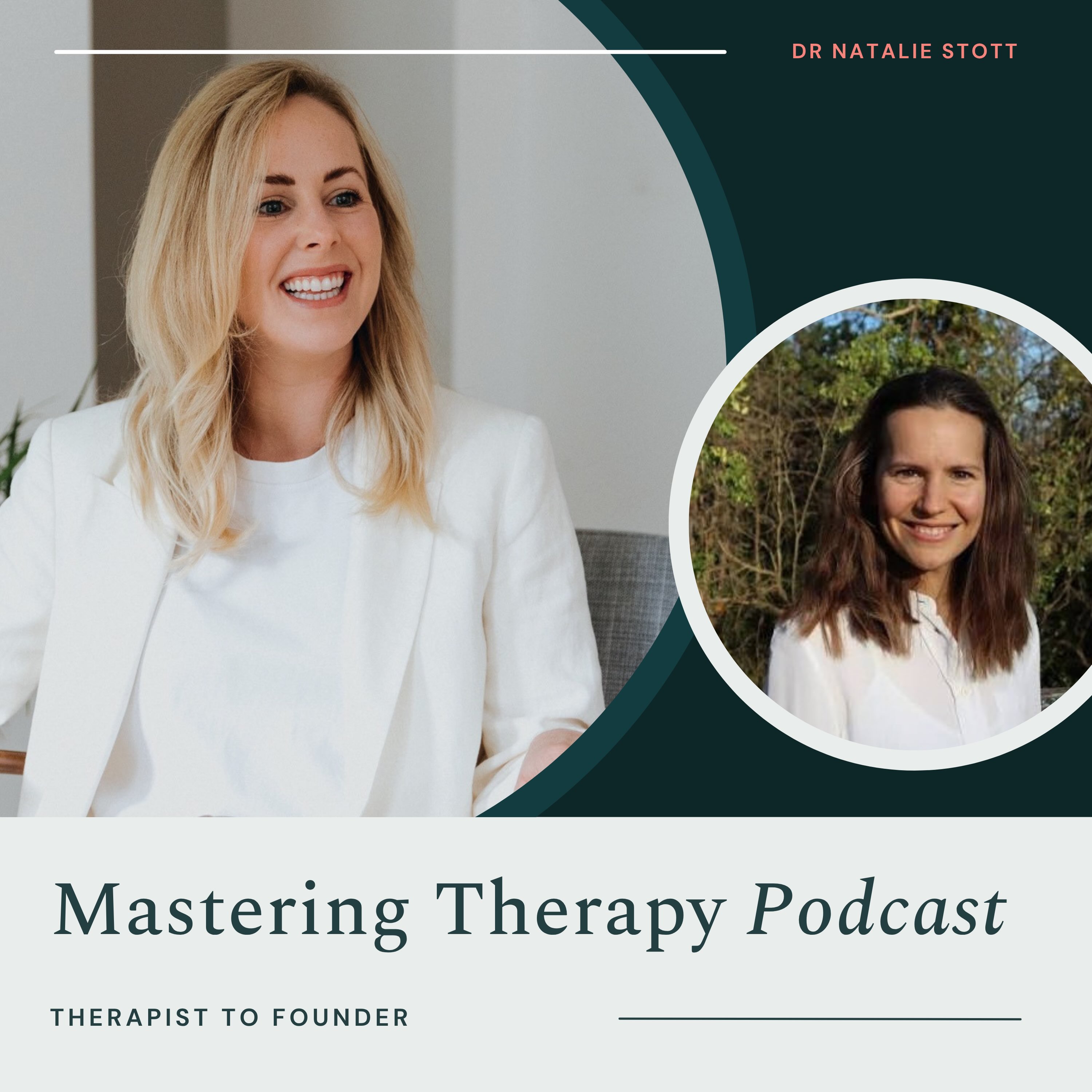
S5E4: How Therapists can start and grow a business | Dr Jo Carlile from PEAR What happens when a therapist has a business idea but no idea how to build it? In this episode, Dr Natalie Stott speaks with clinical psychologist and Pear founder Dr Jo Carlile about moving from private practice into entrepreneurship. Jo explains why she now sees every private therapist as a founder. She also shares how her therapist identity helped her spot gaps in the way people find therapy and in the support available to private practitioners. This is a candid conversation about the parts of building a business that are rarely covered in clinical training. Jo talks about finding the right co-founder, getting help when you are not remotely techy and testing an idea before spending heavily on it. She also explains why she and her co-founder stepped back from fundraising after realising that the expected pace did not fit the lives or business they wanted to build. Natalie and Jo also discuss one of the hidden costs of founder life: the work does not stay neatly in the room. There is always another email, post or idea waiting. They explore what sustainable ambition can look like when clinical work, parenting and personal life all need real space too. If you have ever thought, “I could build something, but where on earth would I start?”, this episode offers a refreshingly practical answer. Start small. Talk to people. Test whether anybody wants the thing. Then build from what you learn. KEY TAKEAWAYS - Private therapists already run businesses, even when “entrepreneur” is not part of their professional identity. - A business idea can develop gradually from noticing gaps in your own work and the wider therapy landscape. - Support does not have to mean finding a co-founder. It can come from networks, mentors and people with complementary expertise. - Early-stage businesses benefit from testing demand before investing heavily in a polished product. - Fundraising can bring money and momentum, but it can also change who sets the pace and who you answer to. - Clinical work often has a natural boundary. Founder work can spread into evenings, weekends and mental space unless you contain it deliberately. - Visibility may never feel like the enjoyable part of the job. It can still be useful when it serves a clear purpose. Guest Information: Dr Jo Carlile is a clinical psychologist and co-founder of Pear, a therapy matching platform and therapist community. Pear helps people find a therapist and offers its therapist members community and marketing support. Website: https://www.ilovepear.com Email: [email protected] Social media: Website: Resources - Pear therapy matching platform and therapist community: https://www.ilovepear.com ** Check out Mastering Therapy’s Youtube Channel for all podcast episodes ** For notification on up coming episodes and for occasional summaries of tools discussed on the podcast sign up here: www.masteringtherapy.com To recommend a topic...
0:02Welcome to the Mastering Therapy podcast.
0:06This is a show for psychologists, psychotherapists, and counsellors who are
0:10looking to build on their therapy skills, increase confidence in working with
0:14clients and be inspired by alternative models, tools, and ways of working.
0:19I'm your host, Dr.
0:20Natalie Stott.
0:21I'm a clinical psychologist and founder of Supervisor Platform,
0:25A directory that supports.
0:26Clinicians to showcase their supervision and training to other therapists.
0:30It also helps you to find a supervisor that fits with your work and your style.
0:34join my guests and me as we learn from one another and aim to take
0:38insights and put them into action.
0:40. Let's go
0:43Natalie: Welcome everyone to this week of Mastering Therapy.
0:46We are gonna be doing something slightly different today, where we're