
Luxury Beauty on a Budget Podcast · Luxury Beauty on a Budget
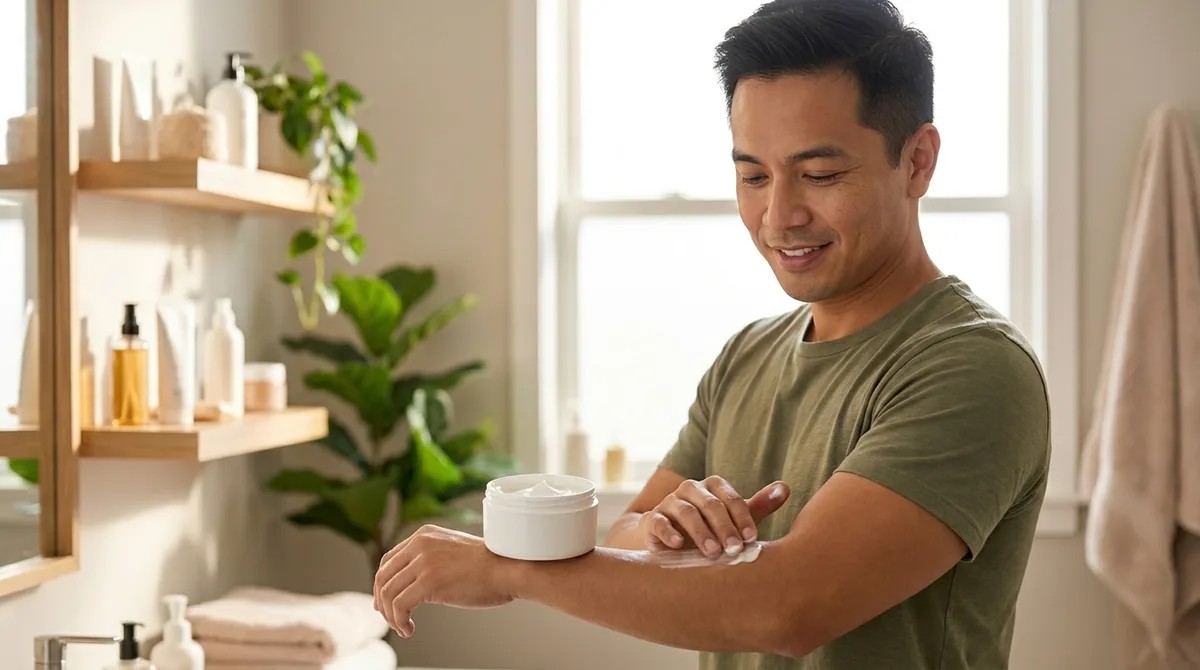
Trader Joe's Body Butter: A Fragrance Curator's Ingredient Analysis and Sustainability Review The jar sits on your counter like a promise. Winter air cracks skin at the knuckles, at the shins, everywhere clothes meet exposure. You twist the lid and the scent rises—something between comfort and indulgence, nothing sharp or synthetic, just warmth. Trader Joe's body butter has become something of a cult staple, whispered about in zero-waste Facebook groups and recommended by dermatologists who refuse to gatekeep. For around $6 per eight-ounce jar, it delivers what most $45 prestige formulations struggle to achieve: actual barrier repair without fragrance irritants, a texture that absorbs without film, and ingredient transparency that passes clean beauty scrutiny. The verdict arrives quickly. This is one of the rare grocery store finds that doesn't compromise formulation integrity for shelf stability or profit margin. You'll find it sitting comfortably beside body care from brands charging six times the price. What to Look For in Clean, Effective Body Butter Emollient hierarchy matters more than brand mythology. The difference between a body butter that truly repairs compromised sk…
You're standing in the body care aisle, staring at a $45 jar of shea butter that promises transformative hydration, and right next to it sits a $6 tub from Trader Joe's with almost identical ingredients. One of them is a waste of money. The other delivers actual barrier repair without the markup. I'm Julian Thorne, and I spend my days analyzing formulations so you don't have to guess which is which. This is Luxury Beauty On A Budget Podcast. Quick thing before we start: the research, the ingredient analysis, the recommendations you're about to hear, all of that comes from me, a real person who does this work professionally. But the voice you're hearing right now? That's AI-generated. Just wanted to be upfront about that from the jump. If you've been listening for a while, thanks for being here. It's genuinely good to have you back. And if you're new, welcome. I break down beauty formulations so you know what's actually worth buying and what's just expensive packaging. New episodes drop every Monday, Wednesday, and Friday. Today we're talking about whether a six-dollar grocery store body butter can actually compete with luxury versions that cost forty-five dollars or more. Let's get into it. The jar sits on your counter like a promise. Winter air cracks skin at the knuckles, at the shins, everywhere clothes meet exposure. You twist the lid and the scent rises, something between comfort and indulgence, nothing sharp or synthetic, just warmth. Trader Joe's body butter has become something of a cult staple, whispered about in zero-waste Facebook groups and recommended by dermatologists who refuse to gatekeep. For around six dollars per eight-ounce jar, it delivers what most forty-five dollar prestige formulations struggle to achieve: actual barrier repair without fragrance irritants, a texture that absorbs without film, and ingredient transparency that passes clean beauty scrutiny. The verdict arrives quickly. This is one of the rare grocery store finds that doesn't compromise formulation integrity for shelf stability or profit margin. You'll find it sitting comfortably beside body care from brands charging six times the price. Now, let's talk about what actually matters when you're choosing a body butter. Emollient hierarchy matters more than brand mythology. The difference between a body butter that truly repairs compromised skin and one that simply sits on the surface comes down to occlusive percentage and molecular structure. Look for shea butter concentrations above fifteen percent, ideally combined with complementary occlusives like cocoa butter or mango seed butter. The molecular weight of these botanical lipids, ranging from 200 to 500 Daltons, allows partial penetration into the stratum corneum while creating a breathable surface barrier. Trader Joe's body butter leads with shea butter as the primary ingredient, which positions it in the same formulation category as prestige brands like L'Occitane, minus the essential oil load that often triggers contact dermatitis. Price per ounce calculations separate genuine value from marketing illusion. At approximately seventy-five cents per ounce, Trader Joe's undercuts most drugstore body butters, typically a dollar twenty to a dollar eighty per ounce, and demolishes luxury counterparts that can exceed eight dollars per ounce. But cost efficiency means nothing if the formulation fails. The real metric: does the emollient base contain occlusives in concentrations high enough to reduce transepidermal water loss by at least twenty percent within two hours? Clinical studies on shea butter demonstrate TEWL reduction of twenty-five to thirty-five percent when applied at concentrations above twenty percent. Formulations that bury shea butter below the fifth ingredient are performance theater, not barrier repair. Fragrance architecture reveals formulation philosophy. There's a sensory language to how scent unfolds on skin. The bright citrus that dissipates in minutes, that's your top notes. The floral or spice that lingers through midday, those are heart notes. The woody or musky foundation that remains after hours, base notes. Synthetic fragrances often collapse this progression into a single-dimensional blast that fades uniformly, leaving behind potential irritants like phthalates or synthetic musks. Natural fragrance compositions, when done well, create a slower reveal. Coconut oil and shea butter themselves carry subtle olfactory profiles, nutty, slightly sweet, grounding. You'll notice how the fundamentals of barrier-first beauty influence not just ingredient selection but sensory design. Formulations prioritizing skin barrier integrity tend to avoid high concentrations of volatile fragrance compounds that compromise lipid stability. Texture viscosity and absorption rate determine daily usability. A body butter can be perfectly formulated on paper and still fail if the application experience feels punishing. Occlusive-heavy formulations, especially those above thirty percent combined butter content, often require significant warming between palms and extended massage time to prevent pilling or greasy residue. This isn't necessarily a flaw. It's a predictable outcome of high molecular weight lipids. The question becomes whether the formulation includes absorption enhancers: ingredients like squalane, a 425 Dalton hydrocarbon that improves penetration, jojoba esters, or caprylic capric triglycerides that reduce surface slip without sacrificing barrier protection. Temperature also plays a role. Body butters with melting points between eighty-nine and ninety-five degrees Fahrenheit will soften on contact with body heat, improving spreadability without requiring excessive product volume. Manufacturing transparency signals quality control standards. When a budget product performs comparably to prestige alternatives, the manufacturing origin often explains the gap. Many affordable body care products are produced in the same facilities that handle luxury contracts. Identical equipment, similar ingredient sourcing, parallel quality protocols. The price difference reflects marketing spend and packaging elaboration, not formulation competence. Trader Joe's contracts with established manufacturers known for clean beauty production, which means you're often getting the same base formulation as brands sold at Sephora, just without the frosted glass jar and forty dollar markup. Ingredient percentages and preservation systems matter more than the label aesthetic. Preservation systems separate shelf-stable from rapidly oxidizing. Botanical lipids are vulnerable. Shea butter, cocoa butter, and plant oils contain unsaturated fatty acids that degrade when exposed to oxygen, heat, or light, turning rancid within months if improperly preserved. Effective body butters use either synthetic preservatives like phenoxyethanol, typically half a percent to one percent, broad-spectrum antimicrobial with minimal sensitization risk, or natural preservation systems combining tocopherol, that's vitamin E, rosemary extract, and citric acid to maintain pH stability. Check the ingredient list for preservation strategy. If a formulation contains only plant extracts without clear preservatives, expect a shelf life under six months once opened, and watch for texture separation or off-odors indicating oxidation. Moving on to the products I've actually tested and analyzed. The Trader Joe's Coconut Body Butter arrives in an unassuming tub, white plastic with minimalist typography that signals nothing about the formulation density inside. Check the show notes for a link to the current price. You scoop out a pearl-sized amount and it warms instantly. This is real shea butter doing what shea butter does, softening at eighty-nine degrees, melting into skin like memory. The coconut scent is subtle, more like the vapor from fresh coconut water than the cloying sweetness of synthetic fragrance. It sits in the background, barely perceptible after twenty minutes, leaving only the faint nuttiness of the shea base. Here's what works. Shea butter as the first ingredient, positioned at an estimated thirty to forty percent concentration based on texture viscosity and melting behavior. Price point around seventy-five cents per ounce, undercutting comparable formulations by forty to sixty percent. Minimal fragrance load using coconut oil for scent rather than synthetic fragrance compounds, reducing contact dermatitis risk. No parabens, phthalates, or petroleum derivatives, aligning with clean beauty formulation standards. Manufactured in facilities certified for cosmetic production, ensuring batch consistency and contamination control. But there are trade-offs. It requires significant warming time for those with lower body temperatures or cold environments. The high shea concentration creates a firmer texture that can feel stiff straight from the jar. Limited availability restricted to Trader Joe's locations and sporadic online resellers, making consistent repurchase challenging in areas without nearby stores. Packaging uses virgin plastic rather than post-consumer recycled materials, missing an opportunity for sustainability improvement. No batch date or expiration printed on the jar, leaving users to estimate freshness based on purchase date alone. The Body Shop Shea Body Butter has been a drugstore staple for decades, and for reason. Check the show notes for a link to the current price. This formulation contains Community Trade shea butter sourced from Ghana, which brings both ethical sourcing credibility and formulation quality. The texture sits heavier than Trader Joe's version. You'll need to work it between palms longer before it yields. But that density translates to staying power. Applied at night, you'll wake with skin that still feels cushioned, still protected. What's working here: Community Fair Trade sourcing with transparent supply chain documentation. Shea butter concentration estimated at thirty-five to forty-five percent based on ingredient hierarchy and texture analysis. Wider availability through both standalone stores and online channels. Cruelty-free certification through Leaping Bunny, verified annually. The downsides: Price point around two fifty per ounce, over three times the cost of Trader Joe's for comparable performance. Heavier fragrance presence using both natural and synthetic components, which may irritate sensitive skin types. Jar packaging requires finger contamination with each use, increasing bacterial exposure risk over time. Contains phenoxyethanol at approximately one percent, which some clean beauty advocates avoid despite its safety profile. CeraVe Moisturizing Cream approaches body hydration from a different angle entirely. Check the show notes for a link to the current price. Instead of butter-dense occlusion, this formulation emphasizes ceramide replenishment. Three essential ceramides, numbered one, three, and six-II, at a combined concentration around three percent, plus cholesterol and fatty acids that mimic the skin's natural lipid ratio. The texture feels closer to a thick cream than a butter, absorbing within ninety seconds and leaving no surface residue. This makes it ideal for those who need barrier support without the weight. The advantages: MVE technology, that's MultiVesicular Emulsion, provides controlled release over twenty-four hours, extending hydration beyond initial application. Developed with dermatologists and tested on compromised skin barriers, including eczema-prone and post-procedure skin. Fragrance-free formulation eliminates the primary trigger for contact sensitization. Available in pump bottles that reduce contamination risk and improve ease of use. What to consider: Lighter texture may not provide sufficient occlusion for extremely dry climates or severe barrier damage. Contains dimethicone at approximately two to three percent, a synthetic silicone that some clean beauty frameworks exclude. Price point around ninety cents per ounce, slightly higher than Trader Joe's though still affordable. Lacks the sensory richness that makes body butter application feel like self-care rather than clinical maintenance. La Roche-Posay Lipikar Balm AP Plus targets barrier disruption with pharmaceutical precision. Check the show notes for a link to the current price. This formulation contains niacinamide at four percent, a concentration shown in dermatological research to reduce inflammation, strengthen barrier function, and improve moisture retention. Combined with shea butter, glycerin at approximately ten percent, and the brand's thermal spring water, the texture lands somewhere between cream and butter. Rich enough to create occlusion, light enough to absorb without extended massage. What stands out: Clinically tested on atopic dermatitis with published studies demonstrating itch reduction and barrier improvement. Microbiome-friendly formulation using Aqua Posae Filiformis to support beneficial skin flora. Suitable for infant skin from birth, indicating gentle formulation and hypoallergenic testing. Fragrance-free and paraben-free, meeting strict European cosmetic regulations. The limitations: Price point around a dollar eighty per ounce, over twice the cost of Trader Joe's. Tube packaging can make dispensing thick product frustrating toward the end, wasting approximately ten percent of product. Niacinamide concentration may cause transient flushing in approximately five percent of users, though this typically resolves with continued use. Availability primarily through pharmacy channels, limiting accessibility in rural areas. Weleda Skin Food Body Butter represents the intersection of herbal tradition and modern formulation. Check the show notes for a link to the current price. This is body butter for those who want their skincare to smell like a medicinal garden. Calendula, chamomile, wild pansy. The scent unfolds in layers: bright herbal top notes that fade within ten minutes, giving way to the deeper, almost resinous base of sunflower oil and lanolin. The texture demands patience. This is not a rush-application product. The benefits: Lanolin inclusion at estimated five to eight percent provides exceptional occlusion for severely compromised barriers. NATRUE certified organic ingredients with transparent sourcing documentation. Biodynamic farming practices for key botanical ingredients, meeting Demeter certification standards. Scent profile from plant extracts rather than added fragrance compounds, though still potentially irritating for some. What to know: Lanolin-based formulations are not suitable for vegans or those with wool allergies. Price point around two twenty per ounce, representing mid-tier luxury pricing. Strong herbal scent may clash with other fragrances and isn't universally appealing. Thick consistency requires extended warming, making it impractical for quick morning application. Eucerin Advanced Repair Lotion isn't technically a butter. Check the show notes for a link to the current price. The texture reads as lotion, lightweight and fluid. But the ceramide-focused formulation and alpha hydroxy acid inclusion position it as a strategic alternative for those who need barrier support combined with mild exfoliation. The formulation contains natural moisturizing factors including urea at approximately five percent, which helps both hydrate and gently dissolve dead skin cell buildup. Here's what works: Fragrance-free and dye-free, minimizing sensitization risk. Rapid absorption within thirty to sixty seconds, suitable for morning routines or humid climates. Clinically tested to provide forty-eight hour hydration with single application. Price point around sixty cents per ounce when purchased in large pump bottles, undercutting even Trader Joe's. The trade-offs: Lighter texture won't satisfy those seeking rich, cushioning occlusion. Contains petrolatum, which clean beauty frameworks often exclude despite its clinical efficacy. Mild chemical exfoliation from AHAs may not suit post-procedure or actively irritated skin. Pump bottle design makes travel portioning difficult without decanting into smaller containers. Let me answer some questions that come up constantly. Is Trader Joe's body butter worth buying over luxury alternatives? Yes, if formulation performance matters more to you than packaging aesthetics or brand prestige. The Trader Joe's body butter contains shea butter as its primary ingredient at an estimated concentration of thirty to forty percent, which places it in the same efficacy category as luxury formulations costing thirty to sixty dollars for comparable volumes. The molecular structure of shea butter doesn't change based on the jar it's sold in. What matters is concentration, freshness, and preservation quality. Trader Joe's contracts with established cosmetic manufacturers who maintain the same production standards as prestige brands, which means you're getting professional-grade formulation at grocery store pricing. The main sacrifice is packaging sustainability and the sensory experience of weighted glass jars and elaborate labels. For those prioritizing actual barrier repair and ingredient quality, this represents exceptional value. Does Trader Joe's body butter contain synthetic fragrances or parabens? The coconut version uses coconut oil as its primary fragrance source rather than synthetic fragrance compounds, though Trader Joe's lists "fragrance" on some variant labels without full disclosure of constituent components. This opacity frustrates those seeking complete ingredient transparency. The formulation does not contain parabens, phthalates, or petroleum derivatives, aligning with mainstream clean beauty standards. However, it does use phenoxyethanol as a preservative at an estimated half percent to one percent concentration. That's a synthetic antimicrobial that many dermatologists consider the safest broad-spectrum preservative option, but which some strict clean beauty frameworks exclude. If you're seeking a truly fragrance-free option for sensitive or reactive skin, budget skin barrier serums often provide targeted repair without scent complexity. How does Trader Joe's body butter compare to The Body Shop's shea butter? The formulations share remarkably similar ingredient hierarchies. Both lead with high-concentration shea butter, both avoid common irritants, both create occlusive barriers that reduce transepidermal water loss. The primary differences lie in sourcing transparency and texture density. The Body Shop's Community Fair Trade program provides documented supply chain visibility and direct economic impact metrics, which matters for those making purchasing decisions based on social responsibility. The texture sits slightly heavier, requiring more warming time but potentially offering longer-lasting occlusion. Trader Joe's version absorbs marginally faster and costs approximately one-third the price per ounce. For those prioritizing ethical sourcing documentation, The Body Shop justifies the premium. For those prioritizing formulation quality and budget efficiency, Trader Joe's delivers comparable performance. Can I use Trader Joe's body butter on my face? You can, but most shouldn't. The high concentration of occlusive butters makes this formulation appropriate for areas with minimal sebaceous gland density. Body skin, particularly on arms, legs, and torso. Facial skin, especially in the T-zone, produces significantly more sebum and has smaller pore structures more prone to congestion. Applying heavy occlusives to facial skin can trap dead skin cells and sebum, potentially triggering comedogenesis, that's blackhead and closed comedone formation, within days. The exception: those with extremely dry facial skin in harsh climates, particularly along the cheekbones and jawline where sebaceous glands are sparse. Even then, apply sparingly and avoid the nose, chin, and forehead. For facial barrier repair, lighter formulations containing ceramides and niacinamide typically perform better without clogging pores. How long does an eight-ounce jar of Trader Joe's body butter typically last? Usage duration depends entirely on application surface area and frequency, but rough estimates help with budgeting. A pearl-sized amount, approximately half a gram, covers one forearm or one lower leg adequately. Full-body application, arms, legs, torso, excluding face, requires roughly four to five grams per application. An eight-ounce jar contains approximately 227 grams, which translates to about forty-five to fifty-five full-body applications. Applied daily, a single jar lasts approximately six to eight weeks. Applied to targeted dry areas only, elbows, knees, shins, that same jar can stretch to three to four months. This calculation assumes you're applying enough product to create actual barrier protection. Many people under-apply body moisturizers by forty to sixty percent, using just enough to eliminate surface dryness without building occlusive protection. Check the texture thirty minutes after application. If skin feels cushioned rather than merely non-dry, you've applied sufficient product for barrier benefit. The jar empties slowly. You notice how skin changes over weeks. Less reactivity to wool sweaters, less tightness after evening showers. This isn't dramatic transformation, just quiet improvement. The kind that makes you realize how much energy you were spending managing discomfort. Trader Joe's body butter succeeds because it respects formulation fundamentals while refusing to inflate cost through marketing mythology. Shea butter works. When concentrated above thirty percent and properly preserved, it repairs compromised barriers, reduces transepidermal water loss, and provides hours of occlusive protection. The price remains accessible enough for consistent use, which matters more than jar aesthetics when building sustainable skincare routines. You'll miss the packaging ritual that luxury body care provides, the weighted glass and embossed labels that signal self-care investment. But your skin barrier doesn't register brand prestige. It responds to molecular structure, to lipid ratios, to consistent application. On those metrics, this unassuming grocery store find delivers exactly what it promises, at a price that allows you to use it generously rather than sparingly. That shift, from rationing expensive product to applying enough for actual efficacy, changes everything. That wraps up this episode of Luxury Beauty On A Budget Podcast. Thanks for listening all the way through. We're back every Monday, Wednesday, and Friday with new breakdowns like this one. If you found this episode helpful, I'd really appreciate it if you could leave a five-star rating and write a quick review. It sounds small, but it actually makes a huge difference in helping other people who are looking for honest beauty product analysis find the show. And if you haven't already, hit subscribe or follow so you get a notification the second a new episode drops. I'll see you in the next one.