
Lit in a Nutshell · Chukwuemeka Azubuike
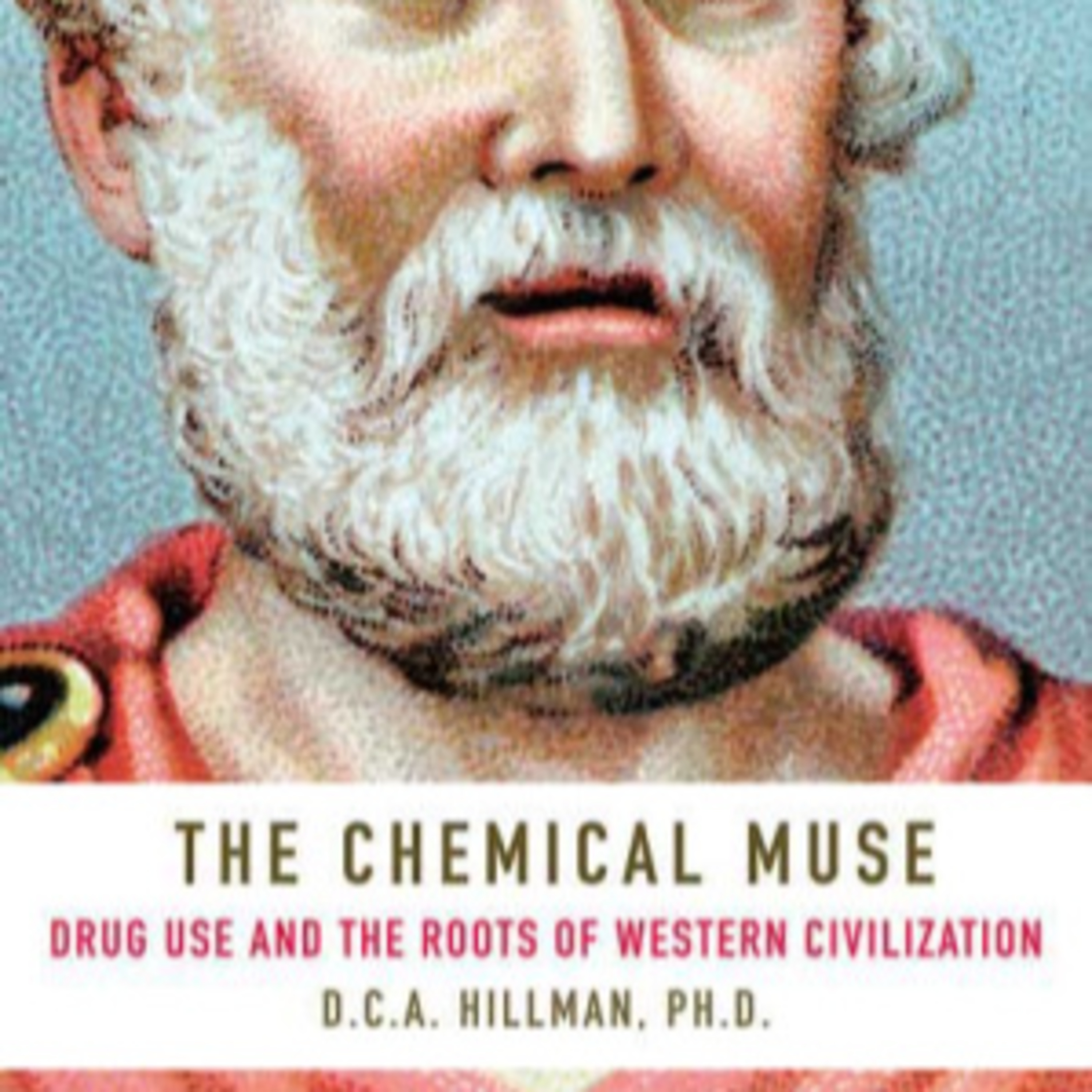
In The Chemical Muse, D. C. A. Hillman argues that recreational drug use was a fundamental component of the ancient societies that established Western democracy and science. The text describes a harsh and volatile environment where Greeks and Romans utilized various botanicals and narcotics to manage extreme physical pain and psychological distress. These substances were not only medicinal but also deeply embedded in classical mythology, literature, and philosophy, acting as a "Chemical Muse" for legendary figures. Hillman contends that the modern war on drugs is a departure from the democratic values of antiquity, which lacked prohibitive laws or moral stigmas regarding personal consumption. By examining works from Homer, Virgil, and Ovid, the author illustrates how mind-altering plants were universal tools for creative inspiration and spiritual communion. Ultimately, the source suggests that the intellectual foundations of the West were built by a culture that viewed drug use as an essential and protected personal liberty.
0:00All right. I want you to visualize a
0:01scenario and I want you to really put yourself in this
0:05room. It's a high speaks moment.
0:06OK. You are a doctoral student.
0:10You've invested A decade, I mean 10 actual years of your life
0:14into this one thing. You've racked up the Student
0:16Loans. You've learned these, you know,
0:18dead languages that literally no one speaks anymore.
0:21You've been living in the library.
0:22Exactly. You smell like old paper and
0:25stale coffee for years and you produce this massive 250 page
0:28dissertation. It is your life's work.
0:31The magnum opus. And now, the moment of truth.
0:34You are sitting in that terrifying sterile room, wearing
0:37the one itchy suit you own, probably bought at a discount,