
Investment Climate Podcast · Alex Shandrovsky
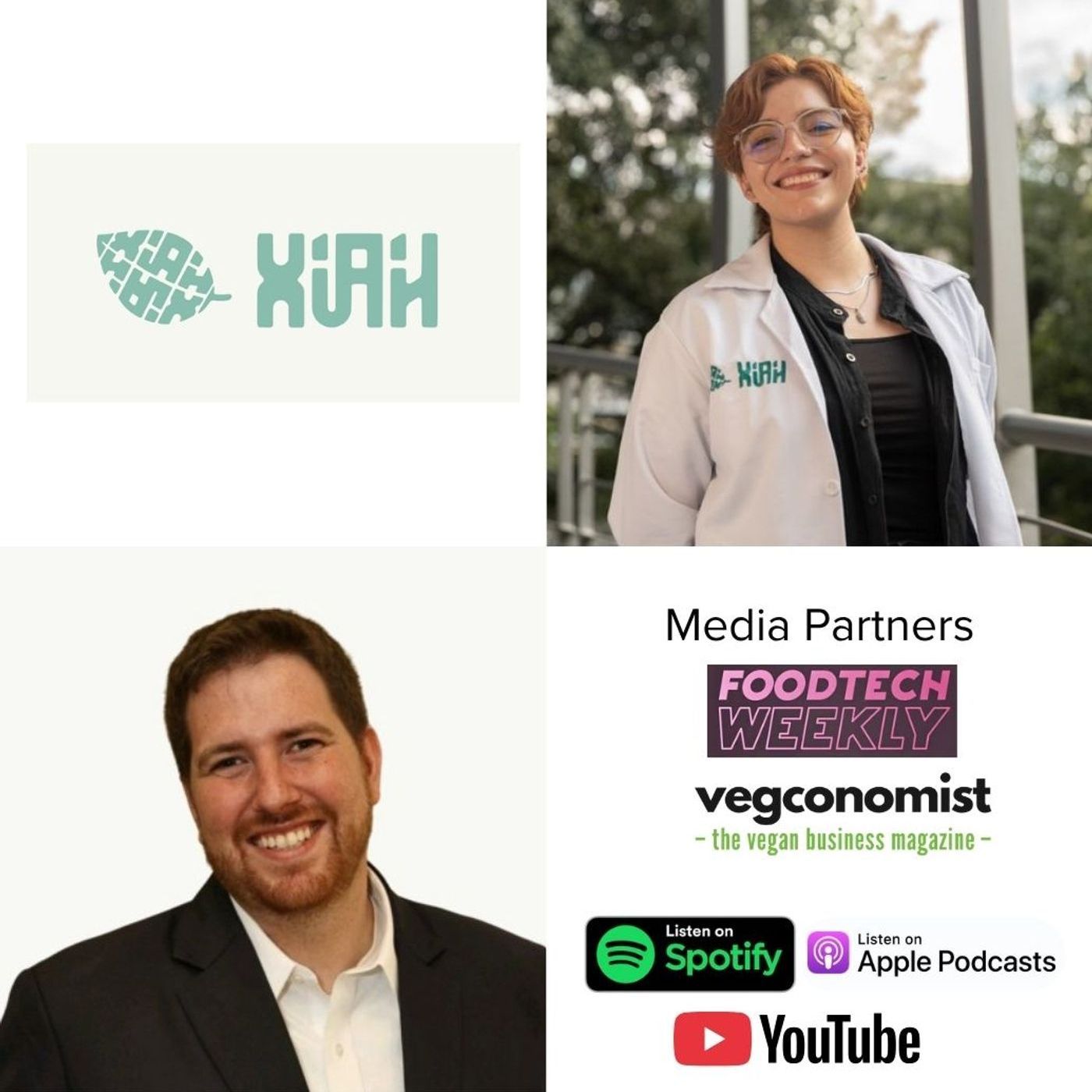
Episode 118: XiA'H: Dan Cabral on Being "Found" by Investors from Monterrey, Pivoting from Product to Platform, and Turning LOIs into Paid Pilots In this episode — a first for the show, our first founder from Mexico — I speak with Dan Cabral, CEO & Co-Founder of XiA'H, a Monterrey-based biotech that discovers, develops, and scales science-backed functional ingredients from nature using biotechnology. XiA'H just received investment from Big Idea Ventures, kick-starting its pre-seed round. Dan's story is a playbook for building outside the big VC hubs: starting with essentially zero pesos and an FFF round, she stitched together global accelerators — a START Fellowship at the University of St. Gallen that took him to Switzerland for six months, then Mass Challenge — until the ecosystem started referring him upward and Big Idea Ventures reached in on LinkedIn and "found" him. We dig into XiA'H's sharp pivot from a B2C functional chewing gum to a B2B ingredient platform, how they de-risk a famously fragmented ingredient-development pipeline, and how they beat the "you're too early / can young scientists really execute?" objection by converting LOIs into paid pilots and scaling to 50-litre bioreactor batches. 🎧 Listen to the full episode to hear how a founder in a "blooming but new" ecosystem gets found by a global fund, how XiA'H compresses ingredient development from 6–10 years to 2–3 (and one protein matrix from months to two weeks), the pet-nutrition work they're proud of, how Dan raised an FFF round without fear, and why she'll "follow XiA'H to the end of the world" if that's what scaling takes. Key Facts: XiA'H Dan Cabral (CEO & Co-Founder): https://www.linkedin.com/in/dan-cp Website: https://www.xiah.com.mx/ Headquarters: Monterrey, Mexico What They Do: A biotech ingredient platform that discovers, develops, and scales science-backed active functional ingredients from nature. XiA'H transforms plant biomass into high-value bioactives using precision fermentation and enzyme-based processing (rather than harsh solvents or heat), bridging the gap between science and commercial execution for brands. Funding: Pre-seed round kick-started by an investment from Big Idea Ventures (Global Food Innovation Fund II); currently raising the balance of the pre-seed from angels, VCs, strategics/CVCs, and non-dilutive grants. Blurb XiA'H is proof that world-class deep-tech founders are everywhere — the opportunity just isn't evenly distributed yet. Based in Monterrey and built by a pair of self-described "crazy scientists" (Dan Cabral and his sister), XiA'H uses precision fermentation and enzyme-based processing to turn plant biomass into high-value functional ingredients, standing in the gap between promising science and market-ready product. In an ingredient industry that is powerful but deeply fragmented — where brands want new, natural, functional ingredients already shelf-stable and de-risked — XiA'H compresses a development cycle that normally runs six...
Dan Cabral: a lot of investors that we've talked to sometimes see us at really early stage. Like like this is just an idea that we are not doing. us as a team that it's basically composed of young scientists with a lot of background and with mentors in the ecosystems, they were hesitant about our execution skills. We keep on growing. we have the drive, we have the youth to do it, and we are betting everything to make this as big as possible. And yeah, they bet it up. hi, my name is Dan Cabral. I'm CEO and co-founder of Shia. We are a Mexican biotech startup. basically we discover, develop and scale science backed active functional ingredients that come from nature and with biotechnology. And we've recently received investment from big idea ventures, kick starting our pre seed round. Yeah. Alex Shandrovsky: Amazing. I'm s well I'm really excited about this conversation 'cause like we're talking offline. I've interviewed probably a hundred and twenty founders at this point. This is the first one that's from Mexico. The first one. So I feel I I I'm like I'm really, really excited about the conversation. Just understand, you know, how did you even meet big idea ventures? Like w how did that even happen? Dan Cabral: Yeah, I mean definitely. It was a really I would say like a really faded process kind of thing. we already have like a international network and we've just got like what I would say a lukewarm intro. one of the investment a team member team members like reached in on LinkedIn and he was like, We're really interested in getting to know Shia and We are like on the last print of what these investment possibility can be. do you have a couple of minutes to help on a in a meeting? And then yes, it basically translated into the investment. Alex Shandrovsky: Well, how did you become found? That's a that's cause one thing is, you know, they found you, so them you must have done something to Dan Cabral: Yeah. Alex Shandrovsky: be found. What what do you think were the things that you did that got them to pay attention to you? Dan Cabral: Well, I think that we've done a lot of work to find the opportunities. So in Mexico, sometimes we do lack a little bit of exposure. And as we were granted, for example, like participation in different accelerators that are running at a global scale. I think that a couple of mentors actually referred us to them or they were like part of the LPs of some program and Basically, they barched in and said, This is a lot of innovation and this is something that we want to like explore. And yeah, we were found. Alex Shandrovsky: incredible. So so take take me some some of those programs that you did. Where were the programs and and how did you you know 'cause it sounds like you started with those programs and then you made an impression on on someone in those programs and then those individuals just spread like there's something special happening in Mexico. 'Cause you guys now I'm in Mexico City, correct? Dan Cabral: No, we are in Monterey, Mexico. The startup is based here. Alex Shandrovsky: Okay, is it does the Monterey have an extensive ecosystem of startups? Is that is that considered to be a hub for startups in the region? Dan Cabral: I would say that the main cities, for example, Mexico City, Guadalajara, and Montreal are the ones that have like the biggest number of startups, yet still like a blooming ecosystem. We are really like fairly compared, for example, to the United States, fairly like new beast i in the in the system. So yeah, it was working around and and like trying to connect the those dots and connect to the ones that we were already like seeing that they were growing. Alex Shandrovsky: Okay, amazing. So what were the accelerators you participate? How did you find them? Why were they the right fit for you? Dan Cabral: Yeah, so I come from like an ecosystem, like a university startup ecosystem. And then a couple of like calls were in. For example, start fellowship. I was part of like a program also funded by the University of St. Galen and and I also like went to Switzerland and then connected, for example, with that specific opportunity. I think that that was the moment in which everything started to like fast track itself. we lived six months in Switzerland, kick starting and like basically fast tracking Shia, accelerating it. And then we've connected with mentors at Mass Challenge. And then we got into Mass Challenge this year. And I think that that was the like the connecting dots to get to big idea ventures because I think that they are part of like their allies and actors in the ecosystem. And then everything just made sense. And right now we have a bigger network and we've been participating in other programs like Catalyst and all of that. It's basically outside investment from either the European Union or the United States. Betting on Mexican startups or at least Letham innovation. Alex Shandrovsky: So you were doing your P D PhD in university. There was an open call saying, Hey, there's a residency maybe for for entrepreneurs or novel projects in Switzerland. You applied for that and that gave you the opportunity to and they paid for those expenses as well for you to travel and and stay there. So that you had that ability to stretch your runway. Dan Cabral: Yeah, definitely. We started with basically zero Mexican pesos, zero dollars. we made some ruffles, we made some like FFF fundraising at the very start to like get our logo, get everything. And and we bet a lot of what we wanted to do into Shia. And then it just started translating into this type of opportunities. So when I the first time that I went to Switzerland, it was like kinda related. With the University of St. Galen and government program here, and then it basically was the network, and then they told me you should apply to start fellowship. we moved to Switzerland for half a year, then we returned and after Alex Shandrovsky: How do you do FFF well? I'm really curious about that part, 'cause it sounds like you look you you you know, you went initially to your friend's family and fools, right? And you said, look, I have this idea. Like, first of all, I I feel like a lot of people are scared to go to family or friends too. It's for their for their ideas because my god, I'm gonna lose their money, right? And they get them like it's gonna be so awkward. So so how do you navigate that? Do you have that fear or or or no? I you see differently. Dan Cabral: N not quite. I I I really don't ask a lot from like my friends, family and and the fans that a a lot of people talk here in Mexico changing the fools for fans because they're basically trusting in in in what you can do. And I wasn't scared because I have never asked for money or a lot more than trust me, support me and if I have to go to the end of the world Probably I want you by my side. So when we reached out with this type of like opportunities, they were invested into what Shia can become and is becoming. So my parents, for example, they were like, You're crazy, you're doing, you're finishing the MD, you're doing a lot of stuff, startup, it's a big deal. So yes, we're gonna definitely bet on you. So I think that it's the execution itself, too. They they have always known myself, for example, my sister is also my co founder, that we were like crazy scientists. So yeah, I think that they are betting on this crazy kid's ideas that are turning into a reality. Alex Shandrovsky: And how did you pitch it to them? Like what was at that time the vision? Like what were you 'cause I'm sure things evolve, right? Things things change. So what was the idea back then and has it changed? When you were taking to your friends and family? I speak with founders raising every day and they're all telling me the same thing. It's harder than ever to find investors who are actually deploying and getting access to those leads takes time. Founders just don't have. Every month fundraising is a month burning runway. This is why we created FTW plus a community of founders actually fundraising the world's most accurate agri food tech investor database. plus connecting you directly to ideal target investors and a community of support and accountability. Guaranteed results or your money back. Apply today at www.joinftw.com-hub. Dan Cabral: Yeah, we started with the idea to have a produ a final product, like consumer product, in market. So we started doing like a functional chewing gum and we presented to them. We did a lot of research and and actually they tried the product and they had improved sleep, they have improved stress management. So so it was really good. and there's when it shifted to like These guys are doing something that it's actually working. And as it matured, yeah, they they saw that probably we were not like pivoting or finding that perfect fit. We were developing the technology and then we reached to that and then we pivot and changed from like B to C because doing consumer products is a lot of stuff, a lot of marketing, and we were like really technical and we are still really technical but with a lot of soft skills and people onboarded on the commercial side. And and yeah, then we were like questioning ourselves, what do we do better? And we were like, we do the science better. And then she rebranded a little bit, was born as the BTB platform to do this type of ingredients. Alex Shandrovsky: So so i yeah, if that's really interesting. So initially it was a functional gum and then you said, look, I think our specialty is not building brands. Like our build our our specialty is building science. And we can take that functional part of the science that we know well that we put into the gum and we can basically create that for other brands, but we'll be focusing on the science side of the business. Dan Cabral: Yeah, definitely. And and I mean it was kind of like also faded or or it was just something that we were already seeing, but we'd wanted to try. Because everyone says that you need to have like a flagship product and stuff, but a lot of the infrastructure to get to this type of new foods, new solutions comes from the translation or like the bridge between science and execution and that's basically what we do at Shiatu. Alex Shandrovsky: Okay, amazing. So what was the biggest objection you have you've had to face for investors? Like what is the thing that keeps coming back and how did you get a chance to deal with that objection? Dan Cabral: Yeah. Well damn, right now that we're fundracing, I I we still get it a lot a a lot of investors that we've talked to sometimes see us at really early stage. Like like this is just an idea that we are not doing. But for example, in the last month we converted three pile three loys or like leads into pilots and paid pilots and and the development of those ingredients. So I think that a lot has to do with like the scepticism behind the yeah like the bones inside the closet for innovation in ingredients. Like it takes a lot of time. It takes people that are super knowledgeable in in the topic. And for example, us as a team that it's basically composed of young scientists with a lot of background and with mentors in the ecosystems, they were like hesitant about our execution skills. And we are delivering and cooking around actually showing that it's not an Alex Shandrovsky: Amazing. Dan Cabral: idea We already have a scale up to fifty liters per per batch. We keep on growing. We use, for example, infrastructure that is already available and and with the risk a lot of factors. And I think that that's what the idea also saw, that we have the drive, we have the youth to do it, and we are betting everything to to make this as big as possible. And yeah, they bet it up. Alex Shandrovsky: So take me through just not to go too deep into into science, but I really do want to just understand a little bit of 'cause it's you guys at the stage you're in, right? you're obviously betting on the team and you're you're amazing. like what is the gap that's being filled by you? Like what is a big problem that you're solving? Like, you know, if you didn't exist, what would happen? Dan Cabral: Yeah. So in fact in ingredient innovation there has been a lot of people like doing and and kind of like connecting the dots. we saw still that a lot of the ecosystem remains really, really fragmented. So at the end, when a brand, when a well-established company wants to do a new ingredient, they end up like moving around that thought and wanting to to have the basically like already over the counter or already shelf stable or whatever already in the market yeah ingredient. So we transform that thought and knowing that a lot of like, for example, new laws are getting passed, getting to eliminate synthetic ingredients from formulations. people and and consumers themselves are looking for healthier pr products, products with more functionality, with more nutrition, then it kinda encompasses everything. And we try and we are already de-risking that pipeline of developing the ingredients for them to fast track those products into the market and and have everything yeah ready to to be process to be to be tangible for it. Alex Shandrovsky: So could you give us like one example of like, you know, this is for example something we're look like we have an advantage in this product, right? If I'm thinking listening Dan Cabral: Yeah. Alex Shandrovsky: to this podcast, I'm like, okay, I know I care about novel ingredients or new ingredients to differentiate, like but you know, what kind of work would you say you're proud of? You say like we're seeing we're seeing a lot of great results in X, Y, and Z ingredient. Dan Cabral: Yeah. For example, right now we're working in pet vertical, like pet food vertical and pet nutrition, with a couple of big partners and a couple of like medium enterprises. And what we're seeing right now is that first of all, we formulate way faster. It takes us up to twelve weeks to get the ingredient to a pilot stage with everything in between from like the discovery to a and we are Also, like interconnecting a lot of science that is already there, but in the traditional side of it. For example, traditions with the use of plants that come from Mexican culture or Latan-based ethnobotanics. And and all of that is right now translating. For example, we've developed a protein matrix that took us and I'm not lying two weeks to formulate, and we are already. scaling it up in the bioreactor because we we do use bioreactors to to fast track everything. And that translates into an ingredient that it's already really robust, that sums a lot of functionalities into this vertical and this innovation coal and can be in the market probably with like a couple of like the regulatory space in two or three years instead of taking six to ten years to develop. Alex Shandrovsky: And and this ingredient would w what kind of benefits does it have? Like in the like so this I have a dog, right? I have a beautiful dog. Pookie is his name, he's the wonderful kid wonderful dog. Like if I give him this ingredient, what what's gonna what the benefits that this dog would have? I'm not sure if it's a dog, but what would be the the benefits you think you could hit? Dan Cabral: Yeah, first of all, for example, it's hypoallergenic. So for all all the the the protein sources are really well balanced. They are made with the building blocks, the amino acids, and it's it comes from plants, so it's really digestible, palatability wise, like the taste of it is really good. It adds extra we we call them bioactive ingredients. There are small molecules, for example, antioxidants that are already in the formulation, phenyls, polyphenols that help a lot with, for example, probiotic and postbiotic yeah capabilities. It it translates into a really complex formulation itself, but that complexity also gives it the functionality. So it is designed to perform as a booster for, for example, gut health right now. the building blocks for like muscle in like muscle protein intake and then it adds on antioxidants and a lot of like health benefits for for a doggo that we all love them and that we're right now doing. Alex Shandrovsky: A and then the the bioreactor is 'cause you you doing like solid state fermentation or is it that you're you're you're essentially like growing in like almost like a mycelium or is this using yeast for precision fermentation? Like what what's the what's the actual not to go too deeply into the science, but just to get Yeah. Dan Cabral: Like a little bit of the pipeline, yeah. Yeah, we start first of all with the identification. So we've run a l a computational analysis to pinpoint the bioactives that we want in the formulation. Then we the risk all that so that the trials at lab are as easy as possible, and then we go into the bioreactor, which is basically precision fermentation. And what we do there is that we have our own developed process. with enzymes and microbes that help us not only extract those ingre th those those bioactives, but actually optimize each formulation because sometimes we digest the molecules, sometimes we rearrange them, and then the ingredient it's already done. So so that's what we do. And it's bioreactor based because it helps us maintain the control and the stability throughout the whole formulation itself. replicating a lot of what, for example, a computational analysis is doing, but at a bioreactor scale. Alex Shandrovsky: Just just super nerdy. Is this extracellar or intracellar? Dan Cabral: It's it really depends on the formulation, but right now what we're doing, for example, with everything on the NSM site is intracellular. So so that's what we are at. Alex Shandrovsky: Okay, super cool. Okay. Awesome. Well, first of all we just got a little nerdy there in the science, which I really Dan Cabral: In real, yeah. Alex Shandrovsky: th that was very, very, very fun. L last two questions come up. One is, you know, like one of the things I'm thinking about is there's such a developing ecosystem in Mexico, but like what do you see the next stage of the fundraiser? You have a big idea of ventures, but now what what are you what are you doing to prepare yourself for the for the raising of the entire pre seed round? Or is it for local angels, is it strategics, is it corporate partners like How do you see the fundraising process for somebody that's not like in the large ecosystem of VCs like you know, New York, Boston or San Francisco? Dan Cabral: Yes. So we we know that we have to move. There's like those little lights of hope throughout Let Dam, which are actively investing, which are betting on local science. So yes, we do have like a full pipeline, a full CRM with investors from all parts of the world that do have a mandate to invest in Let Dam. Not because, for example, we are also a US company. So there's a lot of flexibility, especially with like fundraising part, but knowing that the science will come from our lab that is based in Mexico, right? So what we're doing right now is that yes, we are talking to angels, we are talking, for example, to another VCs. We are gonna have a growth sprint and a like kind of demo day and and and showcase with VID Aventures Network. And we are already attracting a lot of interest, for example, for from companies, from like those big partners with CBCs, with the possibility to also be acquirers of our technology, thinking about like a really, really positive staging which we can acquire, for example, which is our exit strategy itself. And and yeah, I mean it's a little bit of like a wall and a mix of what we're doing right now. definitely also racing from like grants and stuff, but those are like boosters to to keep on fueling R and D verticals and and something that has to do with keep on fueling the innovation here at Chia. Alex Shandrovsky: And do you see yourself staying in Mexico itself in Monterey or do you d need to f move to like a Netherlands or US? Or you feel it is that pr something that your investors have asked you about? Dan Cabral: I mean, yeah, I I've talked this with my team too. And wherever Shia takes us, we are gonna move. we saw it when we were in Switzerland, we saw it when I was like touring the world. I was one week in Japan, then India, then back to Switzerland. And and we're gonna move to where we don't get like staged or like we don't get a barrier. And if Mexico is not ready for it, probably yes, we're gonna be moving to another part. would really love to explore the opportunities, for example, in the EU, but with Big Ideas Venture and like this great arm, United States seems like a great ally too. So and we're really close to them. Basically it's a three hour road trip to to Texas, for example. So So yeah, if Shia takes us to the end of the world, we are gonna follow Shia to the end of the world. Alex Shandrovsky: I love it. gosh. Yeah, your your your passion and your confidence shines through. you know, in terms of what you feel like you can give to our listeners, there's obvious a lot of other founders that are listening, there's other investors, but from a founder say, is there some type of conversation you like having with founders or others that you feel like look, I think I have a good sense of of this and I'm happy to share my insights. Dan Cabral: Yes. I'm really always open to to be reached to. Like shout me an email, shout me a message on LinkedIn. If you have a problem with bio and and I I mean we're connected, but yes, we're not as big as like I don't know, other branches, for example. But I'm definitely down to earth to talk about the founder experience itself. So I I talk a lot with like youth programs, especially with you young scientists that want to start a startup or that have that little itch to to fuel on innovation on that side and I and I love it. Our lab is always open for people that need a space because we were also on that stage. Four years ago we had one dream, one table and a cardboard box with our first unit for like the distilling the the basic MVP that we we used to have. And right now we have a lab. we are right now at the lab. And if if you're seeing this in like the the video itself, we have a lab, we have a lot of machines, we have a lot of resources, and we're always open to share them. So if you are a founder building in bio, you are young and you seem like you're losing hope, reach out. I'm probably gonna be able to connect you to some other founder, to one of my networks, to an angel. And and yes, we right now with the partnership with Fungivora, we posted about mycelium grows like underneath the ground, but itself it's a network. And as much as we nurture it, innovation will come through. So that's what we do. Alex Shandrovsky: Amazing. And how can we help you over the next six to twelve months? What are you focused on? What kind of conversations do you want to have in the with the ecosystem? Dan Cabral: Yeah. So if you are building a new product, if you are in a company, in a corporate, with an open innovation challenge, especially with functional ingredients or looking for someone to invest to, know someone, connect the seven people rule, right? Basically, we will be really in-depth if you connect us to it to them. we're developing ingredients, we're taking partners to pilot and to develop. their ingredients, their ideas too. And that's I think the the best that we can get as a yeah, like a little bit of a retribution from the ecosystem. those connections have fast tracked us and we keep on believing that probably we're gonna close around like that or we're gonna become profitable with a lot of people that are gonna refer us to to potential clients. Yeah. Alex Shandrovsky: Amazing. Well, Don, thank you so much for this conversation. Learned a ton from you and your positivity is very, very inspiring. So thank you so much. Dan Cabral: No, thank you, Alex. I I I when when I told my team that we were meeting for the podcast, they were like, my god, someone is looking at us and and yeah, thank you for the exposure, for the time, and it means the world to us.