
Interplace · Brad Weed
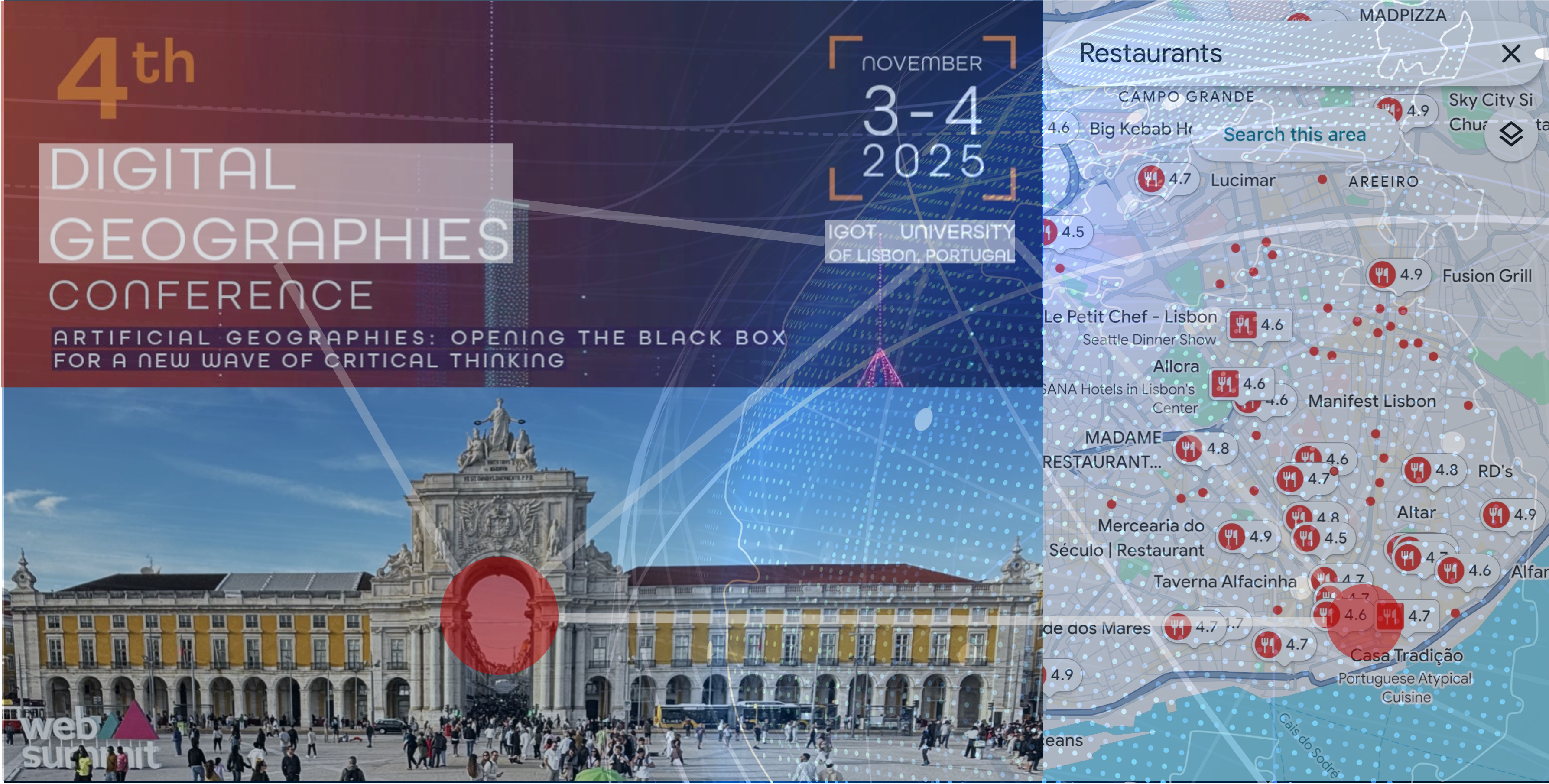
Hello Interactors, I’m back! After a bit of a hiatus traveling Southern Europe, where my wife had meetings in Northern Italy and I gave a talk in Lisbon. We visited a couple spots in Spain in between. Now it’s time to dive back into our exploration of economic geography. My time navigating those historic cities — while grappling with the apps on my phone — turned out to be the perfect, if slightly frustrating, introduction to the subject of the conference, Digital Geography. The presentation I prepared for the Lisbon conference, and which I hint at here, traces how the technical optimism of early desktop software evolved into the all-encompassing power of Platform Capital. We explore how digital systems like Airbnb and Google Maps have become more than just convenient tools. They are the primary architects of urban value. They don’t just reflect economic patterns. They mandate them. They reorganize rent extraction by dictating interactions with commerce and concentrating control. This is the new financialized city, and the uncomfortable question we must face is this: Are we leveraging these tools toward a new beneficial height, or are the tools exploiting us in ways that transcends oversight? CARTOGRAPHY’S COMPUTATIONAL CONVERGENCE I was sweating five minutes in when I realized we were headed to the wrong place. We picked up the pace, up steep grades, glissading down narrow sidewalks avoiding trolley cars and private cars inching pinched hairpins with seven point turns. I was looking at my phone with one eye and the cobbled streets with the other. Apple Maps had led us astray. But there we were, my wife and I, having emerged from the metro stop at Lisbon’s shoreline with a massive cruise ship looming over us like a misplaced high-rise. We needed to be somewhere up those notorious steep streets behind us in 10 minutes. So up we went, winding through narrow streets and passages. Lisbon is hilly. We past the clusters of tourists rolling luggage, around locals lugging groceries. I had come to present at the 4th Digital Geographies Conference, and the organizers had scheduled a walking tour of Lisbon. Yet here I was, performing the very platform-mediated tourism that the attendees came to interrogate. My own phone was likely using the same mapping API I used to book my AirBnB. These platforms were actively reshaping the Lisbon around us. The irony wasn’t lost on me. We had gathered to critically examine digital geography while simultaneously embodying its contradictions. That became even more apparent as we gathered for our walking tour. We met in a square these platform algorithms don’t push. It’s not “liked”, “starred”, nor “Instagrammed.” But it was populated nonetheless…with locals not tourists. Mostly immigrants. The virtual was met with reality. What exactly were we examining as we stood there, phones in hand, embodying the very contradictions we’d gathered to critique? Three decades ago, as an undergraduate at UC Santa Barbara, I would have...
0:10SPEAKER_00Hello, Interactors.
0:12SPEAKER_00I'm back.
0:14SPEAKER_00After a bit of a hiatus traveling Southern Europe,
0:17where my wife and I had meetings in Northern Italy and I gave a
0:20talk in Lisbon.
0:22SPEAKER_00We visited a couple spots in Spain in between.
0:26SPEAKER_00Now it's time to dive back into our exploration of economic geography.
0:32SPEAKER_00My time navigating those historic cities,
0:35SPEAKER_00while grappling with the apps on my phone,
0:38SPEAKER_00turned out to be the perfect,
0:40SPEAKER_00if slightly frustrating,
0:41SPEAKER_00introduction to the subject of the conference,
0:44SPEAKER_00digital geography.
0:47SPEAKER_00The presentation I prepared for the Lisbon conference,
0:50SPEAKER_00and which I hint at here,