
I Believe · Joel K. Douglas
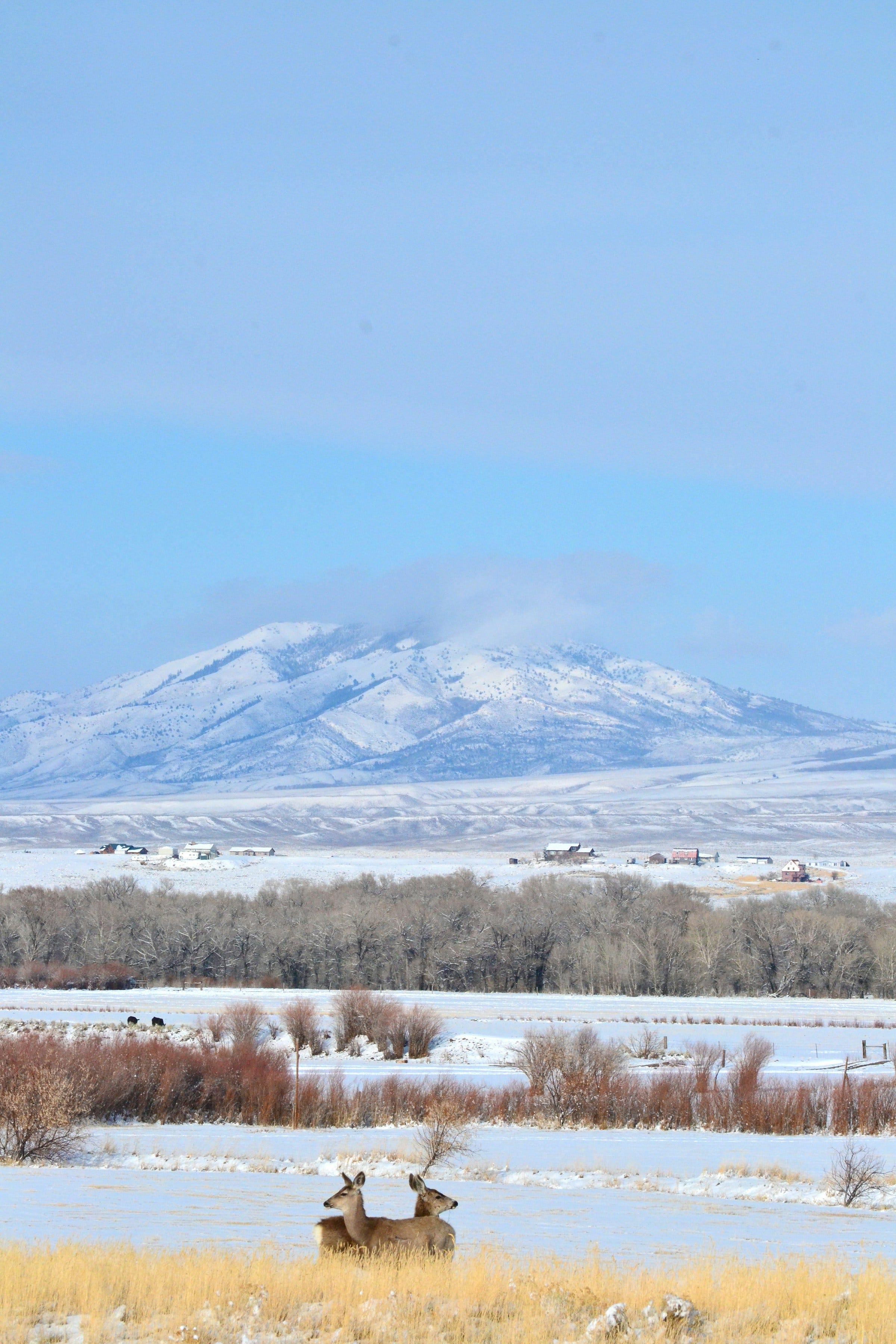
Snow covered the pines through the valley, aspens hanging on to their brown, gold, and yellow leaves. Many had already fallen. Cold air and heavy clouds clung to the mountains. Some white still falling, the snow on the ground reflected a little blue from the sky. The valley and peaks looked gray-blue. In Saratoga, a small mountain ranching town in Wyoming, a row of nice SUVs lined the fence at the town airport. About half of them had snow on them. A nearby luxury resort brings guests in by private aircraft. Everyday hardworking people drive by and see it. They live in the town. They work in the businesses that make a place like this possible. When they look at their own lives, what reason do they have to believe that the person they elected to represent them takes their welfare as seriously as the welfare of the people flying in? That question is the argument about affordability. People can judge their leaders by whether those leaders attempt to achieve the national goals, even if they don’t consciously think in those terms. They expect justice. They expect their government to concern itself with their welfare. And when they believe their leaders have overlooked them in favor of somebody else, they feel betrayed. That same day, Greg Ip raised a related question in The Wall Street Journal. He wrote, “All politicians in their gut believe voters can be bought….Yet the puzzling thing is that shoveling money at voters has a terrible electoral track record.” A government can help people, and people can reward it for helping them. A family that receives meaningful help has good reason to value it. But that help doesn’t settle the larger question of how their leaders have governed. A family can appreciate a tax cut and still believe the government has treated them unfairly. Need the money and still judge the leader who offers it. Accept help while wondering why they need so much of it. [Paige] There are a lot of ingredients in the affordability pressure cooker this year. Inflation. Business survival. Tariffs. Energy costs. Prices this September were 3.7 percent higher than a year ago. Raises come slower than inflation and hardworking people lose purchasing power. Producer inflation came in even higher, up 6.3 percent over the same year. Things like energy, food, manufactured supplies, services. Businesses have to survive and they have a responsibility to pay their labor. They need revenue to do it, and they need profit to keep investing and operating. If a business can’t cover its costs, at some point it has to make the numbers make sense and labor ends up getting cut. Bottom line. The business owner needs affordable inputs. The worker, a wage that will support a family. The farmer, a viable market, and the family buying groceries needs food it can afford. [Joel] Enough economics. This is a leadership topic. What responsibility does government have toward the people living with the consequences of its decisions? Our national goals give elected leaders...
0:00[music]
0:20SPEAKER_01Welcome to I Believe, where we talk about America.
0:24SPEAKER_01I'm Joel Douglas, and I Believe in America.
0:27SPEAKER_01Thanks for joining me.
0:34SPEAKER_01Snow covered the pines through the valley,
0:36SPEAKER_01aspens hanging on to their brown, gold, and yellow leaves.
0:40SPEAKER_01Many had already fallen.
0:42SPEAKER_01Cold air and heavy clouds clung to the mountains.
0:45SPEAKER_01Some white still falling, the snow on the ground reflected a little blue from the sky.
0:50SPEAKER_01The valley and peaks looked gray-blue.
0:53SPEAKER_01In Saratoga,
0:54SPEAKER_01a small mountain ranching town in Wyoming,
0:57SPEAKER_01a row of nice SUVs lined the fence at the town airport.
1:01SPEAKER_01About half of them had snow on them.
1:03SPEAKER_01A nearby luxury resort brings guests in by private aircraft.