
How to Live in Denmark · Kay Xander Mellish
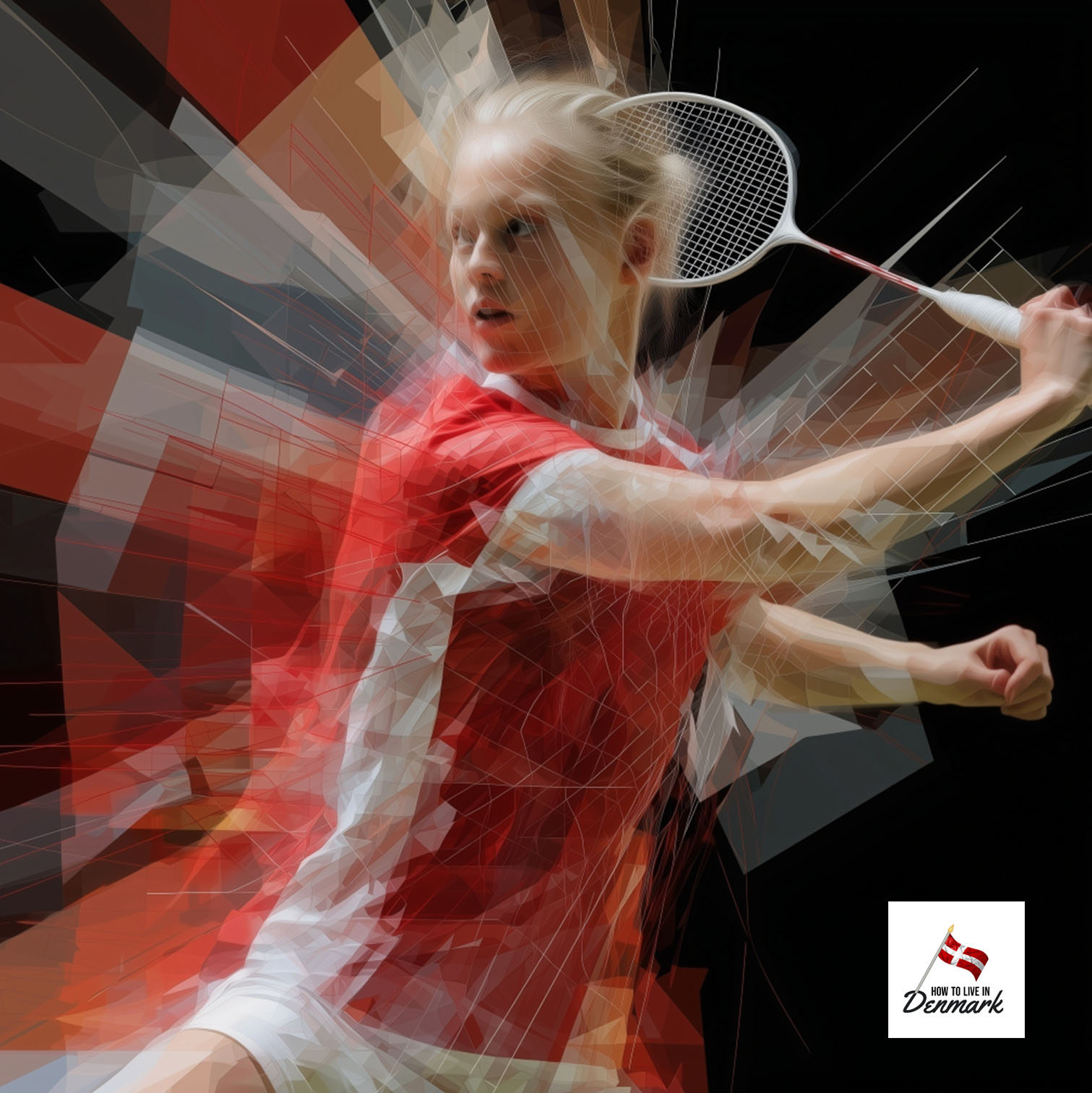
Denmark may be a small country, but it produces world-class athletes in cycling, tennis, handball, badminton, and golf. How do they do it? And how does the tax-financed effort to create athletic champions fit with the culture code of "Jante Law", the idea is that no one should think themselves better than anyone else? September is when fall sports season starts in Denmark. The badminton league begins, so does volleyball and basketball and hockey. Most importantly, the handball season kicks off, and while I'm not a handball fan myself, I always know when that season is underway because my otherwise mild-mannered downstairs neighbor begins screaming at his flatscreen, cheering on or scolding Denmark's handball girls or handball boys, the teams are equally popular in Denmark. Team handball was invented in Denmark – and like design, it's a national passion. Danish teams have won several World Championships and many Olympic Gold Medals. Football, otherwise known as soccer, is popular too, although given the international competition, it's a bit harder for little Denmark to win championships. The Danish national team did win a European championship in 1992, something any Danish man over 40 will be happy to discuss with you in great detail. Right now there are more than 300,000 registered football players in Denmark if you count amateur, pro, and semi-pro teams. The population of Denmark is 6 million. That means one out of every 20 Danes is on a football team. Danish athletes are not particularly rich, and the ones who do make big money have tapped into markets outside of Denmark. The most famous is badminton player Viktor Axelsen. Since badminton is most popular in Asia, Viktor Axelsen learned fluent Mandarin Chinese. There are lots of endorsements in the Chinese market. The golfing Højgaard twins, Rasmus and Nicolai, make their money on the international golf circuits, in particular the PGA. Both of them also have endorsement deals. And Tour de France winner Jonas Vingegaard makes his money not just in France, but also via international endorsements. Many Danes do sports in their spare time. A bike ride through Copenhagen wouldn't be complete without a middle-aged Lycra lout cyclist who thinks he's Jonas Vingegaard speeding past you in the bike lanes, sometimes screaming "Bagfra!" or "I'm coming up behind you!" Besides criminals and welfare cheats, these are the least liked men in Denmark. And many Danes are involved with what's often described as hygge sports, where the win or the loss isn't as important as the beers with your buddies or pasta with your girls afterwards. These leagues cover the entire lifespan – old boys football clubs or old girls rowing teams can keep you fit long past retirement age – and they often start in childhood. Schools in Denmark have physical education classes – under the old Viking word idraet – but they rarely have school sports teams. Sports are played through clubs, mostly amateur clubs, which is nice for the...
0:00Hello and welcome to the How to
0:03Live in Denmark podcast.
0:05I'm Kay Xander Mellish.
0:08I've referred to "The Danish Year"
0:11before on How to Live in Denmark.
0:13It's a series of events that are
0:15simply expected to happen every
0:17year in Denmark, even if they aren't
0:20formal holidays.
0:22In 2025, I'm going to try to do a
0:24podcast every month about aspects
0:27of the Danish year and how they fit
0:30into the overall context of
0:32where Denmark is coming from and
0:34where it's going.