
How to Live in Denmark · Kay Xander Mellish
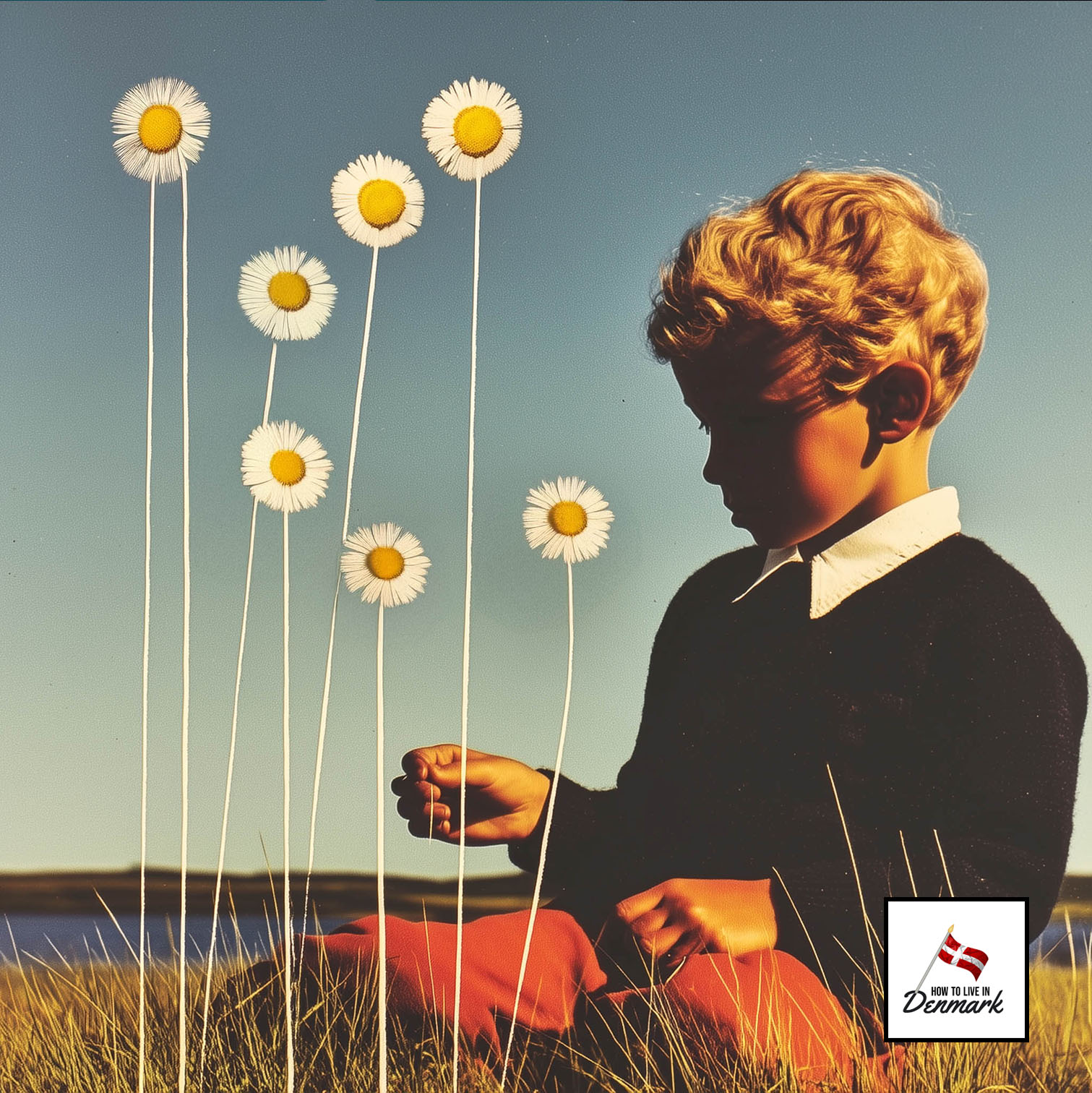
July is vacation month in Denmark, and it's ironic that many Danes go elsewhere on vacation at just this time of year, when you have the best chance of good weather in Denmark. And I do mean chance – there is never any guarantee. Some Danes go abroad, driving vacations to Southern Europe are popular. There's a well-known cycle in which the summer weather is good one year, so everyone plans a vacation in Denmark the following year, and then the weather is awful, so everyone plans a foreign vacation the next year, and then the weather is good, and so on. You can surf in Denmark Staying in Denmark, even if you don't own one of the famous Danish summer houses, can be a great choice. There's a surprising amount of nature to experience in this small, flat, country that isn't as densely populated as the UK, or the Netherlands, or even Germany. You can surf in Denmark, along the windy west coast, and when you're done explore the ever changing sand dunes. Maybe visit the little lighthouse that is slowly being swallowed up by the sand. Hike through ancient forests in Denmark In Denmark you can hike through ancient forests, and even sleep there in some of the public forest shelters. Most of the forest shelters are big wooden boxes with one side entirely open, but with a roof to protect you from the rain. You can walk through beautiful meadows filled with wildflowers and butterflies. Watch whales along the coastline. Tramp through marshes and see red foxes and white-tailed eagles. Visit open grasslands with a few wild horses. Chalk cliffs and fossil hunting in Denmark You can enjoy almost any type of Nordic landscape except mountains, because Denmark doesn't really have any. It's tallest peak, Møllehøj, is 1/3 the height of the Empire State Building. But if you insist on rocky peaks, you can visit some lovely chalk cliffs in Denmark and try fossil hunting in the sand. And what ties them all together is the Marguerite Route, or Daisy Route, that runs all over Denmark. The Daisy Route isn't a straight line from one place to another, like Route 66 in the US or the Trans-Siberian express. It's 4200 kilometers, or 2600 miles, that looks like a plate of spaghetti, with lots of curves and twists. It takes you on back roads where you can see the quiet side of Denmark. It never doubles back on itself and, with one significant exception – the Big Belt Bridge between Zealand and Fyn – it involves no highways. Margueritruten Route or the Daisy Route The Daisy Route is named after the former queen, Margrethe, who inaugurated it on her 50th birthday in 1991. Her nickname is Daisy. And the signs you will follow on the Daisy Route are brown squares with white daisies. The Daisy Route is a great way to enjoy Danish nature, although, unfortunately, it works best with a car. Bikes in the city, cars in the countryside One of Denmark's little secrets is that despite all the tourism pictures of healthy Danes riding bicycles, bicycle infrastructure is best in the big...
0:00Hello and welcome to the
0:02How to Live in Denmark
0:03podcast.
0:04I'm Kay Xander Mellish.
0:07July is vacation month in
0:09Denmark, and it's ironic
0:11that many Danes go
0:12elsewhere on vacation at
0:14just this time of year,
0:15when you have the best
0:16chance of good weather
0:18in Denmark, and I do mean
0:20chance, there is never any
0:21guarantee.
0:23Some Danes go abroad.