
HISTORY AMERICAN · HISTORY AMERICAN
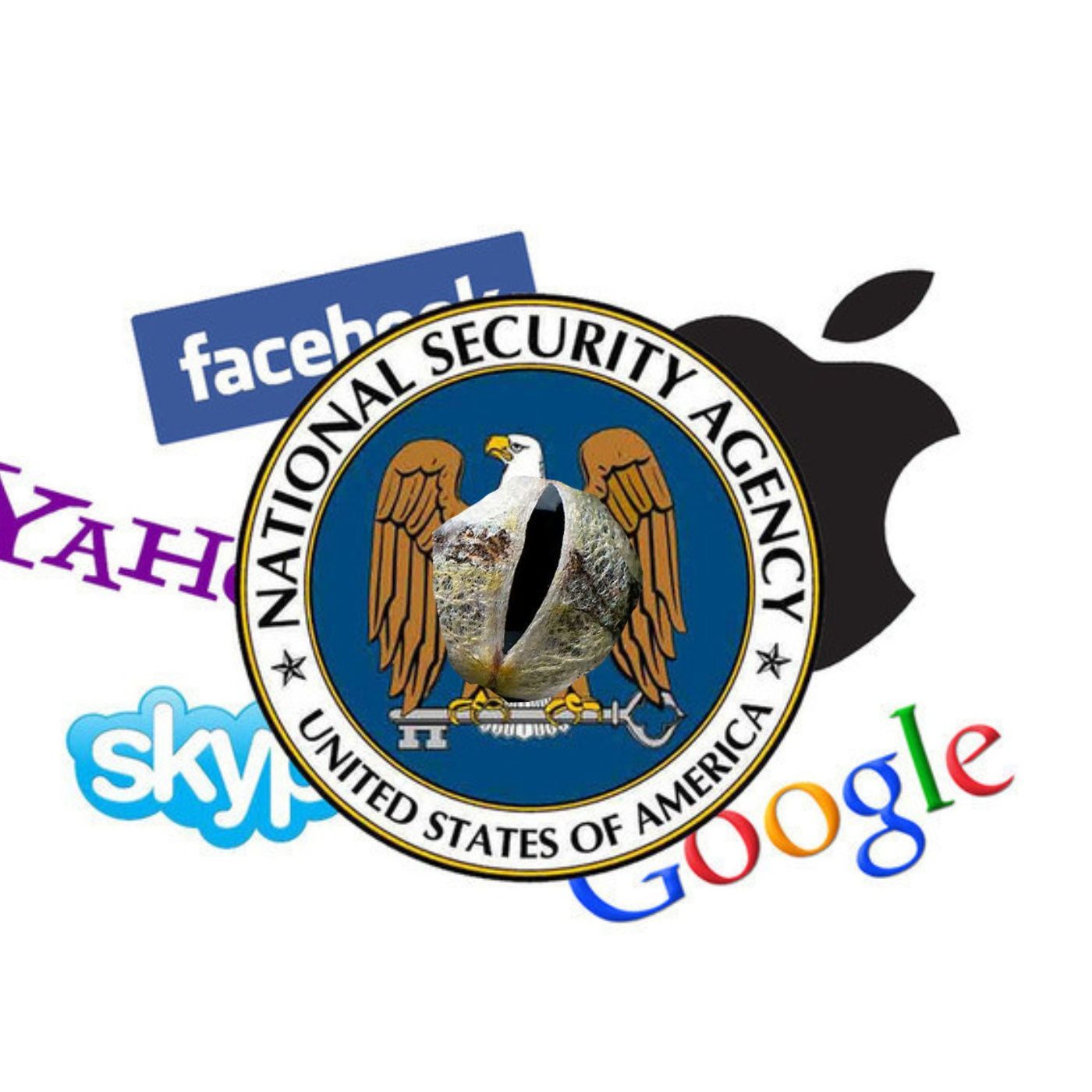
PRISM and the mass surveillance network PRISM is the code name for a secret cyber-surveillance and data-collection program launched in 2007 by the United States National Security Agency (NSA). It operated under the legal framework of the Foreign Intelligence Surveillance Act (FISA) and gained global notoriety in June 2013 after being leaked by former analyst c. How PRISM WorksThrough classified court orders issued by the FISA Court, the NSA compelled major US technology companies (including Microsoft, Yahoo, Google, Facebook, Apple, Skype, and AOL) to hand over collected user data. While it did not grant direct, unrestricted access to servers like a conventional hack, the program allowed agencies to request and extract: Emails and text chats. Voice and video calls (VoIP). Connection histories, uploaded files (photos, documents), and metadata. The Mass Surveillance NetworkThe concept of mass surveillance refers to the systematic, untargeted, and large-scale monitoring of entire populations or large groups of users without requiring individual reasonable suspicion or warrants. PRISM was just one component within a broader global network run by the US and its international allies: ComponentDescription / FunctionSection 702 (FISA)The legal basis for PRISM. It allows the collection of electronic communications from non-US persons abroad without a specific warrant, incidentally capturing data from millions of interconnected individuals.Upstream CollectionInterception of network traffic as it flows directly through physical internet infrastructure (undersea fiber-optic cables)."Five Eyes" AllianceAn intelligence-sharing network among the US, UK (GCHQ), Canada, Australia, and New Zealand that enabled coordinated global monitoring.Metadata CollectionAutomatic logging of who communicates with whom, when, for how long, and from what geographical location.Impact and Consequences Privacy Debate: The disclosures proved that ordinary citizens were routinely swept up in mass surveillance nets. Widespread Encryption: Major web platforms and services adopted default HTTPS protocols and end-to-end encryption to mitigate interception. Legal Reforms: Led to legislative changes, such as the 2015 USA FREEDOM Act, which aimed to curb the bulk collection of phone records. Become a supporter of this podcast: https://www.spreaker.com/podcast/history-american--6771636/support. SUPPORT US DIRECTLY: 💳PAYPAL 💳 https://www.paypal.me/paypal2025186 📩₿ITCOIN📩 bc1ph3lk6nkcwx7acr52959cx8f9njly8m0q4ylm6xxgjg63wl6vyy4su6475d 💌✍🏻[email protected]💌✍🏻
0:02Speaker 1In 2011, two years before the attack, Russian intelligence services
0:06Speaker 1formally warned the FBI that Tamerlan had embraced radical extremism.
0:10Speaker 2Right. The U.S. even placed him on a federal watch list.
0:13Speaker 1And then he travels internationally to Dagestan, a region known
0:17Speaker 1for militant insurgency.
0:18Speaker 2Which is a huge red flag. That travel pattern alone,
0:21Speaker 2combined with a foreign intelligence warning from Russia... That should
0:24Speaker 2have triggered immediate sustained scrutiny within any targeted surveillance framework.
0:28Speaker 1Absolutely. Furthermore, upon his return to the U.S., Tamerlan engaged
0:32Speaker 1in the exact type of digital behavior prism was ostensibly
0:35Speaker 1built to detect.
0:35Speaker 2How was he doing?
0:36Speaker 1He utilized major search engines to literally research how to
0:40Speaker 1construct improvised explosive devices using pressure cookers.
0:45Speaker 2He is Googling bomb recipes while sitting on a federal