
Here's Why · Bloomberg
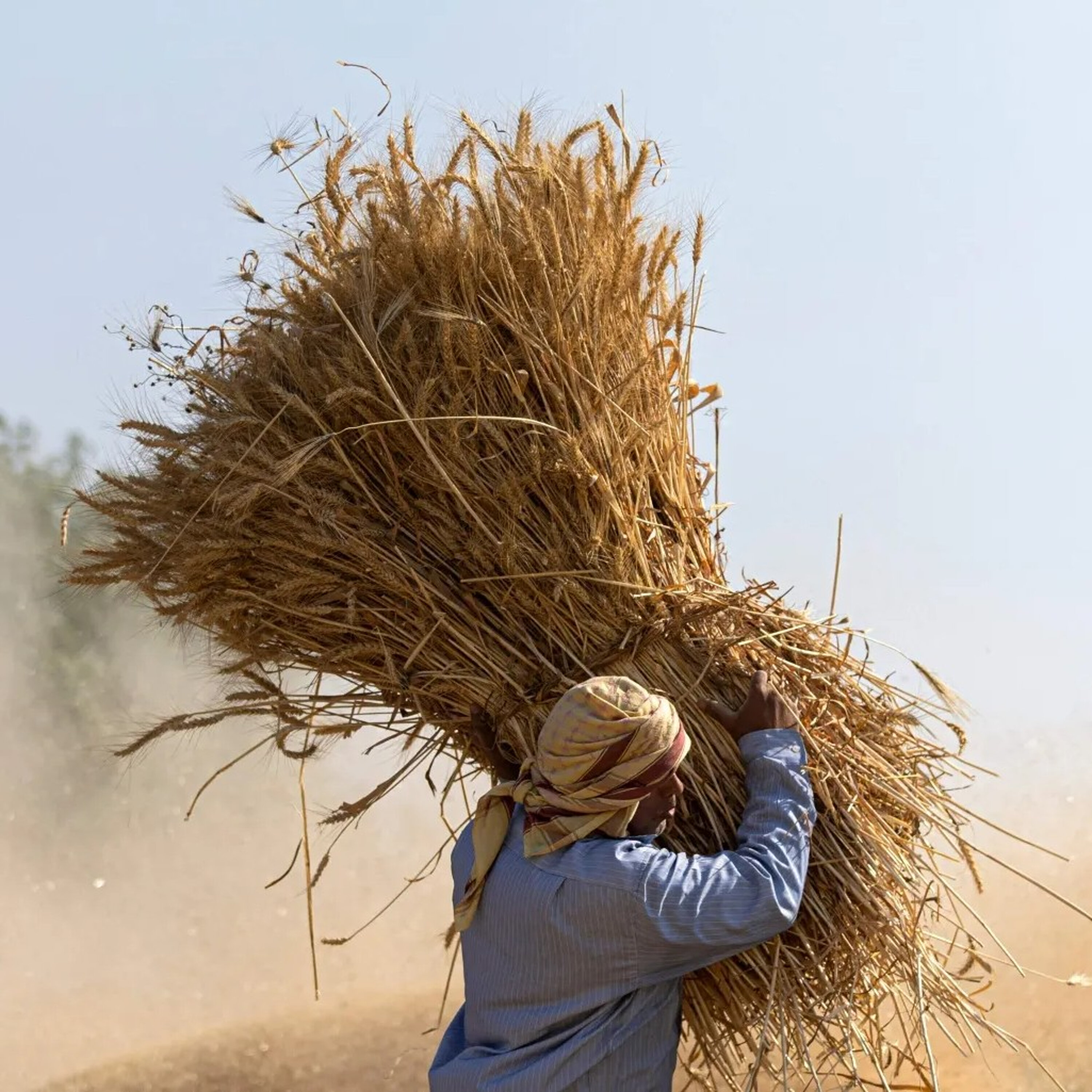
A UN index of food-commodity prices has hit its highest level in more than three years, as extreme weather, wildfires and conflicts disrupt crop growing and transport. Wheat, corn and sugar are among the key foodstuffs that have seen sharp prices rises. So how significant is the damage to supplies, and how long could a recovery take? Our agriculture reporter Eleanor Thornber joins Stephen Carroll to discuss.
0:02Speaker 1Bloomberg Audio Studios, podcasts, radio news. I'm Stephen Carroll, and
0:10Speaker 1this is Here's Why, where we take one news story
0:12Speaker 1and explain it in just a few minutes with our
0:14Speaker 1experts here at Bloomberg.
0:20Speaker 2KEA stress and vegetation is just baking plants and vegetation
0:25Speaker 2farmland into wildfire fuel.
0:27Speaker 1Essentially, when we have any kind of climate related yield
0:30Speaker 1shock or any yield shog per se, then prices usually
0:34Speaker 1go up, so food will be more expensive.
0:37Speaker 2We have the Russian, you know, attacking the capacity of
0:40Speaker 2Ukraine to export the grain to Europe and the rest
0:43Speaker 2of the world, and I think it will be the
0:46Speaker 2next supply shock will be on foot. If we project
0:49Speaker 2the impact of the Strait of Homoons, for example, by twenty.
0:53Speaker 1Thirty, it means twenty million or more people in hunger.