
Geology Bites: An Earth and Planetary Science Podcast · Oliver Strimpel
Most of the material in the Earth and other planets exists under extremes of pressure and temperature quite unlike those we inhabit on the surface of the Earth. Steve Jacobsen is a mineral physicist who studies how rocks and minerals behave under such alien conditions. In the podcast, we discuss his experiments and what we’ve learned about three extreme environments: the core-mantle boundary, the mantle transition zone, and the surface of the Moon. Jacobsen is a Professor of Geological Sciences at the University of Colorado Boulder. The image shows him in his optical spectroscopy lab, where extreme conditions found throughout the solar system are re-created. Illustrations and full transcript: https://geologybites.com/steve-jacobsen
0:04This is Geology Bites with Oliver Strimpel.
0:08Imagine forcing a piece of material no bigger than a pencil
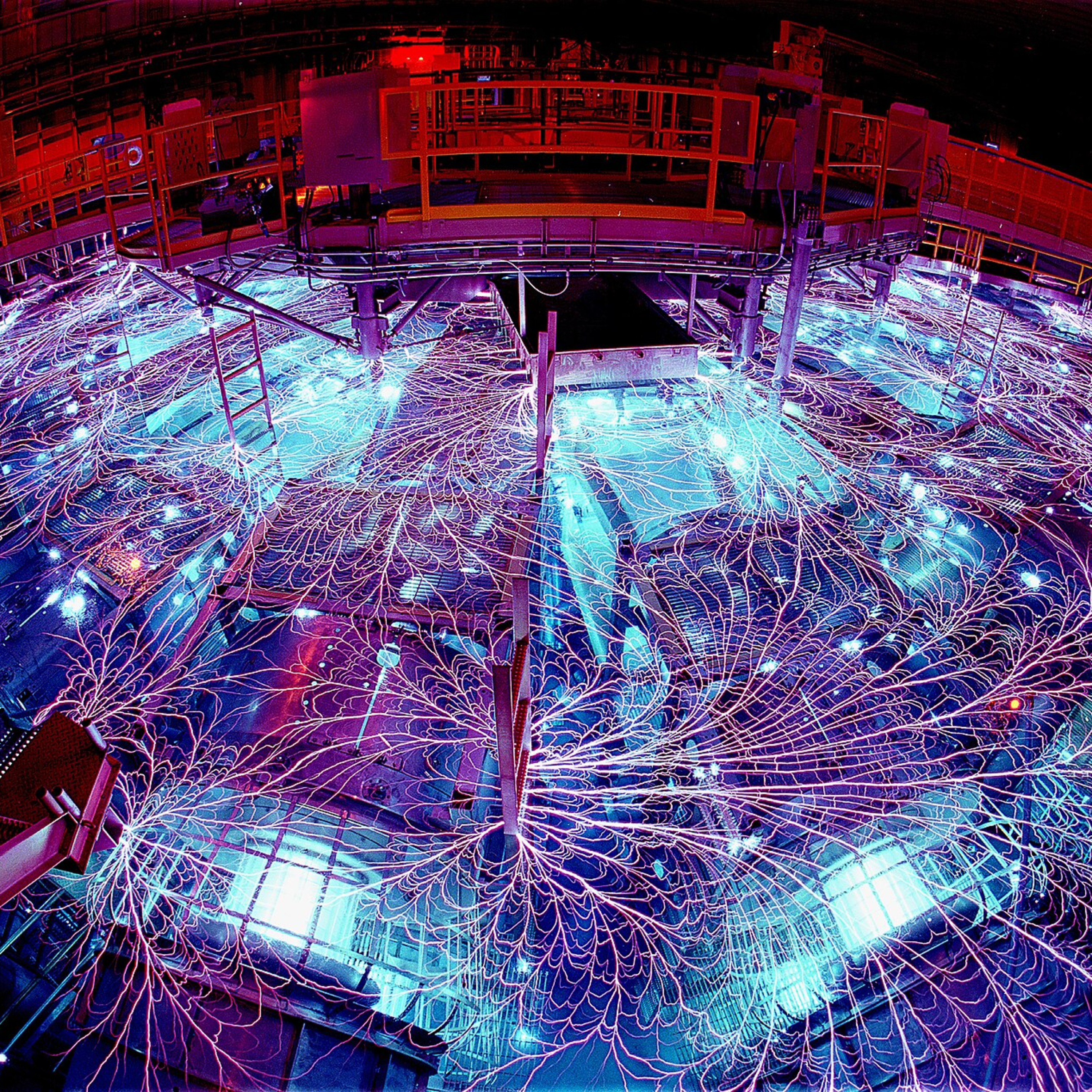
0:12eraser into a vice that generates pressures and
0:15temperatures equivalent to those at the centre of the earth.
0:19This is what happens at the Z Machine, a facility at Sandia
0:23National Laboratories, and my guest today uses it to
0:27understand what materials are really like deep inside planets.
0:32Most of the material inside the Earth and other rocky bodies
0:36exists under conditions utterly unlike anything on our surface.
0:40Descend just a short distance below the surface, and pressures
0:44and temperatures quickly reach values orders of magnitude
0:47beyond our everyday experience. To understand how different
0:51planets work, why some are geologically dynamic and others
0:55are static, and how their interiors have evolved since
0:58they formed, we really want to replicate those conditions in
More Geology Bites: An Earth and Planetary Science Podcast episodes →