
Geology Bites: An Earth and Planetary Science Podcast · Oliver Strimpel
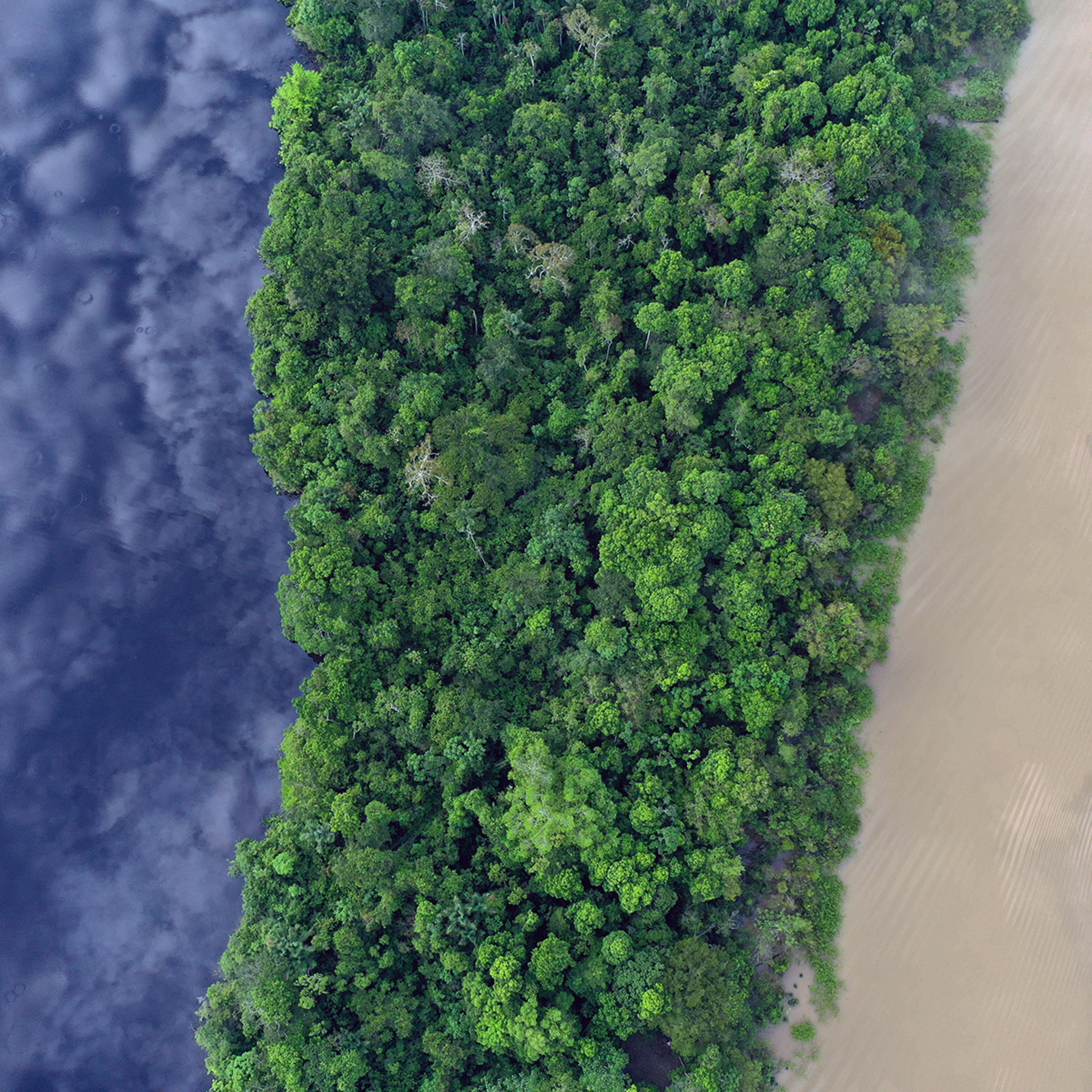
The Amazon Basin is the most biodiverse region on Earth, being the home of one in five of all bird species, one in five of all fish species, and over 40,000 plant species. In the podcast Carina Hoorn explains how the rise of the Andes and marine incursions drove an increase in biodiversity in the Early Miocene. This involved the arrival of fresh river-borne sediments from the eroding mountains and the diversification of aqueous environments caused by influxes of salt water during the marine incursions. Hoorn is an Associate Professor in the Institute for Biodiversity and Ecosystem Dynamics at the University of Amsterdam and Research Associate at the Negaunee Integrative Research Center, Earth Science Section, Field Museum of Natural History, Chicago. Illustrations and full transcript: https://geologybites.com/carina-hoorn
0:04This is Geology Bites with Oliver Strimpel.
0:08The Amazon basin is the most biodiverse region on Earth.
0:13It is the home of one in five of all bird species, one in five of
0:18all fish species, and over 40,000 plant species.
0:22How did this come to be? Can we answer this question just
0:27by looking at the present day climate, soil and other aspects
0:31of the environment? Or do we have to look at the
0:34region's history? Karina Horne has shown that we
0:38need to go back at least 23 million years to the early
0:42Miocene to consider two key geologically caused drivers of
0:46biodiversity, the rise of the Andes and marine incursions.
0:53She is an associate professor in the Institute for Biodiversity
0:56and Ecosystem Dynamics at the University of Amsterdam.
1:01Karina Horne, welcome to Geology Bites.
1:03Thank you very much for inviting me.
More Geology Bites: An Earth and Planetary Science Podcast episodes →