
Evolutionary Insights by Anthropology.net · Anthropology.net
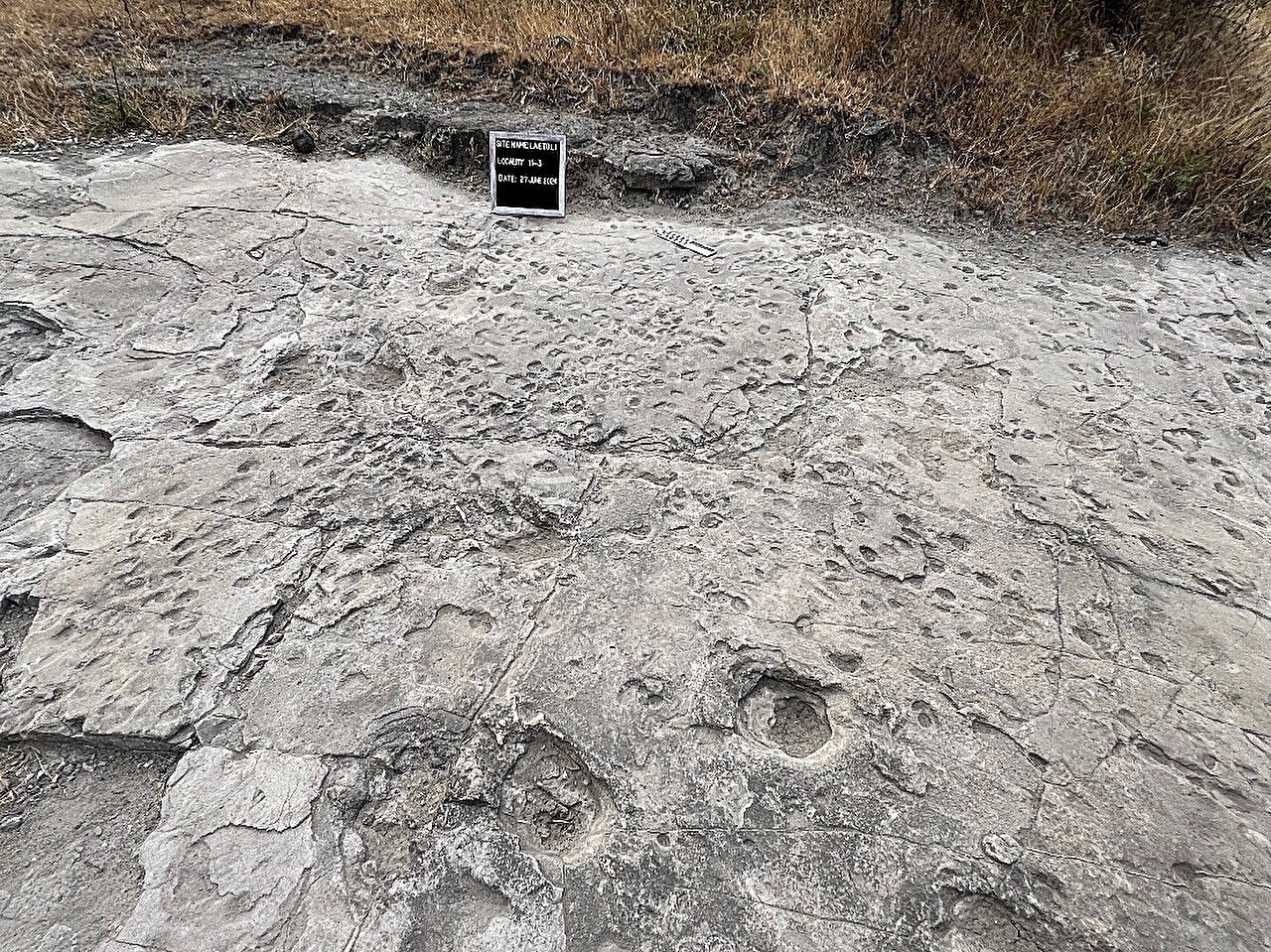
Kilwa Kisiwani is an island off Tanzania’s southern coast where a medieval port civilization once traded gold, cloth, and Chinese porcelain across the Indian Ocean. Between the twelfth and thirteenth centuries, it was one of the most significant commercial nodes in the world. The tenth-century Arab geographer Al-Masudi documented it. The sixteenth-century Kilwa Chronicle preserved the genealogies of its sultans. Today, visitors arriving at the UNESCO World Heritage Site encounter something else: a large corrugated-iron-roofed building, 25 by 20 meters, standing at the entrance with six oversized glass windows starkly out of scale with the surrounding medieval ruins. Behind the small domed mosque, a toilet block sits where one should never be placed, violating basic norms of Islamic spatial separation between sacred and polluting structures. The stone used to build it, according to a laborer who worked on the project, came from an underground archaeological foundation unearthed during excavation. No cultural heritage impact assessment was conducted before any of it was built. Ceramics, beads, and coins disturbed during construction were scooped into buckets and piled in a corner. According to one resident who worked on the project, a site manager who was himself an antiquities official directed workers to collect the materials and pile them for “further analysis.” The piles were eventually moved to an antiquities office. Whether they were ever analyzed is not recorded. This is the picture that emerges from a new study published in Antiquity by archaeologists Elgidius B. Ichumbaki of the University of Dar es Salaam and Peter R. Schmidt of the University of Florida. Working across four sites — Kilwa Kisiwani, the Laetoli footprint site, the Kondoa rock art complex, and the Kaiija Early Iron Age shrine in Katuruka — they document a pattern of institutional failure so consistent and so severe that it amounts to a systemic crisis. The threat to Tanzania’s heritage, they argue, is not primarily climate change or looting or war. It is the government itself. A Reorganization Without Expertise The story of how this happened begins in 2018. Tanzania’s Department of Antiquities (DoA) had spent years failing to turn cultural heritage sites into the tourism engines the government imagined they could be. Natural parks were generating substantial income; why not ancient ruins and hominin trackways? The DoA could not build the infrastructure or demonstrate economic potential, so the Ministry of Natural Resources and Tourism reassigned management of dozens of sites to agencies that had no relevant expertise whatsoever. The Tanzania Wildlife Authority (TAWA) took over Kilwa Kisiwani. The Tanzania Forest Services Agency (TFS) was handed the Kondoa rock art sites. The Ngorongoro Conservation Area Authority (NCAA) received Laetoli. The changes were formalized in Government Notice Number 632 of August 2020. The criteria used to decide which agency got which site...
0:00Imagine you hire a security guard to protect your most valuable
0:03family heirloom.
0:04SPEAKER_00Okay.
0:05SPEAKER_00Let's say it's an incredibly delicate centuries-old clock.
0:09SPEAKER_00It's been in your family for generations.
0:11SPEAKER_00It's irreplaceable.
0:12SPEAKER_00And, you know, it tells the physical story of your ancestors.
0:15SPEAKER_01Right.
0:15SPEAKER_01So a highly sensitive artifact.
0:17SPEAKER_00Exactly.
0:18SPEAKER_00You realize it needs protection, so you hire a professional.
0:20SPEAKER_00You hand over the keys,
0:22SPEAKER_00you pay their salary,
0:23SPEAKER_00and you completely trust them to keep this treasure safe.
0:26SPEAKER_01Makes sense.