
Emotional Sobriety: The Next Step in Recovery · Allen Berger & Thom Rutledge
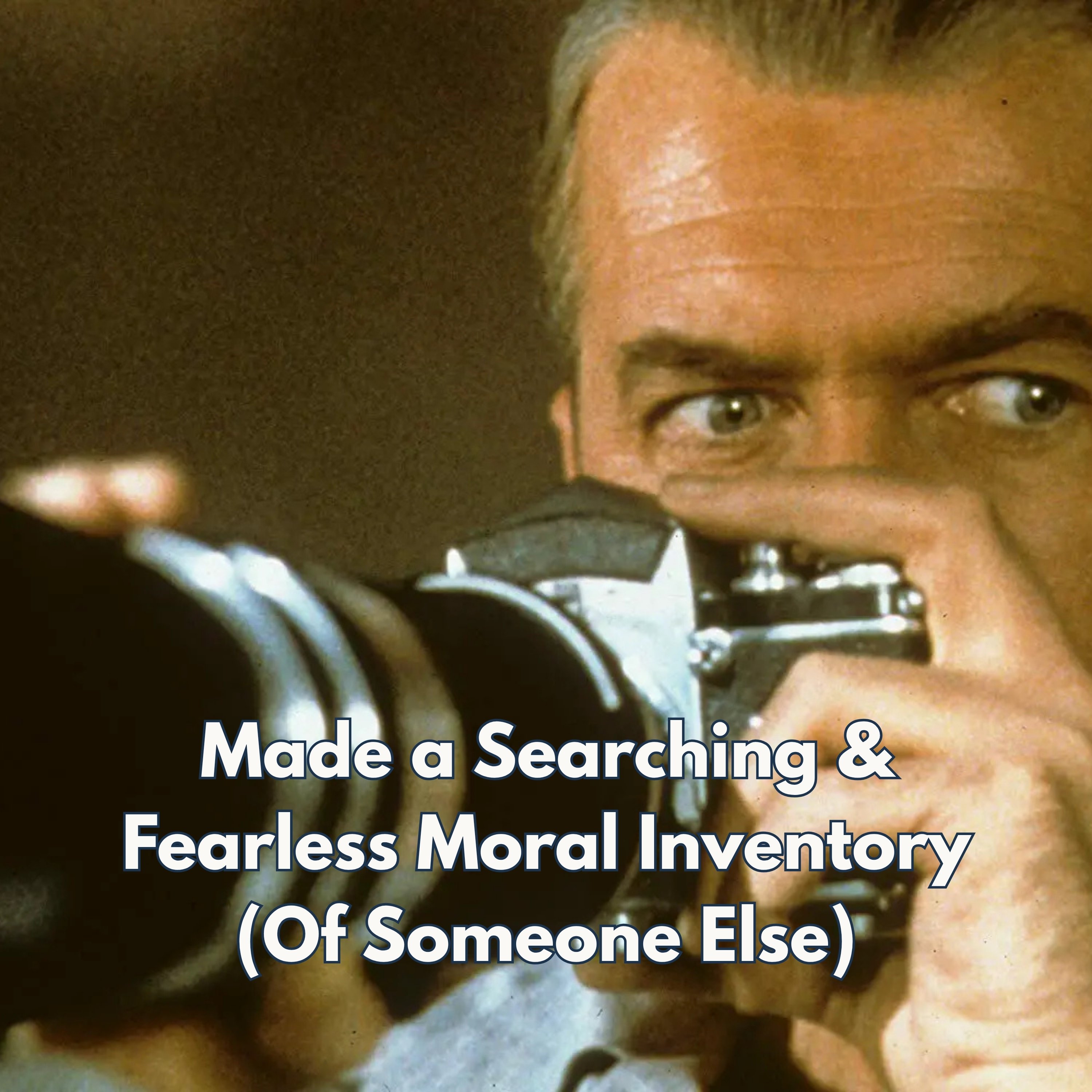
Thom’s Nutshell: Step 16: Made a searching and fearless moral inventory of someone else. I can’t say I wasn’t warned. They told me to stop at 12. “Taking others’ inventory” gets to the heart of our functioning. Allen brings this back to Piaget’s studies of pre-operational stages of development. Our emotional development influences our consciousness, and the more immaturity we have, the more we look at the world as reflections of ourselves. Rather than trying to manipulate these people and situations, in emotional sobriety we can try to meet them with empathy to have the best experience we can. The outcome of “taking inventory” all depends on motive. Our music is provided by the great southern artist Jefferson Ross. Learn more about Jefferson at jeffersonross.com Visit our website: www.emotionalsobriety.info Follow us on social media: Instagram: thomrutledge2 Joe C. Twitter: @Rebellion_Dogs Learn more about Joe C., Secular AA and Rebellion Dogs here: https://rebelliondogspublishing.com Friendly Circle Berlin workshops: https://friendlycircleberlin.org/events Allen’s book, 12 Essential Insights for Emotional Sobriety: https://www.amazon.com/12-Essential-Insights-Emotional-Sobriety/dp/1955415129/ Join Allen & Thom at our Thursday night, 7pm PST Zoom meeting on Emotional Sobriety and the Steps (login information below): https://zoom.us/j/330149513 Password: 375986 For our ongoing workshop video series on Emotional Sobriety and the 12 Steps, visit our YouTube channel here: https://www.youtube.com/channel/UCHEM2-kqLkfp3I4c0jy-X-g Also, please join our “Emotional Sobriety and Recovery” FB Group at the following link: https://www.facebook.com/groups/120450976662519 We’d love to stay in touch in between meetings. We appreciate feedback! Contact Patrick, our producer, at [email protected] for any questions or comments. Chapters (00:00:00) - Emotional Sobriety (00:01:15) - Step 16: Taking Other People's Inventory (00:06:47) - How to Manipulate the World (00:11:12) - How to Stop Being a Manipulator (00:16:25) - Tom Brokaw on Therapy (00:20:38) - The Self in Recovery (00:23:08) - Intro to Self-Realization (00:25:52) - Tom Clancy on His Meditations
0:00Speaker AForeign.
0:07Speaker BWelcome to Emotional Sobriety, the next step in Recovery, with Dr. Alan Berger and Tom Rutledge. Good morning. Have you seen the Last Picture Show? That film from the 1971. It's about a dying Texas town. It's like, it's like a filmmaker from the 70s looking back to the 50s.
0:27Speaker CYeah, I knew you saw it.
0:29Speaker BIt's about a whole cast of characters and there's teenagers and middle aged people and elderly people too. And they're all kind of like in a mourning process for like the life that they thought they were supposed to have. You know, the romance, you know, the crush, you know, that they. That was unrequited, that they didn't, you know, that wasn't fulfilled. I'm not going to be corny and weave it into an emotional sobriety theme, but it's very much about who are we in the face of our dreams and who we thought we would be that collapsed.
1:01Speaker CWell, I can guarantee you when I watched it as a kid, I didn't have that kind of insight. Patrick, you know, did you see that movie with Simple Shepherd?
1:13Speaker BWell, on that level, impeccable.
1:15Speaker AYeah.
1:16Speaker BLet's start with a nutshell. I was telling Tom Allen that there's one with some meat on the bones, and then there's one funny one that I wanted to wait till you got your reaction to step 16. Made a searching and fearless moral inventory of someone else. I can't say I wasn't warned. They told me to stop at 12. But taking somebody else's inventory, this comes up a lot.
1:37Speaker CThat was pretty funny too.
1:39Speaker BYeah, they're both funny, but I thought
1:41Speaker Athat was a funny one. What's.
1:44Speaker BOh, wait, you guys are pretty good. Well, you're, you're trained. I mean, you're therapist. If you start doing somebody else's inventory, I imagine that you catch yourself.
1:52Speaker CWe do other people's inventories for a living. It's like, it's, it's. No, it does not make it. That does not make it easier for me anyway. It's like if we're doing good therapy, the client is always leading and we're, we're walking alongside of them, but it's, it's. Sometimes clients move slow and I kind of want to speed them up. I mean, it's, it's like, it's like. And I'm not even aware of when I'm doing that sometime. But, but you know, I kind of early on in my career, I was really aware. I became aware with some supervision that I was, you know, I had, I Had my own agenda for a client and I wanted to get them there. But everybody has. If you, if you don't think you have an issue with taking other people's inventory, you're not paying attention because everybody has that.
2:39Speaker AWhat it gets to is at the heart of our functioning. You see, we're always trying to make meaning out of our life. We're trying to understand it. That's how we're wired to give meaning to the experience we're having. And if you remember the, this, the experiments that Piaget did with kids, especially in the pre operational stage of development, that really showed us how where their brain's at determines what they see, what their consciousness is like, right? The quality of their consciousness. So what we understood, you know, when we looked at that in terms of emotional sobriety, is that our emotional development influences our consciousness in the same way. And the more, let's say, the more immaturity I have, the more I'm going to look at the world and see the world as a reflection of me, right? I'm going to make it all. That's why we say that we're not sick, we're stuck, because that's a very early stage of development. It's all about me stage of development. Everybody goes through it. That's why it's not an abnormal thing. Even Freud said everybody's narcissistic. Everybody goes through a narcissistic stage of development. We. We have to go through that. That's the way we develop. But see, then when we come into contact with the world, what's supposed to happen is the frustration of us not getting our needs met is supposed to help us mature. So we understand that it's not all about us. Unfortunately, in our culture, it doesn't happen.
4:28Speaker BBut wait, our needs are always supposed to be met.
More Emotional Sobriety: The Next Step in Recovery episodes →