
Edwin Talks · The Edwin Group
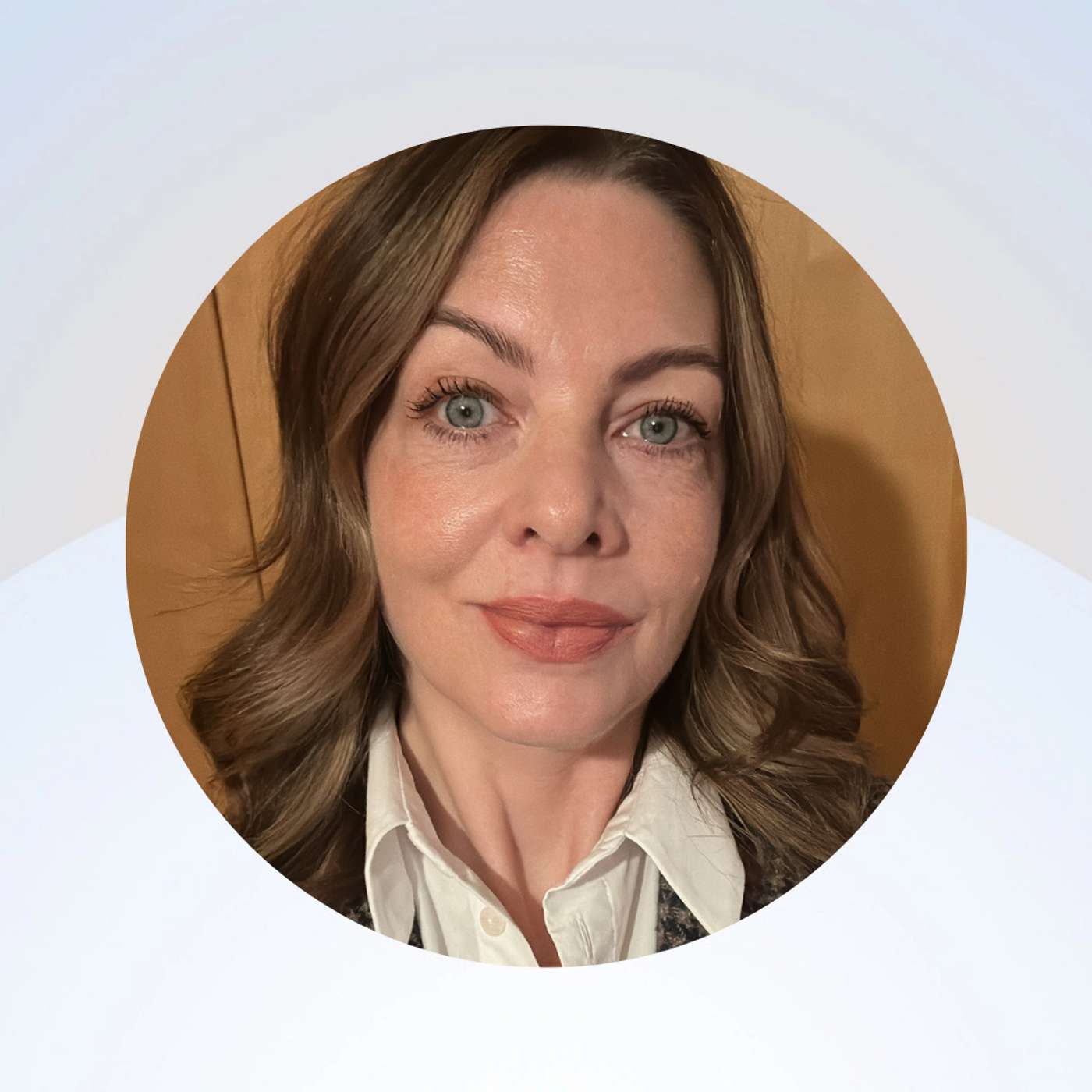
Dr Catherine Place, headteacher, researcher and educational leader, shares insights into the relationship between school culture, collaboration and teacher wellbeing. In this episode, Catherine reflects on her journey from psychology student to founding headteacher of Jubilee Park Primary School, and discusses the experiences that led her to research educator wellbeing at a doctoral level. Drawing on her thesis, she explores how trust, agency, relationships and organisational culture influence whether teachers simply cope or truly thrive. Read Catherine’s doctoral thesis
Dr Catherine Place v1 === Julie: [00:00:00] Welcome to the Still Human Podcast. Conversations about leadership, culture, wellbeing, and how we create schools where people can truly thrive. I'm your host, Julie Liddell, and today I'm chatting to Dr. Catherine Place. Cat is a highly effective and passionate systems leader with a relentless focus on learning and a deep commitment to creating the conditions in which both children and professionals can thrive. She brings extensive experience in school improvement, curriculum design, and the delivery of high quality professional learning for school leaders. Her leadership is grounded in self-reflection, relational safety, and a strong belief in collaborative professionalism. Catherine grew up in Newport where she lives with her daughter. She's the head teacher of Jubilee Park Primary School, which she opened in 2017. Under her leadership, the school has become a nationally recognised learning organisation shaped by its bespoke thrive curriculum and model rooted in the curriculum for worlds that prepares children to thrive in a transforming world. With over [00:01:00] 20 years of experience in education, Catherine leads with an inquiry mindset and is committed to igniting a passion for learning. She's contributed extensively to national education reform, serving on Welsh government advisory groups for assessment, curriculum, and digital learning. She regularly supports educators across Wales and has just finished a doctorate in education. It was so interesting talk with Catherine. She's deeply passionate about her work, both as a school leader and her thesis, creating the conditions to thrive. In this conversation, we explore the interrelationship between organisational culture, collaboration, and teacher wellbeing, and how these can be shaped to create environments where people truly thrive. We also touched on the pressures of dressing for the role and the importance of showing up as your whole self. Enjoy Dr. Catherine Place. Hi. Welcome. Thank you for joining me today. It's lovely to [00:02:00] be here. Thank you. Have you got used to the title yet? Catherine: No, I really haven't. I just keep smiling about it. I can't believe I'm a doctor. It's very strange, but I am guessing all the children in my school to call me doctor. So, uh, it's sinking in slowly. A Julie: hundred percent. Have you updated your Catherine: passport or your utility bills? Yeah, everything's done. I had a list and I've ticked it all off. That was my Easter holiday job. So it was a nice job Julie: to have in the Easter holidays. Love that. Love that. It's brilliant. So I'm super excited to be talking to you today, Cat. Um, as you know, the work that we do here at Still Human, it focuses on leadership, on culture, um, and staff wellbeing. So, um, I loved reading your thesis, which I did because I am that person. I read all 297 pages, um, even the methodology sections, which I got very excited about. Um, so I wonder whether we could just start by you telling us a little bit about your background, your journey and head shape and, and then I suppose into [00:03:00] research. Yeah, no problem. Catherine: So I think first and foremost, my parents would probably say that, um, I loved school and I've always been a born luner, you know, and it's just something that I've just always had within me. I, I really, really enjoyed school. Um, didn't want to be a teacher. I think lots of people say that. Um, I know previous guests on your podcast have said that, um, I actually wanted to be a writer, um, and then got my A level results and completely changed my mind and fell in love with psychology. 'cause I did a psychology A level, so I did psychology as an undergraduate. And I think psychology is, is one of those, um, areas that when you start it, everything you learn particularly as a, an 18, 19-year-old is fascinating. So at one point I wanted to be a criminal psychologist, the next point, a sports psychologist. And then I started to really think, actually educational psychologist is the root for me. Um, and obviously then you have to go do a PGC and become a teacher. So I set foot in the classroom on my first placement as a PGC [00:04:00] student and that was it. I absolutely just fell in love with the children, the idea of teaching. And I've never, ever looked back or done anything else or gone anywhere else. And I think I've had so many experiences, but the biggest, well, two big experiences I've had that have led me into headship. Um, one was the first place that I became a teacher. Um, a school called St. Julian's Infant School. It was in the area that I was brought up, um, as well. So that was really special to me. Um, and I had incredible people around me in that school that just nurtured me from day one as an NQT. And I think that was really, really important. So much so that three and a half years into, um, being a teacher, I decided I wanted leadership and I was really hungry for leadership. So in my fourth year of teaching, I was a deputy head teacher, so really mentor, looking back, I mean, goodness, I was a baby, you know, and, uh, deputy head of a [00:05:00] large infant school at the time. Um, and then I was 11 years a deputy head. Um, the three schools amalgamated into one primary school, very large, nearly 700 pupils. Um, I was involved in designing a new build for that school, um, had the move to that new school, had the, you know, experience of what it feels like to be in a new building with nearly 700 children, loads of staff bringing teams together. And I've just always enjoyed so many different experiences and, and lots of people at the time were very much like, well, when you're gonna be ahead. And I just didn't want to rush to headship. I wanted head to be right and I wanted the school to be right for me. Um, I am a, a Newport girl and I've only ever taught in Newport, so, um, it's very important to me that, um, I'm part of the city in which I live and I've been brought up in as well. Um, so I've keep been keeping my eye out thinking there's gonna be a school that's right for me within this city one day. And then there was, and and the school [00:06:00] actually, um, was a brand new school. So on the west side of the city of Newport, there was a new housing development called Jubilee Park, and it was announced that they were gonna put a new school on there. And, and I spoke to a, a very good friend of mine, was like, I'm gonna be the head of that school. Um, so the job came up, obviously I applied for it and yeah. Got that call to say you're the head. And at the time it was the first new school in the city for over 60 years, so there was a lot of eyes on it. There was a lot of, this is new, this is different, this is interesting. And it was a growing school development as well. So the actual development of Jubilee Park houses were popping up literally daily. And so I opened the school in September, 2017 on a growing school basis. So all year groups were in, but the number in the year groups were very low. Um, so we have a nursery on site. We also have a learning resource space, and we grew in the first three years from 116 children. I opened the doors [00:07:00] to, to 376 children in three years. Um, and I'm now roughly around 380 children. We're over capacity now as a school. And I think that has just given me such an incredible opportunity to not only open a school from scratch, but to also do what I fundamentally believe is right for children and right for learning. So my mantra from day one has been, do what is right in your heart, not just what you're told to do in terms of policy direction and things like that. So, you know, I am a little bit brave, I suppose. People have described me as in a way and just think, trying to think differently. So I only do things in my score that align with our three vision principles that we created with the school community when we first opened. And they are igniting a passion for learning, growing together with the community and creating the conditions to thrive. So all of my decisions as a head teacher are around those three vision principles. And [00:08:00] my mantra is if it's not statutory and they don't align or don't do it, and, uh, that served me well, to be honest, in the last, uh, sort of eight and a half years. So we, the school has just gone from strength to strength. We truly are a learning organisation and, and I don't use those words lightly. Um, we've done a lot of work using the OECD's learning organisation model. We had an eston inspection. So in Wales, um, Eston is our Inspectorate and that was our first inspection was in October, 2022. And we were the first primary school in Wales to have no recommendations. And I think for me, that was a real turning point and, and real validation that by being brave and doing what I fundamentally believe is right, actually does make a difference and that you can do it. You know, it's not about just churning out pages and pages in children's books and all of these things like ticking lists and ticking things off. But actually, how can we create a school that has learning at his heart, but also [00:09:00] wellbeing and relationships and belonging and all of those other words that we, we talk about often, but quite often they're an afterthought. I am a little bit crazy at times, so, you know, I'm opening a brand new school. It's actually going through a divorce as well, single mum of a now teenage girl. Um, and I decided that why don't I do a doctorate as well? So that was just, you know, throw that one in. Um, so in September, 2019, I started my doctorate. And I suppose my motivation for my doctorate was, I love learning. I only ever wanted to go to university, first person in my family to go to university in my undergrad. And I just wanted more and I couldn't get more through professional learning, um, like leadership, professional learning. I wa I wasn't finding anything that was really pushing me and challenging me. So I just wanted to do something myself and yeah. Became a doctor six and a half Julie: years later, pat, I think myself and everybody listening is just exhausted by that journey. But also [00:10:00] how inspiring and I mean, what an amazing opportunity to open a new school, to be able to create the culture in your own image if as it were, like, you know, and to be able to direct that, you know, what a fantastic opportunity and I wanna come back to your school actually, um, maybe towards the end when we've talked about your doctorate findings, um, and hear a little bit more about that. So you just kind of ended there a little bit around your motivation for doing a doctorate. Your thesis was six years in the making. And can I just say using qualitative data and thematic analysis, I mean, what sort of crazy is that? You went all in with that, didn't you? I mean, like anybody who's undertaken any sort of analysis, usually at the decision point goes quantitative, let's just have some numbers, we'll do some graphs, but know your coding system and, and everything I know is like, you know, such an intense piece of work. In terms of like the motivation then that kind of, I think [00:11:00] you said in your, your, your thesis something like personal and professional concerns around the wellbeing of teachers. Can you just tell me a little bit more about that motivation for the content before we go into the thesis in a bit more detail? Catherine: Yeah, absolutely. And I think for me, um, as you probably can tell, I'm very passionate about the teaching profession and I've got a long held belief it is the best profession and, and I just love it. However, through my career and, and particularly my career in leadership, I've just been struck by the sheer volume of people that are stressed, get burnt out, have low wellbeing, high workload. There's a national recruitment and retention crisis in Wales. I know that's echoed in England and it's also echoed internationally. And I suppose from my perspective, I was just thinking, well, why, why can it work in some places and they're not in others? What is it? What are those fundamental drivers? What I didn't want to do was do a [00:12:00] study then that looked at all the problems and all the moans and groans of our profession. 'cause I'm just not that type of person. So, you know, I am very heart driven and I wanted something that would be positive and, and from a positive perspective. And to really then think if I'm looking at this positively, how can I actually start to think about those conditions that enable teachers to thrive? And I think adding onto that then in a professional interest of mine has always been around organisational culture, collaboration, professional learning experience. Part of my deputy headship, I was seconded to our local authority school improvement services for a couple of days a week to lead teacher professional learning. So I've always had this passion for professional learning, seeing how that can impact on people as well. So I suppose what I wanted was how can I get to find out the crux of what happens in organisations that actually impact on people, and how can I share that with the wider world. The other side of that [00:13:00] also is the journey that's been happening in Wales in particular with our education reform. So we have been on, as a country, we've been on a huge journey with, um, national reform. Um, again, don't do things by half. Um, as a country, it wasn't just reforming curriculum. Uh, whilst government decided to reform everything. So it was a new curriculum, new A LN act, new professional learning strategy, new assessments, like it was everything. Let's go, um, based on the recommendations from Professor Graham Donaldson in his Successful Futures report, which was published around 2015. And then we had a pioneer process which actually involved the workforce in creating our curriculum for Wales, which, um, became statutory a couple of years ago. So. I could sense nationally, the picture was changing. We had moved from this system of high accountability, um, high workloads, eston greatness, you know, giving us those figures in terms of how good we are and using those statements like excellent [00:14:00] and labelling everything. And even Eston as an inspector don't do that anymore. You know, they are different to offstead in, in how they work. They work a lot with the profession. So I was really interested in, okay, the, the national picture is shifting. That's changing. But what about all these experiences that teachers and leaders have had prior to that? Does that just go, or did that stay with people? When you're talking about thriving, does it, does national policy impact on that? Or actually, is it just what happens in school? Is it just what happens in the classroom? So I was really keen to actually hear about those lived experiences of teachers and school leaders, so I could really get underneath the skin, I suppose, of what's happening. Um, through looking at loads of different research, there was a massive gap in looking at educator wellbeing. I think there's a huge, huge body of work around children's wellbeing, um, and adult wellbeing and wellbeing, other sectors, but actually a huge research gap in educator wellbeing, and particularly the wellbeing of school [00:15:00] leaders. There's very, very limited w work around that, um, internationally. So I really wanted to be able to add an idea into that sphere of work. Um, and also that notion of, um, like you talked about my methodology, and I'm sure we, we'll talk in more detail about that through, uh, the podcast, but actually thinking about how can I use narrative inquiry? How can I actually share stories? And, and that as a methodology is quite a unique methodology when considering teacher wellbeing. So lots of little motivations, but my overwhelming one was why does some people thrive and some don't? Julie: What is it? Yeah. And I love that you kind of, uh, took that approach of not looking at the deficit model and looking at the, you know, the positive model. What can we add to conditions that support people to thrive? Okay. So the title then of your thesis, and I've had to write it down, creating the Conditions to Thrive, that Bit's Easy. And exploring the interrelationship between organisational [00:16:00] culture, collaboration, and teacher wellbeing through narrative inquiry. So I think kind of you, you've given us some context there as to, you know, the, the sources of the motivation. And you mentioned there that kind of lived experience, storytelling, narrative, inquiry. So if we break down that title a little bit, I think that kind of gives us lots of questions. Let's start with a narrative inquiry then, and, and let's talk about why you chose that approach and what you think you got from, from that method. Catherine: Yeah. So the way that my doctoral programme worked was the first three years were very much learning about how to be a researcher, starting to really remember how to write essays. That was a huge challenge. Um, and I, in the end of the third year, you sort of do like a little mini research, a mini thesis. And at that point I decided to do a case study on my own school because I had a sense that my school felt a little bit different to the norm and, and I could really see my staff thriving within the organisation. [00:17:00] So I was really interested in why, what were the, the mechanics within the organisation that were enabling that to happen. So I undertook a case study on my school. So I suppose when I got to the doctoral part, then my initial thought was, I'll do a case study and I'll just do it on my school and another school. Um, and then I was really challenged by my supervisors who were incredible through the whole process. I literally would not have done this work without them to think of a different methodology. And I was just like, I don't know. 'cause actually I'm a head teacher. I'm not a researcher. I found this really, really challenging. And then I came across, um, the work of Clan and Connolly who are sort of like the forerunners when you talk about narrative inquiry. And you know, when you, it's almost like when you see something or you read something and you're like, that's it, that's what I've been looking for. And then the more I've been reading, I was reading about it. I've got so many books, they're all dog eared, they've all written all the way through. They got post-it notes hanging outta them. And I just felt [00:18:00] like it was me and it was almost what I wanted to do when I first was a teenager. And I go back to that love of writing and it like stories. And I suppose my world has been brought up on the art of storytelling. Um, my nana, she was, um, a Scottish lady and she brought us up, me and my cousins and my, my brother, she brought us up on the telling of stories and that tradition of telling stories. And I think all of that sort of came back to me as I started to read about this work. Um. And I think for me, I really sit within a social constructivist domain in terms of, I believe it's, um, you know, we are moulded and developed through human interaction and human experience that reality is socially constructed. It's not something that is, um, you know, set out in stone and, and things like that. So, coming from that qualitative perspective that really the idea of narrative inquiry really supported that. And the more I got into thinking about narrative inquiry, the more I was [00:19:00] really digging deep into understanding what they called a storied world. And actually, how do you really find out about people's experiences and realities when they're so multiple? You know, you not one person's world is the same as somebody else's. So how can you actually get really under the skin of these context bound, um, situations? And ultimately narrative inquiry is inherently relational. And again, that's something that really resonated with me. So for me, it was a no-brainer. It was a real in-depth methodology. It was about exploring how people live in different social contexts. And it enabled me to really work with the teachers and the participants within my studies rather than a done to methodology. So the way that we, or the way that I conducted, um, the sessions were very much, um, a tell me approach. So they were semi-structured interviews or anything like that. They were narrative conversations. And I had a lot of challenge actually from [00:20:00] my supervisors using the phrase narrative conversation and how could I ensure, you know, that it was gonna be not bias and all of these different things coming in. But it, the conversation element was really important to me. 'cause that goes back to my belief about that human touch, that relational focused. So they were just very much open ended conversations. And at first I thought, nobody's gonna talk to me. It's gonna be really awkward and I'm just gonna be ending up asking direct questions. But that wasn't the case at all. Um, I had eight participants, which doesn't sound many, but actually when you're going through hours of transcripts, it was probably, probably too many. Um, and. It was just really important for me to allow, have a methodology that allowed time for people to share their stories and, and narrative inquiry just absolutely did that for me. And I think another aspect of narrative inquiry is something that they call the three-dimensional space. So Clin and Connolly, um, use this phrase a three-dimensional space, [00:21:00] and it's about appreciating that when we are telling our stories and when we're talking about our lived experiences, that they're based on, um, a past, present, and future continuum. So that temporality that, you know, we can sort of weave back and forth between the now what's gonna happen in the future, what's happened in the past, and all of these things, um, construct the way that we are socially and the way that we interact. Whether that's interacting from a teacher's perspective, with children, with parents, with colleagues, with your own loved ones at home. All of those experiences will impact in different ways, the social conditions, the sociality, the place that you work, those physical and social context. So all of these things actually, um, provided me with a real deeper understanding of teacher identity almost, and really ex ha having an understanding of these experiences that teachers have and not just one off events, that they're actually part of an ongoing journey for them. Julie: Yeah, and I don't think you could have [00:22:00] measured that in any other way than the way that you did. Could you? You couldn't have got under the surface. You, you could have just looked at some figures and stats around maybe, you know, stress of thriving or whatever you were, but you could not have gone under the surface the way that you did. So thank you for sharing that with us. So conditions to thrive, creating the conditions to thrive. You mentioned that that was one of your kind of priorities of, of your school. Now the word thrive kind of comes from positive psychology has been around since the early 1990s, thriving and flourishing. But one that we seem to be adopting more in education in stead have started using it in relation to children. So I wonder whether, why did you choose the word thrive, or why did you choose the concept of thriving as opposed to wellbeing? Talk to me about thriving. Catherine: So first of all, I think it was the obvious choice because of one of my vision principles, as you said. So as a school, we'd already done a lot of work around creating the conditions to [00:23:00] thrive, and that being an absolute driver for our school development from day one. So it was already that word that I use on a daily basis. You know, it was in my head as part of my DNA type of, uh, things. But when I started, obviously I started from that wellbeing perspective. Um, the more I read, the more research that I looked at, the more I realised nobody could actually agree what wellbeing means. Neither can anyone really agree what thriving means, but actually wellbeing has almost become a word that's just thrown around so readily and, and so quickly. You know, I looked at say, um, occupational wellbeing. I looked at, um, human flourishing, the Seligman work from positive psychology perspective. Um, looked at terms like wellness. Um, that's a term we, we also use in our school as a process towards wellbeing. Looked at, um, welfare. I looked at all of these different approaches and although they were all, you know, they were all good in their own right, they still didn't actually give me what I was [00:24:00] absolutely looking for. So I wanted to frame wellbeing as sort of dynamic, I suppose. And I wanted to frame wellbeing in that idea of an ecological concept because I wanted it to be seen as something that is impacted by so many different things. It's not just one thing. You can't just do wellbeing. You know, you can't just improve someone's wellbeing by having a one-off event. So I wanted to really make sure that came about. Um, I define wellbeing in the study, um, using, um, McCallum and price's, idea of wellbeing, being diverse and fluid and how that it should be respecting people's beliefs and values and experiences and culture and, you know, multitude of things. It's so fundamentally, it's about understanding people and, and getting under the skin of that. So for me, wellbeing comes with such loaded connotations in today's world, and I wanted to really avoid having that as particularly as a title. I didn't want that to be the first idea. Um, and then I suppose why [00:25:00] thriving and why not flourishing? And, you know, I went through all of that in my head. So why thriving? Um. I really like the, the phrase, it makes me smile. The word makes me smile. Um, it's positive, it's aspirational. It is about a process and growth. Um, but more than that, I suppose it, it, for me, it really enables that wider understanding of an interrelationship. So a lot of the work that, um, we have done as a school has been based upon the book, um, thrive by Valerie Hannon and Amelia Peterson. So I'd already had that in the background as well. So our whole curriculum within our school is called our Thrive Curriculum, which looks at that interrelationship between self, um, in your interrelated with what's happening globally, what happens in your local area, and all of those different things. So I had all that sort of like bubbling away in my head as well, and I thought there's something in this that I can translate into then the wellbeing debate for teachers. [00:26:00] So I suppose I've been really inspired by key people, particularly that work of Valerie Hannon and Amelia Peterson to really think then that thriving is the right word for me for this study. Julie: Yeah. And, and it's advice whenever we are working with any schools or, or any trust kind of in this domain is make sure you to find. What you're talking about, because it is such a fuzzy concept, isn't it? You know, to, to, to borrow an a level psychology phrase in that we're trying to action and measure something that we actually haven't operationalized first or understood what it is. So I suppose just anybody who's listening, who's thinking about a wellbeing charter or an action plan, or thinking about how to move forward, whether you use wellbeing, flourishing, thriving, almost doesn't matter. But start by that definition and really understanding it, because I agree with you, you know, there is no agreed definitions, and I love that idea of thriving, that it's a dynamic and it's a process and it's aspirational. And maybe, you know, that's a better way [00:27:00] to, to frame it. So, yeah. Um, I think lots to kind of take away for, for anybody listening there. So those three elements, then, the three elements that are named in your title, organisational culture, collaboration, and wellbeing. I really like to kind of explore your findings in relation to them and, you know, is there a particular role? Do we need to discuss them in? Are they all overlapping? Where do you wanna start? Cat, come on, help me out here. Catherine: Well, I think because again, the nature of, of how my brain works, but also the enormity of the study that I undertook was that fundamentally they all overlap. Um, and I think, you know, my findings, they really are an account of teachers lived experiences in Wales at a specific time. And I think that's a really important thing to share. And that really echoes the methodology of narrative inquiry, that you can only ever capture something in that moment. Um, and they u uh, clan and cony use a phrase in the midst. And I think that's something that really stuck [00:28:00] with me and, and has continued to stick with me actually in my, just in day-to-day head teacher. You know, we're always in the midst of something, whether that's personal, professional life, you know, whatever it is. And I think holding true to that is really important, particularly when we are gonna discuss the findings. I think looking at those three concepts and the constructs that, you know, really guided the study, overwhelmingly what came through was the importance of a thriving self for teachers. So I think if I, if I start there, what I found, um, through listening to the participants and also undertaking the documentary analysis that I did, was that thriving is a deeply personal process. You can't make people thrive. You can create the conditions for people to thrive, you can't make them. Um, and it's actually very dynamic and related to how people feel about themselves as individuals. So you start off from this very narrow perspective of all these individuals [00:29:00] within a school, you know, and, and if I think about my own school, I think I'm up to about 55 individuals that, you know, through a course of a week, come under the umbrella of my school and, and you know, I'm their head teacher. So we've got all of these individuals and that idea of actually, it's a very, very, um, situational and deeply personal process of how they thrive. What is complicating that then is it's actually also related to both relational and contextual factors. So everybody, you know, within, and particularly within education, you, you are not an island on your own. Everybody has some connection. The very nature of teaching is that it's collaborative. You, you're working with children, even don't speak to another adult in a day. You, you are working with children. So that relational and contextual factor is really, really important. I think in terms of, um, thriving with the part, all of the participants unanimously talked about things that drive them, [00:30:00] their purpose, their values, their own identity, and where they, where that went well, those aligned with the schools that they were in, where there was disconnect, there was tension with what the schools were doing or previous experiences in other schools. And then that led to that situation of helplessness and de-motivation. Um, and I think that was a really interesting, and what was fascinating for me, um, was some of the participants were in my own school and some of the participants were in another local school. So for me, the participants were in my school, obviously I played a dual role. I played their role as their head teacher and I employ them and all of the, the issues around, um, you know, making sure that they were psychologically safe to be able to tell me things and it wouldn't impact on their work. Um, but also I was there as a researcher and wanted to actually have the truth from them and know what was going on and being really inquisitive and I was really struck by the ability for them to thrive within the satin that they were within my school.[00:31:00] And the way that they were animated and talking about that, but actually how previous toxic situations or situations of disconnect were still lingering there in the background, despite the fact they were now happy and thriving and loving their career. They very, very much talked about situations that took them back to how they felt previously, or, um, I'm always second guessing and thinking that that might happen or what if, and I was fascinated by that because actually if you unpick that, it shows that those experiences, no matter how, um, long ago they were still impact. And we talk about it with children all the time, don't we? An early childhood experiences and trauma and things like that. But as teachers, do we actually sit and think about that or do we just put teachers in this big block of they are teachers in a school? Off you go. And I think that's something that we do without thinking sometimes, rather than thinking about them as individuals. So what sort of came outta that idea of thriving was that need for reflection, that need for professional dialogue, that need [00:32:00] for school leaders to create cultures that enable both children and adults to feel safe. And I think that was something that really, really struck me that I wasn't expecting before the study. Adding on then about, you know, the other, how things then interrelate was that that ability to thrive was really interrelated with other, um, elements. So looking at the organisational culture, I've touched on it a little bit there around the values of an organisation, the vision principles of an organisation that what does it actually feel lived to feel like to live in that organisation day in, day out. So I explored a lot about those things and what really came through was where teachers were trusted, where teachers had agency to make the decisions that they were able, you know, to make decisions that impacted on them and their children rather than having this top down remit to do something in a certain way, making sure that they had, um, trust and a sense of belonging. And they all, and all talked about how leaders [00:33:00] have done that for them within the school context. And, and all gave really in-depth examples of how school leaders in both my school and not just me as the head teacher, but also people within my leadership team, um, and the other school leaders, how they build that sense of agency. How they build those opportunities to talk week in, week out about what it feels like to be in this school. And I think it's that relentless focus is really important that came through. So a relentless focus on culture. Um. One of the things that came through was about the role of leaders. That leaders, and this is no surprise to anybody, but leaders, set the tone for a school. You know, and I know who would've thought, but actually, do we think about that enough? Do we re and do leaders to head teachers really sit and have time to reflect about themselves, to actually think about how they impact on their organisation? Or are we just on this one mind track of going for excellent, going for good, ticking off lists [00:34:00] onto the next, you know, and I think it's so, so important to, to stop and just to really reflect upon what our cult, what is the culture within our schools. Um, and I think along with that, what really came through was it's not just structural. It's not just those things that happen within a school in terms of systems and processes, but it's also that emotional climate and that that climate of relationships and trust. Um, and one of the massive, um, sort of catalyst for that was professional learning and professional learning, being an absolute driver for enabling staff to understand the culture that they win and, and be part of adding into that culture and building that culture, but also Julie: learning together. I wanna come back to some of the things that you said, because I wanna think about how that translate into what we can now do, like given, given what you've learned. Let's talk about leadership then for a minute. So your research kind of shine a light on the fact that the leaders are setting the tone for the culture, and it's that [00:35:00] culture that kind of supports that, you know, ability to thrive, as it were, creating the conditions for the ability to thrive. Do you think we're doing enough to train leaders, to support leaders? Have we got it right? Is that something that we need to kind of Catherine: do better? I think we do, and I, you know, I can talk specifically from, from a Welsh perspective. There's, you know, currently we've going through a huge change, um, nationally, and we've got now got a new professional learning body, um, that's gonna look at the role of school leaders. But if I think about myself as a school leader, I did a doctorate 'cause I wanted to learn, and there was nothing that was challenging me within my system. That is, that shouldn't be the case. You know, if I was the head of a, a corporate organisation in a private sector, there would be things that would help and support me as a, as a, as the leader. And in education, it's almost like, um, you know, you, you have this support to become a deputy head. You have a support as a deputy head to become a head, as a head teacher. It's [00:36:00] almost like when you've made it now off you go, go and do your thing. Um, and I feel really, really passionately that there's not enough support for head teachers. There's not enough support, um, in lots of ways, but. Also thinking about them emotionally. Um, I'm undertaken a piece of work at the moment with a team based in our local health board looking at head teacher reflective supervision and actually the importance of having supervision. And, and you all know with psychology background as psychologist, that's something that is just what happens. You have supervision as a psychologist. If you think of the enormity of what head teachers deal with day in, day out and they go home and they just have to, you know, go with it. They have to shoulder so many things. And I'd argue there's probably not many jobs in the world that deal with the enormity of a job of a head teacher in terms of budgets and staffing and safeguarding health and safety. And then we get to teaching and learning. You know, the thing we were actually trained to do, we were trained to be teachers. So I feel [00:37:00] really passionately that we are not doing enough and that, you know, things need to get better from a positive perspective. 'cause I am a, a positive girl. Um, there is lots that is happening and there are things that we can do ourselves. And I think that's the important place to sit. It's really easy to sit there as a head saying, well, there's nothing for me. Um, you know, I'm just gonna sort of moan about it and do what I always do. I've been on such a massive journey as a school leader. You know, I'm, this is now coming up to the end of my 20th year, which I cannot believe as a senior leader, um, in a school in Newport, in Wales. And when I started, and a lot of this was due to the education climate at the time, but it was about checks and balances. My role as a ity head was, I need to guess some level five writers at the end of year six. I need to guess some really good levels. Three writers by the end of year two. And it was very driven by data and accountability. I would be very much going into classrooms and speaking to teachers and saying, have you taught this? What are you doing next? You know, and, and having really [00:38:00] direct conversations. I've had to change massively as a leader. I am an absolute self-confessed control freak. So it doesn't sit easy with me to let things go and to give to other people. But the more I've done that, the more I've realised that's the culture I want within my school. So you could speak to anybody within my school, teachers and TAs. There's not this hierarchy within our school. Yes, we have a leadership team. We have to, and yes, we have jobs to do within our school and that comes with roles and responsibilities. But we are all one team. We are all together. Professional learning. Every single week is for that. All members of staff, teachers and TAs together. Leaders in the room all together myself, learning alongside, you know, all together. And that's really, really important. And I think, um, as a head teacher, it's about really thinking where can you build those opportunities for teachers to have a go themselves? My mantra always is have a go take that risk. Nobody's died. You know, we, we are [00:39:00] all right. As long as that doesn't happen, we are fine. You know? And I think the more we do that, the more teachers think I can do this actually. So the frameworks and the, the systems I have in place in the school are very thorough. They're very, um, they enable teachers to know what to do so they're not lost. But also they provide so much space for teachers to make those decisions. And for me then as a leader, going back to what, how that impacts on me, that gives me space and time to think as well and allows me to see that beauty in teaching again and to walk around my school and just to enjoy it because it feels nice because there's not this pressure of, oh, they're watching me or they're gonna come in tomorrow and give me a report on how I'm teaching and things like that. Julie: Yeah, I totally agree. And I, I agree about the, the lack of support around the development for head teachers. Had Simon Buton as a guest just recently, you know, he, his book head teacher in which exposed [00:40:00] some of that. But also, you know, the work that we do really bore out of the fact that what I had noticed was there wasn't that support that helps leaders to think about how to build a culture and how to build a thriving culture. And I think it's too important to just wing it. I think people wing it and get it right. I think people instinctively maybe know how to do it, but there's too many people and that's where the difficulties arise, isn't it? The difficulty for staff, the difficulties for the leader, and then ultimately, you know, that impacts on children. So I think, you know, we definitely need to do better. And around that supervision actually, um, Lisa, the director of Talking Heads, is gonna be a guest in a few weeks to talk about, you know, the imperative role of supervision, because I absolutely agree. And we're kind of getting there, aren't we? We are making those baby steps and we're making kind of progress, but it's definitely, definitely, I agree. It's gotta get better. So if I can just go back [00:41:00] to, uh, a little bit of your work. You talked about the self and you talk about the intersection of roles. Reflect on, on yourself as head teacher, as a woman, as a, a mother. And you talk about kind of divided roles and, and I say that sense of self, so. If we talk about some things that like work-life balance, talk to me about self divided self roles, intersection work-life balance. Do what you will with those words. Okay, well, I'm gonna say straight Catherine: away, I don't like the phrase work-life balance. I don't believe in it. I, I really, really like, oh, it just, it just doesn't sit right with me because it always pits one thing against the other. It's always a work or a life, you know, think I always picture it like that picture of an old weigh in scales, you know, with things either end and can you get it to balance And going back to my own, uh, education here and if you always try and get a work life balance, you won't get it because [00:42:00] you, you are always just trying to push one to the other and one to the other. You can always imagine like a seesaw going up and down either the side and I think people spend so much time trying to get this work life balance. They've done everything to actually they could have had in the first place. 'cause this probably focusing too much on trying to get it. So I very much come from that perspective of I am who I am first and foremost. I'm Cat. Yeah, I'm Cat who's also a mem, I'm a mem to a 14-year-old girl. I'm a single mem that brings his own, like I mentioned, in his own world. And anyone who's out there's got a 14-year-old girl at the moment, you'll feel my pain. And I shouldn't say that 'cause she's absolutely wonderful. But you know, there are, there are times and we are very alike. So as strong-minded women, we are very alike. Um, but I'm also, um, a daughter, you know, and, and thankfully my parents live just down the road and, um, are fit and well and, and we have lots of time together. I'm a friend, I am a head teacher. That's just part of who I am. It's not, none of those things drive in me in one certain [00:43:00] way. They all come together to make me, me. And I think I struggled for a long time around who am I and my identity and not in any like bad way, but in a way of, if I'm the, if I'm the deputy head, what do I need to look like? And I suppose this comes from being a deputy head so young in my career that I almost felt like I had to put the high heels on and, and wear the suit. So I looked the part whether I could do it or not. I was like, that was, that was winging it. I can tell you that when I was the age of 24 and trying to lead, um, and I've come real full circle. I've been on a real journey with this around you. You lead by example. You lead by your actions and your behaviours, not by what you wear and not by this, um, facade of leadership. So as a head teacher, some days I'll go to school in my jeans and a t-shirt and my tattoos are on show. Absolutely fine. I've got no issue with that. You know, the, I changed my hair colour regularly. Um, the favourite thing for my year four girls at the moment is to see what my [00:44:00] nail colours are. 'cause they're always bright nail colours and, and I'm just me. And the more I sat into being me. The more things just got easier because I wasn't trying to think, oh, I've gotta be mum now and now I've gotta go and do this. And the more I just accepted this is life. I suppose that's what I'm trying to say in a very roundabout way. So yes, I completely, completely agree. Teaching is a very hardworking profession. We are a lead school for Cardiff Metropolitan University. Um, have students coming through our door every single year. We can have up to 20 to 25 students a year coming through. And the first thing I say to them is, this isn't a job. This is a chosen career and a vocation. This, this will become part of who you are. If you think that you can become a teacher, and particularly as a student or mostly you'll go off and, and just close the door and forget about it, you won't be able to, 'cause it's in your heart. It will always be there. But what that doesn't mean is you take piles of books home every night to mark. It [00:45:00] doesn't mean that you need to be up on a Sunday planning for the week ahead. And then that goes right back to what we were previously saying about those structures and the culture around what head teachers can do to enable that to happen. So for me, part of not liking that work life balance is quite often people will moan about not having a work life balance. You never really hear many teachers saying, I've got a great one. You know, and I think that's quite fascinating in itself. Um, but actually what can I do? What can, what are those systems and processes that I can put in place that will show to my teachers that they don't need to do these things? They don't need to stay for hours after school. And actually majority of my staff, we have, we stay till half passed four on a Tuesday and a Thursday every other day of the week. Majority of my staff are out the door by have past three quarter to four, very, very few. My actual building closes at five so nobody can stay later. And I, I made that as a, an absolute rule from day one. Not one member of staff ever takes any books home to Mark. If they're taking books home to mark, there's no point marking them 'cause [00:46:00] you're not doing it in learning with the children. So that's pointless. So it's very much that they work in and giving that feedback in learning in the classroom. PPA is an absolute necessity and that is, um, sacrosanct in our school. That doesn't change for anything that's never removed from the diary. So all of my teachers get their, they get a day PPAA fortnight and including with that, they have reason and research time. So we provide reason and research time as well. We also provide a lot of time for them to do additional things within the school, like leadership responsibilities, learning leadership. And we, we use, um, grant funding really well to enable that to happen. We haven't got lots of money. I've got a very, very poor budget at the moment, but we still prioritise those things to happen. That adds into then people understanding who they are because they're not clouding this inside outside school or they're not fighting against like a work to do. And I think we are very quick as a school [00:47:00] leadership team as well to challenge things in our school. So if people are like, oh, I'm stressed. I haven't got a work-life balance anymore. I'm like, okay, let's pick it. What is it? Oh, well I had to do this outside of school. Well, well why? Oh, 'cause I wanted to Well that's your choice then. I haven't asked you to do that as the head teacher have I? And they're like, no, of course you haven't. You know, I know you wouldn't ask me to. And I'm like, well why you doing it then? Um, and I suppose it's also leading by example, you know, like I made to the door sometimes and in the gym I have passed three. That's fine. I'm allowed to. But at the be, I would never have done that as a deputy head 'cause I literally would've been like, people are talking about me. What are they thinking? And so that journey I've been on around my own identity and, and allowing myself to just be, has really, really then enabled me to just appreciate that part of who I am is a head teacher, part of who I'm, is a mum, part of who I am is a friend, a daughter, and all of those different things. I dunno if that made any sense at all. I'm sorry, Judy made total Julie: sense. And I'm sure that every teacher in the land who listens are thinking, [00:48:00] how can I get a job in cat school more than welcome? Oh, it's, you know, it's think it's first of all giving yourself permission. To be authentic and be yourself, which is hard, as you've said, particularly when you're trying to project an image that comes first. And what that does is give other people permission to be authentic. And I love the advice that you give to, um, the students that come in, or the ECTs or whatever you wanna call them, and the new learners, because they need, they need that guidance too, don't they? We talk then about that lack of support for head teachers in understanding how to reflect on themselves, how to grow culture, but also I think that's missing at, you know, that entry level as well. My daughter's just about to graduate as a, as a primary school teacher. And funny enough, did a dissertation looking at teacher wellbeing. Um, I didn't, I didn't suggest that she did, but I did proofread it. Um, you know, and she kind of came upon this as she just [00:49:00] said, she just saw what a kind of emotionally draining role it was and, and it just kind of a peaked her interest I suppose. So I suppose going back to what my point was, is that's great that you are having those conversations with our new crop of people coming into the education space. 'cause that's definitely what we need more of as well. So your ecosystem model then, Cat, which kind of layers your findings, it kind of uses sort of other kind of models as its inspiration. Um, and it layers the self people place policy. And the idea that it's a practical framework, I mean, first and foremost, how can people see this and how can people get hold of it? What are you gonna do with it? 'cause at the minute it's stuck in a thesis as far as I can see. What are you gonna do with that? And what do we need to do at each of the levels? How can we use it? Talk to me about your ecosystem model. Catherine: Yeah, so I suppose back, taking a step back, um, slightly. I really, really, really wanted something that [00:50:00] I could give back to the profession that would help leaders almost, you know, what we're talking about, support wellbeing, think about culture and, and I wanted something really practical. What I didn't want was to write this thesis that's, you know, so many hundreds of thousands, not hundreds of thousands. Slight exaggeration. It felt like it, you know, 60,000 word thesis that just sits on a web link somewhere. And, okay, I am now a doctor and, but that's it. I really, really wanted something that could come back into the system and be practical. So that was the sort of motivation and the driver for the ecosystem model. I also needed it to try and make sense of all of these interrelated factors that came out of the research. So for me, the ecosystem model for teacher wellbeing, um, supports that interrelationship in how we create those conditions for teachers to thrive. So it is a practical tool that, um, can be used and first and foremost as a discussion point. And that's how I really see it being used in its first instance. So the way that it's, um, built, it is built [00:51:00] basically, um, around brom from Brenner's model. I mean, most people will be aware of, of Brom from Brenner's model, um, in terms of those interrelated factors. But again, I wanted the language to make sense and to be really, um, accessible for anybody, whether it you're a student picking it up, a school leader, a mat leader, whoever you are that you could align to it. So the idea is, is that, um, these interrelated elements all sit in sort of concentric circles. So at the heart of the model is self. So when we're talking about teacher wellbeing. We have to have that understanding that the self is so multifaceted, um, that that's all about our own individual emotions and identity and purpose. But when we're talking about wellbeing and thriving, that doesn't just sit in isolation as I, as I've said earlier. So the next, um, sort of sphere that comes out and includes the self is people. And that is really about honouring that relational context of teaching relational in terms of the colleagues that we work with, the [00:52:00] parents, the community, the children, all of those different people. And, and actually that was so central to the stories that I had from the participants of my study that that had to be in there. But it's also about the role that leaders play in that as well and, and building that, um, motivation and trust, um, within the cultures. And then the third one then is place. So that actual societal and organisational structures that we find ourselves in. And one of my favourite phrases in my thesis is about us living in storied environments. And one of lovely ways to talk about school, if I could call it, you know, Jubilee Park, primary storied environment. I think that would sound wonderful. I wouldn't be allowed to do it. But you know, there's something really lovely about that and how we live in such storied worlds and, and bringing that together. But also what we can never, ever escape, um, particularly in the public sector, is we're also guided by policy. We have systemic expectations. So that final sphere that, um, sort of comes outta the model is that national policy and those system expectations, that [00:53:00] accountability, the global narrative of teaching. Um, how do we make sense of that to enable our teachers to thrive? So it was built really intentionally so that you could see those different layers of things that impact on teacher's wellbeing and the ability to thrive, but also that you could lift that as a school leader and almost get people just to write notes, a map about your map on it. Where are they, what's it feel like? Purely to get that conversation started, to really think about what does that mean? What does that look like? Um. There's a thread that runs all the way through the model, which is professional learning, and that's to really show the importance of collaboration as a process and an output that you need, that nobody can work in isolation. In education. It's about how do we translate that policy, the national picture together? How do we spend time to reflect for our own selves? How do we learn together? What does that look like? So all of those different things. So the, the design of the model was really, really intentional and it's supposed to demonstrate that sphere of [00:54:00] influence that we have, um, upon each of those layers, but also really recognising that that policy layer encompasses it all. So I'm really fortunate. I do, um, quite a lot of work with Welsh government, so I feel that I can influence national policy to a certain extent. I'm part of the current ministerial head teacher advisory group. Um, so for the last year, we as a group of head teachers have been able to look at national policy, give really honest feedback and, and almost change some of that national policy before it gets published. And there's been a real change in let's get head teacher voice into that. So that has been extremely powerful. Um, and you can see that people are starting to think, actually we need people working together. An interesting part of the model, which would also be a really interesting part for discussion for school leaders and school teams is I've actually got a shadow side on it. So if you look really carefully at the image, you can see the shadow side. And that's to recognise that no matter how positive you can be, there will always be [00:55:00] negative things, but actually what do we do about those? How do we deal with those? Because you might just have a shadow side of self at this moment in time. Something might be going on at home, but that's okay. We are all human. Um, we can talk about that. But it actually. Won't detract from that bigger picture of our day-to-day work within the classroom. Or sometimes it might. And then what can I do to help you? You know? And it's just about having these conversations. So, you know, where is this model going? Where can you find it? Well, you can Google my name and my, um, thesis title and find it somewhere deep in the depths of, uh, Trinity St. David's University portal. So it is, it is publicly accessible, but I really, really, really want, and this is like my next thing, my, all my staff are like, what's she gonna do next? 'cause she doesn't do her things by half. So my next thing is I really want to put it into a book. I really want to publish and put it into something that makes sense, that is accessible for the profession, that actually might help get that conversation going. And the more we talk, the more we feel better. 'cause that's what we all [00:56:00] do, you know? And, and really shine a light on, um, teacher wellbeing. So, you know, that's my next ambition, um, is to get it published, but not in a thesis written way, in a much more accessible and and friendly way with real examples of what you could do. So, you know, in a professional learning session with staff, you could ask this. So some real tangible work in almost like a workbook. That's how I'm envi envisaging it in my head with nice pictures and pretty colours, you know, and all of those nice girly things as well, um, to see if, uh, it engages people. So any publishers out there, you know, a shameless plug, I'm more than willing to engage in conversation. Julie: Funny enough, we have a few so that, that listen. Uh, so there, that was gonna be, as you were talking, I was about to say, this is a book, isn't it? Ka This is a book. Yeah. That's where I'm feeling where this is going. Are we okay to put a link to your thesis? Yes, absolutely. The book, yeah. Um, can find that [00:57:00] brilliant. We'll do that. Uh, and absolutely if any of those publishers are listening, we'll put ka details in as well. Brilliant. So just a couple of questions then to finish off all of this understanding, all of this learning, all of this knowledge and insight that you have gathered and collected. What does that look like? What does that look like in Jubilee Park? Tell me what that looks like. Oh, it's just a Catherine: wonderful place to be. I just love it. Honestly. I, it's really hard. I, obviously it's my school, it's my, my, I associate with my second baby, but it just feels nice. Every single person that comes into my school says there's just a feel in this place. And that doesn't mean, and, and this is really important to share. This doesn't mean we don't have issues. It's not utopia. It's not some like fluffy wonderful place that everyone's smiling and, you know, we have real things happening. 'cause we are real people. People have issues at home and we have tears some days. You know, we have people that fall out with each other because that's also really normal. But we are human [00:58:00] first, and I think that is the most important part of the school. So there is a tangible feel within the school that. People care that people matter. And actually that if you focus on that first, children will have a really good education in your school because you'll have happy staff. Yes, there are things and decisions that I make that not everyone agrees with. Course there are, yes, there are times when I have to stand up and tell people, well, this is what I need to happen now, because that's also my job. But I always like to think I am completely driven by relationships first. Really strong communication and involving people in that decision making where and when appropriate. So there's a definite sense of people feeling trusted every single week, every single professional learning session. We talk about our vision principles, whether that's even just their rep on the slide. And remember, these are really important. These are our three drivers. There's a relentless focus on learning. We have play all the way through our school from three to 11. So you know your six children playing with blocks. [00:59:00] Shock co ed doesn't actually make their, their writing bad. It actually improves their learning. Um, there's just this lovely feel about the school and I think. People that, um, come into the school, don't leave unless it's for promotion. So teachers, it's a really interesting dynamic now nine years in to see teachers, um, don't go unless they've relocated or they're having a baby. And that's, I've got a lot of that going on at the moment in my school 'cause of the age demographic of my ch of my staff, um, TAs, teaching assistants. And we, we have quite a turnover, but majority go on to become teachers. So a really fascinating picture, and I think that says it all. We haven't got recruitment and retention issues. We have, we put adverts out for maternity cover. We can get 150 to 200 applicants for a teaching position. You know, we are, we are really talking about people that can see and feel when they get into our school that we're focused on learning. And then, and then that makes the difference. So [01:00:00] my staff, bless them, they've had to put up with me going on about my doctoral work for six and a half years and it hasn't ended. Is it? 'cause I'm still going on about it now. They have to call me doctor place, which is even more hysterical. But I think what, what I've been able to do, like you said, with so much information that I've been processing and dealing with, is take them on that journey with me. So we have professional learning sessions where we will just sit and talk about how we're feeling right now. We'll draw a wellbeing wheel and, and talk about what are those things that make a difference to us. It's not a tokenistic thing. It's not something like, oh you can go and have PPA at home today. That doesn't make a difference. We certainly don't do yoga in a staff meeting. We don't have staff meetings. Actually, I don't even know why I said that 'cause we have professional learning sessions, but you know, for one person, yoga's wonderful for another person. It's not so we don't try and shoehorn these things in. So I would like to think that anyone coming to the school would see and feel that immediately. People do and they tell me that. But that's not to say, like I said, we don't have issues, but every when we do have an issue is dealt with and it's open and honest. So if I see a niggle going on with [01:01:00] staff or call them in, like, what's going on? Come on, we need to talk this through. That can get really wearing for me. And I'll be really, really honest. You know, sometimes you can go home and you've held everyone else up all day and then you're like, whew, what about me? I haven't come out, you know, I haven't breathed today. Um, but I think I've got a lot, lot better now in talking that through and particularly I have, um, supervision myself now. And over the last year, having supervision has enabled me that opportunity to just go, whew, okay, let's just get that out once it's out. We can move on. Um, so I think, yeah, it's just Julee Park is a wonderful place to be. Julie: What, what's the saying? Heavy is the head that Where's the crown? I might have made that up. Um, but you know, it, it kind of, I think where you came to the, kind of, at the end of what you were saying around leaders set the tone, leaders create the culture, things go wrong. I think carrying all of that I think is so important that leaders do find ways to [01:02:00] look after themselves as well. And I think that's vitally important. So just coming to my last question, Cat, that we ask everybody, it feels like this is a perfect segue. If you were to suggest to listeners one kind thing they could do for themselves today, what would it be? Catherine: Oh, one kind thing. Uh, give yourself a break. Just be, and I say that people will laugh listening to me say that 'cause I was probably a couple of years ago, the least likely person that would ever say that or ever do that. But I've really learned the importance of just slowing down Slowness is one of our favourite words at Jubilee Park. And, um, we never achieve it, but we try and we just try to slow things down and, and I try to slow things down myself now and to just be, life is precious. Life is really fun and excited. So why do we try and race through it and tick things off and, and do things? And that's not to say that, you know, I'm really slow in everything I do far from it at times. But actually just given that acceptance and [01:03:00] that, I don't know, just saying it's okay to just be is fine. So when I finish this now, it's actually okay, I'm working from home today. It's okay that I go and sit. The sun is beautiful blue sky looking out of my window here. I'm gonna go and sit on my deck and have a cup of tea. Few years ago I wouldn't, I'd have hung up from this recording and I would've rung school. Is everything okay? I'd have gone straight to my emails and I would've just sat with my, and then all of a sudden it'd be two o'clock and I think, oh my gosh, I haven't eaten yet. This is my breakfast. Whereas now I have more of that acceptance of there will always be emails, there will always be a list of things to do. Yes, I prioritise that, but when I finish this record, then I'm gonna have 10 minutes and I'm gonna go sit on the decking and I'm gonna have a cup of tea. And why not? 'cause nobody will die. I love that. Julie: So many little one-liners, so many little mantras we can take from this. So many catechisms. I love that word. Slow is slowness. Okay. Slowness. I'm gonna adopt that. I love that. Cat, thank you. It's been an absolute privilege to hear about all of your amazing insights and [01:04:00] hear about the, the fantastic work that you're doing. And we're gonna have you back on when your book's published. That would be amazing. No pressure. Lovely. Thanks so much, Cat. Thank you. Thank you.