
Door County Pulse Podcast · Door County Pulse Podcast
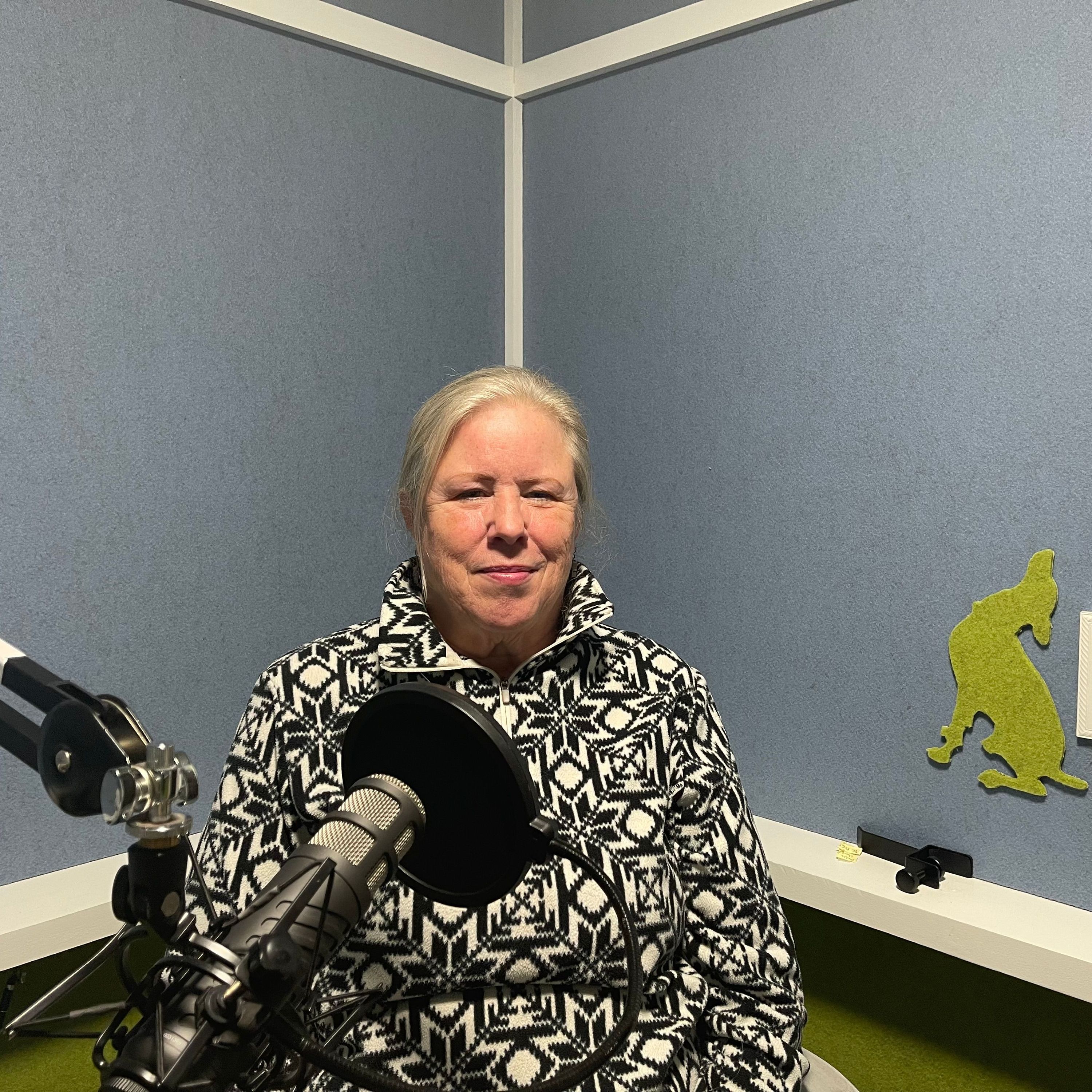
Elder abuse can take many forms, and it isn’t always easy to recognize. Debra Fitzgerald speaks with Baileys Harbor resident Patti Seger, who spent the last 20 years of her 40-year career as the lobbyist and CEO of End Domestic Abuse Wisconsin, about the challenges older adults face in our communities. Door County recently reported a 51.6% rise in elder abuse cases in 2025. Seger discusses the dynamics behind that rise, the warning signs people should watch for, and the many ways abuse can occur, from financial exploitation and emotional manipulation to neglect.
speaker-0: Hello, and welcome to the Dora County Pulse Podcast. My name is Deborah Fitzgerald, and I'm editor of the Peninsula Pulse. More than one in three Dora County residents is 65 or older. For many, retirement here means a quiet life, a beautiful place to live, and the chance to enjoy their later years. But for some older adults, that same distance from family, neighbors, and support networks can leave them vulnerable. And make it harder for anyone to notice when something is wrong. Door County Health and Human Services recorded 97 cases of elder abuse and neglect in 2025, a 52% increase from the year before, and the numbers are continuing to rise. Abuse doesn't always look like violence. It can involve financial exploitation or even self-neglect. Or an older adult who can no longer care for themselves. It can happen within families, between partners, or in situations where the person being harmed depends upon the person causing the harm. In a recent peninsula pulse story, which was in the October fifteenth issue of the Pulse. We explored why this problem is growing, why it can remain hidden, and what people in our community can do to recognize the warning signs. One of the sources of that story was Patty Seeger, who is a Baileys Harbor resident, who spent the last twenty years of her forty year career as the lobbyist and CEO of Endomestic Abuse Wisconsin. She brings a statewide perspective on abuse and the particular challenges facing older adults in a rural community like Doer County. So Patty, thank you for joining me. speaker-1: Okay, thank you for having me. speaker-0: So your work at End Domestic Abuse Wisconsin focused on domestic abuse, but elder abuse can take several forms. Sure. Which is something that I learned while doing the story. What should people understand about the difference between abuse, neglect, and self neglect? And how can we recognize when a situation has crossed the line from an older person needing help? To someone being harmed or put at risk. speaker-1: Sure. Well, first of all, it's super important for us to know that violence and abuse happens across the entire lifespan for some people. speaker-0: Which I was a shock to f to find out. speaker-1: Sure. I mean, we know that there can be child abuse. we know that in 50% of the child abuse cases that occur occur in families where the two adults are engaged in abuse. speaker-0: With each other. speaker-1: Not well, or one's engaged i w in abuse against the child. Against the other. Okay. speaker-0: Of the speaker-1: And often children get caught in the mix. somebody can be throwing something and a child can get hit with a book or a pan and be injured from that. Or frequently older kids, kids eleven, twelve, up until their teens, try to intervene and try to stop the violence. we know that ninety-five percent of violence is male on female, female on male violence can happen as well, and violence happens in same sex, same gender relationships as well. So anybody the root cause of the abuse is Well, it's about coercive control and power. trying to gain power and control over the other person, and and feeling the need. It's there's it's driven from something inside that person who's exerting the abuse, whether it be jealousy, insecurity, they grew up in it, many of them grew up in abusive homes and that's just the way they saw relationships occurring. And thought that was just part of a normal relationship. So it can be learned behavior. and that's where it's difficult. So when we have kids witnessing, we know that those kids also may grow up to be abusive themselves and there needs to be intervention for them. And then the bulk of domestic violence occurs in that twenty to fifty age range, right? Where the middle life of adults. And then at N Domestic Abuse Wisconsin, we defined older adults as fifty and older because speaker-0: Sure. speaker-1: our lives start to change around fifty. we start to develop age related health concerns. we become a little bit more vulnerable around fifty. You know, the you know, classically we view sixty or sixty five as the age speaker-0: Yeah, they noticed that. Right. They all of the stats were that. speaker-1: st we started noticing that people who are older, just older, fifty five, were you know, just you start getting frailer. women are postmenopause then, they start to lose muscle mass and energy, and our lives change, right? So speaker-0: And most importantly you become eligible for ARP. speaker-1: You become eligible for AARP. We all get our cards at age fifty. so we defined it a little differently. And End Domestic Abuse Wisconsin is also home to a national entity called the National Clearing House on Abuse in Later Life. And it was born out of N Domestic Abuse Wisconsin still resides there as an organization. It's not a separate organization, it's sort of a project of the Wisconsin Coalition. we also call it end domestic abuse Wisconsin, the Wisconsin Coalition. It's a it's a statewide policy, advocacy, training, and technical assistance organization. Also has a law firm that represents battered and sexually assaulted victims. and just a variety of programming and services that supports the 70 plus domestic violence programs, like help of Door County here. or VIP next door in Kewaunee County, Golden House and Green Bay. You know, it supports all of the domestic violence organizations across Wisconsin. speaker-0: Okay. So it sounds like a robust network of statewide resources and assistance that is available and that you spent a lot of time working within. So that was your arena for a very long time. speaker-1: Yeah, well I st I started at a battered women's shelter. I actually started in 1980 as a volunteer for sexual assault. and then in 1985 started doing domestic violence work. I had some violence in my family, it was part of my life and certainly the lives of many people around me and it really resonated with me as that would be a place I would go to work. so I started doing that work. work and so you know I can I can speak from the perspective of being in a shelter where elder victims would come in and stay in the shelter. all the kids in the shelter would call them grandma. but they were there because they were fleeing something, fleeing some form of abuse. f feeling unsafe in their home. being in a shelter situation for an elderly person, somebody who's in their seventies or eighties, it's not an easy thing to do. shelters are evolving now. when I started in the shelter system in the eighties, it was just a few years after it it had started in Wisconsin and all almost all of the shelters were were houses. It w and they had were five bedroom, two bath houses and we had families, you'd have six or seven families crammed in there. You know, it can be and just imagine one living room, one dining room, one kitchen and all the chaos if there's like, eight adults and thirteen kids and one of those adults is a seventy five year old person. It's just not a very quiet or peaceful place. Mm-hmm. just because of the di that dynamic of kids running around and playing and and also kids decompressing from what they've experienced in the home. speaker-0: Right. speaker-1: and so you know elders really have a different experience of abuse in terms of what keeps them safe, how abuse may look for them. We know that a certain amount of abuse is adult children against their parents, mostly adult sons against their parents, but can be a daughter too. I worked a case in the nineties where a daughter and her father lived in a rural Dane County farm and she had forced her father to live in the chicken coop. and he was quite he was quite elderly in his eighties. And he was literally forced to live in the chicken coop and was on a mattress made of straw with a blanket thrown over it. And that's where he slept in the winter speaker-0: How do you find out about cases like that? Now, despite the number of resources that might be available, it's not the daughter who's going to be calling officials. speaker-1: No. speaker-0: And certainly it's not going to be the eighty five year old man who was forced to live there but is obviously able to be forced to live there. speaker-1: in his case, one of his family members knew that that was going on and they called the Department of Health and Human Services, the County Department of Human Services, which also is the same with Door County, has caseworkers who cover elder abuse and neglect cases. So they in Dane County, that person reached out to me. and asked me if I would accompany him to go to the farm. I was an advocate, right? He reached out to me and said, Patty, will you come with me to the farm to meet with this elder gentleman and let's see if we can figure out a way to get him safer. And I've talked about this with you in the interview I did for the paper, that many elders are dependent on the very person who's causing them harm, causing them to be unsafe. And in his case, he was extremely resistant. Even speaker-0: interesting. speaker-1: though he knew it was not safe for him to be living in a unheated, drafty chicken coop, he did not feel safe. we tried talking with him about whether or not he would be willing to file a police report. He was absolutely not willing to do that. He did not feel I think he did not feel that there would be anyone else who would care for him and that at a minimum at least she made sure he got a meal every day. Mm-hmm. and I don't, you know speaker-0: And that can't be unusual. Not speaker-1: It's speaker-0: for that age group to feel that way. That that their life really depends upon this person who they are familiar with when everything else might seem like it's getting so strange in the world. speaker-1: Right. And their health is failing. They're not feeling strong. They're not feeling able to stand up for themselves in the same way they did when they were forty. Right. If you're you're double that age. I mean I c I can say for myself personally, as a person who's about to turn sixty five, I f I feel it, you know, and it's different, right? And so it does open up a whole new level of vulnerability, dependence, and if you have somebody in your life, like if your wife or husband is gone. we did interview the daughter when we were out there as well. And she told us point blank that this man who she was forcing to be in the chicken coop was very violent and abusive to her and her mom. speaker-0: So this was almost payback in later life. speaker-1: It's a c it's a complicated structure. speaker-0: Very complicated. So what types of resources how is it different then for the elderly if shelters aren't really good options and they're not physically strong and are frail, then how many fewer options are there for elderly people who are taken out of an abusive situation? I think speaker-1: The and whether it's true or not, I think it's a very scary prospect for some people to consider nursing home or elder care facilities. and I also know that some of those elder care facilities are not great too. I mean it if you were to contact the Department of Health Services, which regulates them, you would hear about how often the staff in those facilities harm the residents all across the state. I think there's a certain fear of going there. it's a quieter place. But also would you not have a fear of just being so isolated there? You don't know anyone there. Will anyone come to see me once I'm there? Is this just where I'm gonna be laying until I die? I think speaker-0: Right. speaker-1: that's a real common fear. Intern: I'm Rosie, a little sister with Big Brothers, Big Sisters over Door County. My big sister Deb and I have been matched since I was in first grade. Over the years, having someone who believes in me and cheers me on has helped me feel more confident in myself. Kids in Door County are waiting for a mentor who can make that same difference. You don't need all the answers. Just make time, listen, and be yourself. Visit BBBSneW.org and To become the mentor today. speaker-0: Dora County is obviously a different kind of place than probably a lot of the domestic abuse cases that you saw, though it sounds like you dealt with them from rural situations as well as city situations. speaker-1: Absolutely. speaker-0: were there some differences between the two types of cases? Not in terms of what happened, but Maybe how you found out about what happened. I think of people here being more isolated. speaker-1: I think well obviously we know the geography of Door County is extremely unique, right? For a community. Things are centralized in the bottom third of the county. We're along peninsula. We have more than thirty islands. Several of those are inhabited. I think about like Chambers Island, which has fifty five houses on it that people reside in in the summer. there is no law enforcement that ever goes there. Mm-hmm. and anything could be happening in that situation. I mean obviously these are people who are flying or boating back and forth. speaker-0: Though law enforcement could go there. It could because speaker-1: But they're they're in speaker-0: Gibraltar Chambers Island. But I understood you know, I mean somebody needs to to call and get them out there. speaker-1: Right, right. and even Washington Island is relatively small with three hundred people. I just think about the geography As I drive around in this community and see how many houses that are set so far back. I live in a house that's got a quarter of a mile long driveway. I understand it, right? My closest neighbor is a half a mile away. Mm-hmm. And we're at the house at the end of the dead end road. No one comes down there except for the mailman. And I see many houses here that are like that. So there is something about the ruralness, the geography that makes it a little more difficult for people to know that something may be happening, whether it be between two couples, people who are in a partnership, marriage, or a adult child, or even a for hire caregiver who may be coming into the house. It's really difficult to monitor unless you're in a town. But even here when I'm in the towns a lot of the houses are set pretty far apart. Some are very close together and some are more far apart. and the thing that I know about urban environments is it's really the neighbors. speaker-0: That's what I was going to ask. So is it the majority of the time that you find out about things because of the neighbors have alerted? speaker-1: I wouldn't say it's the majority of the time. This speaker-0: Okay. speaker-1: is really different with the advent quite honestly of cell phones. Because somebody can run into a bathroom and lock the door and have a cell phone and call. So speaker-0: Yeah. speaker-1: and the phone doesn't get ripped out of the wall. I will tell you when I first started doing the work in the eighties, There were so many cases where, the victim would run to the phone and the phone would just get ripped right out of the wall by the abusive person. So so we know that there there are some things that have changed for us, right? Technology in general. If you go to any domestic violence service provider website, any of them, they have an automatic escape button on the screen the whole time. So if a victim survivor is looking at a screen and trying to get information about resources and their abusive partner walks in the room, they can click a button and it will go to something completely different. and it says on the screen, if you're in danger right now, push here. And you push there and you go to like National Geographic or whatever they have that organization has set up. So speaker-0: Okay. speaker-1: that the abuser doesn't see that she's been looking at resources. speaker-0: Wow. speaker-1: Wow. And abusive people who are really prone to controlling their person that they're focused on are using technology now too. I mean we've had plenty of cases of people placing tracking tracking devices on people's cars and we're hearing about this with the flock cameras using people in law enforcement who are abusive, using flock cameras to track their girlfriend or wife, so the times speaker-0: that yeah? speaker-1: have changed a lot. In some ways it's given people more access to resources, you know, as I said, a person who's in the minute being victimized can if they can get themselves into a locked space even for a few minutes and dial nine one one, they can be really helpful and they i it there was not as easy with the phone hanging on the wall. speaker-0: Mm-hmm. Right. Except for if we're talking about the elderly population. Right. Might they be less inclined to use as much technology? speaker-1: It just depends on the elderly person, I think. Some some peop some of them are very used to technology and some of them are not very tech friendly at all. And it just really depends. speaker-0: Yeah. speaker-1: It is a population that is has is like I think in this evolutionary place. Probably twenty years from now, anyone who's elderly will be fully adept at technology. But right now we're in the I think a transition period. In urban areas, neighbors are big ones for hearing that something's happening. Even if they don't call the police, they may find a way to surreptitiously engage with the person at like maybe she's out hanging her laundry and just say, Hey, I I heard a noise. You know, can I check in on you? Are you doing okay? speaker-0: So there just that that proximity is just something that is going to allow people to notice more easily and what it looks speaker-1: To bear witness to something happening. They may not know exactly what's happening, you know, like you know, it's weird when you hear someone screaming. It could be somebody tripping over the dog, right, and falling and screaming as they're falling. Or it could be somebody being hurt by another person. So I think depending on how well neighbors know each other, they're they may be cautious about that. And if the person's being a victim of violence. we should all be cautious anyway about engaging. it's a very delicate thing and that person may or may not be truthful if you were to go to them and say, I heard screams at your house the other night, I just want to check in and make sure everything's okay. they may say that was just the T V. Or if they know the person really well, they may say, Me and my husband got into a terrible fight and I was really scared, They might say that. And then if the person knows so it's it's beholden for all of us to actually know the resources that are available. speaker-0: So what is it that community members can do? And I w I wanna say I I should actually ground us a little bit in this. The issue of elder abuse and neglect and self neglect seems to be the bigger percentage in Dora County according to Health and Human Services. speaker-1: Self neglect neglect would be huge if somebody's living on their own as an as an elder. maybe they have advancing dementia, maybe they have an advanced form of dementia. if they don't have family or they have family but are disconnected from their family, as with the recent case here in Door County, then who's in charge of checking in on speaker-0: Right. And that was essentially what triggered this. I knew that the cases were rising on elder care and abuse in Dora County last year. Mm-hmm. That's when they transferred staff around in order to be able to meet the rising demand. And then the case came up in Dora County and about a month ago when an Ellison Bay woman shortly after paramedics took her out of her home, she died. And her longtime partner has been charged with her death. speaker-1: Mm-hmm. speaker-0: And that kind of was a wake up call for a lot of people because it showed us a situation that is very much how a lot of people live up here. Yes. And that is off road, you just don't really interact with the people on a regular basis. I know that even around our house, a lot of the people are seasonal. Mm-hmm. And so they're not going to be there on a regular basis anyway. And so you wouldn't know them. And you just give people their space because that's kind of how we live up here. Yes. So so how Can we as a community do better? speaker-1: I think bec it really because Door County has such a older population, and there are certainly young people here too as we know, but we have what did you say at the beginning? One in three people is over sixty five. speaker-0: more than one and three. More than one and three. Yep. speaker-1: and I had read somewhere that we're the second eldest county. speaker-0: Third. We are the third oldest. speaker-1: There's a there's a lot of older people. it's very desirable for people to retire up here. and for people to know what the resources are. You know, there is Door County Human Services is always a resource. if the police are a resource, people are afraid to get the police involved. I understand that. They're just they're one option and should always based upon the seriousness of what's happening. People need to see them as an option. They are trained to in in how to respond to elder abuse, to domestic violence, to sexual assault, and they are trained on how to be responsive and trauma informed. And speaker-0: Right. speaker-1: then we have the we have other resources. We have help of Door County, which is providing both domestic violence and sexual assault. And domestic violence is defined very broadly. in Wisconsin law it's defined broadly. Yeah. people in a marriage, people in a relationship, people who reside in the same household, family, familial, like children you know, either resided with in the past or reside with currently. And it also includes people in dating relationships, even if they've never resided together, but it's common knowledge that they're dating. and they're also providing sexual assault services and elders amazingly are also raped and sexually assaulted. so that is never off the table. speaker-0: Sure. So there are places that people can call. We do have resources here and health and human services would be the primary one, but yes, you can always also call law enforcement and we have help of Door County. speaker-1: We also have an aging and disability resource center here as well. speaker-0: Right, which is part of the county as well. Yes. So speaker-1: But they provide really good resources if somebody needs help with transportation. th those people are trained to look for things when they're helping to transport a person maybe to a medical appoint appointment. And speaker-0: Right. speaker-1: again, that's another point of entry, the healthcare system itself. If an elder person or any person, I think we're all used to now our healthcare workers asking us questions about are we safe in our own homes when we When it's on our little questionnaire when we check in for any healthcare appointment. speaker-0: Right. speaker-1: and and so that's not always asked super well. Last time I went to a healthcare appointment, they asked me with my husband sitting next to me and I after he left to do something, I said, I worked in this field for many years and I actually helped pass the law that requires you to ask this question and you should be asking the question without my partner sitting next to me. speaker-0: They probably well hopefully they'll be getting better at it, especially with feedback like that. speaker-1: I was like she was like, yeah, you're right. And I just said, 'Cause I probably wouldn't have answered truthfully if I wasn't sitting right there. speaker-0: So those are the resources that people can call if they are so inclined to call. And that's the part that I am a little stuck on. I get it that there are resources that people can call, but if it's a self-neglect situation, or if it's a situation where you're afraid because you depend on Physically, emotionally, financially upon the person, and you're too elderly to actually make a call, or that might not be different no matter what age you are. speaker-1: Right. speaker-0: How as a community do we address this for all of the people who are retiring up here who don't have family and who end up perhaps being alone and being in that situation? I know that A lot of elderly people have transactional relationships with stylists and speaker-1: I was gonna say that there there's the saying it takes a village and it really does. anyone from a hairdresser who's cutting someone's hair, although, you know, I will say self neglect cases, people who self neglect really self neglect and often don't have those kinds of relationships. But they may do something different. They may go to a grocery store. speaker-0: Grocery store, sure. speaker-1: And you know, if you're a clerk and you you know that person, maybe they they reside pretty far out and they go to the Piggly Wiggly in Sister Bay, which is a relatively small store, and they get to know the people on a regular basis, the regulars who live here. If they see something different about that person, they can play a role by just calling, not talking to the person directly, but maybe calling Health and Human Services. speaker-0: Right. So those are the people that can call those resources. See that's where that becomes very important. speaker-1: Anybody can just call and say, I just you know, I interact with Jane Doe every week she comes in here and the last three times I've seen bruising on her arms and this time she had a bruise on her face and I feel uncomfortable about that and I don't wanna ask her but I'm a little nervous about that something might be happening and they'll go check on her. And speaker-0: Right. speaker-1: and They're trained on how to do it and how to check in. speaker-0: Or you can call for a wellness speaker-1: And call for a well. speaker-0: check. Or a home health check. I mean whatever they from law enforcement. speaker-1: Yes, yes. And and again, we know that it may be a situation where the person is highly dependent on the person who's abusing them and they see this person as coming in and that person's gonna leave again and they're left with that person who's harming them. so they may or may not say anything. Okay. But they it starts to crack open a door for them to realize that other people care about them, that Maybe there is something they could do. Maybe they don't have to live like this. you know, years ago, everybody used to call it for all of the situations with elders, used to call it caregiver stress. Now I will say there is a thing such as caregiver stress. When somebody is in a caregiver role, never gets a break, they can you know suffer their own secondary trauma from that and start to lash out at the person. Who they're carrying. speaker-0: for. Right. And and that that's one interesting case I was going to ask you about that because Health and Human Services had had told me that they know of cases where caregivers are elderly themselves and are in situations where they are trying to provide the best care that they possibly can, but can hardly do it. Mm-hmm on their own. Mm-hmm. And that we read about it all the time about how stressful it is for a caregiver to provide twenty four seven care to another person. Another person with dementia, for instance. Right. speaker-1: Right. there there needs to be some break for that person. some way for that person to get out of the house and away from that caregiving situation, even for an hour or two every day. Mm-hmm. because otherwise you're just you know, you're burning yourself out, just completely absorbed with the care of another human. speaker-0: So maybe then it's also recognizing people who are in caregiving situations. Right. speaker-1: Importance of self care for the caregivers. people I may think that's like a I don't know, a pithy or crazy kind of concept like, self care, you know, that's g kind of goofy, that's so new age or whatever, but it's extremely important if you've ever been in a situation. Many of us has I I I helped care for my parents as they both were passing. It's very stressful. It's very long and and you just are you never sleep fully because you're listening all night for their for any kind of movement or something happening. And that's really typical and it's exhaust. And when you're speaker-0: Yeah. speaker-1: that exhausted you can't You're not caring for yourself, and when you're not caring for yourself, you can't care for another person all that well either. And so it is important to recognize that. And then I would say elder abuse that stems from domestic violence is a little bit of a different animal. there can be some combinations. I think perhaps the case that was reported here in this county about a month ago might be one of those combination cases. where they didn't have a great relationship. and also he was sent for a competency evaluation. He may be incompetent himself. speaker-0: Well, and we don't know that. so that case is ongoing and that competency evaluation will be coming back before the courts on October twenty ninth. Right. So yes, but there are many different factors that can be involved in any single situation. Right. Hey Door County, we have new ways for you to support your favorite local news. speaker-1: The Peninsula Pulse is stacked with new gear. Rock the read local tea available in two colors and two styles. speaker-0: Sticker up your laptop or water bottle with the Peninsula Pulse sticker pack. speaker-1: And don't forget to deck out your walls with the Door County State Park poster collection. Every view, one gorgeous set. speaker-0: Peninsula Pulse celebrating 30 years. speaker-1: Check it, read it, use it, and now wear it. speaker-0: Head to doorcountypulse dot com slash shop today. It's one thing to Raise awareness about an issue, but it's quite another to come up with solutions for it. And we don't ever really like to just talk about the problem as a problem without having something concrete that people can do to try and mitigate it. But in this case, raising awareness of it actually can go really far. speaker-1: It's a big deal. It's a big deal. And again back to it takes a village. Literally anybody. If if the I think many of us have had the experience in our life of like even meeting a stranger for the first time and feeling like something's funny here, right? Like bumping into somebody in the parking lot and seeing them with injuries on their face. and It's okay for you to reach out to somebody and say, I don't know this person, I wrote down their license plate number. She seemed awfully beat up and it was really concerning. And and I would rather have somebody check on somebody out of concern for their safety than find out and and find out later that it the person had been in a car accident and that's why their face was speaker-0: Right. speaker-1: To ignore it fully and have that person be dead. speaker-0: whoever is doing the reporting, they might not do it because they feel like they don't want to get involved, but does it really involve more than alerting somebody? speaker-1: well it it can. obviously if they if you call nine one one they're gonna ask your name and speaker-0: Well the for nine one one, right. But if you were to call Health and Human Services. speaker-1: They may be able to take a confidential report, but you know, it just really depends on what happens with that. If if the police get involved, they will do interviews, speaker-0: so then you would actually be involved. speaker-1: There there may be a time in which you would be called to s to say, Yeah, I I'm a witness to this, I saw this. speaker-0: But I think like you said, like you pointed out, it's better to you know, to point it out and speaker-1: If you love your community, I will say two times in my life I can't believe given the career path I chose of working in the gender violence field, two times in my life I stopped on the street domestic violence happening. Really speaker-0: Yeah. speaker-1: right in front of me, right? one time I was the director of the domestic violence unit at the Dane County District Attorney's Office, which is a victim advocacy unit, not a prosecutorial unit. And I was walking on the sidewalk outside the courthouse building and all of a sudden I see a guy grab a woman and start slapping her and she's holding a baby and the baby goes flying on the ground. speaker-0: My god. speaker-1: And sh I put my body in between those two people. And got into they they started going into a parking ramp and I followed them in and I got into the elevator. They were going down to the parking ramp and I held the doors open and I just looked at the woman directly and said, Are you safe? The baby's screaming because it's bashed its head on the concrete. And she said, No. And thankfully one of someone I knew who was a public defender was standing nearby and she's like, Patty, what's going on? Shall I call the police? I'm like, Call the speaker-0: wow. speaker-1: And then the other time was at my own home. Some people were painting there were painters painting a house across the street, painting the exterior. And a guy one of the painting guys got into a fight with his girlfriend who showed up there and it turned physical. And I just went running my husband my poor husband, I'm he's like, You don't speaker-0: I just go running right out there. Right. Right. speaker-1: hurt and but you know I think many of us may have that experience and it's like all about your radar, right? speaker-0: Sure, and yours was obviously very tuned into those situations. speaker-1: And feeling like, okay, at a minimum what I can do here is I can this is an active situation and I can get law enforcement to come and stop it. speaker-0: You know. speaker-1: And and law enforcement is all trained on re s on all the resources as well. They carry with them pamphlets and little cards and things to share with people who are victims, so that they can get longer term support. And they're really strongly try to support victims to reach out and connect with those organizations. It depends on the community you live in about whether or not the police forward the reports directly to the domestic violence program. And in many of those situations advocates find a way to reach out to a person directly and just see if they want their resources. speaker-0: Sure, sure. speaker-1: I don't know that that happens here in Door County. speaker-0: Well, I wanna thank you, Patty, for giving us some of your extensive knowledge in this area. Somebody has to work in this area and I can't imagine that it has been easy doing that. speaker-1: Not for everyone. speaker-0: Right, right. But thank you for sharing your vast experience with us. And I think that everybody can be a little bit more aware. of who it is that they see in Dora County. And and that's one, I would say, advantage of a rural area is that you tend to see the same people all the time. You have the same kinds of routines and so you might go to the grocery store at the same time as somebody else or, you know, those types of interactions might happen more frequently than they would in the city. So this obviously is just a public service announcement story to raise awareness about this issue and to hope that what happened in Ellison Bay doesn't happen again in Dora County. So thank you for coming in and talking with us. speaker-1: You're welcome. Thank you. speaker-0: And you are listening to the Door County Pulse Podcast. I thank you always for doing that. Until next time.