
Door County Pulse Podcast · Door County Pulse Podcast
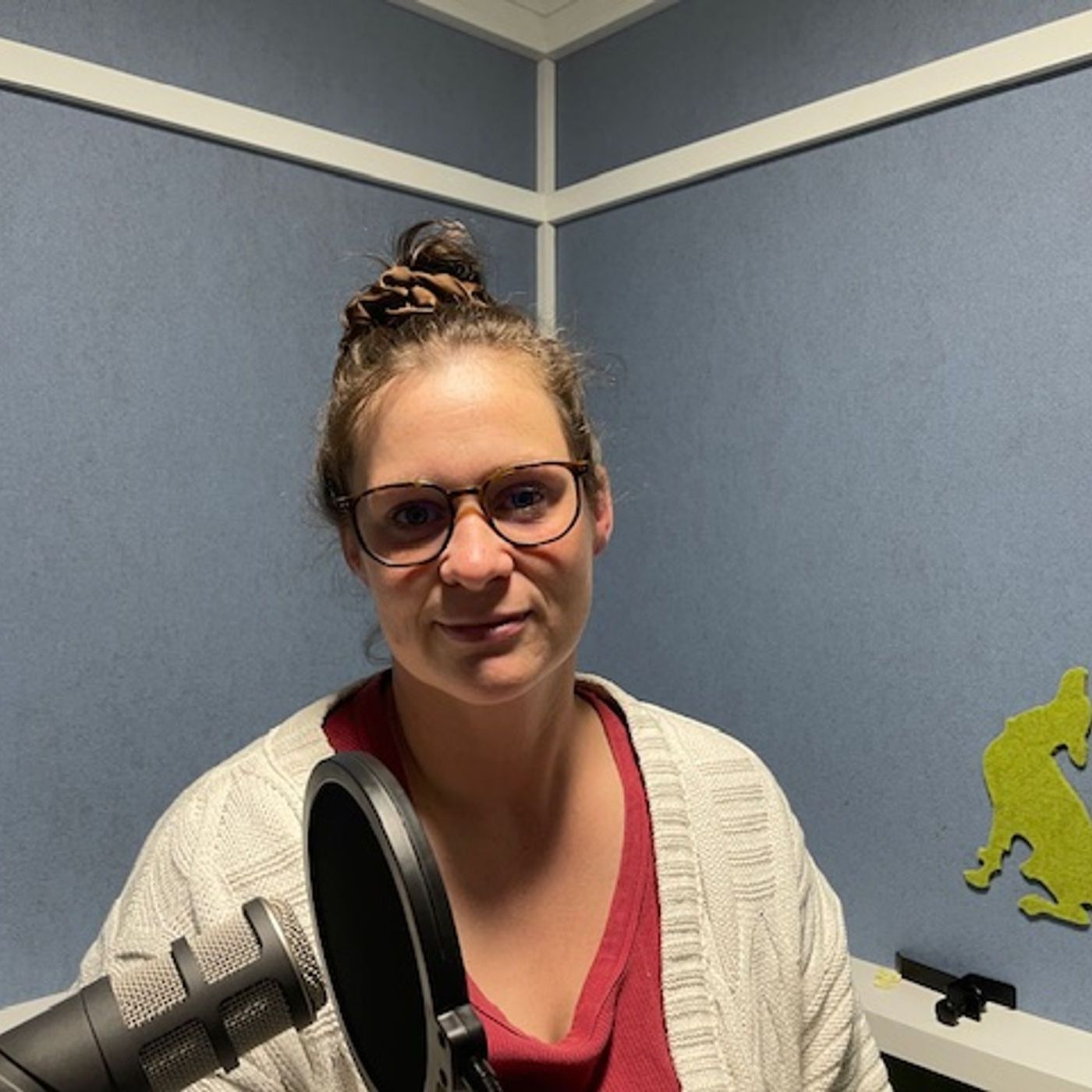
Elder abuse and sexual assault can be difficult to recognize and even hard to report or escape. Moriah Benzow, executive director of HELP of Door County, talks with Debra Fitzgerald about the warning signs of elder abuse and neglect, the challenges of helping vulnerable adults who may depend on their abusers, and how HELP works to support those experiencing abuse. She also talks about HELP’s expanding role as it prepares to take over services for sexual assault survivors in Door County, after Family Services of Northeast Wisconsin stopped providing the service.
speaker-0: Hey Door County, we have new ways for you to support your favorite local news. speaker-1: The Peninsula Pulse is stacked with new gear. Rock the read local tea available in two colors and two styles. speaker-0: Sticker up your laptop or water bottle with the Peninsula Pulse sticker pack. speaker-1: And don't forget to deck out your walls with the Door County State Park poster collection. Every view, one gorgeous set. speaker-0: Peninsula Pulse celebrating 30 years. speaker-1: Check it, read it, use it, and now wear it. speaker-0: Head to doorcountypulse dot com slash shop today. Debra: Hello and welcome to the Door County Pulse Podcast. My name is Deborah Fitzgerald, editor of the Peninsula Pulse, and today we are going to be talking about two kinds of abuse that can be difficult to recognize, difficult to report, and even more difficult to escape: elder abuse and sexual assault. My guest is Mariah Benzo, who is the Executive Director of Help of Dora County, which provides advocacy and support for people experiencing Domestic and intimate partner violence. In a recent Peninsula Pulse story, we looked at rising reports of elder abuse and neglect in Door County and the challenges of identifying and responding to abuse that can happen behind closed doors, sometimes involving the very people a vulnerable adult depends on for care. We're also talking about a significant change for health. The organization is preparing to take on a new role providing services to sexual assault survivors as the Sexual Assault Center operated by Family Services of Northeast Wisconsin transitions its Door County services to help. The expansion raises important questions about what survivors need, how a small rural community can provide those services, and what the rest of us should know about recognizing abuse. And helping someone who may be experiencing it. Mariah, thanks for joining me. Thanks for having me. You have a very serious job. Yeah, it is a very serious job. How long have you been doing it? I've been with HELP of Door County in some capacities since 2019. Starting out on our hotline and then went into advocacy program management and now I've been the executive director for going on two years. Is this something that you knew you wanted to do in life? No. it kind of found me. I was actually going to school for psychology and as I was doing counseling, as I was working in advocacy and working with HELP Of Door County, I really just found my passion and helping this vulnerable population and just being able to utilize my skills and my ability to reach out to resources and just be that empathetic ear for people. and just being able to help them solve their very complex problems. Right. I I think it's really important to distinguish that we're not trying to save anybody. We're here to give them the resources and help them just look outside of their box because sometimes we get really when we're in in the thick of it, we can't find our way out of it. Very easily. So we just like to shine the light on all these other possibilities. Okay. Now this is the I will call it the underside of Door County or the understory of Door County. Because what we see on the surface of Door County is this beautiful natural county that draws so many people to it because it's beautiful and there are many things to do and and it's fun, but then we are a human population who lives here and therefore we have all of the same human issues that people have in major cities. Does that in any way mean that you don't get the resources that you need for the work that you do in Door County? I feel like it's a bigger struggle when we're doing fundraising and campaigning. because you're one hundred percent what funded by donations and grants. We're a hundred percent grant and donation funded. So federal grants, state grants and then donations. Mm-hmm. Okay. And we have local grants as well. Just wanna throw that in there. So we hit grants on every level. but still about like thirty eight percent or a little bit more of our budget is strictly from donations and fundraising. Wow. Okay. Thirty percent. A little over thirty percent. Closer to forty. Okay. All right. So do you find that it is harder to raise awareness for the need for the donations for this service in a place like Door County? I feel like One, we have a lot of nonprofits that we're competing with for all of our donors here. And and it's not as glamorous, it's not a pretty thing to be donating to. There's a lot of stigma in domestic violence. Right. You're not gonna put a name on something. I mean we could put a name. If somebody wants to put a name on it, we'll put a name on it. But it's just there is a lot more stigma. So it's not as an easy sell to people of like raising money for the arts. That's very large crowd of people who want to support the arts. and it's it can be very challenging to get people to connect with domestic violence survivors and just realizing that these folks are the people that live here and that are trying to survive here. And we do have a lot that people are struggling through and generationally struggling through that I think does definitely gets overlooked. It's not the shiny parts of the, community. I do agree that it is the underside of Door County or Understory I like. Yeah, understory, I think you understory of Door County where people really don't wanna think about it. And then the people that live here seasonally, I'm sure they a lot of them probably donate to their local. areas, right? But this is their vacation home. They don't they they don't want to think about these issues arising in our county here, but they exist. So then I would imagine it is a bit more of a struggle than it would be in other places. Yeah. Yeah. And we'll get back to that because I I wanted to talk about local funding and what you do get from maybe local governments instead of just state and federal. But first let's let's talk about what it is that you do. And with your work you are given a very close look at abuse and neglect in Door County. And what concerns you most about the rising number of elder abuse cases? Now you haven't necessarily seen a huge increase in the number of elders that you're seeing. No, I we haven't seen it's been steadily increasing by a couple of people per year. Okay. what percentage? So let's talk about the number of people that you see on an annual basis versus the number of elders. I can tell you last year I just pulled my numbers for twenty twenty five and we had about two hundred and twenty five individual clients and I believe twenty two of them were sixty and older. and that's how you define elders, the sixty or older? Sixty or older is what we count as a elder abuse population. Okay. so ten percent. Yeah. Roughly ten percent. Yeah. And but if you look at the adult protective services in the ADRC they're seeing referrals about fifty one percent increase. I know, it's crazy. and not everything, not every elder abuse case is right for domestic violence. So that's where that distinction is. Sure. So everything primarily that's the number one agency that you would call first is the Dora County Adult Protective Services. So they receive everything to investigate. You are brought in or notified when It has to do with domestic violence. Domestic violence or interpersonal violence. If they are in need of restraining orders, we definitely are connected and it's usually we're not usually getting referrals from them where it's usually individuals coming in or their families coming in. a lot of times it starts with needing a protective order, some sort of restraining order where there it's an individual at risk. or a harassment or a domestic violence restraining order and then we have these conversations of like what this abuse looks like. We see a large amount of financial exploitation happening and a lot of individual at risk too with caregivers, right? And not getting that support. Yeah. And that's what they talk about is that caregiver stress. Mm-hmm. That they burn out, that they can cross a line when they are not offered or providing care for themselves. So if you did work with adult protective services, would they be sending you cases? Like do they ever if it's domestic assault, do they ever send those cases to you? I don't want say ever, 'cause I I I have not received personally a case referred to us through Adult Protective Services. It does not mean that they did not give them our information though. Right. Okay. So it could have been a a situation where, hey, here's here's help's information if you wanna reach out to them. I just don't want to just say ever. Yeah, sure, sure. But most of the time you're getting walk ins. Okay. Walk ins from people. are you surprised by the number of elder abuse cases that are here? Unfortunately no. Okay. Just with our growing population of elders statistically, we probably have more than even is being reported. So I I definitely and I feel like this is gonna keep growing as our population keeps aging and especially as we have that limited number of caregivers, the amount of the higher rates of burnout, the more people they're having to take care of. So it's just a kind of disproportionate balance of an aging population needing support and lack of support for the supporters. Yeah, right, right. So what are the warning signs that people should look for, particularly when abuse involves a family member or those caregivers that you're talking about? definitely isolation, if they start missing appointments, if they have any kind of marks, bruises, bed sores, things that are coming without any real explanation. If they're seeing fraudulent signatures on anything or bills aren't being paid correctly, things start going missing, if they actually even if they tell you something's going on. Even if there is concerns of like memory issues or Alzheimer's or dementia or anything that if somebody is telling you that something is happening and they don't you believe them first always and then find out more information. I think that's the number one key is that a lot of time, especially if they're in memory care facilities, that puts them at a huge risk for being victimized because they know the people that are causing the harm know that they're less likely to be believed. and then once somebody tells you once and it's been dismissed, they're likely never to say it again. Hmm. And you know that from experience. I yeah, we've had some people that have called with concerns of that and it's in all of our trainings. we we know that with that population and the elder population, that it is not easy for anybody to say that they're being a victimized, but with this generation, it's a generation that's been told to basically shove any issues under the rug, right? We aren't talking about mental health. We're not talking about problems. We're not trying to burden anyone more than what we already are. So if they're actually coming to you and saying hey, X, Y, and Z is happening, try to believe them first, do your research, check into it. And if it turns out not to be true, that's fine. But at least you put them first. Right. Right. So as you say Since they're so reluctant to ask for help to begin with, then how do you reach them? I think letting them know the resources are there. Yeah. Letting them note also what warning signs to look out for. Because sometimes especially with financial abuse, and when it's happening within a family or maybe somebody that's their trustee or somebody that's handling their finances, having checks and balances, having another person also keeping eye on that. So it's not just one person, but letting them know what their resources are, what to look out for. And I would say to anybody to have contact with your with your family members, especially if they're in a nursing facility, if they're, you know, in any kind of assisted living, make sure you're staying in contact with them. That is key. I've heard that a lot. during the reporting of the story on elder abuse in Dora County, because we only have a couple of facilities, it wasn't concentrated on that particular type of care. But I have heard that a lot, that maybe a lot of people think, finally I'll be able to get my parents, my elder aunt or uncle safe in a place where they'll be taken care of. And so a lot of the worry in weight are released from that family member and maybe they're too trusting. I feel like we do have really good places here. And I feel like you c you should feel like you're in a safe place. Like you you put your parents in a safe place. But that still means I would still keep in contact, right? I would still just do check ins. with anything. And then if they're still on their own, if they're living alone still, do even more check-ins. if they have, an in home care provider coming in and just doing some stuff, making sure that that person is meeting and exceeding their needs, making sure that they're okay. Because especially if any kind of cognitive decline is happening or physical decline is happening. They may not be telling you and if there is any kind of abuse happening, it's shameful. It can be a very shameful feeling. It's not it shouldn't be shameful, but it can create a very shameful feeling of helplessness and like if something is happening. That probably doesn't change no matter what age you are, right? No. I it doesn't change what age you are, but it can it can just be hard to talk about. at any age. At any age. And I imagine that the stakes would also be high at any age. If you're, for instance, a young mother or if you're an elder person who's relying upon the person who is taking care of you and and being abusive. So even though you might be less strong or have fewer resources, it still must be the same across the spectrum, is it? I think so. abuse can happen to anybody. Yeah. It doesn't matter their socioeconomic standard, it can happen to anybody. Do you see that in Door County? Do you see clients who represent the socio economic diversity? Yeah, not as much as what is actually happening, but we do see people from every class here. Okay. We see all kinds of people. Okay. Jessie: Children in Door County are waiting for a mentor who believes in them. You can help ignite their potential. I'm Jesse, the program coordinator at Big Brothers Big Sisters of Door County. We're looking for volunteer mentors to spend just an hour a week with a child at a local school during the school year. By playing games, talking, and simply showing up, you can help build a friendship that makes a lasting impact. It takes little to be big. Visit BBBsnew.org to become a mentor today. Debra: let's shift and just talk about up until now your primary role has been working with and helping domestic abuse victims. You are now going to be taking on an expanded role with sexual assault victims. So walk us through why this transition is happening and what it will mean. This transition is happening because of major budget cuts is really why it's happening. Family services is just no longer able to sustain a Door County location. They've had one person in Door County, and it is regional, so they service Brown, Oconto, and Door and now they're just doing Brown and Ocanto Okay. Door County had the lowest numbers. when I say lowest numbers, it's still about ninety people a year that they're providing services to in one format or another, whether it was ongoing support, hotline calls, reporting, anything like that. did they approach you and ask HELP of Door County to take this on? Yeah. So they approached us last year at the end of last year, just letting us know this was the situation and seeing if we would be willing to take on sexual assault services. and we agreed, but we needed more time so we could get our training and our budgets and our finances in line to be able to support the additional services. So this year that is what we've been doing. We've been training all of our staff, looking getting all of our policies in line, getting all everything that we need to do on the back end done so that when we start taking sexual assault survivors in as clients, that we can provide them the best care possible. And the best support possible. Okay. If it were not feasible for them to do it, why is it feasible for help? we're going out on a limb and hoping that it's feasible for us. Okay. we already have a structure set up for domestic violence. We have advocates, we have everything there. it's just additional training and we would ideally, depending on how much money we can get to support this program. we'd its own dedicated coordinator as well to handle the prevention and keeping track of all the sexual assault services that are provided. there are a lot of limitations to providing sexual assault service in Door County. We don't not have a sexual assault nurse here, so we don't have a SANE nurse in Door County. So that means that anybody who needs to go in for a SANE exam where they get like a rape kit and they get the DNA and they do all of those things They have to go to Green Bay. So, we do not have one currently here in Door County. so it doesn't matter and if you're in Sturgeon Bay or in Brussels, that's not as long of a drive. But if you're coming from Ellison Bay, Washington Island, right? Like that's a huge commitment and a lot of time to convince yourself not to go through with it. So we're really looking at these challenges and trying to see how we can mitigate them. And a lot of it comes to do with funding. So we are definitely waiting on some grants. We've written for federal grants, we've written for state grants. But I've just found out yesterday that between seventy two sexual assault agencies, over ten million dollars was requested in grants. And there's only three million to go around. my gosh. That's huge. Right. and as a brand new sexual assault provider and and as we saw with family services not being able to find enough funding to support their program, you can see why. When you have that high of a need and that low of a funding source, we are gonna have to kind of get creative. If you were able to fund the position What does that look like? Does that mean that you hire a nurse who is on call or what does that look like? So that would be through the hospital. Something that we would The hospital, like Door County Medical Center? Yeah, so we wouldn't we don't fund a nurse. So that is that is something that the hospitals do. So right now at Saint Vincent in Green Bay, yeah. We used to have a sane nurse here in Door County, but because she wasn't able to keep up competency because we didn't have enough people coming in. So And that's all they do. it's not like you can be a nurse. You can be a nurse and do other things, but because it's such a sensitive subject and and process that if you're not doing them constantly, you're not feeling you you're scared you're gonna kinda like miss something. You have to really keep up that competency. And so I don't believe it was an easy decision for Door County Medicals, the person that was doing the SANE to decide not to do it anymore. Like that was not an easy decision to make. but right now that's just where we're at right now. Yeah. That's that's the reality of our county right now. Okay. So, for us, we do the advocacy. So we provide emotional support, we provide financial support, we provide legal support as you're going through this process. We will go to Green Bay with them, we will provide them gas to get there. If they don't want us to go with them, we'll provide them support. In Green Bay, also with Willow Tree, which is the child advocacy center. Okay. so if there's child abuse, sexual assault cases, they go to Willow Tree. Okay. so we're there to be that support system through that whole process. Right. We want to be there with them through that whole process. And additional funding for that position, really however much money we get is how much we can provide in that position, right? Right. So, currently our baseline is having the current staff dual trained. And it's not ideal because then it pulls some away it kind of stretches everyone a little thin. Ideally we would like to bring in an additional person that can really solely focus on that and the prevention part 'cause our prevention aspect is getting into four of the five school districts right now where we do age appropriate sexual abuse education, safe touch and what does that look like and just getting people understanding in every l grade what safety means, right? Mm-hmm. so that's a whole nother ball game. Yeah, and I remember that I I can't recall her name now, the advocate for the agency that was Sophie. Sophie. That's it. Yes. Yes. I had her on the podcast at one time to talk about that process of going into schools and the challenges that, you know, she meets and and doing that. Yeah. Because it can be misinterpreted as talking to children about sex, which is not actually what you're doing. Did any funding come along like automatically with you taking this on? No. So we I mean, we will write for the same grants that they were applying for here with the United Way. And then we'll write for women's fund grants, we write for Dor County Community Fund grants, we write for all every local grant that we could possibly write for. Okay. but no money was transferred over to us in lieu of taking on this. we were very fortunate that Women's Fund granted us a little over nineteen thousand dollars just to help in this year while we're training to help pay for staff training, to help pay for travel while we get staff trained in Madison and to help support us in marketing materials and getting like the prevention education books and like all of those stuff that costs a little money on the back end. Yeah. We are very fortunate. So shout out to Women's Fund. But it's no guarantee of any funding that was transferred over to us. Wow. So a little bit more than thirty percent comes from donors, how much is federal versus state funded? Right now for our domestic violence funding, only like pennies in comparison to what we need. We get about thirty thousand from this feds currently for D V. We have not received anything yet. We've we're still in the waiting process. For sexual assault funding. So those grants have been written, they're out there into the unknown. And we are anxiously waiting to see what kind of money we will get from those. And then from there we will base what we can do. Right. When does it officially kick in? When they touch it. When you when you get the money. Okay. So then most of the grants that you would receive, there it's a mix of state and local. Yes. Okay. What about the Door County, the county of Door? are they obligated to contribute at all? they're not obligated to contribute at all. I ha did put in a very, very last minute petition for some additional funding to help support this. Unfortunately, the budget had already been pretty much set 'cause this was a very last minute, like I said, slipping it in at the finish line before it was settled. I think that this is But the budget is not settled yet. Yeah, th if they wanna give us some money. Okay. They have our they have our request out there. but it is something that we will continue probably reaching out for, because at the end of the day we are providing a service for the entire county. Right. And just being able to have some reassurance and a solid base of funding, would help tremendously. Right. Especially as we see, like I said, there is over ten million dollars needed for our state for sexual assault funding and only three million to go around. So it there is not enough to cover the need. Yeah. Are there other counties that contribute to a domestic violence and sexual assault centers in Wisconsin? Do you know? Yeah, there are other counties. I don't have a list of off We are So it's not required, but some counties do actually do it. Yes. Okay. All right. And so what kind of dollars do you look for when you put in your request? my most recent one was fifty thousand. Okay. So that would be a Which would cover cover the programs, the salaries of the advocates that are needed there and then also emergency services and some of the transportation and needs of survivors. Okay. So fifty thousand is a very baseline needed to keep this program up and running. Okay. Well, I wish you luck with that. Thanks. So what will it take? it sounds to me like it it takes money. Like that's what you need in order to get this up and running. Yes. And so do you have additional fundraisers planned which is an added stress on staff as well because you're the ones who are hosting those things and coming up with the ideas. But so what what are you thinking? right now we just finished our golf outing and we are doing a virtual run all month long for domestic violence awareness. Okay. Which is a smaller fundraiser, but if you want to sign up you can still sign up and get ninety nine kilometers in or the ninety nine victims that lost their life in twenty twenty four. of domestic violence. in Wisconsin. In Wisconsin. and then we have our end of year appeal coming out very soon. we are still working on fundraisers for next year. The one we have for sure is our golf outing next year will still be at Max Welton Braes second Tuesday of September. Okay. So if people want to learn more about those ways to give and participate, where do they go? our social medias and our website are easiest ways to get information about what's going on and what is the website? helpofdoorcounty.org Okay. And for someone who is listening who may be experiencing abuse or is worried about someone they know, what should they do and what would you want them to know about asking for help? Just give us a call. Any time of day. You have a twenty-four-seven hotline. Yes. We have a twenty four seven hotline. Give us a call. we are a hundred percent confidential. So you can come in and tell us everything that's going on in your life and we are just gonna sit there and hold it for you. So and we are a hundred percent free, free of charge. we are not a counseling service, but we will provide you that advocacy and the emotional support and we are here to help you. We have multiple programs that will help get you financially stable, that will help with basic needs, that will help you through a restraining order process. We go along a lot of custody cases. We will go for emotional support and be there by your side through this whole thing. We are gonna be your buddy to you're ready to go out on your own. And if you're nervous, give us a call. If you don't want to come into the office, we have mobile advocacy. If you're out on the island, we'll get to you. So we really do try to eliminate every barrier that we possibly can so that you can receive services. it is so important to us that you at least know what your options are. And yeah, just give us a call. And what is that hotline? Our number is nine two zero seven four three eight seven eight five. Well, Mariah, thank you for the work you do. It is absolutely necessary and needful in the world. And thank goodness for people like you who are able to do that kind of work. I wonder about the emotional toll it takes working in an industry like this. The average life of an advocate is about three years. So the burnout rate is very high. 'Cause we are historically advocates are underpaid. We do it our hardest to pay our advocates well because it's a lot easier to keep them and be able to support them and give them what they need than it is to find new people to do the job. but it is a historically very difficult position because domestic violence is not pr you don't always hear the happy endings. You don't always get a happy ending. And there is just a lot you're holding on for other people. And it can be extremely it is an extremely high burnout field. Hmm. is there a sense of danger too, since you're dealing with people who have been violent with other people, is there a sense of fear that goes along with the job or with some. Yeah. Definitely can make you uncomfortable, can worry you, especially when you live here and work here. Sure. Yeah, especially in a smaller community. Especially a smaller community. There have been times where I've been like, huh, I feel like I want to park my car around the back today because I'm just not sure I don't really trust this person that's coming in, right? So it does make you nervous. There is definitely an air of unpredictability that can come with certain forms of abuse in certain people. I wouldn't say it's everyone. But there are a handful that just definitely make you concerned. our facility is completely secure under surveillance, inside and out, and has locked entry. So we do our best to be as secure as possible there and make people feel as safe as possible, but there's always a risk. Well, thank you again for doing what You do. And thank you for coming on the Dora County Pulse Podcast to tell our listeners about what or remind our listeners what help of Dora County does. Thank you so much for having us. I really appreciate it. Absolutely. And you are listening to the Door County Pulse Podcast. I thank you always for doing that. Until next time.