
Dermatologist Talks: Science of Beauty · Dr. Teo Wan Lin
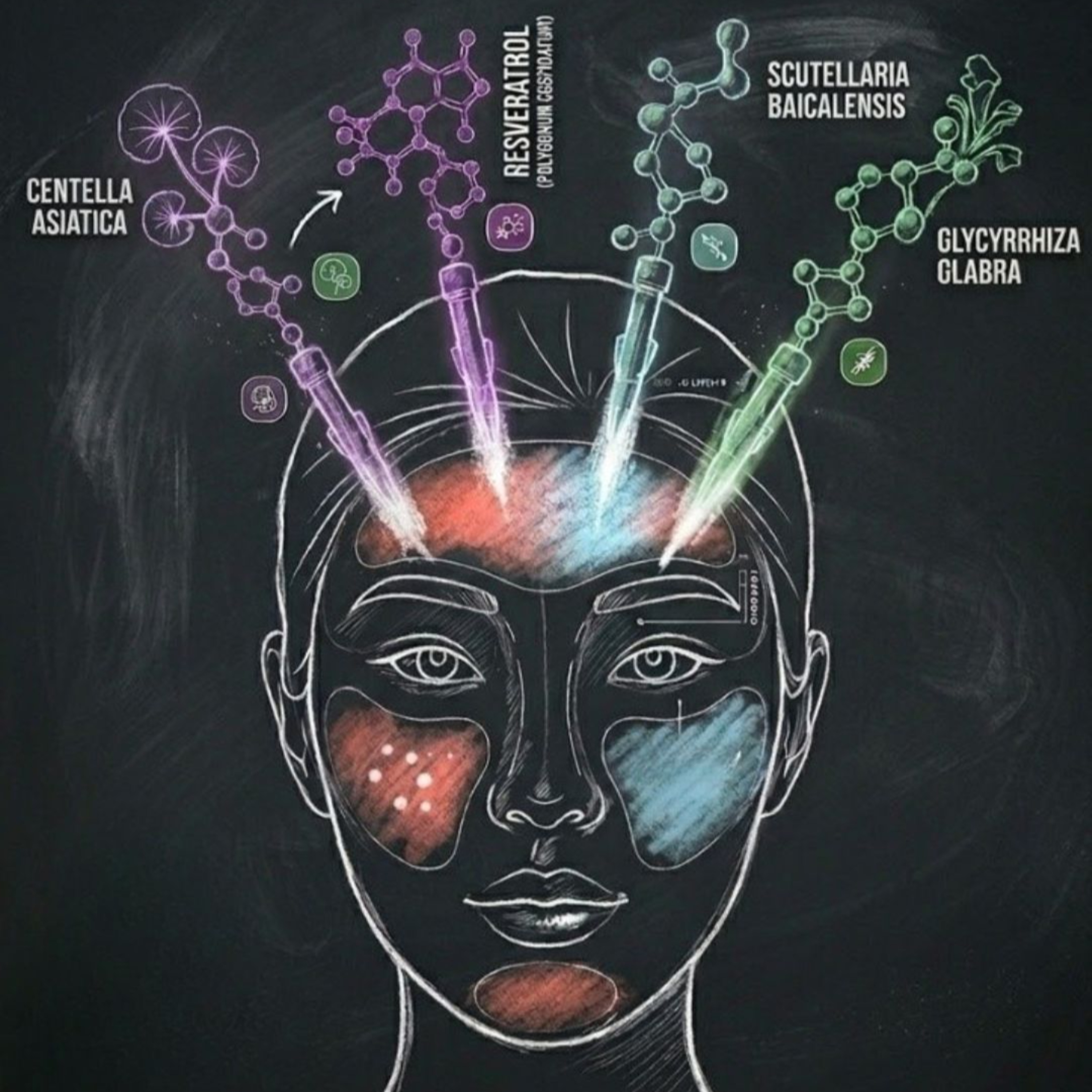
Is your skin behaving like two different ecosystems? If you are struggling with an oily T-zone alongside parched, sensitive cheeks, you aren’t just dealing with combination skin—you are experiencing Zonal Dysbiosis. In this episode, I break down the clinical reality of the O-Zone, a term I coined in my 2021 research on the maskne microbiome. We explore why different areas of the face maintain distinct bacterial compositions and microclimates, and why traditional one-size-fits-all skincare often fails to address these localized shifts. Join me as we transition from basic cleansing to microclimate regulation for a balanced, resilient microbiome. Follow the Research: Official Website: drtwlderma.com The Syllabus: twlskin.com Instagram: @drteowanlin
0:07Is your skin behaving like two different ecosystems?
0:111 area is oily and prone to break out as well.
0:14The other feels parched and sensitive.
0:18What we've previously called combination skin is in fact a
0:22phenomenon better understood in the context of facial zones.
0:27You're likely familiar with the T zone, where there is an
0:31increased concentration of sebaceous glands.
0:34But today I'd like to draw your attention to the ozone, which is
0:38a term I coined in my 2021 work on the Masni microbiome in this
0:43episode. If you suffer from a facial skin
0:47condition, be it acne, cyberic dermatitis or facial eczema, you
0:51may have noticed that certain parts of your face behave
0:55differently. And the reason is that it has to
0:58do with different composition of bacteria, what we call acid
1:02microbiome as well as significant differences that