
Dermatologist Talks: Science of Beauty · Dr. Teo Wan Lin
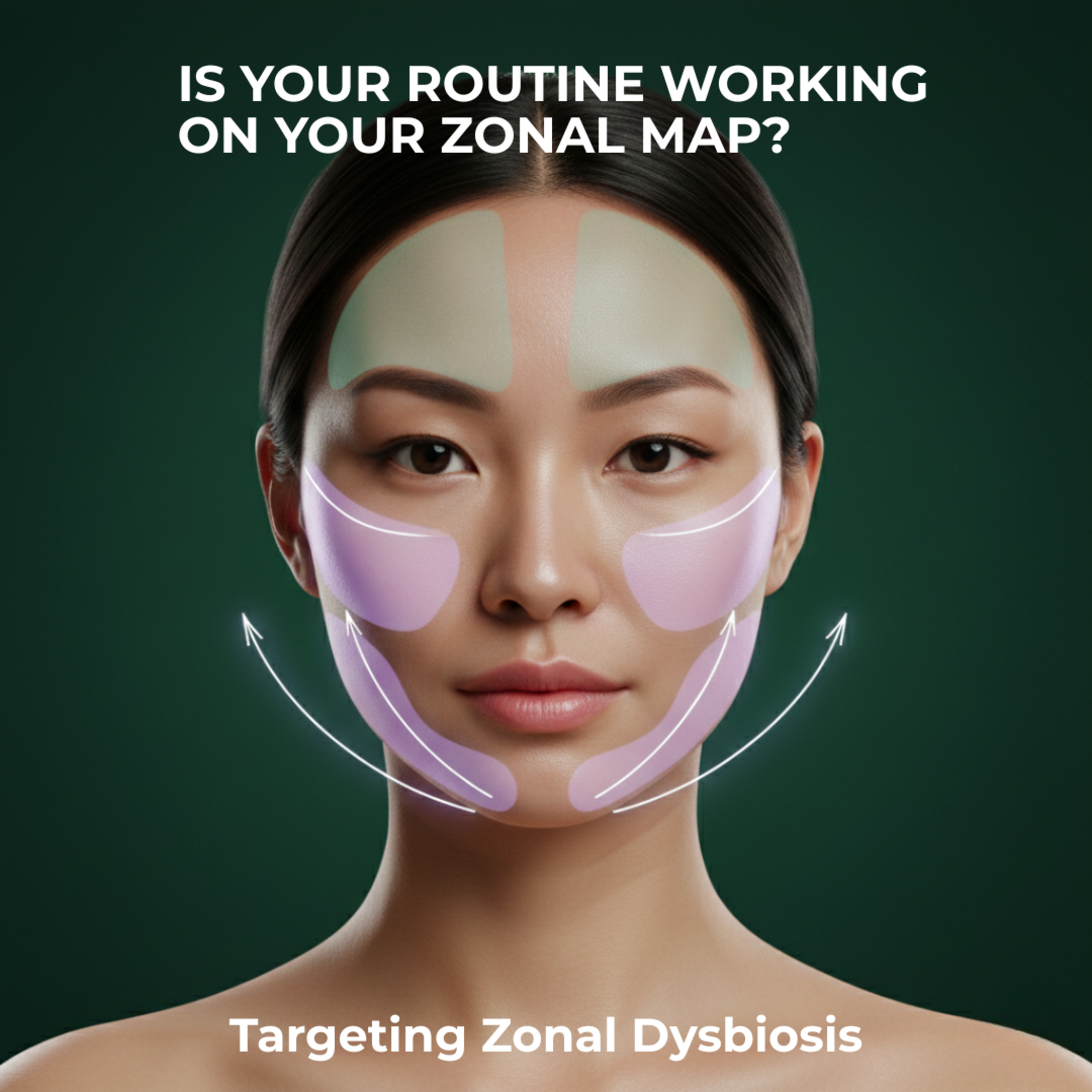
Dry, oily, or sensitive skin? Guess what, it’s Skin Health, Not Skin Type™. In this episode, I explain why the era of traditional skin typing is over. We dive into the cutting-edge research coming out of the Dr. TWL Asian Skin Research Institute, shifting the narrative toward targeted protocols based on original Zonal Dysbiosis research published in the Journal of the American Academy of Dermatology (JAAD). Learn how we are decoding the O-Zone—an area frequently affected by hormonal acne and rosacea—using AI-powered algorithms and ethnobotanical research from our Guangdong bioengineering lab. We discuss the triple-threat approach to skin health: Ethnobotanical Harmonization: Balancing sebum with Saw Palmetto and Argan. Oxidative Shielding: Deploying antioxidants to preserve barrier integrity. Phyto-Botanical Synergy: Using Centella Asiatica to stabilize the skin microbiome. Stop guessing. Start decoding with an evidence-based routine engineered for your biological map. Follow the Research: Official Website: drtwlderma.com The Syllabus: twlskin.com Instagram: @drteowanlin
0:12Dry, oily, all sensitive skin. Guess what?
0:16It's skin health, not skin type. The era of customized skin care
0:21based on traditional skin typing is over.
0:25I'm Doctor Tier one Lin Board Certified dermatologist and I
0:28work at the Doctor TWL Asian Skin Research Institute, where
0:33we are moving into the cutting edge of personalized beauty,
0:37shifting towards targeted protocols based on my original
0:41zonal dysbiosis research published in leading global
0:45journals such as the Journal of the American Academy of
0:47Dermatology and the International Journal of
0:50Dermatology, and this time is powered by AI.
0:54Our research proves that different areas of your face act
0:58as distinct separate ecosystems that continually adapt and in a
1:03very unique manner to environmental stresses.
1:06Right now, I'm all for changing the narrative using our