
Declassified Files · Michael Fortune
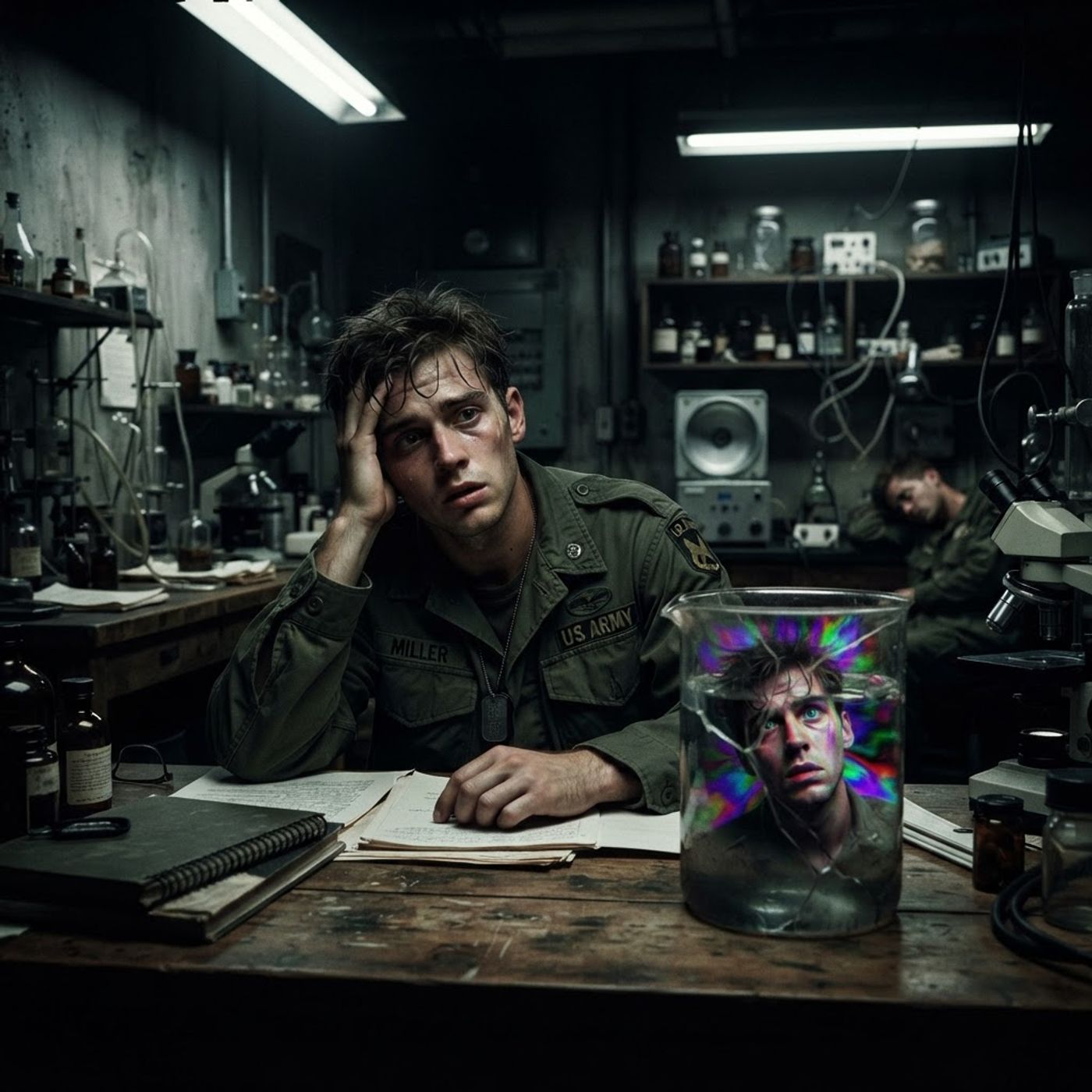
This episode explores the disturbing reality of the Edgewood Arsenal experiments, focusing on the use of hallucinogens and the psychological toll on unsuspecting soldiers. It examines the military's history of prioritizing experimental data over the long-term health and recognition of its human test subjects. Become a supporter of this podcast: https://www.spreaker.com/podcast/declassified-files--7443284/support.
0:00Speaker 1Imagine being told you are participating in a study to
0:03Speaker 1help improve military protective gear, only to find yourself on
0:06Speaker 1a Hollywood-style film set while under the influence of powerful hallucinogens.
0:12Speaker 1Between 1955 and 1975, this was the reality for thousands
0:18Speaker 1of soldiers at the Edgewood Arsenal in Maryland. While the
0:21Speaker 1military sought to understand the effects of over 250 chemical agents,
0:26Speaker 1the human cost was often sidelined for the sake of
0:28Speaker 1experimental data. Scientists like Dr. James S. Ketchum were obsessed
0:33Speaker 1with the idea of chemical warfare that didn't necessarily kill,
0:37Speaker 1but rather incapacitated. They wanted to know if they could
0:40Speaker 1use substances like LSD or the potent hallucinogen BZ to confuse, disorient,
0:45Speaker 1or pacify an entire enemy force. To test this, researchers
0:50Speaker 1didn't just look at medical charts. They set up elaborate scenarios.
0:54Speaker 1They placed soldiers in rooms rigged with cameras and mirrors,
0:58Speaker 1watching how they reacted to tasks, or simple interactions, while