
Coworking Values Podcast · Bernie J Mitchell
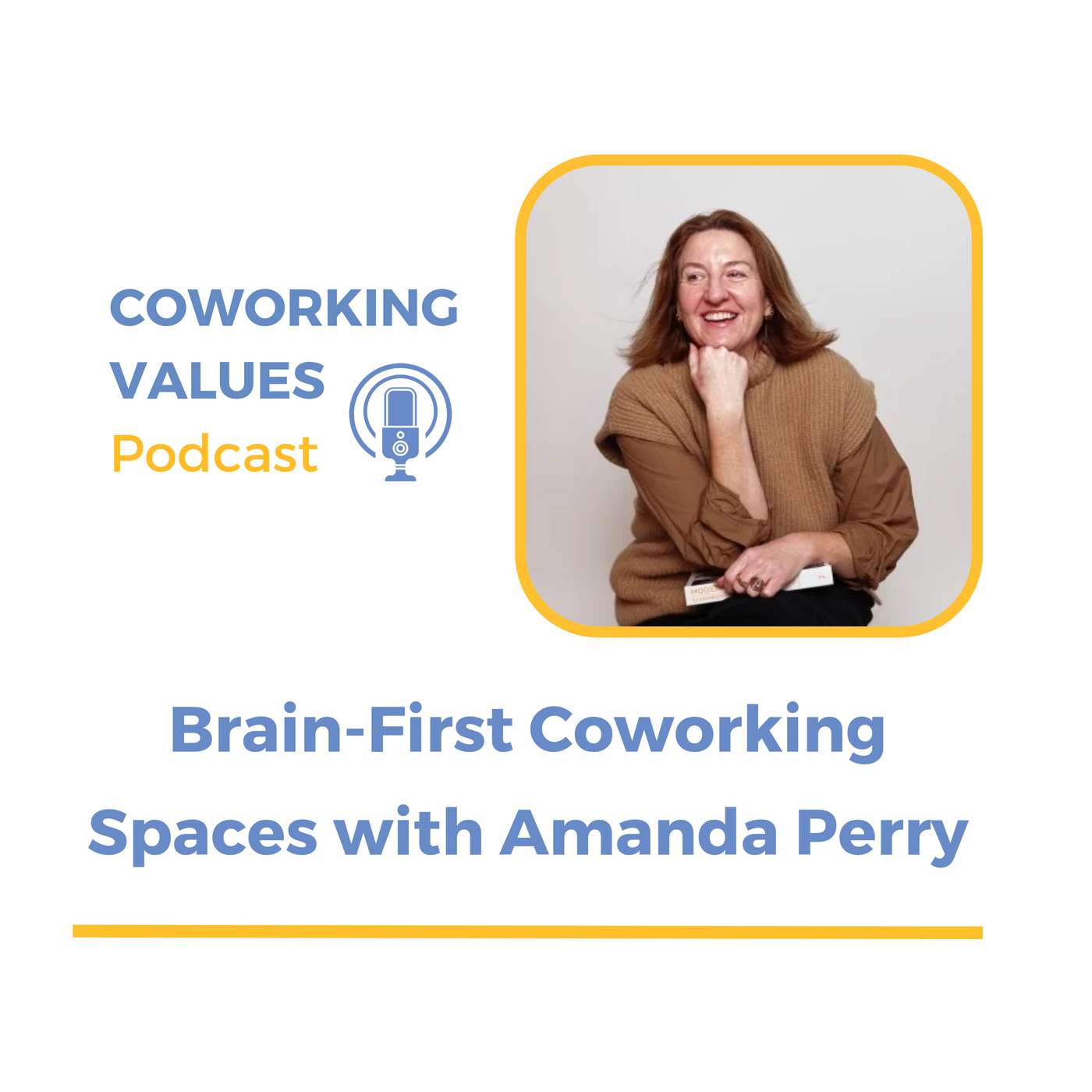
Brain-First Coworking Spaces with Amanda Perry Brain First Workspaces: What Neurodivergent Members Need From Your Space What a curry, a Bluetooth headset and a missing front door taught one founder about designing coworking spaces that more people can use. Want the short version by email? Grab the free five-day email course, 5 Mistakes That Hollow Out a Coworking Community and What to Do Instead, at thecoworkingvaluespodcast.com. Episode Summary Amanda Perry booked a coworking desk in a hurry, without researching the space. What she got was someone reheating leftover curry beside her, a woman pacing past on an aggressive recruitment call through a Bluetooth headset, and a set of phone booth rules that changed depending on who was asking. She wrote about it on LinkedIn. Around 165 comments later, Bernie found her, and the conversation that followed is this episode. Amanda is the founder of Brain First, a platform for neurodivergent founders and leaders, and the author of Brain First Business. Her argument is straightforward. Plenty of late-diagnosed neurodivergent adults spent decades masking, telling themselves to get over it, and assuming the problem was them. Learning how your brain is wired changes that. You stop treating your needs as a character flaw and start building accommodations around them: an extra ten minutes to travel, checking the route on Google Maps before you leave, needing certainty about where you will sit. Then the question flips to the space. Most coworking operators are not trying to exclude anyone. They simply have never had the sensory and communication detail written down. A London space Amanda tried to use had no signage on the door. She could not find the entrance, arrived dysregulated, stressed and sweaty, and never went back. A different app, Worksee, takes you right to the door of the workspace, and she rates it for exactly that reason. The most useful idea in the episode is the drop curb. Designers built kerb cuts for wheelchair users in 1940s America. Now mums with prams, delivery drivers and cyclists rely on them. Design for the edges, and everyone benefits. Amanda is not asking for a space built for every single brain. She is asking for enough variety: quiet in the morning, energy and conversation in the afternoon. Her survey found that 44% of respondents named hot desking as the thing that stopped them trying coworking, or put them off once they had. If you run a space and want more people through the door, welcomed, and staying longer, this is a commercial conversation. Start with the detail you have never written down. Timeline Highlights Amanda's hellish coworking experience. Someone reheating leftover curry beside her, a woman pacing on an aggressive recruitment call through a Bluetooth headset, and 20 minutes in the phone booth that stretched if nobody else wanted it. Booking without research. Amanda booked the desk in a hurry. The mismatch between what she needed and what she got is the whole...
0:04bernie_2_10-14-2026_113349: Hello, you beautiful coworking community builders.
0:06In today's episode, we have the Amanda Perry and.
0:09I found Amanda Perry on LinkedIn after her post about her hellish experience
0:14in a coworking space went viral.
0:15I'm gonna leave you to find out what is in the episode, but this is very interesting
0:19if you are neurodivergent like myself.
0:21And the other thing to do is go to the coworking values podcast.com,
0:25which is the most important URL in the coworking industry at
0:28the time are going to press.
0:29And
0:29Scroll to the bottom at any page.
0:31There is the five day email course, which is made from a lot of podcast guests on
0:35this podcast over the years, and it's the five mistakes that hollow out a coworking
0:40community and what to do instead.
0:41So it's a little practical action you can take every day, and it's particularly