
Copper State Firemen Podcast · Steve O
Link to the book https://www.firefighterbookclub.com/product-page/from-probation-to-professional The conversation centers around Tyler Whitridge's insights on fire department culture and leadership, emphasizing the importance of mindset and presence over mere skills. Whitridge discusses his upcoming book, which aims to guide new firefighters in understanding the culture and expectations of the profession. The conversation delves into the importance of presence, accountability, and maintaining standards within the fire service. Steve-O and T. Whittredge discuss how these elements contribute to effective leadership and the overall culture of firefighting. The conversation explores the journey of Tyler Whittredge in the firefighting profession, emphasizing the importance of tradition, culture, and the generational aspect of firefighting. It highlights the significance of honoring past firefighters and fostering a culture of care and commitment within the fire service. Takeaways Culture over skills Importance of presence Presence is crucial in emergencies Accountability fosters growth and standards Importance of honoring tradition Fostering a culture of care Chapters 00:00 The Importance of Fire Department Culture 06:06 Setting Expectations for New Firefighters 09:09 Understanding the Role of a Firefighter 11:47 Defining a Good Firefighter 14:55 The Role of Attitude, Effort, and Presence 29:26 Setting Expectations and Accountability 30:23 The Importance of Professional Presence 34:04 Faking It vs. Owning Your Presence 37:14 Earning Your Place Every Day 43:03 Understanding the Senior Man Concept 51:22 Protecting Culture and Standards 56:43 From Probation to Professional 58:08 Generational Firefighting Stories 01:02:06 The Meaning Behind the Job 01:05:22 Honoring Fire Service Traditions 01:12:51 A Vision for the Future
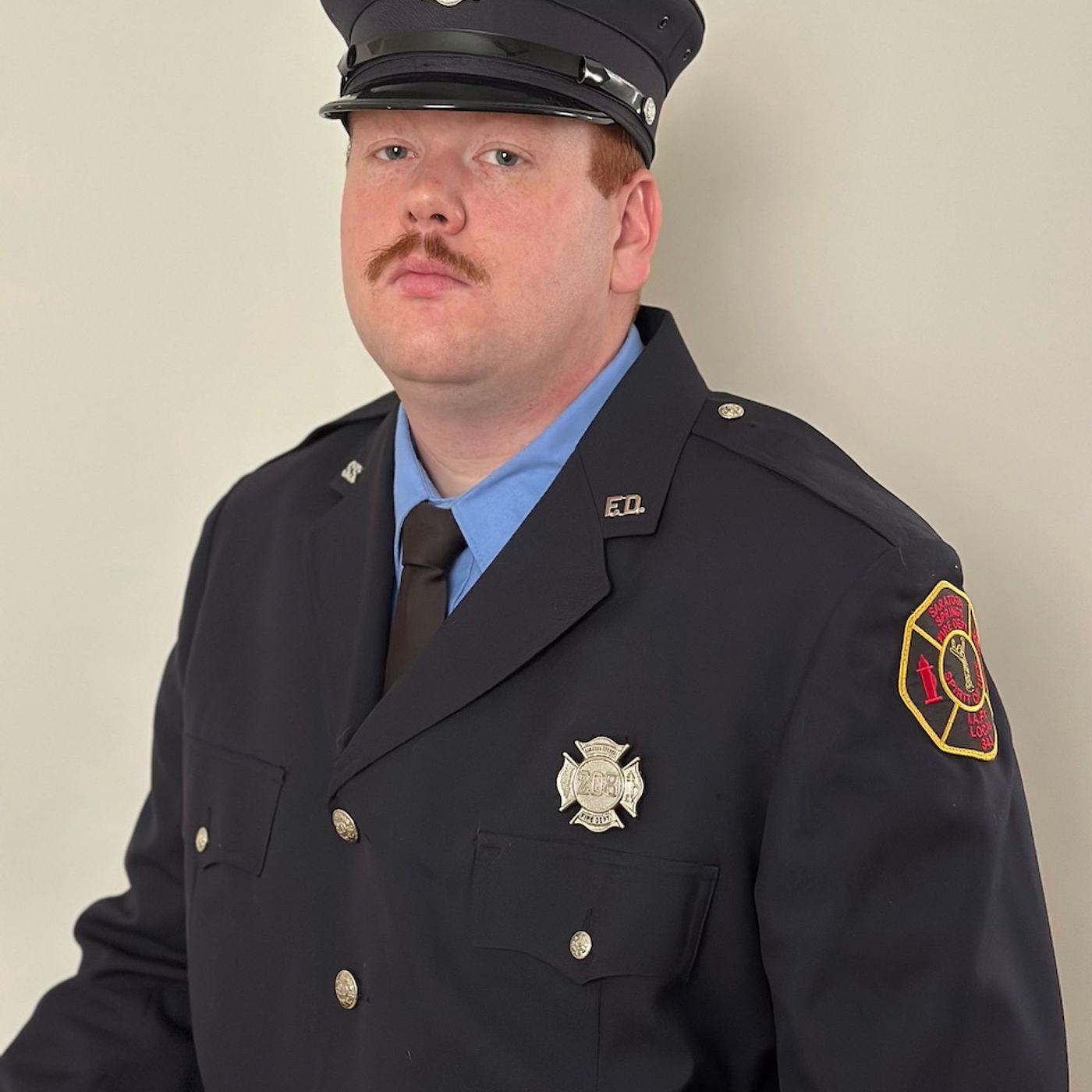
Steve-O: Episode number 58. We sit down with Tyler Whitridge. Tell you what, this guy just wrote a book. It's coming out here shortly. We talk about all the things to do with fire department culture leadership. It's a good one. Stick around to the end and remember, leave a review and a comment helps drive us to the top. Don't forget about the companies that help and support us. The energy drink, go to the energy drink.com. Use discount code copper C O P P E R. Saves you 10%. These boys give back to the American Fire Service. So might as well. We all drink energy drinks, give it to the boys that actually give back to us. Old Man Copper, www.oldmancopper.com. The best mustache wax out there. Mountain Pine and never talk about it. If you guys like the trees, whoo, you can't go wrong. Same discount code, but saves you 20%. Our boys HazGuard Arizona Fireman, run the best gear bag in the world. Keeps your car smelling clean. It gets all that stink contained inside the bag. Vacuum seals, cancer smell. You don't have to worry about it. HazGuard Check them out. Same discount code. The guys are gonna give you 10% off also. And then Ragtop, they provide all of our cadre members with extrication structural gloves. We love you boys. Without companies like this, we couldn't keep doing what we're doing. stay tuned. We got a good one. He's coming on right now. I have the privilege to sit down from coast to coast here with Tyler Whittridge. He is a career fireman, paramedic, and an IFSAC accredited instructor in upstate New York, with more than a decade of experience across municipal, volunteer, and industrial fire service. He previously served at Knowell's Atomic Power Lab, handling fire suppression, confined space, and hazardous material response in a federally regulated environment. Contributor to the Firehouse magazine on leadership standards and fire service culture. Tyler is also the author, and why we have him on today, of a book coming out here shortly: Probation to Professional: a New Firefighter's Guide to Standards and Culture. It's coming this fall, So, without further ado, my brother, Is there anything I butchered in your bio, especially your last name? Or is there anything you want to add, my brother? T.Whittredge: No sir, man. That was awesome. you did you did a good job with the last name, nailed it. the book is is out now for pre sale. we're just buttoning up a couple of things and we're gonna start printing them and pushing them out. So man, I'll work with Steve. We'll get that link down in the the episode comments. So if you like what you're hearing today or sparking some interest, you know, jump on, get it and let's make the fire service better together. Steve-O: Perfect. All right. Well, that's exactly why we're here to talk. So I the you you were able to email me some of the information in your book, and it was great. So I'm I'm thumbing through and I haven't had a chance. Full transparency, haven't read the book yet, But from what I've seen, I'm in. And it's one of our brothers talking about culture, which is it tugs on my heartstrings every single time. So I'm so happy you want to be on the show. I want to start kicking off right into the book. when we're talking about topics, you have a section where it says why culture matters more than skill. So if you don't mind, my brother, let's talk about that because you'll have guys saying, hey man, skill is the most important part of our job. It's like we got to be proficient, effective, and efficient firemen. I know you're not saying that. So let's let's expand on what you're trying to tell the audience, brother. T.Whittredge: Yeah, man. So I think to really fully encompass it and just kick off the conversation, you gotta go back to the why behind the book. because I didn't set out to write a book, right? This wasn't this wasn't the end goal. This was an opportunity that through my publications through Firehouse magazine that ultimately kinda was I don't want to say given to me because I I feel that I earned it, but it it was granted to me when I wasn't seeking it out necessarily. That wasn't the end goal, right? when I have this culmination of these writings and all these things and and Pete from Firehouse magazine tells me, hey man, like this would be good as a comprehensive book. I say, Well, okay, well, what what would the objective of the book be? And I break down all these different layers of it. And man, at the end of the day, it's Everything in this world is changing. Every industry, you know, the this new generation coming up, everything. And we're putting new people in the fire service and they have no idea what they're getting into, right? And it's been that way for years where you gotta kind of adapt and overcome on the job. But if we can set these guys up for success at as early in their career as possible, the objective of the book is hey man. You know, Steve takes a test today, he knows nothing about the fire service and he starts tomorrow. Here's a book. Dude, this is what you're getting into, and these are the tools you need that require a lot of effort, but no talent. This is the starting line. This is the first thing you need. If you show up with these, this sets the foundation for a successful career, man. So that's where that comes from. And then we get into culture. Over skills is just like so many areas of modern day America, man, we are drowning in information and starving for wisdom. There is information. You know how many tools you have to be to be the best fireman in the world? There's there's no excuse. There's no excuse to not have the skills. The only reason you don't have those skills or haven't worked on those skills or aren't continuing to refine those skills. is if you're if you're mentally in the wrong place. And I don't you know, I don't mean from a health standpoint. I mean, man, you're you're not invested. You're not culturally in an appropriate place that's supporting you. You're not with the right mindset that's attacking the fire service from all the angles to maximize the opportunity that is this career. if you're a career fireman, you get twenty, twenty five years to do this bad boy. let let's maximize that. And all that starts with culture. in mindset, right? So that's why we say, hey, culture and mindset are the baseline. Skill can always be added. We can always work on that. that old FDNY documentary, if you show up with heart and balls, we can teach you the rest. it's a derivative of that same philosophy, man. we got to kind of fall foster that culture as those that are there now and those coming in. we gotta set that mindset from the beginning. Otherwise, it's gonna be harder to to adapt over time. Steve-O: Dude, you're you're hitting the nail in the head because I've been preaching this for for years now. the generation, if you want to call it, the generation coming up, and gosh are like they're garbage, you know. They're they need to know the why about everything. And there are certain things about the the generation of firemen coming up now that I don't agree with. And they do have a wealth of information and technology, which is a good thing. And we do have to explain the why. And like you were saying, everything's changing and us as Firefighters, instructors, authors, we have to change with the times too to be able to be relatable to these people. But this is exactly what you're saying. It is the best time to get hired in the American Fire Service. Period. The end. There are more jobs than people that want to do it for the first time in probably the inception I don't know how long this is gonna last for, but. It is easy to get on. So it's very understandable that you're gonna have a 18 or 19 year old that got their EMT three months ago. They saw an Instagram post of the city or county of whatever is hiring. They're like, that'd be pretty badass. Click, apply. Before they know it, they're sitting at a fire academy a couple months later and their head spinning, and they have no fucking clue what they're getting into. And us as guys on the job, instructors, we're almost pissed off at them going, what What the hell do you mean you don't know where you get into? It is just the nature of the beast right now. So, man, if we have a book that could be like, okay, listen, whatever city, whatever county is hiring these people, congratulations, you're on the payroll. We're gonna send you to the academy. Boom. Here's a book. Start reading. This is what you're getting involved with. At the end of that book, if you don't like it, all right, Monday morning, let me know. No harm, no foul. We'll sign the paperwork. We'll terminate you. Go find another career. Because if not, we're stuck with these people for 25 plus years and we're pissed off at them, but they never knew what they were really getting into. So it's it could go either way. So I love what you're doing, man. T.Whittredge: Yeah, man, I I I agree with you a hundred percent. And I I think, in any in any organization, you have kind of three phases of let's say, let's say making successful culture or successful change, Is expectations, So you come into the jail, you see the job posting, you come into the job interview, expectations is phase one. And I think we as the fire service, this is a new area where we're kind of struggling in a little bit. Is making sure that that this job, what it entails and what it requires of individuals is explained day one. And I'm not saying day one when they start. I'm saying day one, hey, you passed that civil service test, hey, you applied for this job, whatever it is. You're coming in for the interview. this might be contradictory, some recruitment things, but I I don't want to sugarcoat it. I want you to understand these are the expectations of the job so that You're under no false pretenses coming in, I had a instructor in college. He he said he promoted a captain, got on he was in the training division, got on the interview committee, and he said he remembers one kid, they told him he had to work holidays, and he's like, I didn't know I had to work holidays, like I I'm I I don't I'm not interested anymore. And he's baffled. He's like, you know, at this point I'd been on the job for about 15 years and you know it's kind of common sense. Hey firemen work twenty-four seven, three sixty five. Like, what what did you think? You weren't gonna have to work a holiday ever? And he's like, but you know what? I guess you can't fault people for what they don't know or what they're just ignorant to because they have no involvement in it and they just scored good score on a on a test on Saturday. So expectation phase is the first phase. We really gotta clearly define those. And then we get into the training phase, which is the academy, where you okay, we told you what the expectation was. Now we're gonna train you on how to meet that expectation. And here's the last place where the fire service has really struggled is the implementation phase, I tell you, hey man, in in the interview, my expectation is your shift starts at 8 a.m. I expect you to be there around seven o'clock, Okay. You go to the fire academy. Class starts at 8 a.m. You better be here by 7 o'clock. Okay. So you've done the expectations and you've trained them. Now comes the implementation phase. It's day one in the firehouse. He shows up on shift at 7 a.m. If he looks around and no one else is there, because these guys don't come rolling until 7:30, they're not. Here, they're kind of bullshitting. They're not really checking the rig. They're not making sure stuff squared away. Okay, there's where we failed, the implementation phase, because he had the expectation, he had the training. Now he showed up. Now he's looking around and saying, well, no one else is here at seven. Why the why the hell would I be here at seven? If they're coming here at 7:30, well, I guess, 7.35 is just as good. I'll be here at 7.35. I get an extra half hour of sleep. that's the way culture slowly erodes over time. That's the way accountability erodes. That's the way the standard of how we do things erode and and we get into that big into the book is is just, set that standard early. be accountable to yourself and the fireman you wanna be, but you also have to have that information to hold yourself to that standard. So man, it it it's just a lot of stuff you know, a lot of observations that I made over the years. Yeah, bad experiences, good experiences, things that I've seen, things that I've heard about ha you know, boil down, hey, these are the lessons, man. This is kind of what you need coming into this thing, to put you in a good spot, put you in a place to be successful. Steve-O: And the guys listen to this, they might not believe it on certain aspects of like what they don't know coming in. Some might, some might not, but prime example, true freaking story. There is an incident where somebody got hired by the fire department, they made it till lunch on day one, and then came in resigned because they did not realize that there was a chance. That they were gonna have to do compressions on someone that's dead or dying. It is a hundred percent true, but unless you're exposed to it, it's it's almost because it's so far off from the majority of the guys that listen to podcasts and things like that going, Are you like, are you kidding me? But T.Whittredge: Yeah, you yeah. Steve-O: what you're talking about, the influent maintain or like applying our culture and Everything to the firehouse, it is everyone's complaining the same thing, and it was a generational thing. When I got on, I got on in January 2006, and I was kind of the tail end of this era. But the problem was is we went through a transition to the American Fire Service where we were more important than the public. it was it was a horrible time, So the problem is right now we have senior members in all of our departments that came on during that phase. So they were going, Hey man, I get I start getting paid at 8 a.m. So why don't I why do I have to be here until 759 a.m.? Compared to the old timers that taught me of no, if shift changes at 8 a.m., you're there at six thirty or seven because you're a good dude. And in all reality, even that dirt bag should understand that 8 a.m. means that my gears on the truck, I've checked it off, I'm ready to run my first call at 801 in the morning. It's not because that's when I punch in it, then I make breakfast or I I stretch or whatever I'm gonna do and eventually get to the truck. It's like that generation is what we are currently fighting. And I think that's what's getting a lot of the hard chargers now. I should say the 30 plus year guys are the ones that instilled that habit, that tradition in a lot of our firehouses that has become a cancer. And we're rapidly trying to cut it out. And man, it's hard. You're seeing it, it's taken years and years and years to try to get back to where we should always be. So we it I know you're talking about your book, but part of that was. A good firefighter. So we're talking about traditions, but what makes that good firefighter? What do you mean by what makes a good firefighter? T.Whittredge: Yeah, so man, this this story with this, this is kinda how this all got started, I I had always early in my career I had a lieutenant tell like, hey, when things frustrate you, piss you off, man, just write down. Just write it down. and then remember it. And he said, When you're in a position to make change, make decisions, he's like, You look through that that list of stuff or those little sticky notes you write down and you evaluate, was I being young and immature and stupid, or is this something, hey man, I wrote this down and this really pissed me off when I was a fireman. And now I want to make sure that I'm in a position, whether it's a union position, an officer, whatever it is, I'm in a position where I can affect that, And I took that advice So start writing stuff down a lot early in my career. And then one morning I come home and my wife's like, Hey, how how's work going? Blah, blah, blah. you know, good. So the conversation kind of veers towards one of my coworkers and she's like, Hey, is he a good firefighter? And I'm like, you know, I don't know. so we start talking. And then I start thinking, like, man, what is a good firefighter? it's first of all, it's the number one compliment you can get. Man, if I'm talking to someone and they're like, hey, that's Steve, man, he's a good fireman. Like, boy, if I hear someone saying that about me, that's about as good as it gets, right? That's awesome. Steve-O: I hope so. T.Whittredge: So So I start writing this down, John, some stuff down, some thoughts, And next thing you know, I end up with this comprehensive article about, hey Of all the good firemen I know, these are the four things they all have in common, And this thing looks like, instead of just a a bunch of words about me bitching, this actually looks like something that could be useful to someone. So I submit it over to Firehouse magazine, I'm not expecting anything. Next thing you know, they shoot me back. Hey, like the article, we're gonna run it. They run the article, Peter Matthews. Editor in chief over Firehouse Magazine invites me on the podcast to talk about some of the concepts in there. Then off the podcast, we get into a larger discussion that ends up with him getting me in contact with my publisher now, Red Helmet Training, out in California. And we end up rolling with the book, kind of off these similar concepts, So that was the thing that got it all started. And the four things that I realized. Man, of all the people I know, and you you know, think of five firemen, five good firemen. Try to think of something they have in common, Some of them are married, other ones are divorced, other ones are 50, other ones are 20. there's so many differences in them, But they all have these four things. They have loyalty to the fire service, they have a desire to learn, they have a unique it factor, something that they bring to the table that's unique. And they have a persistence about them that is second to none, man. And if you have these four things coming in, whether you're an interview committee, you're looking at a rookie, you're looking for a mentee, someone to take under your wing, man, if they have those four things, that's it. You're good to go. that's the building blocks of a good firefighter. I remember my current captain, shift commander, can't came to our shift, right? And I'd known him a long time. And he sits me down and he goes, Hey. I'm gonna ask you about these guys and this isn't me talking to you as a captain, He's like, This is me, Timmy talking to you, Tyler, as just friends. I'm gonna tell you these guys and you tell me, you give me some feedback on We get to this one guy in particular. I go, He's kind of a dick, he's got some problem, he's got some personnel problems, this and that. And Timmy goes to me, he says, Does he love the fire department? And I go, Yeah. Yeah, he loves the fire department. He goes, All right, we can work with it. And we go right on to the next one, man. And that is just a microcosm of those four things that I wrote down. if you have those, you're loyal to the fire service, you have a desire to learn, you're persistent. You're always committed and you you're gonna persevere through whatever the challenges are. And you bring that unique it factor, whatever it is. For some people, it's interpersonal skills. It's hey man, I was an athlete. I can get after it, man. I got the the capacity physically to do this. whatever it is, you have a unique way to to lead people. If you bring that to the table, you're bringing the four things that are that are the cornerstone of Of getting it And that goes back to the whole culture before skill. You bring these four personality traits, and you bring a strong culture and attitude. Man, the skills. You teach a monkey to throw a ladder. It's it's reps, it's time, and it's most importantly caring about doing it right. So if you come with that, man, rest of it, it's easy. You just take it over time. Steve-O: Tyler, real quick, way off topic. Are you an engine or truck guy, dude? T.Whittredge: I'm a truck guy. I like truck stuff. I'm six five, so it y gotta be, right? Steve-O: Okay, all right. you're fucking a a monster that go. Well, listen, I I'm gonna I'm just gonna I'm gonna argue with you for a second because I say this all the time. I always say I could train a monkey to pull hose, I can't get any firefighter could be on an engine. I say it takes a special dude to be on a fucking ladder truck, Because I'm a trucky fucking threw and through. And then I heard T.Whittredge: Amen. Steve-O: you say you can train a monkey and throw ladders. I'm like, no, motherfucker. We say no, you say we can train a monkey to pull hose, god damn it. That's why I'm T.Whittredge: Yeah. Steve-O: like He's I'm like, this this guy's gonna be a freaking NG guy. So I gotta rag on him a little And you're like, now I'm six five, I'm a truck guy. I'm like, fuck. All right, well, we gotta get on the same page now. T.Whittredge: You y you're you were you're like I ha I I liked everything you said until then. Now I'm off, I'm that's it, I'm done. Steve-O: Yeah, I did. I fucking I actually love everything you're saying. And I never thought about breaking down and you're right, because you said to me, you literally just said, Hey, think of five guys. And as you're saying that, I'm thinking in my head, and I have a handful of guys that are my go-to guys for everything. And I'm thinking, what do they all have in common? and then you start talking like son of a bitch, you're right. Absolutely. Every single one of them, number one, loves the American fire service, just as a blanket freaking statement. And Dude, we all work with those dudes that are like the tones go off. They're like, you know, T.Whittredge: Mm-hmm. Steve-O: or I fucking hate this job or I hate this department or whatever. And it's like every freaking time I'm like, then leave. Just freaking leave then. Like it, T.Whittredge: Yeah, they go, yeah. Steve-O: yeah, go already. It's usually coming from guys that can absolutely retire. It's just hey, man, if you weren't good financially, that's not on us, You're making all of us miserable. Just freaking leave to a point where I tell guys all Listen, when you get to the part where you don't love the fire service anymore, that is your time to go. do not, do not be a freaking cancer, but I love those freaking steps. That is free, that that's worth buying the book and just reading about it right there. Another thing you talk about too, and it it's it's a key phrase I say almost every single day. On the job, outside the job, coaching. I'm talking about youth sports, everything else. I've always said attitude and effort. those are two things we can absolutely control. I believe everyone listening to this has heard that some point in their career. But you add another word. I've never heard it before. So I'm curious on what this means to you. You say presence. So you say attitude effort and presence. So what what in the world are you talking about there? T.Whittredge: Yeah, man. this is particularly important in the fire service, let's start with our job from the obvious aspect, right? Going on calls. It's important that you have a presence as a firefighter that instills some confidence in the public, And Listen, I'm not an Olympic bodybuilder. It's not like I show up and they're like, wow, like this guy looks like he could just like save the day, right? But I try and a lot of good firemen I know try to to put on a presence of like whether it's a medical call, a fire a call, you know, a a structure fire, whatever it is, Hey, I'm a professional. Right. Even if in my mind I'm going crazy, I have no fucking clue what's going on, man. I'm totally lost, but there has to be presence because the public's calling you to solve a problem, man. If you show up and make the problem worse or act like the problem is consuming you, then your presence is making the situ your presence alone is making the situation worse because you're instilling panic in already already emergent situation, right? So we have to have presence in that, but On a more basic level, as a probationary fireman or as as a new guy, a rookie, whatever it is, man, presence is so important because when the guys go and and we're doing dishes after dinner, you have to be present, Everyone knows, man, one person washes, one person dries, and then six guys stand around with a towel. And it's not about the fact that you're There you're doing any work. It's the fact that you're there. Because if you want a place in the big moments, well, you damn sure better be there in the small moments, And that presence is so important. Half of what we do is showing up, man. So if we can have a presence, and part of that presence is our attitude's appropriate, we're there, we're ready to work. We want to contribute. We're not sour about being there, We're not going on calls. Even when it's three in the morning and we're all fucking pissed off that we're going to pick this person up again, Steve-O: Mm-hmm. T.Whittredge: And there's a time and place for certain sternness, but our presence is an appropriate attitude. We're there, we're ready to work, we're we're approaching it appropriately. And it's with the tasks in the firehouse and it's with the tasks on the street. And I think that presence is so important and it's something that We don't always dive into that aspect of it. We dive into the skills, Like I said, we're we got so much information, but we're starving for wisdom. We dive into the skills, what you're gonna do on the scene, how you're gonna act appropriately, When you get to the fire alarm, this is how you're gonna go to the panel, this is how we're gonna silence it, this is how we're gonna investigate. But we don't necessarily go over in in a lot of guys don't think we should have to, but it depends on your generation. We don't necessarily go over, hey, when the fire alarm's going off in apartment 308. And we make it to 308. What does that conversation look like with the tenant? How are we communicating with them? Are we just kicking the door in and saying, get out, it's on fire? Whether it is or not, or are we saying, Hey, fire department, we have an alarm activation? I know that you want to go back and do whatever. You want to grab your coat, you want to do this, but this is an emergency situation, ma'am. I need you to move to the stairwell, I need you to do this, All that stuff's part of presence. And if you show up at with the appropriate presence, hey, I know what I'm doing. I'm a professional ma'am. I want what's best for you. that puts you in a better situation on those scenes. And same thing in the firehouse, man. Your presence is going to be noticed by guys. So when there's big moments, if you're present in the small moments, you you've earned a place in the big moments. Steve-O: I don't think anybody teaches that because I I've I've never heard department I work for now is actually really good when it comes down to expectations, really like we drill it in our guys' head, especially when you start promoting through the ranks. So, you know, prime example. So I'm a captain in my department and if I am working an overtime shift or a crew that I don't work with very often, whatever the case might be, I'm absolutely having expectation. Talk as soon as possible, as soon as all the guys are there, because that way they know exactly what I expect. And then I can I can hold them accountable. But that would be a great part of that conversation. Because I even tell young guys going, if your suppression officer does not have that conversation with you, ask him, you know, ask him what are your T.Whittredge: Yeah, absolutely. Steve-O: expectations of me? Spark that conversation. But I love the fact of the presence because it is so many different levels, even like you're saying. When the public calls us and it is a true emergency and it is the worst day of their life, if that's a medical or a fire or a car accident, just the fact that you're cool, calm, collected, you hold yourself as a professional is going to calm them down. You know, we teach when we talk about ladders, we teach about throwing ladders and being very stern when we're looking at windows, hollering at people. And when I tell guys, I'm like, listen, remember the public in their worst time, they are no longer thinking they need you. To be very aggressive and stern with them because they're looking for direction. And they're looking for direction because exactly what you're saying, because of the unspoken presence we have because of the Maltese cross on our chest, the big, the big red or whatever color fire truck that just showed up on scene. But I've never heard anybody explain it. And we should, we should be explaining that to guys because that is a very important aspect of the attitude and effort. Because you could be, you have the best attitude in the world. Give it literally everything you have, but your your body language is garbage, Your your appearance is horrible. The public does not care that you're the best fireman in the freaking universe. You T.Whittredge: Yeah. Steve-O: look like garbage, So they they just don't trust you, And the other T.Whittredge: I think Steve-O: guy that does have that presence that doesn't have your skill level is already elevated. T.Whittredge: Yeah, absolutely. I think we can all think of that, my mind goes to like that crusty lieutenant that is just I mean, he is just screams at everyone for everything, You could you could be like the little old lady who's just she's just try I'm just trying to get around. I just gotta go to the grocery store and I don't know how else to get there. And he's like, Get your car out of the road, this is crazy. and I think in the fire service largely like that that's part of the the machoism and and part of the the the gusto and things like that. But I think your presence in those situations speaks volumes about who you are and what your department represents and all these different things. we do a fair amount of EMS like like most fire departments do, but in on my job and I had an EMT student, Just a couple months ago, and I said, Man, 90% of EMS is psychological first aid. you're gonna get there. And the first thing is, whether you have it under control or not, you better look like you have it under control, right? Or you have an idea of what's going on because it's inst it immediately instills confidence, not only in the patient, but in the family. And it says, Hey, I'm here, I'm a professional, I know what's going on, we're gonna take the right steps. And now everyone jumps down a notch because it goes from an out of control emergency. It's still an emergency, but now it's an under control emergency. Right. These people are here. They know what's going on. Now, again, that's not what's going on in here. Right. Like I'm running a hamster on a wheel in here. Like I have no freaking clue what's going on. Man, this guy is screwed. Right. Or this this house is gonna burn to the ground. Like I I have no idea what's going on. Right. But that's not how it's supposed to look on the outside. And that presence part i is so important, especially as a rookie, because you're going to be put in situations where you genuinely have no clue what's going on. Right? But how you gonna handle yourself in those situations? Right? It's it's very you know, it's important both in the station and and out on the street. So I think it's important to mention and and I like to add that in there as well. Steve-O: I it what you're talking about for it does remind me of a phrase that I hear a lot and it is a phrase I hate. And I would love to replace your phrase with this instead. Because and I'm sure you've heard it before, fake it till you make it, And that's basically T.Whittredge: Yeah, yeah. Steve-O: what you're saying. You have no fucking idea what you're doing, but on the outside, it looks like you do, but you're be but you're faking it, I hated that just because of the the the words. My perception of that is bad because You shouldn't be faking anything. You should be training. You should be studying. You should be a student of the game because this is a craft and a love and a calling. That that these are all Steve orsini's personal opinions. But so I personally don't like that. But I'll tell you what, as soon the next time I hear that, I'm gonna replace it with, hey, another way to look at it is exactly what you're saying, presence. And then be able to explain that in a what I would believe a more structured volume instead of the, I'll just I'll just fake literally fake it. Like I don't T.Whittredge: Yeah. Steve-O: have to learn how to do this. I'll just I'll just look like I know what I'm doing and I'll be fine because there are guys in the fire service that go an entire career and don't really know what they're doing and they've just kind of rode coattails or like you said, faked it T.Whittredge: Mm-hmm. Yep. Steve-O: the entire time. So I I hate to encourage that word faking it, but I I like how you're saying. T.Whittredge: Well, the the difference, right, between faking it till you make it and presence is presence is putting ownership in it, I own what my presence is. Faking it till I make it is like, well, you know, there's no ownership there. It's like, well, if you don't know what you're doing, just make it up and it'll be fine. Presence is saying, despite the fact that I'm working through what the next appropriate steps are, or even if I know exactly what the next appropriate steps are. I own what my presence is on that scene. I own what my presence is in the firehouse. I own what my presence is, in everything really in everything you do in life. You own whatever your presence is, Good, bad, terrible. You have a bad day. Are you bringing it to the to work? Are you bringing it to the firehouse? Are you bringing it on a calls? Are you bringing last call with you this call because the last person, really pissed you off and now you're going and you're you're taking it out on this next. patient or this next, fire alarm that you go to when you're talking to the building owner, whatever it is, or you're taking it out on the guys that you work with. man, that presence is important and that puts ownership on it. Where the fake it till you make it, that's like, I don't I don't own any of this, right? I'm not responsible for any of this. I'll just make it up as I go and, you know, one day it'll all come together. And and that's not how it is, man. We gotta own every aspect of this job and every aspect of who we are as much as possible. Steve-O: Yeah, Tyler, I I cannot agree with you more. And I would love to echo that as as much as possible. So we we talked about the attitude, efforts, presence. You talked about the culture where he's showing up way before shift and everything else, all these good things. So to me, these are all like earning your place. But for you, how do you earn your place every day? Because guys will do it when they're on probation because they play the game, and I have seen guys T.Whittredge: sure. Steve-O: an hour off probation and You look at them and you could be like, that's a 30-year fireman right there. It's just zero fucks given at that point. So how do you what does it mean to you to earn it every day? And then how do you instill that in your crew, your guys, your department? T.Whittredge: well, one of the biggest things is peer-to-peer accountability, man. And you have to have those guys that know who whoever it is, whether you friends, coworkers, your officer, whatever that relationship is, it has to be one where you know who I wanna be and the standard I wanna be held to, and you're gonna hold me to it. Not because you wanna hold me to it. But because that's what's best for me, Man, my aspirations of where I wanna go in my career and the fireman I wanna be and the the impact I wanna have over the next twenty years of working here are this, this, and this. So when I come in and I'm a being a whiny little bitch, and you say, yo, I know you had a bad night at home, but I know that the this is a fireman you wanna be, and I'm gonna say, dude. That that's accountability. it doesn't have to be the accountability in the traditional sense of the captain pulls you in, shuts the door, and says, Hey, you're not doing the rig check the way you're supposed to. And it doesn't have to be disciplinary. It has to be Man, I know what you want for you. I know what I want for you. Let's let's get to that standard. And I think the other thing is what I've noticed, at least in my career, is the more. Vocal I am about what my expectations are, the more I have to hold myself to those expectations. And I think that that's a a really good way. You know, you start doing these podcasts, you start writing books. Well, whatever you're writing in there, whatever you're preaching, you better be practicing. And not in a way that I wouldn't do certain things, but now when I do stuff, I think about, well, What do I say? I say these things and am I meeting my own standard? Am I meeting the standard I set for myself? it's not going to be perfect and it's never gonna be perfect, but it's about striving to meet that every day, And if there's a setback, you just say, okay, whatever, you flush that and you move on to the next and you keep going, Because this is the standard we've set for ourselves. And there is a certain aspect where you have to be independently motivated, You can't be looking for motivation externally all the time. Part of it does have to come from internal motivation, which goes back to loyalty to the American Fire Service as one of those cornerstones. And when you are loyal to the fire service, you're grateful for the opportunity you're given. And out of that gratitude comes more work, more sweat equity. there's no replacement for that gratitude. So it it does have to be somewhat internal, but you can also have peer-to-peer accountability and you have to set your standard, If I'm gonna come in here and complain every day, man, that guys are showing up at 759, well then I better be showing up early, And when I don't, it can't be like, well, whatever. It's gotta be like, hey guys, I messed up. It's not okay. I'm not gonna give you the excuse that there was a car accident on the way in. Or that I had a flat tire, it doesn't matter what the excuse is. The fact of the matter is, I preach that we need to be here at this time. I wasn't here. That's my mistake. It's not gonna happen again. Okay. And we flush it and we move on. And you set the standard that way. You bring yourself individual accountability. that's how you can move forward, man. I mean, at least that's the way I see it. What's your what's your take on that? Steve-O: No, dude, I love it. That goes back to what we were just talking about a couple minutes ago. Expectations. I I said an expectation for either my crew or myself. I don't know about you, but I am viciously mean to myself. I don't know why. It's just the only way I get to motivate myself. That why that's half the reason why people usually don't piss me off for the most part. Every once in while, they you know. Some guy, some tweaker gets under my skin and I've I've been in trouble before because I meet their aggression. It never works out good for us ever, T.Whittredge: Yep, sure. Nope. Steve-O: we all have off days, but it's I I joke with guys all the time. I'm like, yeah, they can say whatever they want. I'm like, no one is gonna be meaner than I am to myself because the expectations I set for the guys or the expectations I set for myself, I always elevate mine because it's one of those things where Shame on me if I'm saying, Hey, I want you to do XYZ, and I cannot do XYZ and Qs. You know, there should be always something else in there. So it's and I would expect the same amount of my guys. So it's it's one of those things where I I yell at myself internally all the freaking time. And it's horrible. Like my my wife yells at me and she goes, You why you need to be kinder to yourself. She's You're T.Whittredge: Yeah. Steve-O: the meanest person here. So I'm like, This is just this is how it works for me. But T.Whittredge: Yeah, yeah, absolutely. Steve-O: as long as you channel that energy right, I guess. You know, that's T.Whittredge: Mm-hmm. Steve-O: again, it's it's my little fun house and it's I I tell guys I treat my body like an amusement park, not a you know, not a castle. So it's just things are all screwed up. It's it's just the Steve Orsini way and it's I'm o I'm okay with it. I'm happy with it. So but it is what it is. So yo, go ahead, sorry, but T.Whittredge: Yeah. I think no, no no, yeah, you're good. You're good. Go ahead. Steve-O: no, I was just I want to get back to the book for a second because there was one section we were talking offline for a little bit before we started recording, and it's just I'm more excited than anything else just to understand what you're talking about. So you have a section in your book that's called the senior man versus the man some man. what what in the world is that? Because and and please educate me, I just don't know. I've never heard it before. And there's T.Whittredge: Yeah, yeah. Steve-O: gonna be guys listening calling me a dumbass, and that's okay, because I am. T.Whittredge: No I don't think anyone will because I kind of made it up. Right. So Steve-O: okay. Cool, cool. All right. T.Whittredge: I read this really great book, not even fire service related. It's called The Subtle Art of Not Giving a Fuck by Mark Manson. And it's it's like a I guess self self help book for for lack of a better description. And he he talks about a lot of different stuff in there. But a lot of what he talks about is how not caring can liberate you. Not caring about what other people think, not caring about your past, not caring about all these different things, he describes in there What when I'm reading it, I'm saying, this is that what I'll call tenured fireman, not a senior fireman, a tenured fireman, and I make that distinct difference. This is that guy that says, Hey, I'm the senior guy. You've never seen him do anything. His attitude's always dog shit. He's always passing work over. And you're saying, hmm, this is the guy that thinks he's important. But has done absolutely nothing to make himself important. that's where I drew this distinction in my mind. Hey, that's that's a Manson man. Named after Mark Manson, the author of the book. That's a Manson man. Okay, so what is a senior man? And that whole chapter in the book is about, hey, if you're a new fireman and you're seeking mentorship, there's going to be certain things that are going to be flashy to you when you first get on the job. Right. And I I talk one of the lines from the book is I've I've worked for two career fire departments and I've been in three volunteer fire departments, right? my first day at all three all all five of those places was remarkably similar. There's a group of people that are really quiet because you're new and they don't want anything to do with you. There's a couple people that are very outspoken just to see what what you're gonna do. They're saying some off the cuff shit just to see how's this kid gonna respond? is he gonna look like he's disgusted? Is he gonna report me to the chief? how's this kid gonna deal with this, And then you have the the group that's kind of somewhere in the middle, they greet you, but they're not overly open with you, Portions of those group are gonna look more attractive early in your career to seek mentorship from or to learn underneath that might be under false pretenses. I like to compare it to when you're in school and you have the bad boys, The grades aren't Steve-O: Mm, okay. T.Whittredge: very good. They're talking back to the teacher. They look cool. But but the Manson men, similar to those kids, generally aren't going anywhere. Right. So you're gonna have the same thing. You're gonna have that guy that says that he knows it all. He's saying, Hey, the lieutenant, he's fucking he's getting on you for stupid shit. Fuck that. you know, hey, don't don't say anything about how you don't know how to throw a ladder because if you say that too loud, the lieutenant'll have us out here tossing ladders all day and we ain't doing that, And you're gonna gravitate towards them naturally because it They they're giving you the space and they're saying stuff that's intriguing to you. But when you're seeking mentorship, this is not what you're looking for. Here's what you're actually looking for. Here's what a real senior man looks like. Here's someone you actually want to learn from. Here's their qualities. Here's what they have. And I lay it all out in the book and some of the different things, hey, you should be looking for when you're looking for that mentor. And I think that's so important early in your career, especially with where we're at now, is you're gonna need that person that, hey, man, you are where I want to be. Or you're on a trajectory of where I want my career to go in a similar way. I wanna be the husband you are, the father you are, the fireman you are, the engineer, the lieutenant, the battalion chief, blah, blah, blah, blah, blah, whatever it is. I want what you have in and I I gotta kinda Get under your wing and figure out how to get there. that's one of the biggest decisions we'll make in our career. there's no tools for it. No outline for it. Nothing. You're kind of fed to the wolves. you just hope the right person comes up to you and takes you under their wing. But with this chapter, now you have the tools and resources to look and say, Man, this guy is what I'm what I'm looking for. Or hey, man, this guy's showing me a bunch of red flags, This is n I gotta I gotta get away from him. I gotta put some distance between him and I before my reputation and his are one and the same. And my career's over before it even started. Steve-O: you align yourself with the wrong guy by accident. You you just you just didn't know any better because he was T.Whittredge: Yeah. Sure. Steve-O: the the most enjoyable or the most fun, whatever you attracted you to him. So we all have that issue. And I I love talking about the senior man because in in my area, I'm on the West Coast, our senior men are very young, and they're very young just because the departments around here are either rapidly expanding We're in the desert and then there's less desert now because they keep building houses and mid-rises and everything else under the sun. And of course, now they gotta open more houses, which is great because all of our departments around us are just growing and growing and growing. But we don't have a lot of guys that really want to do this job. And we're we're recruiting all these people coming in. and there's a standard, and without saying it exactly We have lowered it in certain periods because of the need. The chief says we need 15 more guys. we have no more money in the overtime, whatever. Insert whatever the excuses. We need these guys. And it's just it's not working out. they're harping on instructors or academies going, well, you you could let them slide on this skill set, or they'll learn it eventually, or whatever the case might be. And we have to protect that standard. By no portion of your book, you talk about protecting the standard and protecting the culture. And both those two are they always tug in my heartstrings because I want to teach everyone how to be efficient, effective firemen. Period. The end. You know, I tell guys, my only job in life and my true calling is life is to get other people up to snuff. That is what I enjoy doing. I love teaching and I love seeing guys being successful. The culture is the other thing. We were talking offline a little bit. West Coast culture is different than East Coast culture. Culture in the state of Arizona, from my experience, is nowhere close to the Baltimore region where I came from. I liked it back east better. Hence why we started The Fools, and we're trying to bring a lot of the American fire service cultures back. But what do you mean by protecting culture and the standard when it comes down to your book? And what are you trying to plug away with the audience on this one? T.Whittredge: Yeah, I think when you talk about protecting the culture and the standards is if You never have to ask or get approval to do the right thing, The right thing's always the right thing. And if you know that your culture or your standards that you're holding yourself or your organization to are the right thing, then you you have to protect that. you have to, defend it at all costs. That's gonna lead to some uncomfortable conversations. It's gonna lead to some, arguments, it's gonna lead to a lot of different things. But at the end of the day, if this is the standard, the standard is the standard, It doesn't it doesn't get lower, it doesn't get higher. The standard is the standard. This is the standard, same thing with your culture. we all know as you spend more time on this job, Getting a company with a good culture, It is like a home run. You know, you get a station company, whatever it is, shift, what whatever, whatever your derivative is in your department of that, if you get one with a good culture, you gotta protect that. And and that doesn't mean being, exclusive of other people, but it certainly means, hey man, if you're going to come be a part of this. This is our culture. This is what we do because this is working for us and this is the way we expect it to go. And if you ain't hitting it, you ain't hitting it. That's it. I'm sorry. This is what we want, and we're not going to accept anything different. And some people take that as like, you're, you know, you're being a hard ass or whatever. But it's like, no, that this is what's what's making us successful. This is what's making us good at what we do. This class. culture in the standard and we we can't it's one thing we can't forfeit. We have to protect it. have to protect it from people trying to lower it, people trying to undermine it, or people trying to discount it. and that doesn't mean that we're not open to evolution of it or revising it or considering it, We want to make educated and you we obviously we want progression, but you we we just have to protect those things. As the book progresses, Because we start with why culture or why identity matters more than skill. And then you get into protecting the culture. Well, you understand why protecting culture is so important because you know that the culture is what the identity is. And if the identity is more important than the skill, then well, holy shit, man, if we don't have this, we don't have that, we don't have nothing. it does a good flow progression where it really ties some pieces together and says, You don't understand the impact that this culture has, positive or negative on your organization. It's unfathomable to understand these little things in culture and the impact that they have on your organization's morale, its operational capacity, its ability to recruit and retain people, all of these different things. it's a lot, so protecting that culture is protecting everything. Steve-O: Yeah. Dude, I cannot agree more. And I love how you put it because it you're you're absolutely right. you have to protect the culture of the American Fire Service, your city, your county, whoever you work with. And the crazy thing is for the guys that are still listening, if you go into that new department, you're lucky enough you get picked up, whatever the case might be, or you lateral somewhere else and you don't like the culture, don't fucking stay. what do we say in the very beginning? This is the easiest time in the world to get a job in the American Fire Service. Go somewhere that you fit in. Because I know there are departments out there that every single person there, they're typically very small departments, and not all of them by any means, I'm not saying that, but that the entire department, they're just a bunch of slugs, and that's just how it is, and that's their culture. So, what Ty's saying, like, hey, that's their culture. If you don't like that culture. You gotta leave because that that you're not gonna change. With all that going on, too. You find that good culture, that true American fireman culture. You have to protect it because it doesn't take a lot to start losing it. It takes a 10% of the mutts that are the just the loudest, and they start complaining about the most nonsense things that again, unfortunately, in today's society hold a little bit of water, and it just it's this trickle-down effect that. we just cannot let affect the American fire surface. It's just too precious all the way around. we're kind of at that hour mark. I don't want to talk too crazy much about your book because I want guys to I want guys to get it. I'm gonna T.Whittredge: Absolutely, man. Steve-O: get it for sure. It's just from the little bit that you shared to me, I'm hooked. I mean, it's just if the guys listening to this, they're all freaking firemen, they're all hard chargers. Get this freaking book because it's coming from a hard charger. And I'm telling you, everything that I've had the privilege to just look at real quick. You're gonna fucking love it. again, the name of the book, shout it out for the guys one more time, and then how where T.Whittredge: Yep. Steve-O: they can find it. T.Whittredge: It's From Probation to Professional, a New Firefighter's Guide to Standard and Culture. And it's on Firefighter Book Club dot com. it's Red Helmet Training out in California, their publishing division. he's got a lot of great books and authors out there. Chief Dennis Riley recently came out with his, Nick Palumbo, those are you know both on there. the the pre-sale started. It's today's October twenty-third, so the pre-sale started about a week ago. We're gonna button some stuff up and books should be out by the end of this week. So, or at least started printing. I shouldn't say out, it's there. I'll shoot you the link and we can throw it in the comment under the episode. So guys can just click right on it. Steve-O: Perfect. And this episode, like I said, by the time this episode drops, hopefully you guys are in production, maybe shipping out. So we'll T.Whittredge: Yeah. Steve-O: keep everything posted, obviously, in the notes and on social media because I want to make sure that the word gets out so you guys can really get a chance to look at this. we gotta wrap up the episode. There are a couple things, and we I'll tell you what, we didn't hit the why. So the why is the most important thing. So I always refer back to my boy Kevin Weiss, comes out of the Womb with the freaking Halligan or my boy Colin Ward, high shoulder 24. Is this something that like you were born and always meant to be, or did you find it later on in life like I did, brother? What's your story? Why did Tyler decide to be a fire? T.Whittredge: Yeah, perfect question right here. There it is. That's my my Yeah, yes, Steve-O: okay. Is that a generational photos? T.Whittredge: my grandfather, my uncle, and my father. I kind of grew up in it. my family's been I'm the first generation career fireman, but my family's been in volunteers. My grandfather's a fifty two year member. Steve-O: Jesus. T.Whittredge: in the yeah, and and he's still he's still going out there at at eighty, eighty plus going out there and directing traffic when he can, helping out and you know doing Steve-O: Good for him. T.Whittredge: whatever he can to get back to his community. when I was a kid, my five, six, seven, eight, my dad was in hit hitting a stride as a line officer in the volunteer fire department and We were down there every night, every weeknight, doing something at the station, helping with some chores, watching the guys train, doing this, doing that. and so I was just brought up around it and it become became my first love and I can't shake it no matter what. So so here I am. Steve-O: dude, I l I love it. It was so, I mean, family business, generational fireman. And I've said it on a couple episodes, the guys are lucky enough to be a generational fireman. I am so fucking jealous because I would kill for my kids to be a fireman, which none will. I I mean I could be wrong, but I I doubt it. My dad was military, you know, so I have no lineage. I literally T.Whittredge: Yeah. Steve-O: found it by accident when after I got out the military. And then once I got in the fire service, I had no clue this was what I was meant to do with my life until I started. And I was just lucky enough to stumble across it. But dude, I have a soft spot for Generational Firemen because again, my boy Kevin Weiss, our president of the cool the fools, his his pops is still running calls like your old man, but in the volunteer service. T.Whittredge: Yeah, Steve-O: we had him on the the show and asked, how much longer? He's like, I don't know. I I'm driving now, the the young guys will do the work for me. But he's still, I mean, he loves it. we we T.Whittredge: Yeah. Steve-O: did the episode, he's in the freaking fire hall doing the episode with me. And I'm like, this is T.Whittredge: It's like it's like an addiction, right? You know what I mean? You you can't Steve-O: It is. T.Whittredge: shake it. to your point, the opposite way, I was always intrigued when people would come in, especially at the volunteer fire service. You know, I get I guess I got it from a career standpoint. People would take the test and then they'd get the job and then they'd they'd learn to you know, learn about it and then fall in love with it. But man, when people would walk in forty something year old dude, wife and kids at home. works in nine to five at a as an insurance adjuster or something. He's like, hey, I think I want to be a volunteer fireman. And, you know, then they then they actually put in the time and effort and actually really care about it and grow. And you're and I to me growing up in it, it was a second home, I couldn't imagine what would possess you out of nowhere to just be like, I think I'm gonna go be a fireman. And then to to get there, as a you know volunteer or career guy and be like these are the hours that you have to put in and be Yeah, sure. It's man, that that always blew my mind and I always thought it was fascinating when you say, Hey man, why? Why are why are you in this when you ha don't have a reason to be here? and the answers are always do just like the answers you get here are always spectacular and insightful for sure. Steve-O: Yeah, that's that's freaking awesome. And and and you're right. It's we see it where I'm and now there there just are no volunteers. Every everything's career around here. But I mean it's just T.Whittredge: Yeah. We're moving that way. Steve-O: yeah, I mean it's just it's eventually gonna happen. It just it T.Whittredge: Mm-hmm. Steve-O: has to. I mean, nothing against the volunteer fire services, it's how we started, but it's just it is what it is. Everyone's so busy, everything costs T.Whittredge: absolutely. It's just how it's going. Yep. Steve-O: so much money, it's just it sucks. It it really does. But dude, it's we get it now. We get that 40 year old with kids in high school or grown kids that had done 20 plus years accounting. I mean, off the wall, talking about white collar job, T.Whittredge: Yeah. Steve-O: and they and and they're in the academy, and I'm going, What? where did you go sideways? You know? And you know, it's just T.Whittredge: Yeah, yeah, yeah. Yeah. Steve-O: you know, and they all pretty much have almost the same answer outside of whatever their story is. Basically, what comes down to is they're I want to do something that actually means something, you know, because whatever they were doing before, making God, way more money than we make, you know, T.Whittredge: Yeah. Steve-O: and it's just but they weren't happy because they're just plugging away on the computer or on the phone, doing sales, whatever the case might be, and they're not actually making a difference. Where you and I, when we go to work, first of all, we have no idea what we're gonna walk into, which is amazing. So every day's different. And then when we leave, and I tell the young kids this, you know, when we leave, no matter what happens, 90% of the time they say, Hey man, thank you. You know, thank you. Thank you for what you guys did. It's what other job gets at? unfortunately, almost nobody, when's the last time you went to the grocery store? And when you finished checking out, you went to the cashier and say, Hey man, thanks for rigging me up. I appreciate you. I've never heard anybody say that. it's just because it they don't. So I said we should though. Like, hey, like, especially if they bag, you know, T.Whittredge: Yeah. Yeah. I might start doing that now. Yeah, yeah, absolutely. Yeah. Steve-O: every time they bag, I'm always like, Hey, dude, thank you so much for bagging for me. I appreciate that. But yeah, it's but all the time, hey, thank you for your service. Thank you very much we have the best freaking job in the entire world. And then the guys that are lucky enough that are career firemen like us. And we get paid to do it, it T.Whittredge: No, I know. Steve-O: is just amazing. We were talking offline, I am at our regional training facility. We just sent our academy through class through their first burns, and it's like we talked to them at the end. It's did anybody not enjoy that? Because it's one of those things where it's like, and you see all their eyes are huge, you just see the smiles and the gaze. It's it's a moment when you look at their faces and you see every single person just fall in love with this job. And it's just every single time you're like, that's what I'm. So I'm talking about no, no other T.Whittredge: Yeah, amen. Steve-O: job that I know of has that kind of reaction where it just, it's just like this is this is this is me, outside of the military special operators. they're that's a special breed of dudes. T.Whittredge: And that's where you gotta say, man, like that look, whatever that feeling is, pr protect that feeling, we talk about in the book is the fire academy lights your flame. You gotta protect it as you move forward from the bad culture, the the Manson men, All these different things. 'Cause it's just gonna be a little candle that you got that says, I love this job and a million people are gonna come up to you and try to go like this. You gotta make sure you got that thing guarded and protect that. So when they have that feeling you'd be if you could bottle that, if you could bottle that, just take a hit of it before every shift, man, you'd be riding on cloud nine. Steve-O: Okay, you're right. That would be freaking awesome. Hey, well, listen, we've we've talked about it multiple times on this podcast so far, culture, tradition. So let's just ask. So what is your favorite American fire service tradition? So it doesn't have to be from your region, it could be anywhere, but more importantly, why? Why do you love this tradition so much T.Whittredge: Yeah, so it's it's gonna be a little bit more specific, It's not it's not Steve-O: Okay. T.Whittredge: a it's not a generalized tradition, but it it's one from my local or my first volunteer fire department, the one that my my pops was a part of. every April they do their banquet called the old timers banquet, where they, they come in and they they honor, anyone basically with membership from twenty-five years up. Part of that ceremony every year is every member since nineteen one when the company reorganized, every member that's deceased, their name is read and their dates of service, and the bell is rung in the bell tower. That's you know, the same exact bell tower from nineteen one. and y you stand there and it of course it gets longer and longer every year. And you stand there and you can see that certain people that don't understand are saying, Why are we reading the first the first name? And I know it off the top of my head, Stephen Harris, nineteen one he died. Ding, and they rang the bell, And you can see some of these people, especially special guests, like politicians and stuff, looking around like, are they really gonna read everyone from nineteen one that's died? Steve-O: Yeah. T.Whittredge: You bet your ass they are. And and why and why is it important and why does it feel like even though I'm standing there for if what feels like three hours with my ha hands crossed and my head mount, man, that's important because remembering who came before us and remembering the spirit of this job, loyalty to the American fire service, man, that's so important and it's so cool to be a part of that every year. I still I'm not a member there anymore. I got out of you know, five, six years ago, but I still go with my my grandfather as a as his guest. And it's just crazy. As you get older, the names that you recognize start to get like, man, hey, I only used to recognize like three names on that list. Now I recognize like twenty names on that list. and it's always moving to the to the older guys that are there. I think it's it's crazy. You're part of something like that where Hey, people are gonna remember what you did and they're gonna honor that. And they're gonna go to work every day to make sure that they honor the memory of the effort that you put into this community, this organization, and this craft. Steve-O: I t I tell, I wish every department did something like this because I tell guys, listen, this is when you get on the job, this is your extended family, this is a second family, but never let it replace your family because it can. when you retire at 20, 25, 30 years, whatever it is, in three, four years down the line, no one is gonna remember who the hell you were. Period. The end. And the truck's still gonna go out. Someone got promoted in your spot or hired in your spot. And like I said, eventually. No one knows who you are anymore. At least with you guys, every freaking year, boom, Honor those dudes. Like that is one of the best traditions I've ever heard. And I wish I wish we did that for our guys. That would be amazing because guys remember them, you know, but then you start talking about to nuke dudes and you're like, hey, this fireman, he passed away from occupational cancer. Let me tell you how fucking awesome he was. And you go through the whole thing, but they've never heard his name and they may have been on a job three, four years. You know, where yours, it's They're hearing that freaking name every year and that's how it should be. It's like, yeah, these are the guys that T.Whittredge: Man, we have we have Steve-O: paved the way. T.Whittredge: we have line of duty deaths that people don't like. Guys from different departments that had a line of duty death in their department and they don't even like you you don't even know that name. And it's like, man, that that not only did he, you know, hey, you know, not only did he die and he worked here at some point and you know, if he contributed the organization in a big way, whatever it is, but like that guy died while he was on the job. he was on the job and and you don't know you don't know his name. But goes back to what we talked about before, man. You can't fall people. Sometimes you just don't know what you don't know. And if no one ever like hey, your first day they take you over and they say, Hey man, this is a line of duty death wall. These guys were s they left in the morning to start their tour and they didn't go home, like, you know, you should know these names. You know, we should honor these guys. We should be thinking about these guys. mm and most importantly we should learn from whatever whatever tragedy took their lives, we should vow that that never happens here ever again because, we don't have an excuse. we still ring when I was there, I mean and they might have changed it in the past six years, I doubt it, because they've been doing it since the nineteen hundreds, but after an actual fire You go back, once the rig's in service, you ring the bell. Because in in the night Steve-O: Mm. That's tradition. T.Whittredge: in the yeah, in the nineteen hundreds it was like, Hey, how do we let the people know that the fire's out and everyone's safe? Well, you ring the bell. you know, and I Steve-O: Yep. Yeah. T.Whittredge: I still remember my first fire there and the you know, the captain at the time's when hey, you wanna ring the bell? You're like, you know. Fuck yeah, I wanna ring the bell. Are you shitting me? Like, yeah. Steve-O: Like, yes, sir, I do. T.Whittredge: Yeah. You know, and they take you in this old dusty closet and you grab the rope and you know, and it's it's you know those those are the things that people remember, those are the things that stick with you that make you feel like I'm doing it, I I'm going in the right direction. So Steve-O: Dude. Awesome. All right. Well, let's get to the last question. So I'm T.Whittredge: But all right. Yes. Steve-O: going to promote you, So I'm going promote you to the pinnacle. We call this Fire Chief of the World, Commissioner of the Freaking Universe. And then on top of that, you have your magical genie wish where you get to change something in the American Fire Service. It happens right now. Zero sweat equity, instant gratification. What would it be? But more importantly, why? So that's adding, deleting, whatever you want to do. It's your show, brother, but you only get one. What would it be? T.Whittredge: All I would make it more difficult to not give a shit about the job than it is to give a shit about the job. And what I mean by that is right now in the American Fire Service, it's the path of least resistance is to not care about the job. It's a race to the recliners, man. Pencil, pencil whip the rig checks, fuck this, fuck that. We don't need to train on this. We don't need to train on that. And if I could do one thing, it'd be flip that script, flip it around. It's easier to come to work and care about the job than it is to come to work and not care about the job. That's man, that was one thing I would change because I think a lot of those other things, because if you get guys that are here and they care about the job, you get your one guy that loves health and safety. He's gonna fix all that stuff. You get your one guy that loves engine company stuff, he's gonna fix all your hose bundles and your nozzles and your PDPs. You get a truck company guy right. Man, if all these guys are coming to work and they wanna be here and and it's easy for them to love the job and the rest of it all takes care of itself. That's that's that's my take. I know. Steve-O: I couldn't imagine a fire service like that. That would be the that would be the best thing. And I'll tell you what, no one's ever said that before, but that's probably one of the best answers outside of the funny ones I was giving you prior to recording. But it's it is but like seriously, because you're you're absolutely right. I never thought of it that way. It is easier to do nothing. It is easier just T.Whittredge: absolutely. Steve-O: to watch watch, you know, idiocracy or freaking Talladega nights up in the recliner, you know, and the only thing we care about. Yeah. T.Whittredge: You're not stressed out. You're not worried about work. I I'm involved in our union at work. I I'm getting calls from the executive board. I'm getting calls from guys on my shift. I'm getting call like here and there. And this is what's going on. And you start stressing about this stuff. And you start Man, if I just showed up to work and didn't care. I wouldn't have to deal with any of that stuff. it is the easy thing to do. But just like anything else in life, man, the hard things are the ones worth doing and with the most rewards. you gotta choose the hard way. Steve-O: Right. Well, we'll just do we'll leave it on that because that is there's nothing really else better to it. So let's fucking change the American fire service. And that's just a that's a fucking culture thing that we could absolutely implement in every single department right now if we could just agree on it, which unfortunately we all know firemen will we we won't, but maybe one day. Yeah, yeah. T.Whittredge: Never agree on anything, right? Steve-O: If we if we keep pushing, yeah, you're right. We will never agree on anything, ever. You know, someone's always like from football to cars to freaking fires to who knows. T.Whittredge: Y you name it. Steve-O: Yeah. All right, brother. Well, listen, so I appreciate your time. I know this took a couple of times to get you on, but dude, my privilege, our privilege to have you on. I can't wait to get a copy of the book and go through it. I can't wait for the audience to be able to listen to this podcast, get their own copy, everything else. Is there anything you want to leave the audience with before you sign off? T.Whittredge: No, I just wanna say hell yeah, thanks for having me on, man. It's been a an honor and a privilege. Love chopping it up. Love talking shop. And let's make the fire service better together. Steve-O: Cool. All right. So let's make the fire service better. And remember, like we say every time we sign off, when I remember at least, if we leave the ego out of the fire service, Imagine what we could fucking accomplish. And that's exactly what Tyler's T.Whittredge: Amen. Steve-O: talking about. So, amen. Let's fucking make the job better. We'll see you guys on the next job. Take it easy.