
Copper State Firemen Podcast · Steve O
The Energy Drink discount code COPPER 10% off https://theenergydrink.com/?bg_ref=TE5FsOxTm2. Old man copper mustache wax discount code COPPER saves you 20% https://oldmancopper.com/ HazGuard gear bag discount code COPPER saves you 10 % Engine House design Discount code COPPER saves you 10% Chris Herzog, a 19-year veteran of the American fire service, shares his journey of mental health struggles, trauma, and recovery. His experience at the International Association of Fire Fighters (IAFF) Center of Excellence for treatment and the challenges of transitioning back to work are highlighted. The conversation covers a range of topics including personal struggles, mental health, the experience of a recovery program, and the culture of the fire service. It also delves into the camaraderie and traditions within the fire service, as well as the impact of territorial differences in fire departments. The guest shares his personal journey, offers support to those in need, and emphasizes the importance of reaching out for help. Takeaways Mental Health Struggles Support System Mental Health Struggles Camaraderie in the Fire Service Chapters 00:00 Introduction to Chris Herzog 02:19 The Journey of Mental Health Struggles 08:03 Treatment at the IAFF Center of Excellence 13:37 Transitioning Back to Work 37:51 Supporting Others Through Struggles 38:33 Access to Phones in the Recovery Program 39:18 Therapeutic Support and Diagnosis 42:00 Reflections on Personal Struggles and Recovery 42:29 Daily Routine in the Recovery Program 43:29 Advice for Those Struggling 44:05 Personal Experience with Divorce and Recovery 45:16 Radical Acceptance and Decision Making 46:00 Accomplishments and Progress in Recovery 47:10 The Importance of Sharing Personal Struggles 48:47 Transition to a New Role in the Fire Service 53:47 Early Exposure to the Fire Service 55:49 Favorite Fire Service Tradition 58:58 Desire for Uniformity in Fire Service Operations
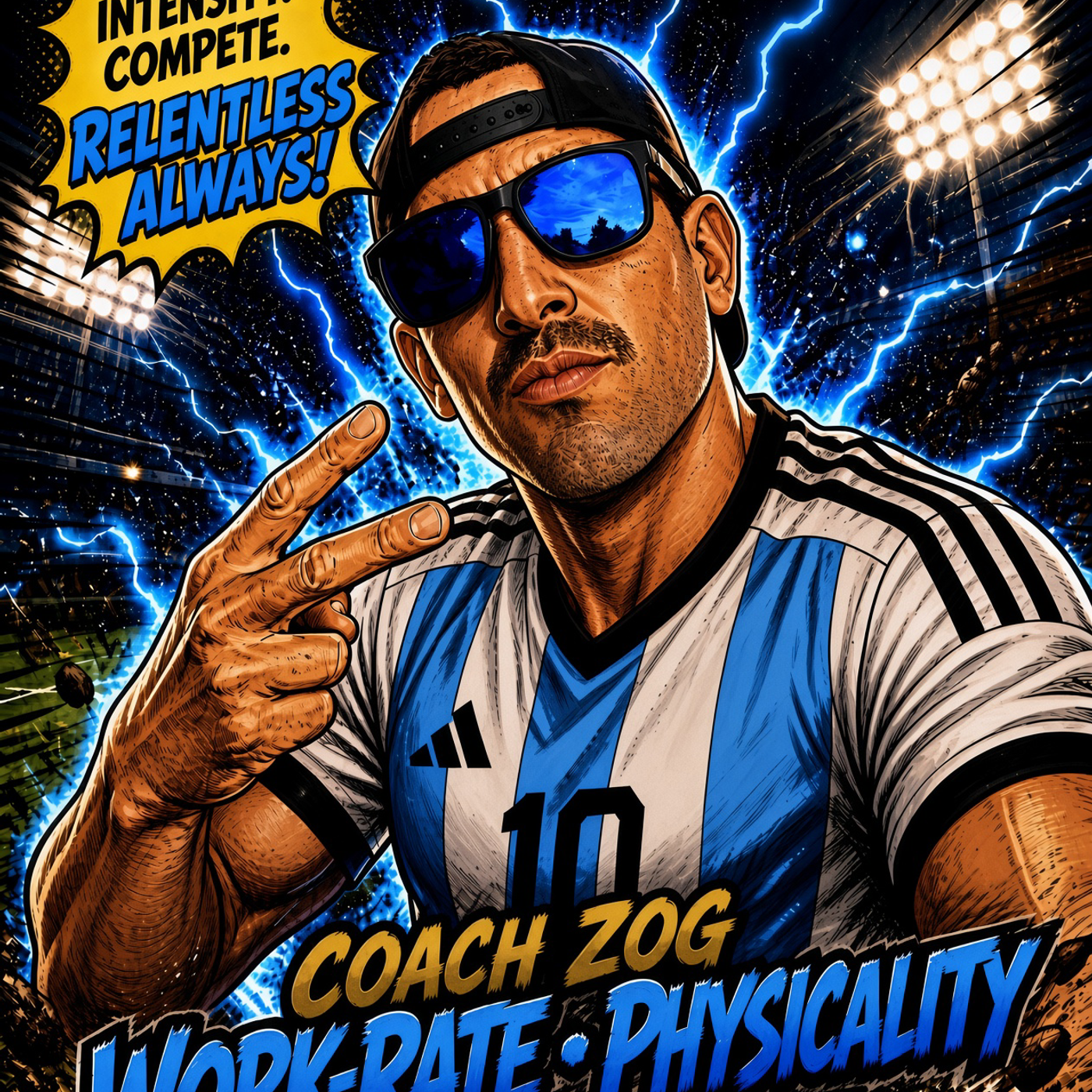
Steve-O: welcome back I have the privilege to sit down with my brother Chris Herzog he's got nineteen years in the American fire service he's all about family his girlfriend is also on the job and a suppression officer they have three kids total two ten year old boys and a fifteen year old daughter that all play soccer. his passions for the job are designing and building tactical training simulations for captains and command level officers. He's also into mindfulness, mental health, specifically geared for us, the boys on the job. Outside of the job, his passion is soccer. You can see what he's wearing right now. He's coached soccer for 14 years at the elite level. Three years ago, he switched to coaching the girls from the U 13 to U 17. now currently he's building and he's going to launch the Herzog Player Development Program. Chris: . Steve-O: It's two to four players, a small group session with private player development. So this man is on the job, he's coaching on the job, off the job. Welcome, my brother. Zog, is there anything I misled the audience or anything you want to add to your bio, my brother? Chris: No, you know, I appreciate you, man. I'm honored to come on here. Love just to just to talk about the fire service and everything involved. So let's do it. Steve-O: All right, perfect. So we had connected through your old lady, So she was a recruit training officer at the academy I work at, and then Chris: He's gonna hear that you said that. Steve-O: that's that's good. so we had we had run into each other, we had met, talked, and then you have an insane story that needs to be told and will resonate with a lot of people because the American Fire Service, even though it's even keel with our traditions. And we're talking a little bit offline when it comes down to the boys. We are all pretty much cut from the same cloth, but generational society, man, we are facing more turmoil than the American Fire Services ever face, especially on their members. So I don't wanna interject anything. So I'm gonna turn it over to my brother Zog. And if you don't mind, dude, from the call, if you can just tell the audience your story, my brother. Chris: Yeah, man, you know, so I've been on 19 years and you know, this all kind of started my mental health journey. Everyone has a story and the cliche term is journey for mental health. And you know what? I thought that a little cheesy at first, but then I realized It's probably the best way to describe it. you know, my journey is my own. You got your own journey and everyone has their own. And, you know, I think childhood, you know, I had young parents having at 14, 15 years old, you know, but they did their best. They did a really good job. And I'm thankful for that. But I think a lot of this started with mental health struggles, just day to day struggles with, I was a company officer on when we lost Brendan Busset. 24 year old kid, you know, pulled out in front of a semi going 75 downhill, you know, why doesn't matter that, you know, we lost him and I'll tell you what though, the passengers, he's back on the job with us and he had a very low percentage of, you know, survival rate, let alone living a decent life after that. And we kicked ass when we showed up, man. I haven't seen, I've never seen that look on people's faces when, I just haven't, man. I've ran a lot of calls, 19 years, and I've never seen that look on people's faces as they rolled up on scene. And we kicked ass and someone's alive back on the job for it. But I feel like all the training I've done in my life, that's what it was for. Cause when we showed up, man, we knew what to do. And, you know, 24 year old kid, it's too young, but you know, shit happens in our job. And you know, the aftermath of it, it's been tough. I just, it kind of crept up on me, you know, following that call about a year-ish, I don't even know, a couple of years, ended up going through divorce and following the call minus the details, I was demoted. And after that, life just was really tough day to day. And I didn't know why. I was feeling like shit. I was on the bathroom floor, bro. I was crying all the time and I didn't know why. And I went to the International Associated Firefighter COE, the Center of Excellence. Maryland for I went for mental health treatment. And that place is unbelievable, dude. That is a little magical spot. 10 acres is beautiful. 64 firefighters from all over the country, different accents, different ways they do shit. You know, we do shit a lot different out here. We got the, you know, our automatic aid system, which is brilliant. And talking to people out there like They had no idea they're still listening to radios in these departments three times the size of mine. But it was great. But I think what's really important is what led me to make the call. And my girlfriend, dude, she saved my life, Support system, sorry. Steve-O: Good brother. Chris: Nah, I'll be fine. Yeah. But, so I think what made me make the call, you know, leading up to everything was, no, this is good. This is normal. I cry all the time, but Steve-O: Yeah. Chris: it's good now. No, I went because I was just so emotional, man. I'd be crying three, eight times a day while I'm playing pickleball, while I'm at the store. Like I didn't know what was coming on. Like I... I had no idea and like Michelle, my girlfriend said, you're too good of a person to be down that much. Right. And I didn't want to make the call. I'm going to treatment for mental health. Like, you know, who does, but I made that call and I'll tell you what, that is the best of the best. They have the best of the best people working at the IFF center of excellence for us. I made that call and that intake call, those people are magical, man. So I laugh at it now. He was asking me questions about like, do you have this, this or that, and he asked me about flashbacks and I was like, no, no, I don't have flashbacks. And he's like, really? He goes, we're gonna get back to that. You know, a few moments later, he's like, so you don't have flashbacks. I was like, I don't think so. He goes, So you don't ever have thoughts that pop in your head or flashes of that call. And I was like, you mean when I see a semi and I lose my shit, goes, Mr. Hertz, I'll go through flashbacks. So by the end of the call, I was pumped to go and get better, dude, because I didn't know why I was feeling so bad. Like I wasn't diagnosed, so at that point almost instantly, man, at least I did something and we have a plan, you Steve-O: So Chris, how long were you there for, brother? Chris: 33 days. Yeah. Steve-O: Okay. And when you made when you made that initial phone call, when you made the call, how long Chris: Mm-hmm. Steve-O: did it take from when you hung up the phone to when you're on a plane going to Maryland? Chris: So they, that day they're like, hey, do you want to fly out at 4pm today? And I was like, no, no, no, that's too much. So like, Steve-O: Wow. Chris: I, I wasn't dealing with substance abuse. obviously then there's dependency here, not for everyone, but that wasn't my, my thing. so I wasn't there for substance. And when you get there, literally they say there'll be other firemen there who greet you when you get there and you pull out. when you open that IFF van door, man, it slides open. They're like, hey, thinking or drinking. I'm like, well, thinking? And Steve-O: Yeah. Chris: then when you get there, they assign you a book and it's either mental health or substance abuse. And I think there's obviously, you know, science and research behind that, but you mostly do the same stuff. Someone there for primarily mental health, Once you're there for a couple of weeks, you start trauma, which starts digging deep. That ain't easy or comfortable, but the people in my trauma group, there was three other guys, men in my group. And obviously there's men and women there. Those become some of your best friends for life. Cause they hear all the shit about you that most people don't know that you don't even know. Cause you're digging that shit out, man. With a shovel. Steve-O: Yeah. I did you try to prior to making that phone call, did you ever think about seeking help prior, like private therapy or anything like that? Did you go down any sort of route prior to? Chris: I mean, so the answer is no. That being said, my department now, and I feel like I've had an influence on that or I've tried to, know, and I feel like I have, because that's kind of just what I do nowadays. That's I operate differently day to day now with tools I learned there. to answer your question, no, because, you see the continuum charts of like stress or all the stations now they got the yellow, green, red, where you're operating in. And that's great. I just feel like when you're going in between those or you're shooting up, shooting up to red, you don't know. you don't know in the moment things are bullet pointed, I just felt like shit. And now, now once I was diagnosed, man, all of us who've been on the job more than 10, 12 plus years, I don't know exactly, but you get diagnosed instantly with PTSD and anxiety. That's just, we're modeled from similar molds, man, all of us. And that was probably my favorite thing there is 64 firefighters, probably 60 men, four women when I got there. And it was always about the same ratio. We're all the same. you meet someone and your homies instantly. and I think that was probably the coolest part as you realize, other than accents, which is also a fun part, Crazy ass accents. Because we don't have none here. That's what I'm told. And that was really cool. Just seeing how firefighters all over the country, manage the same emotions and stressors and struggles each day. So overall, My experience at the COE, I love that place. My therapist is from there. I gave her a call this morning, let her know what was going on. She's like, send me that clip instantly. Steve-O: Nice. Chris: Because I don't, the one thing that is interesting to me is I try to think back on like how bad I felt before I made the call, before I went. And I can't, and I was like, man, that's weird. And she's like, no, no, that's a good thing. And so I have made a lot of progress. The one thing when you're at the COE for treatment, they warn you, they tell you all the time like, hey, when you get home, it's not gonna be easy. And there's no way they can get that through to anyone there. know, like you're up and down there. You're feeling great because you feel safe. And also like I didn't feel safe, dude, before I went. And that's probably the main reason I made the call emotionally is I just didn't feel safe. probably felt that way a couple of times in my life. And that ain't a good feeling at 42 years old, man. When you got a family and shit, like, and you're not used to that, I didn't know what to do. So my department guided me. My captain, dude, I'll tell you what, he made an example of how you should treat your guys. He took care of me and he didn't stop till he knew I was safe. And my girlfriend and him teamed up and... That was probably a shitload of work that I think about it, but I do it for them. I do it for you. I do it for anyone. And that's kind of why I'm on here. I just hope that if I can help one person or 20, please, that's kind of what I'm about nowadays is being nice is very important to me these days. Going back to the basics, elementary. Steve-O: Now when when you said you were there for thirty three days for so for the guys that don't know and myself to please educate me, is that a set period of time for everybody or is it like case by case basis depending on how you're transitioning? Is there like I guess I'm asking, is there a minimum amount of time and a maximum amount of time? Do you even know that answer? Chris: No, no, that's literally I'm so glad you asked that because that's a huge part of it because you get there did first few days are rough on Obviously, you know and first week is really tough for some people especially if they're for like substance and they got to like detox and stuff but so They tell you straight up like 30 to 45 days or longer 33 days was probably the mint the one of the least amount of days from talking to people there that for the stay there. Cause I went in with support from my family. I called before I hit rock bottom. I had a lot of support. No one was mad at me when I went and realized there that's obviously pretty rare. a lot of people are there because you know, their life's shit. Everyone hates them. Everyone was mad at them. Their wife's mad at them. Their kids don't talk to them. I mean, that was pretty common. Not everyone, but I went there. on my own decision before I hit rock bottom and you know, I'm happy about that. It doesn't matter but, cause I got there and I needed it. So I'd say the average stay is 30, probably 32, 33 days minimum up to 60 depending on what you got going on. And you can leave any Steve-O: Okay, so Chris: time regardless and like that, you know, that happens but you're, you gotta trust those people there, man. They're the best of the best. Steve-O: Did you did you see that a lot when you were there? Just curiously guys are going, you know, dude, I'm I'm checked out, I'm I'm done, I'm not ready, kinda deal, or w or is everyone pretty much okay? Chris: probably we're not since I got there. So you get there and you start in a med unit, which is just like a holding unit because check this down down the road little ways. You just walk down there because this is 15 acres man. Beautiful hiking trails. We had a pool party every day. I was in the sun. I was there in the summer man. we had a pool party volleyball every day. the food was good three meals a day like they take care of you there because you feel safe there. And you're in that bubble man, and that's a good feeling. So after you get out of the med unit, so there's eight rooms in the med unit each side, so you got 16, right? Because that's kind of like you get there, it could be one day, it could be 10, 12 days, it just depends on the vacancy, So then you get moved to the station houses, which is just, I don't know, 100 yards away down the hill. So these are literally fire stations, dude. There's four of them next to each other with a little greenery in between them to hang out, know, bags. There's all kinds of games out there. Literally 12 people fit in these fire stations, four people in each room. You got your own bed, you got your own space. And those are owned by the IFF. So once you get out of the med unit, I think it's like 15 or 25 bucks a day. That's all it costs because they give everyone a scholarship. to be staying in those because they are owned by us. They're owned by the IFF. What's cool too is they have IFF meetings there once or twice a month. So all the big dogs from the East Coast, man, they go hang out in the kitchen there and they have their meetings. That's where they do it. So I saw two of those go on, met some of those people and that was really cool. So yeah, Steve-O: Dude, that's Chris: man, it was great. Steve-O: So the the program's amazing for the little bit I know about it, so I I really appreciate you educating all of us on it. For th for Chris: Mm-hmm. Steve-O: the guys that are listening and and wondering more information, did this I know you talked about monetary a little bit, which was a very small amount, but was this this entire program, is this covered by our insurance? Is this something we pay out of pocket? Or is this something that the international covers? How does that work, brother? Chris: here in AZ we got the 500 club. They gave me like five grand for my plane flight and any other bills. My insurance covered it. I think there was like a $800 balance and I just used that to pay for it, pay for my flight. What else is cool is if anyone's, in bad, bad shape, which happens a lot going to treatment or not, if you just, you know, want someone there with you for support, they're, they have, they have a program where you could fly out there with me, I can fly out there with you. I'll fly back just for support till I get you in the gates at the COE. But when I was at the airport, all of a sudden this IFF van rolls up and two firemen pop out, they start hugging me and I'm like, all right. So I actually felt pretty comfortable, pretty quick, getting there, you And now I thought that was really cool. So monetary wise, I didn't pay for anything. Now, actually, one of the coolest parts was my insurance was kind of fighting it because they were go somewhere in state. And I'm I'm a fucking fireman, bro. I'm going where fucking firemen go. I just wanted to pick the right place. and I had support from my girlfriend, my department and the IFF Center of Excellence. So they call you once you make the call and they know you're probably going to go. They call and check on you two, three times a day. They call, give you updates and they call and just make sure you're not getting worse, Steve-O: So the but you're there and like you you've been saying a couple of times, like, hey man, right off the bat I met a fireman. Then I got there, I met another fireman, like boom, boom, boom, boom, boom. the guys that you met, the firemen that you met, are they just there to hey make you feel comfortable? And then the counselors and the therapists that are associated. They're they're civilians or is everyone there mostly a fireman? Do you know? Chris: No, no, I'm sorry. So everyone there these people greeting me were firemen. They were there, they were kinda, when you go pick people up and greet them, you're more towards the end of your stay. So like they were doing, Steve-O: okay, I got ya. Chris: they were doing, you know, they were doing pretty well. you feel pretty good when you're leaving there. So the staff there is excellent, And honestly, I've never been anywhere like that where people... care about you so much. Every single person there, the staff, and most of them are from the African countries. just humble the nicest people in the world, And they all know your name within a day. To me, that's impressive. You show up somewhere and they're calling you by your first name, sometimes before the end of the first day. And once that starts, it doesn't stop. you feel like, They care about you a lot. And that, you know, obviously a good feeling when you're not feeling very well. Steve-O: So I I love I love the the fact that members going through the program and please correct me if Chris: Right. Steve-O: I misunderstood you, are the same dudes that are picking you up because they're they're towards their tail end and they're doing really good. So immediately you have an initial connection because hey, they're in the program struggling or they were struggling, now they're doing good, and you're coming in day one. Did you ever get that opportunity to to pick somebody up or or anything like that? At least maybe as they open those that van door to be the first one to give a hug or anything like that, brother? Chris: Hell yeah. And that was cathartic, Steve-O: So what Chris: bro. That felt good, Dude. Steve-O: I gonna say, what was that experience like? Like that's gotta be full circle. Chris: That's when you see people rolling in there hot. Like, Steve-O: Ha ha ha. Chris: dude. And that's what they need. So favorite parts was just like giving that dude a hug. Who's coming in and just honestly, man, like one of the guys that, you know, that door opened and I was there. He like put the gun down hours before. So you it's impactful. It's important. It's a big deal. Yeah. Steve-O: It's it's extremely important and it's gotta be such a such a freaking honor to be able to be part of that for their journey because you know, someone did it for you. you you said a couple of times, a and again the program's amazing, but you you kept saying, Hey man, I felt safe, you know, for the first time in a long time and and then we're doing this and I felt safe and I was comfortable. I felt safe. What was that transition like after at day thirty four when you fly back home? Because I would imagine if I was in the same situation, it would build a lot of anxiety because I'm like, hey, I've been really comfortable here for about a month. I'm feeling better, but man, I gotta go back to the real world where all my problems were and they still exist because I mean, life happens. Life becomes life no matter what our struggles is. What was what was that transition like for you, my brother? Chris: No. Dude, you're the best, man. That's the best question you could have asked. So I'm gonna tell you straight up. They tell you, you hear it a few times a week. Hey, it's gonna be tough when you get home. prepared, Steve-O: Mm-hmm. Chris: understand that. They do a good job of that, but there's no way to do that. And anyone will believe them. Getting home was really hard. The few months after I got home was really, really hard because I wasn't in a bubble of safety anymore. had to deal with the real shit of the real world, And it was tough being there. I mean, my kids are everything to me. my family's everything to me. But it was, they supported me, right? And it's not like they, for me, they weren't like happy I was there because they didn't know I was going through the shit I was. I did my best as a father to carry on so they could live their normal lives. And I did a pretty good job of that. They didn't know how bad I was feeling, but getting home, man, they set you up with. a treatment plan they set. So they don't let you leave there until everything's set up. Your therapist set up, your doctor appointment set up, your therapy appointments are set up for a couple months. Like they do a really good job. But when you get home, it's tough. And they give you all the tools, they give you tools, man. And like I operate different now day to day. I've learned a lot. I'm being mindful and intentional. that's how I operate. And one of the things I really learned the value of and the power of is decision-making. And I feel like that is the thing that has helped me the most and that I have helped people the most as I've been back. I was working a few weeks ago, working with a guy who just got promoted last week, but he was still in a bump up his move up position as a captain. And, You know, I think we had to swap out our truck summertime here and we have a probie with us. You know, we all have probies right now he forgot and he was like, I don't know what to do because I'm going to piss people off that we're swapping out this truck at 8pm. And I'm like, well, you have a decision to make, huh? And nowadays and I, and that's the stuff. So now my point was you're going to have to make a decision. and you better stick with it. if something else, whatever comes up next, then you deal with that. So I kind of operate that way nowadays. And as I've shared that with people, I feel like that's been the most impactful because he took a few seconds, came to the kitchen table. He's like, all right, guys, we got to vote. We either wake up at 5 a.m. and swap this truck out or we go out there right now at eight, 9 p.m. And one person was pissed. He made a decision. He had to vote. we went and swapped it out. And I was like, see man, so nowadays, like when it comes to day-to-day decision-making and stuff, I just don't worry. I don't worry like I used to, because it just doesn't do any good. So like now, if I have to make a decision Steve-O: No, you you're you're right. Chris: at home and say it's from, hypothetical for my kids, but it might piss someone else off. Well, if it's something that I feel is right, you know, core beliefs or whatever, I'm making it and I'll deal with whoever's pissed next. So I've just learned to be more intentional, more purposeful and I'm more mindful about everything. And you know, I'm not perfect man, like it's hard coming home. So I stumble, but I live day to day man, because like I have bad days, they tell you there, they give you the tools, but every day is not gonna be easy the rest of my life, man, because of what I've been diagnosed with and what I deal with, But the fact that I've embraced that is like if I'm having a bad day and I got anxiety all day, that's probably my biggest struggle now is just have really bad days with like anxiety. Mine just sits in my gut, man, it's uncomfortable. And next day might not be as bad. We'll see what happens. So I just, I kind of just operate that way now, like a lot more positive. Steve-O: And that's I mean that that's that should resonate with everybody, even if you're that unicorn that does not abuse substance, doesn't have a mental health issue at all, has been on the job for fucking almost twenty years, you're that magical guy that doesn't exist or whatever. Still and again we were talking offline, you know, I am a recovering alcoholic. It is something that I always struggle with. I've been through intensive therapy for the job and prior to the job for PTSD and anxiety and everything else in their son. And I like to talk about it because I know for Chris: Yeah. Steve-O: a fact that guy that looks like he has everything put together has the same struggles you and I both have. he's just he's better at covering it up. But from people and you've said it over and over and over again, and guys that struggle with alcohol and are part of the AA program like I am, part of our slogan is you literally live one day at a time. Because exactly Chris: Yep. Steve-O: like you're saying, like You can't control anything else except for your attitude, your effort, and how you react to things. I can't control Chris: Mm-hmm. Steve-O: what Zog says, how he makes me feel, anything like that. That's his thing. But I can control my own feelings and how I react to it. and dude, on the job that's huge. Patients, bosses, subordinates, whatever. But it's just going through and if guys just take away anything, just go day by day and understand that that dude that you look up to And you're struggling in private and you can't figure out why we'll just make up the magical name of Bobby, like why Bobby has his shit together. Bobby just doesn't show it. You know? He probably he might be a closet drinker, or he is doing it in a healthy Chris: . Steve-O: way, and he has a really good support system outside the firehouse, and you just don't know anything about it. But everyone has a fucking struggle. Hence why it's so important. This is one of our most important episodes, because no one talks about this shit. Chris: Right. Steve-O: But every single one of us struggle with it. And it's a problem across the country and through the American Fire Service just because of the nature of our job no matter what. I wouldn't trade it for the world. And again, my sim my story's very similar. Nineteen years I was married, divorced, I'm lucky enough now that I have a very good woman in my life, remarried. You know, you have the same, you have a very good woman at home. Without that support, Chris: I'm so lucky, Steve-O: yeah, without that support system, it's a lot fucking harder For guys like us to be able just to do the daily, no matter how put together we seem. So I know it was hard for you to come back home. how long was it? Like when you got back home, were you on light duty for a hot minute or g was able to use some time off, or did they did they put you right back on the truck? How did how did that work transition happen for you guys or for you, sir? Chris: So they recommend you take minimum of two weeks off when you get home just to reacclimate. I took like three weeks off, I believe. so I would say right away it was fine. Weekend, it wasn't. And it was just, my anxiety was worse or I felt like my anxiety was back. It wasn't as bad as it was before, before I went. And that's important because a lot of people, deal with anxiety and stressors. We all do, man. We got kids, we got lives, we got jobs. And so now it's like, and even then it wasn't as bad as it was. And so... Steve-O: No, and yeah, I mean you sorry, Chris, go ahead, my buddy. So I Chris: No, no, go ahead, go ahead. I was done. Steve-O: mean, no, what what you're pretty much saying is and again I'm trying to I'm I'm trying to make sure the audience really takes home a lot of really good key points because you have so many, but exactly what you said, it is progress over perfection. Guys like us feel like we Chris: 100 % Steve-O: yeah, we have to be perfect at everything. We gotta be the most badass fireman. Then we go home. We gotta be the best dad, the best husband, the best boyfriend, the best freaking coach. I mean, this dude, the same deal. And I I lived the same fucking life. I coached lacrosse instead of soccer because that's what my boy was into. You know, it's just it's all consuming. But you get to the point where you have so much crap on your shoulders that if you don't have a good support system, you end up having to make a phone call, or worse. You know, phone call is the best case scenario. Worse is we we already know that route. very Chris: Right. Steve-O: self-destructive behavior. How did how did the boys treat you when you got back? Did you feel I know I'm sure you felt probably a little I'm sure you felt some anxiety going back to work because you're like, Hey, how am I gonna get accepted? How was that process when you went back to work with with just your crew, your department, your friends that are on the job? How did that kind of transition? Chris: So I want to go I want to get up back to when I went so I couldn't go to work dude There was times I drove halfway to work and turn around went home like Steve-O: Really? Chris: it was like I Don't know. I don't know. I don't know why it doesn't matter I was not showing up to work I would call out last second. And luckily my captain, later on when I switched crews, I bid for a different crew. He instantly went in and looked at, and he saw from this date forward, your attendance was like, my attendance was stellar, man. I I didn't, I call that every now and then, but like my attendance was typically pretty stellar. And it was just dropped off instantly. So he, you know, kind of, took the lead on that and you know what man, I love him. He took care of me, he made sure I was safe. So that was another thing, obviously, I just couldn't, I couldn't go to work. And then when I was there, when I did go, it was awful for 24, 48 hours. I felt terrible. So. Yeah, that was just, that was the other thing that was like, all right, I need some help. Cause you don't know you need help, dude. you know, you don't know you in the most, for years, you know, some of this stuff festers and yeah. So. Steve-O: It it's dude, it's a it's a slow burn. I mean it's burning the entire Chris: Yeah. Steve-O: time, but it's until everyone sees that fire and smoke going, you know, that's when all of a sudden everyone's like, Whoa, it just happened to be like, man, this is years of crap that I've been just burying and trying to deal with very unsuccessfully. Chris: Yeah. Steve-O: And you know, I've I've done the same thing. Like I I've talked to in a couple different episodes where, you know, I I used to believe I had a superpower because I could bury shit so deep that if you gave me enough time, I'd never happened. To the point where like guys would be telling stories and they're like, right, Steve-O I'm like, I don't fucking Chris: Yeah. Steve-O: know. They're you were there. I'm like, no, I wasn't. They're like, yeah, you were. I'm well, it literally just I could purge it. And then when I went through intensive therapy and, you know, again, receiving tools, healthy tools, and everything else, it was really fucking hard to do it the right way because I was so good at this self-destructive behavior of just bearing it, bearing it, bearing it, because it was easier at the point not to deal with it. And I know you understand what I'm saying, but Chris: 100%. Steve-O: we have to deal with it eventually because our bodies can only hold up so much. And then and prime example, you get to the point where hey I am I am literally I'm not at my wit's end. I'm done. You know, it's just and I gotta pick up the phone and I have to figure out something else because if I continue down this path, you know, it who knows what's going to happen. So it's it's that slow burn. Guys don't understand that for the most part, I think. Chris: No, and the boys, so like I said, I went there, I wasn't in trouble, like no one was pissed at me. Dude, I had the most support ever. Like my homies at work, like my crew, like in my whole department, like, you know, there's probably a quarter of the department who reached out to me while I was gone. Obviously the people I'm super close with, you know, a couple of times a week, but also kind of giving me my space to heal. so my experience with that was excellent. It wasn't everyone's, but that aspect from my department and my support system at home and on the job was excellent. And obviously that, that was a huge part of being there and maybe just be, just feeling supported and the whole world's not pissed at you was, you know, that I had that going for me when I was in treatment. if you call it that so. Steve-O: Did it was there any point in in your brain where you thinking like, hey man, when I come back the guys are gonna be pissed at me because I've been gone for so long? Or, hey, like, I I couldn't suck it up, like suck it up buttercup, like when we came into the fire service, that was that was a thing. Like, did you kinda have those reservations going in, like, fuck, man, they're gonna tear me up or did you because it sounds like your captain's a fucking man, you know, and like he really took care of you. Yeah, so you Chris: He's a shit, He's a shit. Steve-O: you might not even have that experience, but if L did you have to experience anything like that when you're kinda transitioning back thinking that the boys are gonna be mad at you? Chris: I didn't, but I feel like that's rare. I didn't. Like I said, I had support the whole time. And honestly, like there was a couple of people who reached out to me while I was there that were struggling. And yeah, man, and that hasn't stopped. Like it happens all the time, to be honest. It happens more often than I thought it would. And I love that. knowing that anyone else is dealing with some bullshit, because it sucks. But I don't know, man. I feel like I've really helped a few people and I'm glad for that. that makes me feel really good. You know, and I've seen them grow. And so I feel like during those struggles, they bounce back kind of due to the experiences I've had, what I've learned, the tools I have. And, you know, I'll share those with anyone. And that's kind of... the reason I can't, you know, I, if anyone needs help, you send her to me, man. No judgments, Steve-O: Perfect. Chris: obviously. No judgments here, man. I make you feel comfortable instantly. Steve-O: Dude, that's awesome. And just you said something and I actually meant to ask you and just reminded me, s while you were in the program, were you allowed to have your phone or was that something that you kind of had access to later as you were doing better? How how was how were the rules when it came down to that kind of stuff? Chris: So you don't get it for the 72 hours once you get there. And Steve-O: Okay. Chris: then I believe it's Monday, Wednesday, Friday. You get it for two hours from like 430 to, or no, from like 430 to 530 or 530 to 630 before dinner or whatever. And then weekends you get two hours. Maybe Saturday or both days. I think it's Saturday, whatever. One day of the weekend. And then that's when you're in the first couple steps. which is the med unit and there was IOP. there's multiple levels. Once you get a few weeks in, it's not really based on time. It's based on, cause you get assigned a therapist and you see your therapist twice a week there. And there's also three doctors there and they're the best of the best. Dr. Abby, she's the chief medical director there. You see her on TV on some of the IFF stuff for the COE. I'll tell you what man, when I met with her the first time was probably three, four days in. They let you kind of acclimate first, know, go to some classes and within 10 minutes of meeting with her, she was like, yeah, your department or whatever you got, your family got split in half. And I was like, huh? And she was like Moral injury, because it's the fire department, Those are our boys. You know how it is. And after so many years on the job and then promoting in such a successful career, some shit went down, I got demoted, and I didn't know how to deal with that. These are people that I was on their crew as a probie They were captains or, know, and I just... I didn't feel safe going to work anymore. didn't feel safe in general. And I think due to being how loyal I am just as a person. I think looking back, like that was probably what really got to me, dude, was the fact that these people I trust and have worked with and, just the fact that now I was demoted from a company officer I just lost trust and I didn't feel safe anymore. But the fact she hit it, nailed it right away, I never even heard of that. So literally I had some relief and I felt better literally a few days in once she cut, because I didn't know what was going on. I didn't know why. Logic was out the window at that point. Steve-O: you have such an amazing story. So before we transition, talk about the job a little bit, is there anything you want to leave the audience with that we didn't cover that you're really pulling some heartstrings on when it comes down to either your struggle, mental health, the program or maybe maybe everything altogether? Chris: Yeah, and just quick rundown Monday through Friday, you wake up 830 people take their meds everyone has anxiety. Take your anxiety meds dude. I Steve-O: Yeah. Chris: in like I have to pan a little now it it takes the edge off and sometimes that's Steve-O: Mm-hmm. Chris: all I need man. I because I didn't want to take anything long term. I didn't want anything messing my brain. So it takes the edge off jobs. My heart rate drops my blood pressure little bit when I'm having real bad anxiety. So you wake up take your meds. eat some breakfast, you start class, you have like two or three classes a day depending on the day. And it's all group therapy, dude. everyone, Steve-O: Nice. Chris: the first few days are uncomfortable until you see these people telling you about the shit that you thought you'd never hear or say in a group of people. But it's a bunch of firemen. Like you learn, Steve-O: Yeah. It's family. They're all struggling the same. Chris: yeah. And so then you go to class, you get out at like three, 2 33. pool party, pickle ball, All kinds of stuff going on. And you know, I've met some people there, they're gonna be lifelong friends, man, lifelong brothers, sisters. And then you eat dinner, then it's nighttime. you literally have 15 acres, beautiful, man, to just heal and feel safe around a bunch of people that you learn to trust and you realize support you really quick. But back to what you said. I got a couple rules now. If it's really fucking bad, life's really bad and it's not healthy, don't be afraid to get a divorce and don't be afraid to go to treatment. Don't be, please. If you are, give me a call. For real, those are two things that people are terrified of because they don't know. Dude, don't be afraid of either one of those things. If duty calls, if... You got kids if things are bad make it make it make a change. Make a decision. Steve-O: Yeah, and it I I can't resonate enough of what Zog just said. I mean, it it's the truth, and I I live the same thing, you know. There I should have been divorced years before I did because exactly what Chris: Right? Steve-O: you said. It's I didn't want to go through it because what do you hear? At least, if not more than half the dudes on the job have been through it and they're gonna tell you the worst case scenario every single time on how much money it is, everything else. But guess what? I pay a shit ton of money, my ex wife still But it's the most valuable thing that's ever happened to me because I was able to meet my current wife, who has completely changed my life. It gave me a completely different perspective and allowed me to get a hold of my crutches that were d literally my self destructive behaviors because I was extremely unhappy for the longest time. And it has nothing to do with the person I was married to. It was a d Chris: Nope. Nope. Steve-O: deal with our chemistry, our relationship, our situation together. And so it's it's nothing to do with the individual. It had to everything to do with just us together, I guess. And certain people shouldn't be together and and we were good in the beginning, but we grew apart. We were too young when we got married. And it's just one of those things like you said, you just you just don't know. You know, you just don't know. Chris: Yeah, happiness is moments. It's moments. Steve-O: So Yeah. you're right. Chris: Dude, I live, like I was telling you, decision making, radical acceptance, man. I ain't focusing on shit that I can't change or I don't have the ability to influence the change. I ain't gonna bitch at the table about shit that the chiefs are doing. What the am I gonna do? Steve-O: Yeah. Again, who cares? Chris: Yeah, and the fact that I operate that way a little bit differently is now that I choose to put my efforts into stuff that I influence or the ability to not only not, I don't have to change it, but make adjustments. I've actually accomplished a lot of goals recently, My goals when I came home was put three shirts on the hanger, fold some socks, it was bad. I couldn't do shit. But I'm doing better now. I don't even remember how bad I felt. And I'm happy about that. And yeah, is every day easy? No. Do I struggle all the time? Fuck yeah. Is it as bad as it was? No. is am I accomplishing shit? Big shit? Yup. Again. So I'm getting better and better, man. Steve-O: That's amazing. So my brother, first of all, again, I can't thank you enough for telling your story because most guys will refuse to talk about things like that. And it it sucks because we as a population of firemen in general need to hear it. Because again, we've we've said it a couple times this episode alone. Every single motherfucker has the same issues. It's just some guys are willing to talk about it, most aren't. Chris: Yeah. Steve-O: And the problem is when you're not willing to talk about it and your boys aren't willing to talk about it, you feel like you're on an island because you're like, Man, I'm the only one. What am I doing wrong? I am the only one that's having an issue. These guys are good. So it's obviously a me thing. And it's not, it's not a us thing. It's just a situation that we're involved in, and we've made poor choices on how we handle our mental health because we don't freaking know any better. And blessed that you're able to make a phone call and then now You're affecting change on multiple different levels on the ones you know, and I guarantee the ones you don't know. Just because they know your story or they met you or you had a Chris: Right. Steve-O: a very positive interaction with them and they're like, Shit, if fucking Zog can do it, you what? I'm gonna fucking do y I got it, you know? And it might end up not being as extreme, but I mean, you have no idea the impact that one individual can make to so many people by just being vulnerable and being like, Hey man, yeah, I'm fucked up too. I got issues. Chris: Yeah. Steve-O: Right. The worst you could do is just be like, God man, things are great, When you're trying to hide everything. Because you can't get help. And guess what? The boys, the family, the sisters on the job, everything else, most of the time, I'd say ninety nine percent of the time, they really fucking care about us. But yeah. Chris: Everybody does dude. Like okay. I don't want to say everyone to me It seems that way to me like Steve-O: Most. Chris: that's been my experience. So yeah most let's go with most. I love that. Yeah Steve-O: Yeah. So it's so again, thank you so much. So we wrapped up your experience right now. Before we get to the questions, I just have a question I I I got a fireman question for you. All right. So Chris: Hell yeah. Steve-O: engine first of all, engineer ladder, what do you prefer? Chris: I'm sorry bro engine now is on a ladder for 13 years. I'm I was just kind of done with I was done with ladder training like dude Steve-O: My Chris: I want an engine now I'm loving it. Steve-O: Okay, so you were you were a ladder dog, now you're an engine monkey. What is it about the engine that you're like, bro, this is this is why I love this wagon so much? What is what is your thing on there? Chris: No ladder training, bro. No, no, no, no, no, no, no, no. Steve-O: Come on. Chris: I just needed to switch it. Actually, when I came, to be honest, man, I was on a ladder. I went to COE. My current captain that I'm with now is, so I think I was gonna bid to his crew. I was thinking about before I went and then he was the one who kind of took over. like, you're coming. And then one of my best friends that I was on the same crew with for 14 years. bid to that crew and he reached out to me, I felt wanted man. Like, Steve-O: Yeah. Chris: and if I feel wanted, let's go, right? let's go. If there's a new captain who needs a senior guy to support him, let's go just fucking ask. all that's been really good. Steve-O: you're saying so many positive, great things the guys need to hear. But think about it this way, for the guys listening, if you are a senior fireman, which is not hard in today's day and age, if you got five years on the job, you're probably a senior fireman to somebody. But think about it exactly what Chris was saying, It's like the love of the guys and taken care of, And then the want, if you make That brand new guy feel wanted or needed or valued, that goes so fucking far, and you have no idea the impact that you're that you have on that member by literally doing something like that, like, dude, we got a spot open, man. Come on, Zog, come over, come Chris: Yeah. Steve-O: over. I mean, the the tiniest little thing of just guys that want you like they want you to be on the crew, man, that goes for for dudes like us, that goes so far. So if you're able to do that for somebody, and it could be as simple as, hey man. we'll do Zog's favorite fucking training in the world. We're gonna do ground ladder training today, you've been a high performer and you're fucking you've been with me this whole time. You fucking lead it, dude. You got it. Run it. You're right. And right off the Chris: Yeah, send it bro. Steve-O: bat, I'm gonna step up and you say, hey man, Chris is a man on this. I'm stepping away. He knows what the fuck he's talking about. So I automatically I get buy they give this guy buy-in and let him run with it. That is gonna be probably the highlight of his career. He will remember that always because that was probably the stepping stone. To become maybe a a freaking mentor or a recruit training officer one day or be involved in training or just be that good dude that tries to give it back to the next guy. That's all Chris: Yep. Steve-O: it fucking takes some time. It's just give give that olive branch out to one of your boys, you know? And empower them somehow. And it could be as simple as like, dude, we want you on the crew. That's huge. Yeah. So Chris: Yeah. Yeah. We had a new captain working with us last night and you know, he's doing a really good job and my crew, I so I think my captain has like 36 years on. The next person has 20 some 28, 25, 23. I have to like the least like 19. So like it's hard to work with our crew. Steve-O: Yeah, I I can imagine. Chris: And this dude, this dude's worked this few times. He's done a good job. It was like 9 30 10 PM. We just got back from a call. I just shot him a text from bunk to bunk baby. And I was like, Hey man, I'm really proud of you. I've known you since you started. Cause he probably has five years less than me. I was like, you're doing a really, really good job. You do a really good job with our crew. And basically, yeah, I'm really, really proud of you. if you need anything, I'm here, man. I'm your support system. So I think I do, I try to Not that I try, I just, do stuff like that often because now I see the reaction and the response and it makes their day, man. And like, that's not why I'm doing it. I'm doing it because I mean it. But if I can make your day too, why not? Steve-O: Yeah, it's just being being mindful goes a freaking long way. And that's exactly what Chris is saying. So well, z dude, Zog, my brother, again, thank you so much. We're going on that magical hour mark. So let's let's transition into the the questions. So, Chris: Mm-hmm. Steve-O: right off the bat, we've talked about your your recovery, right? The worst case scenario. We didn't get a chance to do the why, you know. So why why did Zog say Fucking man, I wanna be a fireman. Did you come out the womb like my boy Kevin Weis with the freaking a nozzle or a fucking high shoulder twenty four? Always meant to be a fireman, or were you more like me and you found it later on in life? What's your story, my brother? Chris: Bro, I came out of the soccer ball. So I grew up in the around Phoenix fire department. My dad worked for Phoenix. He retired at 20 years. So I was around the job from an early age. That being said, obviously that, you know, kind of built that, but I'm a competitor, man. I like to compete and whether it's coaching soccer and drawing up, designing sessions and running them or... running some shit with the new guy or the crew like coaching is coaching and Steve-O: Mm-hmm. Chris: in soccer, football, you got to play book. We got to play book too. So I think starting out around the Phoenix system, my dad worked for Phoenix. I was around the fire department growing up, but I think, bro, I love being a fireman. I love the culture. love, I love that shit. showing up and you know, playing pickball together, whatever we do, basketball, whatever we used to do, you know. But I think it's just a camaraderie. It's just built in, man. That's just, it's built in. Steve-O: So legacy fireman, how many years did your dad have on the job before he retired? Chris: He did 20 Steve-O: Okay. Chris: in Phoenix, think rural, metro at the time, about five, seven years. So 25, 27, Steve-O: Hell yeah. A freaking Chris: yeah. Steve-O: legacy firemen are the best, dude. It's a and it's again, it's just a jealousy thing because none of my kids will be firemen. I w I hope to God I'm wrong. but I dude, I I think it's the coolest thing ever when someone's got a kid on the job or a dad on the job. I just it dude, that just freaking opens up my heart. I love it so much. But we'll get kind of back back on track here, traditions. So now we know the why, Legacy firemen is Tradition wise, so what is your favorite American fire service tradition? So it doesn't have to be from your department or even our region as a whole. But the real answer, the real question is is why? What about this tradition do you love so much? Chris: I would say in this moment right now, the guys and the girls, man, the boys and the girls, because the camaraderie, just the dogs, man, the shit talking, like, Steve-O: Yes. Chris: the grittiness, like, let's go. I love that part of the job, man, the banter, like, but it's the people, you know, and, and that, Steve-O: Dude, it's yeah, a hundred percent. Chris: I would have said that maybe before too, but. Not like now, it's different. It's the people. love, it's the firefighter. We're, it's the firefighters. Steve-O: Well dude, you talk to and I'm sure your pops was in the same boat, you talk to any guy that was on the job for a considerable amount of time and he's been retired for now for more than five years, and you ask him, Hey man, what do you miss? They never say the calls, the fires, anything else. They always say the boys. I miss the boys. Because exactly what you said. That's the best part about the the brothers and the sisters. But more importantly, like we were talking about too, the freaking shit talking between us because that's what Chris: Hell yeah! Steve-O: that is what drives us close. You know, that is It is the sport team mentality, right? The soccer team, the football team, the lacrosse team, whatever it is, it is that on a whole new level. And it's just you get to a point where, I don't know how many times I've looked around and be I cannot believe I make a living doing this. This is the coolest thing ever. I know. It's just like it goes back. Most Chris: Dude, sign a job, He ain't a job. The best. Steve-O: people do this job for free, and we are lucky and blessed enough that we get freaking paid to do the best thing in the world and that's being a fireman. Like I just can't think of anything better. So dude, I love Chris: The fact I just said what I said when I couldn't even fucking go to work. There it is. It's the magic baby. There it is. Steve-O: There you're right. There it is. Yeah, it is a magical environment. And the guys just if you don't know, you don't know. But if you're if you're one of the boys, you fucking know. That's just what it comes down to. And when I mean the boys, it's not a fucking job. It's just it is part of our life. It's part of our structure. It's part of our culture. It's just part of who we are. Hence why a lot of us have issues when we retire because we miss it. We miss the boys so much. So Chris: Hey, stop saying boys, my girl just walked in. She said she's gonna beat your ass. Steve-O: it's that's right. I'll fucking take her out. She's like this tall, you know, so fucking Yeah, she's good What Chris: She said she's a boy, she's fine with it. Wait, I'm not cool with that. Steve-O: yeah, what does that make you? That's the biggest thing. Chris: Who cares at this point? We did this shit. Steve-O: man, Alright, Zach. Well listen, my brother. So we know, you know, we know your story. You went to a suppression officer, went back down, but you're freaking killing it. You're loving life, best job in the world. But I am gonna fucking promote you farther than you've ever been. So I'm gonna promote you to what we like to call the fire chief of the world, the commissioner of the universe. And then on top of that, I give you that magical one wish. So you get to change that's add, delete, whatever it is, something in the American Fire Service, but more importantly. Instant gradification, zero sweat equity. It happens right now. I really wanna know why. Why are you changing, adding, deleting, whatever this is, my brother? Chris: You know, when I went back east, you know, from Phoenix, Maryland, like that's a distance. And I didn't realize how different, we're all the same people. Holy shit, dude. They do shit different. I wish we all did the same shit. Just so it was universal. obviously saying that we also have probably the most beautiful response system here in the Phoenix metro area. lot of people don't know about and when I was kind of telling people about our system back there, they didn't understand that. They were like, that can't happen in a fire department. We still listen to our radios for calls. So Steve-O: Mm-hmm. Chris: if we all just did the same shit, operated the same way or close to it, that's probably what I'd push for. Steve-O: Dude, that's it's it's a fucking super solid answer because the problem is is let's take let's take us out of the equation. And I say us, I'm talking firefighters in general. Take all of us out of the equation. Call Grandma Smirkins up and say, hey, when you called 911, what do you expect? And they're gonna say the same thing. I want the fire department, and the ambulance there as quick as they can, to fix my emergency, whatever it is. My house is on fire, my old man's having a heart attack, whatever the case might be. That's all they want. The problem is what they the public doesn't understand that that works like that in our region. The closest Chris: Right. Steve-O: truck goes, it doesn't matter the color, what the city is, the county, it doesn't fucking matter. Whoever's the closest goes to that emergency periodien. But dude, I was a fireman in Maryland, so I understand it completely. It is territorial as fuck back east to the point where literally Chris: Yeah, dude. Steve-O: we would be on a fucking county or a city line and watch a house burn to the ground because we weren't invited. Because it's not our call. And guess what? Those guys are inviting us because that's a shameful thing. You had to call another department. I mean, we got to a part where it was like, if we had to call the same guys in a different battalion, the dudes would razz you up, be like, bro, this is a first battalion box. You called the freaking slugs from the second battalion, and there are guys. That's it's Chris: Right. Steve-O: ridiculous how territorial it is because the public expects it to work exactly how it works in our region. Where it's like they don't care who shows up. They just need someone to solve their problem right now. You know, it's just like Chris: Yeah. Steve-O: And I I can't imagine when you were telling the boys because I was telling the guys here how we operate back east and they're doing something they're like, what? I'm like, yeah. I'm like, what we do here is weird. Like this is not normal because guys in our region believe that don't get a chance to get out. They believe that everyone works like this. And same thing with Yeah. Chris: I did. I did. Steve-O: Yeah. And prime exalted then I'm sure your eyes were fucking open, your fucking brain's blowing. They're like, what the fuck's wrong with you guys? But that's just how it is. You know, and they're saying the same thing to you, like what the fuck like that can't work like that. You know exactly what you're saying. Like that would piss too many people off. You know, like just go back to one fire department, call it the American Fire Service, you know? Chris: Hell yeah! Steve-O: And then my world will paint all the trucks black on black flat black, black on black, on black, and we're good. You know? We don't have to worry about colors. Chris: Yeah, let's go black on black. Merge it out, baby. Steve-O: Yes, yes, you got it, my brother. All right, dude. Well listen. Again, I can't thank you enough for your time. You're such a fucking good dude. You have the greatest positive attitude. And when I had the privilege to get you on the show, I look forward to every single text message. You have such a high energy level, but more importantly, it's a positive energy level, which is amazing. So Chris: Yeah, I can be a lot. Steve-O: poor your girlfriend, right? God bless her. But no, I'm just kidding. You're a fucking great dude. you're privileged to be around. It is my honor to have you on the show. Before we sign off, my brother, is there anything you want to leave the audience with before we click off for the day? Chris: If anyone reaches out to you bro, give them my number instantly. talk. If you got a question and you feel stupid at it, no judgments here. Steve-O: Perfect. And dude, Zod, thank you for doing that. And again, if you guys are struggling, he's been through it, And he's one of us. So shoot the man a phone call or God forbid, just shoot him a freaking text and be like, Hey man, there you go. Chris: Hey, I'll fly out there with your ass. I'll fly out there and fly home. Steve-O: You you heard it right from his mouth. So there is no Chris: Done. Steve-O: fucking excuse. If you're struggling, hook up with my boy, give him a holler, he'll be there to support you. He's been through it already, So you're not alone. Chris: Yes, sir. Steve-O: So listen to him, all right. With all that said, man, love you, brother. Thank you for everything that you're doing. I am happy that you're on the other side working on yourself day by day, man, because I'm doing the same thing. So much love to you. Everyone that made it this far, thank you. If you need anything, shoot me a message. I'll hook you up with them for sure. So with that said, thank you guys. Don't forget, if Chris: Thank you. Steve-O: you leave your ego out of the freaking firehouse, there's nothing we can't accomplish. So thank you. We'll catch you guys on the next episode. Have a good one.