
Copper State Firemen Podcast · Steve O
The conversation with Mike Penchina, a retired FDNY firefighter, covers his career from 1963 to 1991, including the war years, Proby School, and his experiences with ladder and engine companies. The conversation also delves into the relationship between ladder companies and rescues, as well as the transition between ladder and engine companies. Mike Penchina shares his experiences as a firefighter, including his return to 26 truck, his favorite positions on the ladder, and a dramatic rescue. He also discusses his retirement and the implementation of masks in the fire service. The conversation delves into the culture and experiences of the F D NY, highlighting the mentorship, camaraderie, and challenges faced by firefighters. It also explores the evolution of the fire service and the impact of societal changes on firefighting practices. Takeaways War Years Proby School Ladder vs. Rescue Transition Between Companies Dedication to a Specific Fire Company Favorite Positions on the Ladder Dramatic Rescue Experience Retirement and Disability Implementation of Masks in the Fire Service Mentorship and Camaraderie Challenges and Evolution of the Fire Service Chapters 00:00 The War Years and Proby School 03:37 Ladder vs. Rescue 26:28 Transition Between Companies 33:17 Return to 26 Truck 35:10 Favorite Positions on the Ladder 40:41 Dramatic Rescue Experience 55:24 Retirement and Disability 59:36 Implementation of Masks in the Fire Service 01:01:32 The Culture of F D NY 01:02:08 Mentorship and Learning from Experience 01:05:43 The Impact of Societal Changes 01:06:48 Challenges Faced by Firefighters 01:08:20 The Future of the Fire Service 01:11:32 Maintaining Tradition and Brotherhood 01:15:40 The Need for Experience and Training
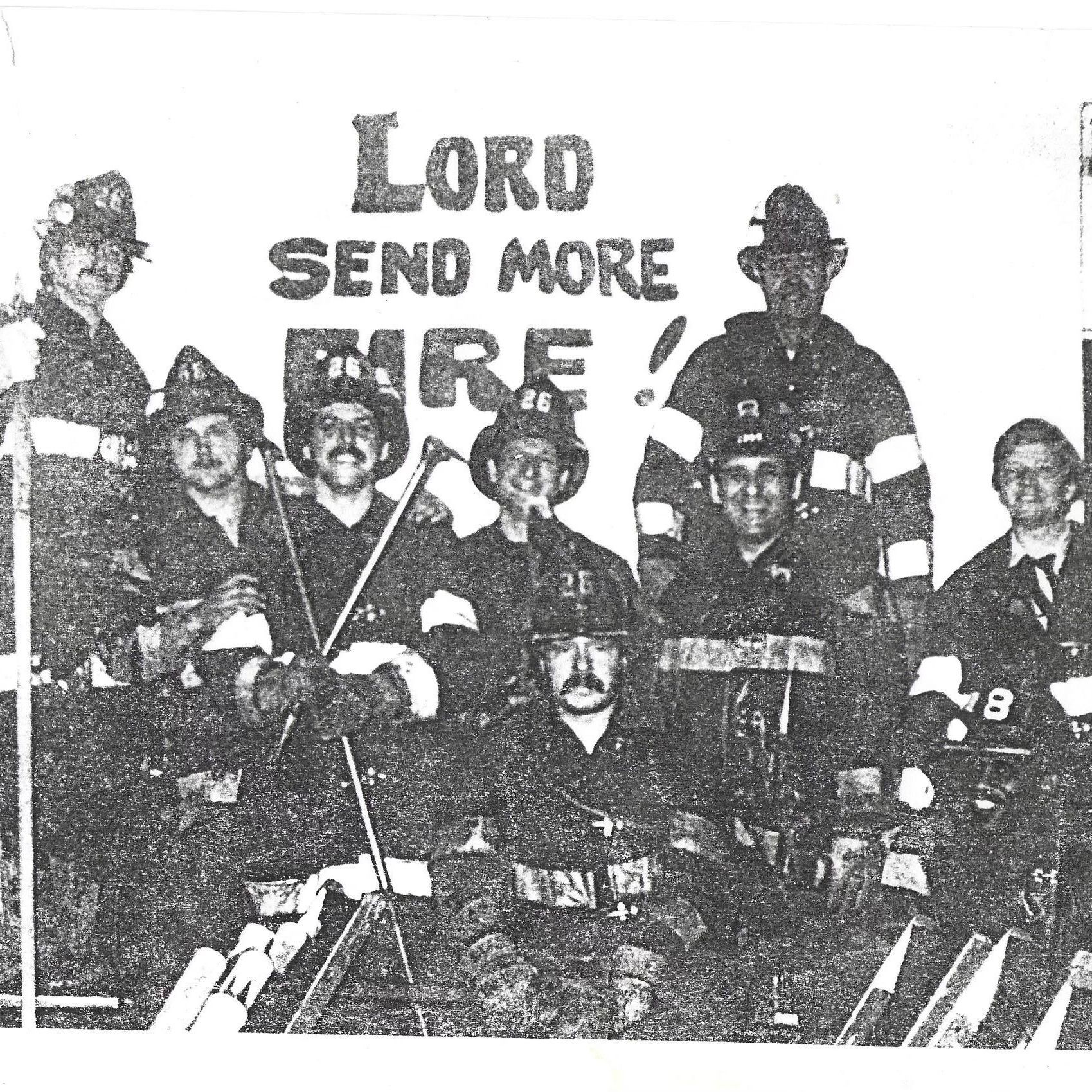
Steve-O: All right, welcome back everybody. I had the privilege to sit down with the old salty dog today. Michael Panchetta, he was FDNY, retired in 1991, so he started his career in 1963 as a volley with Alert Fire Department in Great Neck, New York. November 1969, he was appointed to Proby School. January 1970, assigned to engine ninety one. A year later, 1970, I'm sorry, 1970, 1971, a year later, he transferred the ladder or truck 26 2. Three years later, that truck was disbanded and he went to engine 54. 1975 transferred back to the original ladder 26, truck 26, and retired. This is a key, retired as a back step fireman in 1991 from the FDNY. So thank you, sir. Our privilege, our honor to have you on the episode. Thank you so much for taking time out of your morning. Is there anything I butchered or is there anything you'd like to add to your bio, sir? Mike Penchina: No, it sounds good to me. I'm impressed. Steve-O: So with all that said, it is you were in some of the busiest times in the FDNY. And please correct me if I'm wrong. I know the Warriors were basically the late 60s into the 70s. And I've talked to a couple of old timers. I know they carried into the 80s. So just your experience in that era of the fire service, was it Was that the Warriors to start off what? Just to tell the audience, because most of our listeners are West Coast guys. So we love when we get to get the old salty guys, especially from F D MY, on the show, just to spit a little bit of knowledge. So what was what was the culture and what was the atmosphere like in that time in the F D MY in the in literally nineteen seventy? Mike Penchina: It was definitely was the war years. Probably start, I went on at 69, but it probably got, it probably started a little bit before their year or two, before that, because they were, when I went on, they were hiring guys every couple, every two months they were hiring, they had classes of 200. firefighters. So that's why I got lucky because otherwise you get stuck on that list, civil service list for years. But the city was starting to burn and you know, were burning Brooklyn and the Bronx and Manhattan. So they needed more firefighters. So I would say maybe it started 67, 68, somewhere around there when the war started, let's say. Steve-O: Holy cow. Mike Penchina: reached its peak through the 70s when it was nuts. was, for lack of a better word, it was great if you like to go to fires. And then in the 80s, was still lots of fires, but they started tapering off because I think there was probably not too much left to burn or we were starting to figure out that a lot of this stuff wasn't doing anybody any good. So that's what, that's the warriors, my interpretation of the warriors. Steve-O: am so jealous to start with. But so nineteen sixty nine, you were just talking real quick, you were saying they were hiring classes of two to five hundred guys. How long was Pro B school at that time when you went through? Mike Penchina: Oh, I think it was just six weeks. Each class was 200. There were 200 in the class. But it was, we were one, two, three, I think it was six weeks. It was more than, it could have been more than eight weeks because, you know, they run the tour, they teach us all the basics, you know, everything. Engine work, truck work. first aid, knots, know, everything that you're required to do in the job. And they even told us what you're learning here is just the basics. You learn everything when once you get assigned to a company, you learn the rest. That's still the way you're gonna really learn is going to work at the fire ground. Yeah, and in those days you learn right away. Couple weeks you know what you were pretty good. You experienced already, so it was it was hectic. Steve-O: that was I I'll tell you what, it's it's it's good because exactly what you said is something that we I know you retired in nineteen ninety-one, so it is how many years later we are still kind of going through the same heartache when we we're hiring across the American fire service right now a lot. because there's there's a lot of attrition, there's more jobs than there ever was, and there's a lot of people that don't want to do this job anymore, unfortunately. You hit the nail on the head. It's like the academy or the proby school, man, you're touching the basics and we tell guys, hey, you're gonna learn just enough to get yourself in trouble. You're really gonna learn a job like what Mike was saying, when you get to the truck, get to the wagon, get to the engine, get underneath that suppression officer and that senior fireman and actually learn a job. We have guys today for some reason, granted, rookie school, proby school, the academy, whatever you call it in our region, our area right now is fourteen to sixteen weeks, and that's still not enough time. Just to be honest. But guys are expecting kids to come out of the academy and they're dialed. Like they're twenty year guys. But my kid on the head, you don't learn the job till you actually start doing it. and that was in the seventies and we're having the same issue in twenty twenty-six now. So it's we we talk about it's that ever flow of the fire service. So Mike, I saw you got assigned to engine, engine ninety one, nineteen seventy, and then a year later you went right to ladder. So is that something you really wanted to do like from the get go? You're like, hey man, from probio school on. it'd be a truck ladder guy, or was that just a spot open and you fell in love with it, if you don't mind kind of going down your journey of engineer ladder? Mike Penchina: Though I always wanted to go to Atlanta. think was my goal. a lot of these guys in my pro-reclass, they had connections. Well, they didn't come around anyway and ask you where you wanted to work. You just go to sleep at night and say, wow, I hope I get to sign to a truck. Steve-O: Yeah. Mike Penchina: But a lot of those guys, turns out later on, became heavy hitters in the fight department. I don't know, when you're in pro-release, everybody's the same. so maybe a lot of them did have their connections, so they went to ladder companies right away. You know, lot of them went to Engines because maybe their fathers worked there or their uncles, stuff like that. But I always wanted to be in the truck. just before I forget, from my probing class, there were two guys from my probing class became fire commissioners. So, yeah. Steve-O: you had at least two really big heavy hitters in your academy class. You were saying that like, hey, a lot of guys in your proby or your proby class had connections. Did you have anybody on the job, any family members, cousins, uncles, anything like that at the time, or or was it just you and you're like you said, you're just hoping for you're just hoping for a good assignment? Mike Penchina: No. I didn't know, I was just a green kid from, you know, over island and I really, I didn't know anybody and a lot of these guys had relatives so on the jobs, so they knew every, you know, what to expect, what not to expect. I had only known a little bit because there was a guy in my valley, a fire department who was New York at the NY Firefighter and prior to being here in the Proficance, we'd go and visit him and hang out there for a few hours every night. And he was at a ladder company and I said, you know, I always liked the truck work. You know, I knew, I knew from the valleys the difference between the, I mean, the engines are the ones that are putting the fires out. And when I was in the valleys, you know, you'd get the line more often and you'd be to put out lot of fires because, you know, you gotta be aggressive Sometimes you gotta fight just to get the nozzle. But once you get on a job in the city, you're not getting a nozzle unless you're the senior man. And in those days, it was tough. If you're a junior man, you're not getting a nozzle. The only time they give you the nozzles when you're overhauling and they let you, you know, good, you wash it down. The other guys around the hallway, they're taking a break. smoke in it. I couldn't understand how they could do it. You know, you just got to, you know. Steve-O: Freaking while you're cooling everything down. Mike Penchina: breathing all that smoke in and then they got all smoking cigarettes. It's crazy. But to this day, I still don't know how they did it. Steve-O: That's that's crazy. So in in the system that I work in right now, the probies, I shouldn't yeah, the booters we call them, so probationary firemen after they get out of the academy, they if they're on their engine rotation because they do two engine rotations and one ladder rotation the department I work for, and then they get assigned as a as a rover in one of those houses. And but with all that said, we and it's funny because it's the opposite. We put the newest guy on the knob, which never made sense to me because they really don't know what they're doing. They don't know what they're seeing. they're following orders, if you're lucky, telling them to open the bail, not to shut it off, move through, push, whatever the case might be. But I've said it from the beginning, like our brand new guys, they should be backing up the Nozzleman, and the Nozzleman's literally educating them on the job in that field classroom as he's knocking down fire, progressing, you know, kind of talking through the motions. because we have the manpower you guys did too. but it I would prefer how you guys ran it where then it's it's a fight for the knob and the senior man's got it. it's and you're you're lucky if you get it because that's one of those prime spots. So you started on the engine. I know you wanted to be on the ladder. You got assigned a year later to ladder twenty six two, spent three years there and then disbanded it. So what was what's the story behind that? Was that part of when the city was broke? Because I know it At some point and I'm not sure if you worked during that time, they were doing layoffs. Was that part of your era in the F DMY, sir? Mike Penchina: I think it was about 74, 75. They had a money problems in the city. So they started closing down. See like 262, that was what was referred to as second section. And there was a lot of companies like that to run the job. The Bronx they had a few ladder trucks which had two sections and a bunch of engines with two sections had that in Brooklyn a lot of two-section engines. So Actually in 91 had two sections also It's coming back 91 91 to so I went to 91 which was there, you know forever whenever they formed the companies. And then 91.2 came in when started getting very busy. And the reason that they had the two sections like that for Los Garmes because you know, you go out to one fire and then five minutes later there would be another job and they just didn't have all these companies nearby. So they made these second sections and... Steve-O: With the with those second sections, would they trade calls as they came in? So first call ninety one got it, second call ninety one two got it. If it was a job in your due though, your first due, did you both go? Or did they have to split that and keep one in the house? Mike Penchina: Yeah. Yes, Howard Reck. Every night, every night, were either, say 26 or 91 two, you'd be first up. So every box came in and you would go out, the engine or the truck that was first up would go out. And then, they would be the first to do companies. Then if there was another box came in, then the second up would go out. So it would be 91.2 would go out and in this case, know, 262 would go out. And those days when it was busy like that, the boxes would come in one right after the other. So you would go out, let's say the first section would go out on a run because they were first due. And then five minutes later, around the corner, the box get blown. So the other company would go out. Except if there was first do, if it was first do engine or first do truck, both companies would go out. Am I clear? Does it make sense that they would both? Steve-O: No, it does. So yeah, yeah, first in the you dump the house, everybody goes, everything else you would trade and it was just there's so many fires no one cared, right? Where they're like, Hey, he's got a job, but five minutes later we're gonna be running a job, it's probably gonna be better or bigger. Mike Penchina: and we'll But in the way New York is set up is, and it's probably like that out here too. Well, we'll get to that later. But in the case of the truck, first two truck has a different assignment than second two truck. Okay, so the first two truck, first engine, of course, both go to the fire floor. Okay, so if your second do, you go to the floor above the engine case, the second line probably goes to the five floor also. And then the third line goes to the floor above. I I believe that's how it goes with engine work, truck work. You know, I know how that, that that's how that goes. So you, but when you went out, both, both trucks went out. truck who was first up that night takes a position five floor, then the second truck goes to the floor above. the following night, now you reverse rolls, so now you're going to the five floor. But you see. We were a well-oiled machine at that time. We knew just what to do, when to do it, how to do it. And it worked great. And I would imagine it worked like that in Brooklyn and in the Bronx too, the same way we're all those companies. But getting back to 1975, so they disbanded all those second sections. Steve-O: all of okay. Mike Penchina: they disbanded them all because they needed money. So that's why, again, I didn't know anybody so I can sit down to 54 Ranjin. All the other guys went to truck companies. know, had two companies in those days, all had 25 men. I don't know. Okay, all those companies. Steve-O: were you running six or five on that ladder at the time during those Mike Penchina: At one point it was six. would have six men plus an officer. you... Yes. Yeah. So, all right. Steve-O: Six six men plus an officer. Whew. Wow, okay. You got you got areas in the country, they don't get that staffing on a full working assignment. You know, here we do, but there's some areas of the country, Mississippi, for example, you're lucky to get seven guys out of seven pieces of apparatus that show up. That's amazing. Mike Penchina: I go. So, you gotta remember. one law assignment is more than you get with the entire department. So that's, see, I hang out a lot here with these guys from Goodyear and we go over. Steve-O: That's a Mike Penchina: a lot of these things together and you know we joke about it but I still can't wrap my head around it they can't either. You know like I said we have six men and a truck busting officer. You don't get that in the whole fire department showed up and that's just the one truck. In New York City when they fill out a box that's three engines and two trucks. Okay so there's five companies assigned to the box. So. Steve-O: You get a do you get a heavy rescue on of when they fill the box or just a first alarm from there? Mike Penchina: No, no, no, no rescue. The rescue may, I think the rescue signed automatically maybe, automatically on the third alarm or second alarm, unless they're special called. There's certain areas, see the rescue like, we would run in on rescue three all the time. know, rescue three was Manhattan and the Bronx. Steve-O: Mm-hmm. Mike Penchina: If the fire was somewhere in their response area, then they would go on the box. But if it was not in their response area, they wouldn't go until maybe the second alarm was transmitted or the dispatcher sent them. You know, the chief required them or the dispatcher would send, instead of another truck coming, he'd maybe send rescue. Steve-O: How was that relationship between, especially you being a truck guy and the rescue? Because I know there's there's always I I hate to say it, but there's no other way for me to use my verbiage except for the way I know like the big dick competition. So you got the ladder company, the truck company, and the heavy rescue. And both you guys are like, we're the freaking best, or we do the best job on the fire ground. And again, I I love both assignments. I've had the privilege to work on both trucks. In that time, was there a lot of competition between Ladder truck companies and rescues and squads, or did you guys work pretty well together? Mike Penchina: No, I was in Manhattan. So the northern end of Manhattan is covered by Rescue 3 and the southern end of Manhattan, like below 96th Street. see. I don't know if you understand the, know, the graphic there. So below 96, that's Rescue 1's response area. So, We got along famously with Rescue 3 because a lot of those guys, Rescue 3 was more like a ghetto rescue because they did Manhattan and the Bronx. And they were rescued too in Brooklyn. And Rescue 1, because it's midtown, even to this day, they probably still think they're... Steve-O: They're the prima donnas. Mike Penchina: Yeah, to catch me out. know, because let's face it, wherever they go in Midtown, there's going to be 10 million people there with cameras. you know, everything's in Midtown. So anything that happens, well, they all, they sometimes they get some pretty spectacular stuff down there, you know, like the subway works and all the high rise buildings in Manhattan. Steve-O: Yeah Mike Penchina: And so they get a lot of that type of work. And again, because it's a midtown, they would strut around because everybody's taking their pictures and stuff like that. But firefighting, we're all the same. We do the same work. But anyway, getting back to the rivalry with Rescue 3 was never a problem. I shouldn't say they know their place. You got to remember, if they're coming in where we worked, they're coming in almost to do truck work. And in which case, that would mean, because we had mostly tenement fires. Steve-O: Mm-hmm. Mike Penchina: And so they would right away go right to the roof and help us open up the roof. But you got to remember, we were ready there five minutes before they get there, 10 minutes. So we would have the roof open and they would come strolling up to the roof. And we'd get around with them and say, take up, rescue, take up, take up means. Steve-O: Yeah, five five five minutes too late, boys, right? It's the good thing is in nineteen seventy and and twenty twenty six it hasn't fucking changed, boss. So it's it's that's that healthy competition is so good and we s I still enjoy, you know, rubbing into somebody that either you beat in their first do or you get the hole or whatever, be like, boys, what took so long, right? We hey, don't worry about it. You can just clean up our mess. We're good. You know Mike Penchina: Yeah, yeah. Exactly. You know, we'd kid around with them a lot. But you see, also, Rescue Three, the captain from Rescue Three happened to be an officer and he was a lieutenant in 26th Struck. So, we know him. He knew us. A lot of the guys from 26th You know, the more senior guys wanted to work at Rescue for whatever reason, you know, maybe to say they worked at Rescue 3, so they were up there. And we all knew one another. It was great. But with Rescue, there were some jobs when in the different response area of ours, when Rescue 1 would show up. what could they do? They can't open up the roof anymore than we did. You know, they would come up and, See rescue to Brooklyn. They would try and take the line. from the engine guys over there. So there'd be big fights about taking the line. I know that, you I knew guys in rescue too also, and they would fight to get the line, but rescue one, and never would pull that crap with the engine companies there. it's always good rivalry, you know, what can I tell you? You after you do 20 years, you get to know all these guys. And as a matter of fact, one of our lieutenants became the captain of Rescue Two. Ray Downey, he happened to be, then he went from Rescue Two to Chief of Rescue Services. Consequently, he died in 9-11. So we had a lot of guys that had gone down to rescue too, for whatever reason. Maybe they thought it was more glamorous, but turns out we did more fire duties than them. And that's the reason why I didn't go to work there. Steve-O: did how did that transition work for you then when they disbanded your ladder truck and did you get a did you get an option to go like at least put papers in somewhere or they said, Hey man, you're going engine fifty four and then and then how did how was that transition going from the ladder or the truck back to the engine Mike Penchina: it was terrible. like I say, the word was out there. We'd be disbanded on a Wednesday. And then the department orders would come down. And it had the list of everybody's name and where they were going. So there I was. Everybody else went to truck. And I went to the engine. I knew 54 because they're midtown. They're in the same quarters as the latter four, which is, you know, that's Times Square. So if you're going to be at any midtown, mean, that's a great company because you know, you're riding Times Square, it's really cool. So I knew I was going to 54 and it was in with the truck. So it wasn't that bad. It was around December though. I never forget it was around Christmas time and you know in the beginning it was it was kind of cool because you You know you go out on runs and people would be taking pictures of you and you know tourists and But you had to behave yourself you couldn't do stuff like we used to do and you you know You know, you had to be more careful you're going and especially the five, but I didn't go to that many calls. And then if there was a detail, if one company is short handed, you'd get detailed. So if the truck needed a guy, I would volunteer to work in the truck that night, because the engine guys didn't want to work in the the the truck. So I would Steve-O: That's it's still like it's still like that today. You got guys that are specifically trucks, some guys engine and then the other guys will swing, but I I believe a lot of engine guys are like, man, no, I don't wanna do the truck, I don't wanna do a ladder, you know, I'd rather stay on the wagon. Mike Penchina: Yeah. Right. Well, because the truck was, you know, there's certain jobs that if you don't do them, a guy from the engine certainly doesn't know how to do the job. So, you know, you take a young kid from the engine and he's in a truck that night and they tell him you're on forcible entry. He doesn't have a forcible door. Tell us he know how to force the door. Maybe they showed it to him during probably school. So he doesn't know that. I don't blame him for not wanting to go to the drug. And then suppose he's, well, they wouldn't assign him, God forbid they assign him to the roof, then he's got to go up to the roof. He don't know what to do when he gets it. First of all, doesn't know how to even get up to the roof. So then let him go up there and ventilate. it's kind of, it's tricky when he came to that. As matter of fact, the original captain from Ladder 26 was John O'Regan. don't know. Do you guys ever hear of Ladder 3? Latestry was the training bulletin for tenement fires they still use it to this day. It signs each guy to a position and what to do and what not to do. we would go by that. Well, that was John O'Regan. He wrote it. He was the captain of 26 truck. Well, if some kid from the engine, if they would swap a tour one night, you you work for me, I'll work for you. And the captain was working and a kid from the engine was coming over to the truck. The captain would say, you go back to the engine. He wouldn't take a guy from the engine and if he needed somebody to call a guy in from home, one of his guys and make him work. I mean, he was a little paranoid when it came to that stuff. But it was fun. was all good. Steve-O: That's that's amazing. So how long were you on engine fifty four till it was so it was less than a year till you were able to transfer back to twenty six, right? Mike Penchina: I lost him. Maybe six, seven months I was, because there was a chief there. That particular house had a chief in quarters. Well, that chief that was in quarters, he was in my groups when I worked. He had been the captain of 31 Trump, which is in the Bronx, which is one of the busiest companies also in the job at that time. And he knew exactly why I couldn't stand it down there. I said, chief, you gotta get me out of here. He said, could do, I'll do what I could do. he knew my attitude, so he was good like that. He knew I didn't wanna be there. And you know, I just did my job. First of all, I wanted to be uptown with all the action was. Steve-O: Help me. Help me chief. Mike Penchina: It was hard even working down there because you couldn't go to work. couldn't drive your car to work because there's no place to park. only time you could really drive your car was on weekends. You could park. So I had to commute to go to work there. You know, a lot of other things. just didn't like, you know, lot of the calls they went on were nonsense calls. And I don't like that kind of stuff. So, but turns out... My father had a business uptown sort of like home goods. one day woman comes in shopping, because it was a whole stable business and she's shopping in the store and everything. They get to talking. Turns out that she was the assistant fire commissioner. You know, my father mentioned, hey, my son is a fireman and on and on. So she says, well, he ever needs anything, let him contact me. So my father tells me the story. So sure enough, I contacted her. Contacted those things. I don't remember if I called her or how I got word to her, I says. Steve-O: Yeah. Mike Penchina: I really want to go to, I want to go back to 26 truck. She says, you know, I could, I could put you in any company and the whole entire job right now. And you really want to go back, back to 26. So I said, yeah, okay. Cause she thought I was nuts. know, she, she, you know, she would have transferred me like, but I'd be two miles from my house. So I said, no. Steve-O: Mm-hmm. Mike Penchina: I want to go back to 26. So sure enough, following week on the orders, being on back to 26. And that was the end of my stint downtown. in those days, you can thank, you can't do it anymore, but you know, I went out and bought a, she was Irish. So I bought a big bottle of Irish whiskey, went down to headquarters, walked into the office, called the commission to solve this. I walked in, put it on the desk and walked out, you know, but you can't do that anymore. you got arrested. But now it's fun. Steve-O: Yeah. no he'd be like, Hey, thank you very much. So s seventy five you go back to the ladder and you spend your entire career backstep on the ladder, correct? From there on out. Mike Penchina: Well, you could call it back step, but I was after a while I became the chauffeur, know, chauffeur's driver because I really didn't want to be. just wanted to, you know, do all the other jobs. But the captain came to me and said, look, so and so is retiring. You're next in line because it goes by senior. You're next in line. the other next to the line for the seat, that's how it was called. And I said, I really don't wanna drive. He goes, if you don't take it, I'm gonna give it a so and so. And I said, oh, shit, there's no way in hell am I gonna let him drive. So I said, all right, I'll have to take it. Steve-O: Yeah. Mike Penchina: because that one particular guy, know, he was just, he was there because he was there. He, you know, and I said, no, I'm not gonna let him drive. So I took over and I drove maybe the last five years, I would think. I was the chauffeur. It could be, which was okay, I guess, you know. Steve-O: I got I got a couple pictures. Before we kinda get into the stories of some of these pictures though, what was your I kind of feel like I know chauffeur's not the answer, just kinda how you responded to what was your favorite position on the ladder or on the truck when you were assigned there? what was what was the spot that I don't know if you guys did seat assignments, if it was just by seniority, but what was your favorite position when you're on that truck? Mike Penchina: the best position as far as I go is the can man. Because no matter what you're going to, you're the first one in the door. The first one, if it's food on the stove, matches fire or the place is fully involved. Steve-O: Mm. Okay. Mike Penchina: you, you, the can man, the irons man, and the officer are the ones first enter that apartment. You're right there. So the can was the best because you get to use the can, you know, and then, mean, of course, if the place was ruined, there's not much you could do. Just spray around the doorframe and keep the fire from going out in the hall until the engine got water. But once you went into the apartment, there was a mattress fire. You know what? That's going to get first water on that fire, on the mattress. And lot of times, there's someone laying in there. So you spray the water, and you drag the guy out of the hallway. or the kitchen or whatever it is. So I used to love the can, but after a while, you know, when I start getting older, it starts getting heavier and heavier and heavier. know, it's two and a half gallons of water you're carrying with you. then sometimes you wore a mask on your back. Sometimes you didn't. so, all right, take the irons and then force the door. And again, you know, when you're forced to do, you're also the first one down the hallway. So it was good. And then from there, I used to like the outside vent, the tiller man. Originally it was a tiller rig. So we had to someone drive the back. They used to love that too. That was a great position. Steve-O: Yeah, I I always said we unfortunately in my department we don't have tiller trucks. I wish we did. I always said if we had a tiller, I would kinda go in through the ranks already, I would promote to tillermen and I would stop. And I would never leave that seat because my opinion, I I think that's the best spot in the fire service, especially in today's fire service with l a lot less staffing than you guys had back in the day and what they're running now. it's I feel like it's the best of both worlds because you get that initial action and adrenaline, you know, dump right from the get go. And then as soon as you pull on scene, you're still you're still going to work. You're you're still actively working. So that's freaking you can tell you're a real fireman because immediately you're like, yeah the can. The can was the best spot or the irons. I'm like, yes and yes. So it's like you kinda gauge on on how much they love the job but from there. So there's there's a couple there's a couple pictures you shared with me that I really wanna Mike Penchina: Yeah. Steve-O: I wanna talk about real quick and the guys that can see they'll look at it. And I'll try to explain for the ones that don't. So right where my cursor is, it looks like a a news article. It says daily news. That's you because I I see your nose all day long, right, boss? and you you gotta grab right here. And it says if I if I read that correctly, a young life saved. So if you don't mind kind of marching out that call right here, what kind of fire was it? Do you remember it? Was were you on the ladder that day on the engine? Mike Penchina: Okay. Steve-O: Can I give a recap to the audience on this grab right here, boss? Mike Penchina: Okay, funny that you should show that pictures right after you talk about being the Tillaman, okay? okay, I remembered like it was yesterday, but I'll explain the whole thing. I've tried it from beginning to end, I'll make it quick. We pull up to the scene with second-due truck. the first two truckers right in front of the building, we pulled up almost alongside them. I had the tiller that day Again, we're getting back to the tiller seat. When you're in the tiller seat, when you're pulling into the street, you're looking up, you're sizing up the whole situation from that seat before you even get down. So you could see the fire, that particular fire was on the fourth floor. You you see the fire, you see the smoke coming out of the fourth floor. You look around, you see they got the ladder up on the roof, all this kind of stuff. when you, my job, my job when you come down off the tiller, is to come around and ask the chauffeur if he's going to put the ladder up. If he's going to put the ladder up, I have to stay there and help him pull out the stabilizers. If he says no, I'm gone. OK? And he says, no, I'm not putting up the ladder. I'm gone. Now my position, because the fire was in the front of the building, my position. according to Ladis 3, is the front of the fire building along with the shelf. Also, the position is the front of the fire building, but I beat him to the fire escape. And that's my job, is to go up the front of the fire building and ventilate. and they have to ventilate your search. So, they'll come off the rig, I'm coming around the front of the rig, and the guy comes out, I'm carrying a kid. was the chief saying, carrying a kid, and he says, there's another kid up there. Says it to me. And I go, to climb up to fire escape, the drop ladder is already down. And I go up the ladder of the fire escape. I'm going up the fire escape. And he says, you know, the kid's in that room. And now the smoke is billowing out of his room. And I didn't have a mask on or anything like that. I says, well, I got to go in and get this kid. And I'm thinking to myself. How am going to do this? And I looked down in the street and the chief, the chief is down there and I knew the chief was O'Regan. He was our old, our ex-captain. And he was the one that wrote letters to me and he was one of his old, he had a chest full of letters too. And I'm thinking, well, if I don't go in there window, I'll live at the end of this one, you know, probably get fired. So smokers, I mean, this is all taking milliseconds. OK. I got the tools with me and I dropped it. I dropped the tools on the through the window. reach in and drop the tools on the floor. I climbed through the window, shine my flashlight and. I see this little reflection in the corner of the room. It was the kid's arm. I crawled in there, grabbed the kid, the dresser had fallen on top of him. And I just, you know, again, it ticks. I took them and grabbed them. don't even know how I got the dress. Maybe I pulled them out from under the dress or flipped it up. You know, I grabbed them back out through the window down the fire escape. And then you see me, that picture shows me carrying a kid. I was going to a, looking around for the, you know, the ambulance wasn't there yet. None of that stuff was there. And there was a cop car right there. I'm on, I'm looking around, I saw the cop car and I went over to the cop car and he said, we go to the hospital, which is right up the road. St. Luke's Hospital. A good hospital, by the way. I get in the back seat and we run away to hospital and the cop car gets a flat tire and it can go. It was all the way to the hospital with a flat tire. It was funny. I said, why don't you radio ahead and tell them that we're coming in to the loading dock. And sure enough, I don't think he radioed ahead or whatever, but when we pulled into the loading dock, they were all out there. And they gave the, you know. get to the nurses and he says, let's go back to the fire. My tools are up there. I gotta go get my tools otherwise I'm gonna get in trouble. So he drives it. We drive back to the fire, drive back with the flat tire and we, you know, it's maybe 15 minutes we expire, you know, We get back up there and I go up, you know, now I go up the interior stairs to go get my gear. And the lieutenant, by the way, happened to be rayed down that day. So he says to me, well, where the fuck you been? I've been looking. Yeah, I've been looking a lot with him. I said, you know, said long story, Lou, I'll tell you about it later. Steve-O: Mm, wow. Okay. Mike Penchina: So it was funny and yeah that was was all on a night's wreck that's you know that's what we do. Steve-O: my god, I was gonna ask you prior to that that last little part, I'm like, did anybody even know you were gone? Like you come back and but it's like like where the hell were ya? Like we've been looking for ya Mike Penchina: And he said, where you been? I said, no, you're not going to believe this. So it was good. And then he wrote me up, so I got a medal from that. Steve-O: Yeah. Okay. That's that's an ama we do what year was that? Do you remember boss? Mike Penchina: I think it was 1974, something like that, 74, 75, long time ago. Steve-O: Okay. want to show another picture real quick. I'll get back to this screen sharing here. just because what Mike was saying before, like it's the the fire service never changes. These guys were in the warriors, so they had plenty of fire duty, but he sends me this picture, right? So Mike, can you see that? Alright, so for the guys that can't watch right now, it's the crew picture. The way we say, hey man, take the picture. Mike Penchina: Yes, sir. Steve-O: And this big freaking sign behind them says Lord Send More Fire. Exclamation mark. So the boys have never changed. We do the same thing now, and I freaking love that. It's it is an insatiable appetite where you run three, four, five, six workers in a shift. It's never enough. You're like, hey, I hope we get number eight. I hope I hope we get number nine. You know, or all the way down to you're not running anything, you're just hoping for one. but it it's it's Mike Penchina: Yeah. Steve-O: What I'm trying to drive home is from the seventies to you know twenty twenty six now, it's still the same. It's still the same dudes. Like this is how awesome this job is. But I love the fact that you have a crew picture in front of a huge billboard. Where where is that? Is that like something that spray painted or was that a sign you guys made? What what was that? Mike Penchina: No, that was, believe it or not, that was in a church. We had a job in that church. know, once we put it out, you know, you hang around waiting to go home. And we saw that painted on the wall of the church. I never, you know, again, I should have done research into why would they Steve-O: Yeah. Mike Penchina: Why would Lord set more fire? does that mean? But it was in a, you know, a black church in Harlem. and then we all, if you could see the, you know, by the front pieces is the ladder company engine company in there. And we all paused by that picture. And it was great. And again, it was Steve-O: Sure, again, just so you see he's talking about the front, right? So you see the twenty sixes on the lids. Is this a is this a eight or a rescue on the Mike Penchina: Yeah, right. Okay, one, two, three, four, five, see there's six, six guys with 26. One, two, three, four, five, six, so it was in the 70s. The eights were an engine from, the eights from an engine from Midtown because 58 Engine that night was, see that's a whole topic we haven't discussed yet. Steve-O: You got a couple of eights in there, it looks like, right? Mike Penchina: After the companies did so many runs, they would swap them out. They would send them to a slower area and the slow engine would come back up to Harlem. An eight engine was downtown in a Times Square area. And they would come up and 58 would go back downtown. and give them the rest of the night, supposedly the rest of the night off, you know, so they wouldn't be doing so many runs. But so 8 Engine came up and was running that. So that's the reason for 8 Engine. But see, in those days, it was crazy busy. would do that with us too, the truck. If we did so many runs or 70 jobs. They said they would send us downtown and then send the slower company back up to Harlem. Most of the time, those slower companies didn't want to be up there. They hated it. I was very friendly with one of the dispatchers who always worked in our group. I would just call him up. name was Herbie Iser. I don't know if you know that name. It's out there. He'd look it up one of these days. Herbert, we gotta go back uptown. we hang around in a slow firehouse and all of a sudden they get a job uptown. the next day, know, the 26th you have a special call to respond to the fire. We go all the way back uptown again. We go to work. And that's what we used to do. But that went on throughout the city. They'd swap the busy companies out for the rest of the night. Steve-O: Okay, I Yeah, so I I I love I love the stories and everything else. So you stayed that you did your entire career. So you were right around what, 21 years when you retired, Mike? So it sounds like you had an amazing career, so why do you why do you stop at twenty? Why not I mean I know some guys that man, they do like forty-five or something crazy where they're working probably yesterday for you at that point, you know? Mike Penchina: Yeah. Yeah. Well, there's a couple of reasons. One reason was I had my wife wasn't happy and my mother and my mother-in-law about me going on the job to begin with. So, oh yeah. So, you know, I promised him at the time, well, I could retire after 20 years. So. Steve-O: Really? Mm, okay. Mike Penchina: one promise I made. But then the second one was that I hurt my back a million times and I was getting hernias constantly. I had a good friend in the medical office or something. said, you know, after 20 years, you should put in for disability. You might get it. so that's another reason. So I got, I was able to get a disability and go out on a disability. And Steve-O: Good deal. What'd you do what do you do after then? Mike Penchina: many things, getting back to retiring at 21, looking back now, knowing what I know, I could have stayed on for 20 more years just doing light duty. There's so many great light duty jobs out there. There was a while when... You know after hernia, they don't let you go back for six weeks. So we'd like to reach I was driving the doctor So I would drive the doctor around That's one job you could do forever and you can work at headquarters You know them they have what they call a mask service unit these guys take care of all the masks You know, New York City has they have two trucks that go just filling up the tanks and every fire So I could have been a fire marshal. I turned that down. Like a jerk, was a fire marshal against lieutenant's pay. And you know, I don't have to tell you that that would have been some job. Once you become a fire marshal, when you retire from being a fire marshal, you go to work for an insurance company. But all these things you learn about later on. Looking back, who knows? And then the other side of the coin, if I stayed, I could have been in 9-11. I could have been not even talking here, so. Steve-O: Yeah, I was just saying y that's the the first thing that I thought of. I'm like if you did stay at one of those late duty jobs, you probably would have been right there at the towers at the point. And again, we we would have never talked and conversations, so things work out for a reason, I feel like, sometimes too. But Mike Penchina: Yeah. Yeah. Yeah, of guys that were killed, 9-11, way past their retirement. age and they stayed on and let it get them. Steve-O: Yeah. That's you you you came on in sixty nine and then all the way to the early nineties. When you first came on, because you had you had talked a couple times throughout some of these calls, like that rescue you were talking about, that quick grab of that kid, like, crap, I don't have a mask. Like at what point did they implement masks? When you got on, was there was there a mask on any of the rigs or did that come after you're on a job? Mike Penchina: yeah, we had masks. yeah, we just didn't put them on. no, we had them from day one. Steve-O: you did? Okay, just you just said where. Okay. okay. I was I was thinking you you didn't even have yet and you started transitioning into Mike Penchina: Oh, no, no, no, no. When you come down off the tiller, there's a cabinet. The mask was in the cabinet, one of the cabinets. Each guy has a mask. Even the chauffeur, believe it or not, there's a mask for him. But, you know, certain positions, you just didn't take it. Like the OV. What am I going do with a mask on a fire escape? It's just getting in my way. On the roof, it's the same story. It's just getting in my way. Of course. Steve-O: I gotcha. Mike Penchina: Once you vent the window and the engine's getting water on you gotta climb in and go. But you just have to breathe a little smoke for a little while. But the ions man and the cam man, they might take the mask. Depends if the officer takes it, then you take it. If he gives you a dirty look, okay. You know, if he could do it. When we first, you know, when I was first assigned to the truck and you looked to the lieutenant and I once I go to put on a mask and the lieutenant says, what are doing? I said, put on a mask and put it back. And you had to follow him in there. And boy, those ladies, those guys are hardcore. And you learn that. Take a feed pretty quick. Steve-O: Or you're s I'm assuming your senior firemen and probably your lieutenants at that point, they might have been what, World War Two vets? Mike Penchina: yeah, there were... Two my lieutenants were firefighters in 26th Drunk. So they had been, they were around, I mean these guys, there's no one more experienced than these guys. They had been a million fires. So it was great. I used to love to work with them because you knew, you knew you're never gonna get hurt and you knew you were gonna do it. job the right way it was great working with these guys because you just keep your mouth shut until you work. Steve-O: What was the what was the culture like in F D MY back in the day with those senior guys that were like you said, they're you follow because you know they know exactly what they're doing. Afterwards, was there would they ever grab you and be like, Hey kid, like and kinda kinda coach you up a little bit? Was that their culture or was it okay? Mike Penchina: Yeah. Yeah. No, they would when you get back and you clean all the equipment up and you go into the kitchen. It might have been even if you're walking back, one of the guys would say, why did you do this? And you say, well, he's well, next time you got to do this. And. And okay, you know, he would tell you one of the firemen the officer might say the same thing. I. We're looking so long to to get the window. And I'd say, you know, well, I now I know he was at the front door and he would hit a glass break. He could hit him back with busted. So I had to tell him, well, it took me a little longer to get up to fire escape, as long as you told him what took so long. he was OK, because a lot of times you just don't go in the back of the building and go up to fire escape. Because there's usually all kinds of crap back there. There's flower pots out there. They hang your laundry back there. There's bars on the windows. There's a million things. that's on those fire escapes. So sometimes it takes longer than others. But yeah, and then we'd go in the kitchen and we'd all sit down and we'd talk about it. And what did you do? What did you do? What did you do? What did you do? And do you think we could done it better? And it worked out good because at sometimes as I got older on the job and the younger guys would come toward and they would come over. and say, I did this, did I do the right thing? And I said, well, you should have done this, but whatever you did was okay, but next time do it this way. So it was great that the kids would come over and ask questions like that. And there's three or four guys that come to mind right now, would, they came to the truck and asked me all kinds of questions. All became chiefs. They became chiefs. Steve-O: There you go. Mike Penchina: And I stayed five, five, but it's good. It's all good. Steve-O: You're saying like eve yeah, your proby class, you had, you know, two guys end up becoming fire commissioners. I know my my initial proby class, back east, one of the recruits out there came back to left that department to take a battalion chief job, I think in a smaller department somewhere else. And then she came back as the chief of that department several years later. And I'm going, Man, I was in the academy with them and they're the chief and like I'm a captain. Yeah. So it's like, man, what if man, I've our career paths took definitely d different roads of like, what did I do wrong? kinda, you know, in the in the mix, but Mike Penchina: Yeah. Well, see that's what was happening as time evolved like from when I went on. Vietnam was going on at the time. So a lot of guys that come on the job then were Vietnam vets. But then once Vietnam cooled down, all these guys come on the job were all college kids. Steve-O: Mm. Mike Penchina: And they were, you know, then I think they wanted a requirements, but they had to take a fire science course in college or something. So they're all brainy kids. That's why they all became lieutenants and captains and chiefs, because they're all smart guys. It was crazy. I got a list there. I mean, I know you can't see it that well. Can you see, you can see a little, right? All those things. Steve-O: A little bit, yeah. Mike Penchina: All these names, all these guys, all, all which is, it could be maybe a hundred names on here, from our firehouse, all the from lieutenant all the way up to fire commissioners, all those guys I worked with. So it was crazy. And what was nuts is all those fires that we were going through, they still had time to study. and all got promoted except for me. Steve-O: Did you did you ever take a promotional exam or you you wanted to stay a fireman your entire career? Mike Penchina: I took the test once. I took the test. Of course I failed it because I couldn't study. I'm not a student. And then the next time they had a test, I said, you'd rather take the overtime instead. Like a joke, I took the overtime instead of the test. But had I taken the test. and become a lieutenant, it's automatic, 10, 15 % raise right off the bat. But then you get, once you get promoted, you gotta go get transferred. And so if you're in a busy house and you get promoted, they'd like to put you in a slower house. You know, maybe the reason is maybe teach them, you know, your knowledge, you know, you're going to go to get transferred to a slower area of the city and then, and you, deep, mean, most of these guys who didn't get promoted, they don't want to go down there. They want to come back up and it depends who you knew. But at that time I knew everybody so I could come back up if I wanted to. knew the commissioner, so it was great. That's what it is. And now I look back at, wow, I was retired with Lieutenant Sir Captain's bank. I'd be living like a king, you know? Steve-O: Well you're you're still doing pretty good for sure. fire service, amazing career. I know I've had you on for a little while now, so I want to respect your time also. We didn't get a chance to cover it. So before we kind of get transition to the questions for the end of the episode, we never really covered the why. So you alluded to your wife and your mother-in-law did not want you to be a fireman. Mike Penchina: Yeah. Steve-O: So why? So why did Mike decide, hey, this is what I wanna do for at least the next twenty years of my life? Mike Penchina: It was one of the day of firemen from as far back as I can remember, little kid. I used to hear the fire engine, you know, lived in the suburbs and the fire whistle would go off in the firehouse. there was a call for a fire. And a lot of times when the fire engines would come down the main road past my house, I would run outside and get my bike and chase after them. And so from that little kid to when I was a big kid, that's what I wanted to do. And of course, how many wives and mothers really want their sons or husbands to be a firefighter? In those days, it wasn't that glamorous as it is today. Now they make a big buck, so it's a... 9-11 had a lot of do with it too. You know, we got a lot more respect after 9-11. It's a shame that all those guys had to die just for us to get respect, but it happened. Steve-O: it's unfortunately it's there's so many there's so many positives that came out of the worst event ever in the American Fire, you know, service history. but yeah, it's I think that opened a lot of guys' or the public's eyes to exactly what the American Fire Service does as a whole, and then especially what New York City did that day. So what a again, like I said, amazing career you had. I love the pictures you shared. They're freaking awesome. It's it's I feel like everyone that we've ever had on this show, it's a fifty fifty. They either were like, You Mike, right from a little kid, I've always wanted to do this job, or they they accidentally found it later in life and then figured out this is what they were meant to do in life. And I think that's what's so special about this profession, the traditions that we have, because once the right person finds us, it is it is a true call and it's not a job and it's it's the best thing in the world. And half of that is because of who we get to work with, you know. the guys and gals on the job, the crew and all all the banter that we get to go through. So we talked about the why. We we got a bunch of great stories. New York City is steeped in tradition. you want to be a fireman ever since you were a little kid. You're a volunteer to start your career off. So what is your favorite American fire service tradition, but more importantly why? Why did you love this tradition so much, sir? Mike Penchina: Well, I guess the greatest tradition is the brotherhood. I mean, we do a lot of traveling outside this country, in the country of course, but outside and no matter where you go, no matter where you are in the world, you can always get a cup of coffee. You could get any fire station you go to out of campus in Japan or in Alaska or Germany or any place. You walk in a firehouse and you say, I was a firefighter. Come in and you want a cup of coffee. The first thing they always say is you want a cup of coffee. And you can't find out. I don't think you can find out with any other job. aside from a cup of coffee you could always get a parking space. Steve-O: And that's and that's probably a really big deal in big cities too, not so much in the suburbs. Mike Penchina: were in New Orleans and we were driving around for hours and I finally said to my wife, I hate to do it, but what I'm going to do, we drive up, I park on a ramp. I said, look, I need a parking space. The guy says, put it over there, you know, right in front of my house. And I gave, I said, here's my keys. If you got to move it, move it. I mean, it was mind boggling. So. That's one of the perks of this job. And the brother, as you well know, there's no other brother. And if there is, I'd like to know it. Steve-O: Yeah, and we've we've talked about it on multiple episodes, especially the Brotherhood and and the bond that we all have across the country. It's you know, it's it's absolutely amazing. and like you said, there's there's no other job I know of either. They can literally knock on whatever profession it is and they'll gladly invite you in and then you can start, you know, trading stories and everything else. That's how I got in contact with you because I ran into a couple captains in Goodyear and they're like, Hey, have you ever talked to Mike before? He's the old salty dog from FDMY. I'm like, Tell me more. Mike Penchina: Yeah. Steve-O: Right. And they're yeah, he shows up and we throw him in the back of the Chiefs buggy and we just drive him around, you know, just talk shop and everything else. And I'm like, this is that's amazing. No, I don't. I'm like, please give me your phone number. And then and we started talking from there. I just I love I love that part of the job is is is the brotherhood, like you said, and and the bond that we have. The only the only people I know that's even close is probably the military, but they don't have it for twenty to forty-five freaking years in a row. Don't have that super close bond. time of war, you know, where where they have to. But it's it's that prolonged bond that we have with the boys. It's just it's it's absolutely amazing. And and like you said, there's I l I love being able to talk shop with guys that, you know, back east, middle America, wherever, then they end up somewhere and we just you know, it's there's so many differences between New York City, California, Arizona, wherever you put it, but With all that said, the similarities even outpower that. And most of it is the attitude of the people on the job. from the seventies or late sixties all the way up to right now, yeah, they're different, but it's still it's still the same breed of people. Society has changed, but the breed hasn't changed. And I think that's one of the most amazing things in the world. I I love Brotherhood as a tradition. the last the last portion I want to get to is my favorite question. So You're a backstep guy. We already talked about taking the test. Well, I'm just gonna magically promote you. You are fire commissioner of the world, fire chief of the universe. But you get that one wish, that genie, right? It's instant gratification, zero sweat equity. You get to change something in the American Fire Service and happens right now. What would that be? But more importantly, why? Why are you changing? That's either adding, deleting, what whatever you want to do. It's your it's your show and it happens right now, boss. What would it be? Mike Penchina: Jane? Steve-O: Yeah. Add whatever you want. Mike Penchina: That's a tough question. I've been thinking about that a lot. camaraderie. Yeah, again, the camaraderie and the brotherhood. Let's keep it the same. It probably is the same. I mean, I notice it wherever we go. I can't change. We had discussed this before. I can't change the way things are done because East Coast firefighting is way different than what's going on out here. There's no way you could change it because you can't make it all the same because it's not done. mean, with all these forest fires, wildfires, I'd be like a, you know... Steve-O: a fish out of water, right? Mike Penchina: Yeah, fish out of water. You know, give me a seven-story tenement fire. I know what I'm doing. one of these, right? I mean, I'm a pro. That's what I do. That's what I did. But pull up and fire one of these birch fires, go out of my mind. even, well, the one-story houses that you have out here in the Goodyear and stuff like that. I did that in the valleys. So. You know, I know all about that, but we didn't talk about it, of course, but I sit with Goodyear guys constantly, we talk and talk and talk and talk. And they just can't fight, they can't fight even these one store houseflies like we do back East because there's the manpower. There's just no manpower. And by the time they get the manpower, too late. If the manpower's not there within five minutes, something's gonna happen. So it's tough. I don't know how you could make it all the same. You said you The buildings there are, then you don't have the tenants, you have those row homes, those row frame. So that's a different ball game right there. Florida's the same, know, the same, they have the ghetto areas, but they're also short buildings. California, you know, I drive, know, when you go here, I look at these things and it's different no matter where you go. And this country, Canada is the same stuff. They got different areas. So it's hard. These warehouses. That's the newest thing now, the warehouses now, they're going to be data centers. You notice when they catch fire now, the ones that had it together, they burned down? Million square feet? Sprinklers and everything, they still burn down. right? So why are they putting sprinklers? This might save the pipes, it'll save the water because they're going to burn down anyway. The fire overwhelms the system. So something's wrong. I can't change it, mean, who's gonna listen to me? But. Steve-O: it's a building construction thing. Yeah, I mean, you know because you live out here now, the area that you live in is not old. You know, it's you're talking nineties, early two thousands, it it became in in existence compared to where you came from where buildings are nineteen twenties, eighteen hundreds. It's completely different materials, you know, different build different building codes and they're just getting worse and worse and worse as time's going on where they're doing podiums now, so they Mike Penchina: No. Yeah. Steve-O: Something that would be considered a high rise and have to have those built in protection systems are not in place because they build on two slabs of concrete. It's called a podium and they can use lightweight construction for the rest. So it's a freaking house construction, but it's nine plus stories high and with zero built in system protections. It's crazy. It's just different now. Mike Penchina: Yeah, it's that. And, and evidently, mean, the reason why Goodyear hasn't got Goodyear hasn't turned into Phoenix yet, because it's new, the community is new, but in another 25 years, things are going to be changing on and they're going to be they're going to be running their asses off, putting all these fires out, because all this stuff. and hopefully to get the manpower. But it's not just Goodyear, it's all, most of the country is two or three men on a rig. Steve-O: Yeah. And it's it's funny, I feel like outside of the big cities, that's pretty much a common, you know, we ha we had a guy from Chicago on here and it's they have the same attitude. Chicago has the same mindset as New York City does. We will we will outdo this fire with manpower. We will throw manpower on top of manpower until the fire goes out period the end. We will overwhelm the fire with manpower. We don't have that option. We have a really good system here, but man, you go middle of America, it's non existent. You know, you might have companies Mike Penchina: Yeah. Steve-O: Ten plus minutes from each other. In insane. In today's, you know, modern day lightweight construction, it's gonna be game over for those guys. They can't fight fire the same way they did when you guys did, the sixties and the seventies. And even they still do over there because the the age of the construction's pretty much similar outside of the new new builds. Mike Penchina: Yeah, mean, you know, we have a first alum and now they got all these different signals, but the first alum, you know, high rise, as they call it, 1066, I believe they call it. They can throw 30 companies in there within 20 minutes. You can't get 30 companies here within hours. after the first 10 minutes, you don't even need them anymore. I show them pictures. always bring my pictures down and I show the guys. I show them pictures of a firetip with this five ladders going up. five ladders. You don't have that in between Phoenix and the whole area. There's that five ladder coming. And now they got these, what do call them, quints? Quats? Okay. Once they commit it to an engine, the ladder advisors, what are you going do with the ladder? I tell them. Steve-O: Mm. Yeah, Quince, yeah. Mike Penchina: We discuss it, we don't argue. I just, once you commit that engine, that ladder is useless. Why'd you even buy it? So, you know, they always have an excuse, but. Steve-O: I I agree with you a hundred percent. I know the majority excuse from upper from the uppers is gonna be, you know, ratings when everything has water coming out the door or whatever. And I I get that side. I also came from a system that went to Quints prior to my arrival and then we were transitioned away from them because exactly what you said, realized they were garbage. We're running up and down the street all day, every day and they're breaking because they're ha carrying everything that a freaking truck company has to have and everything that a freaking engine company has to have and they're slow as crap. Yeah, they can't move anything. And then you're right, once once you commit that as a the attack pumper, you just wasted a freaking ladder company and it's not even a very good pumper. So it's it's a what what are we doing? It's like let the engines do engine work, let the truck do truck work. Period the end. We don't we have an abundance of engines. We don't have enough trucks ever. So keep the trucks as trucks. Mike Penchina: With the water. No, well, if they got the trucks they wouldn't have the manpower to use the ladder. So it's a shame, it's a sin, it's a sin. I mean, I'm in Goodyear, you know that. The other day something, they had a call, the ladder was out of commission or whatever. The next truck was to Avondale. By the time Avondale, you don't forget about it. Go home, we don't need you. Steve-O: Mm-hmm. Ten minutes. Yeah. Mike Penchina: So, but we discussed it also. It's again, the manpower they need, even if they put ground ladders up, need two men, two men to put a ground ladder up. You know, yeah, so they don't even have the manpower. So it's, it's and Steve-O: Yeah. It's silly, right. Mike Penchina: There's no way to convince the government to get more manpower because they're not going to do it. So you teach, you got a tough job ahead you, especially trying to convince them to do these things because it's not going to happen. It's a shame. Steve-O: Yeah. So the I mean the the only the only avenue we're pro progressively attacking right now because it's the only option is we need to become as most most efficient on the fire gun as possible. Like exactly what you just said prior to a couple years ago here in the valley, it was a two man to throw a freaking ladder, right? And that's gone now. Single man, twenty fours, twenty eights, all day, every day. And that's what's pushed by us because there is no reason to. It was just something that used to always be done and no one decided to change it. We're not increasing manpower, but we're increasing our call volume. So how do if we're not gonna get more guys, what can we do? We can teach our guys to be able to do more work by themselves is the only answer right now. And that's what myself as a as a fire instructor, that is my ultimate goal for the next fifteen years of tail end of my career, is to make sure that these guys and gals that are entering the fire service now can do more than I ever could by myself initially. because they're gonna have to do more work. The the calls are only gonna increase. Like you're saying, buildings are only getting older and then shoot, add in all this stored, especially in our state in Arizona stored energy and solar panels, right? And yeah, batteries and thermal runaway, we're gonna have more house fires here in the near future than we've ever had just because of all the technology. Yeah. Mike Penchina: Yeah. It's just a matter of We're gonna have a big disaster at one of these data centers. It's just a matter of time. it's not good. It's not good. And again, you're a training officer. You can train, and we discuss this all the time over here. You can train these kids till they're, you know. Steve-O: Hundred percent. Mike Penchina: till the cows come home. You train, train, train, unless you have the experience, unless you do it, all the training is nothing. I mean, you could teach them all day long how to stretch a line, but when you go to a fire and it's smoky and it's hot in there, the whole scenario changes. Wow, this is not what we practiced at fire school, you know? So, and... They had a job here not long ago in the movie theater in town. They threw a ladder up to the roof. The guy climbed the ladder and something happened. He fell down. I mean, they're not used to climbing up these ladders and going on these roofs. And you could drill all the time you want, but... unless you do it over and over and over again. And again, you're constantly switching the guys around. There's six months in an engine, then six months in the truck, then six, one, then they put them in hazmat over here, and then they put them back on the ambulance, and they do six months on the ambulance, and they blow their brains out doing those stupid medical calls all day long. So how are you gonna be a firefighter? You forgot what you did and then, okay, thank God for Goodyear anyway, they get 90 % of garage fires because the stupid garage is the golf carts, right? But eventually, eventually houses, they're gonna get old and they're gonna start getting up and so what can I tell you? Steve-O: Mm-hmm. Yeah. No, and and you and you're right. And that's it's problem of the the system being broken right now. And it's not the guys' fault, it's just the system, ex exactly what you're saying. They don't have enough they don't get enough experience and y you said you could train till you're blue in the face. Training is a hundred percent absolutely n necessary for all aspects of this job, but nothing trumps experience in actually doing the work. Because every single fire and I know Mike knows this, every single fire is never perfect. So you learn something and get better. Every single job. Mike Penchina: Any Thanks. There'll be fire. There'll be fire. Amen. Steve-O: Every fire, yeah. So you get better. And if you don't get enough jobs, it's hard to get better, right? It's hard to get to the point where you're feeling like a proficient fireman. Mike Penchina: You know, fortunately for me, we had so many fires. I learned pretty quick. You know, when in five years, I was pretty damn good. You know, we knew what we were doing. But, Steve-O: Yeah, I heard I heard Old Timer say once, he said that you know, it was you're only as good as your last fire. He goes, the benefit of and he was old timer back east. He's like, our benefit was he's like, if I didn't do good on a job, he's like, I got another one within a couple hours, so it was okay and I could redeem myself. He's like, These kids now they'll they might not do good on a job and they'll get another one for maybe a month, you know? He's like, So they they gotta ride that for a month, or he's like, It's harder for those new guys now. Mike Penchina: Yeah. Yeah, so it's I don't know. I don't know the answer. Steve-O: That's all right. Let's just say protect let's just say protect what we do have and protect that brotherhood. it doesn't become infiltrated by society and what everyone else believes the fire service should be. We know what the fire service should be and needs to be to be able to do our job and and keep our guys coming through and and the future, you know, of of the American Fire Service running. So well with everything, Mike, thank you so much for your time. We really do appreciate it. thank you for sharing your stories and your pictures, it was amazing. Is there anything you want to leave the audience with before we sign off, my brother? Mike Penchina: Nah, I don't think so. They've probably had enough. Steve-O: I I love it when he's like, nah, I'm good, right? Well Mike Penchina: I'll be glad to come out again. We got a lot to talk about. We didn't cover a lot of stuff. Steve-O: Exactly. So get Mike back on the show. we'll we'll tell a bunch more stories and I'm glad you guys listened through. Hopefully you learned something. If you didn't take anything away from this, let me just recap what I took away real quick. The American Fire Service in the freaking late sixties all the way up to today, it's still the same, right? Respect the fact that we have a job that was steeped in tradition and love for the brotherhood. So up to us to maintain that. leave your egos outside the firehouse and it's amazing what sh we can accomplish as a whole. So love you guys for listening. Please stay tuned for the next. Leave a review. It helps drive the podcast. And Mike, thank you so much, my brother. And we'll catch you for part two in the near future. Mike Penchina: Anytime.