
Continuing Studies: Higher Ed Podcasting · Jennifer-Lee Gunson & Neil McPhedran. HigherEdPods.com. Podium Podcast Co.
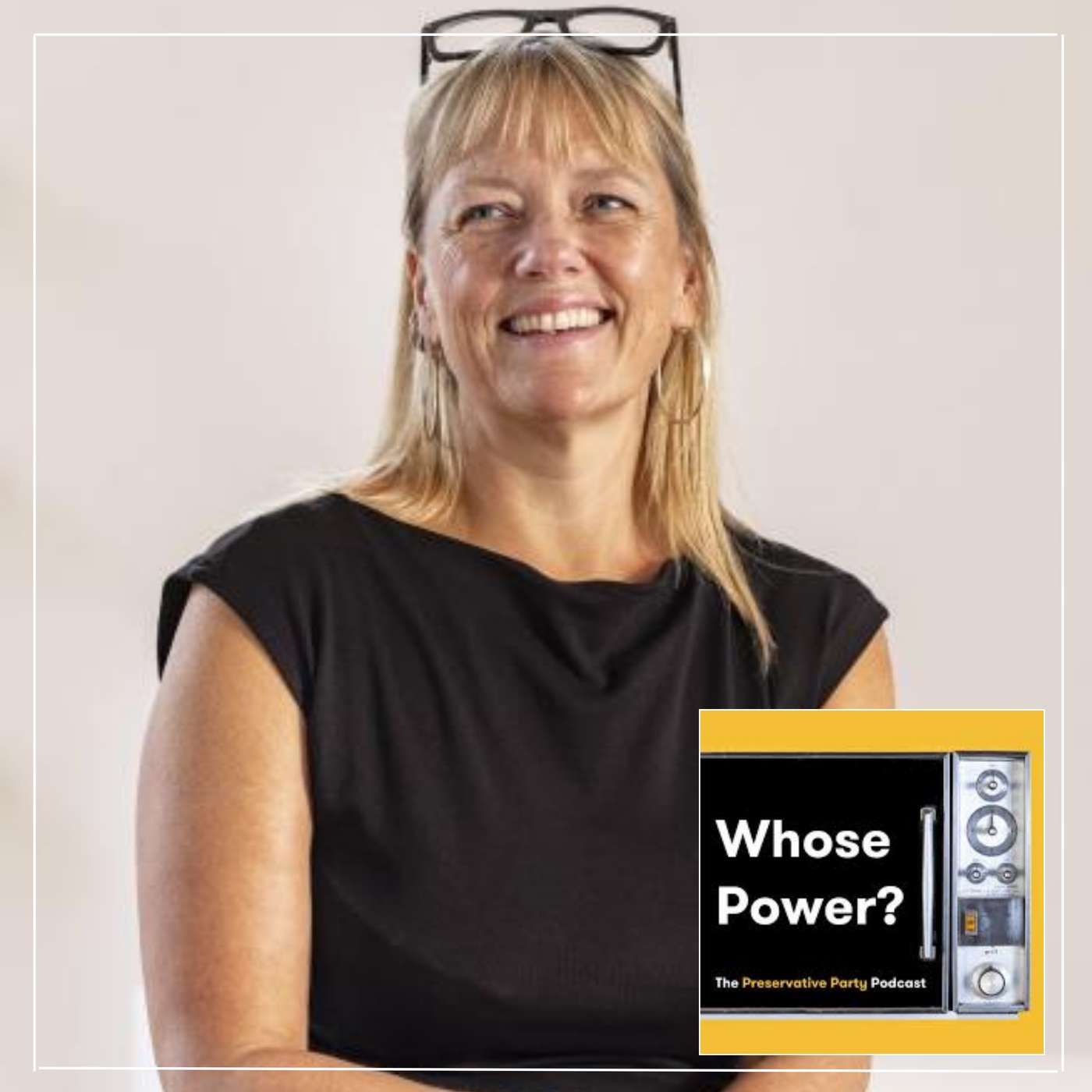
How can podcasting become more than a way to share research—and actually become part of the research itself? In this episode of Continuing Studies, Neil and Jen talk with Abigail Harrison Moore from the University of Leeds about Whose Power, a podcast project created with the Preservative Party, a group of young curators at Leeds City Museum. Abigail shares how the project uses podcasting as a participatory research space—one built around trust, consent, listening, and shared authorship. The conversation explores how podcasting can help break down gatekeeping in museums and academia, why audio can capture things that written research often misses, and what it takes to create a safe space where young people can lead the conversation. Abigail also explains why the project is staying audio-only, how voice, accents, pauses, and emotion became part of the research, and why participatory work requires much more preparation than simply turning on the mics. It’s a thoughtful look at how podcasting can open doors, shift power, and help researchers learn with communities—not just speak about them. Episode Links: Listen to Whose Power? Professor Abigail Harrison Moore Learn more about The Preservative Party Research Podcasts Connect with Us: Share Feedback & Ask Questions: [email protected] Learn More: Continuing Studies Podcast Follow: Continuing Studies LinkedIn Page Join LinkedIn Group: University Podcasters Network Connect w/ Jen: LinkedIn or [email protected] Connect w/ Neil: LinkedIn or [email protected] Twitter: @namcphedran / @podiumpodcastco Youtube HigherEdPods Chapters: (00:00) - Introduction (02:01) - Abigail Harrison Moore and Whose Power (03:04) - The origins of Whose Power (06:14) - Gatekeeping, museums, and youth voice (08:16) - Why podcasting became part of the project (10:00) - Podcasting as participatory research (10:58) - The podcast studio as a participatory space (12:37) - Trust, safety, and preparing the space (14:11) - Accents, pauses, and what audio reveals (15:38) - The emotional work of participatory research (17:05) - Why this project stays audio-only (19:08) - Non-negotiables before recording (21:49) - History, power, and who gets represented (24:18) - Podcasting as a research method (26:31) - What’s next: Research Podcasts and EPOD (27:23) - Conclusion
0:00Abigail Harrison Moore: Participatory research is all about breaking down
0:03barriers and creating research that has the potential to be transformative.
0:07And through this process, we started to think about the podcast as a space.
0:13a space of exploration, a space of discussion, a space where we bring
0:18ourselves into it, and we think together, and we learn from that.
0:22And through that broadcast, we enable others, hopefully, to learn
0:26with us through that process.
0:28So, coming back to this idea of gatekeeping, I think podcasting
0:32offers something really exciting in terms of participatory research
0:36because, again, it can be a, a key to a door that opens you onto the world.
0:42And that's scary, and we have to think a lot about ethics and
0:45trust and consent and editing.
0:48But actually, it does allow you to get out, to tell the world what
0:53you do in these museum spaces.
0:54So I think gatekeeping is a really important word..