
Company of the Cat · Cat...*meow*
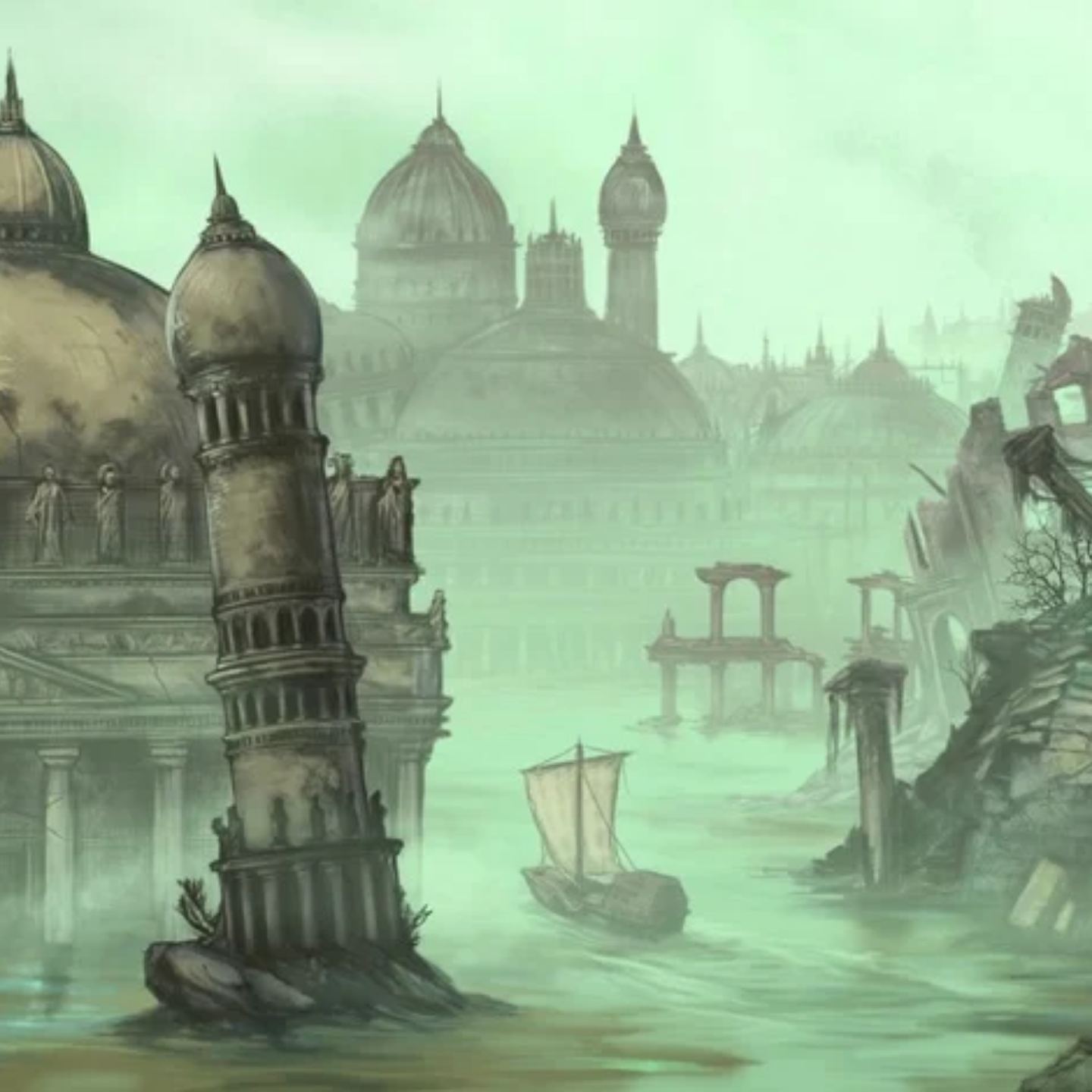
Analysis & Theory about the culture, magic, and mythology, of the Rhoynar, the Wars with Valyria, and GREYSCALE! 00:00 Intro 01:06 The Ancient Rhoynar & their Cities 06:30 Religion and Magic 15:12 Rhoynish Wars & the Valyrian Roads 23:00 Spice Wars 25:13 The Sorrows & Garin’s Curse 37:31 The Shrouded Lord 46:00 Medusa & Gargoyle Parallels 48:34 The Rhoynar in Dorne 50:15 Outro ------------------------------------------------------------------------------------------------------------------------ 📚 Sources 📚 ASoIaF book series, GoT: Histories and Lore & House of the Dragon HBO TV series, The World of Ice and Fire. ----------------------------------------------------------------------------------------------------------------------- 🌐Social Media & Podcast 🌐 Instagram: [Company of the Cat](https://www.instagram.com/company_of_the_cat/) Facebook Page: [Company of the Cat](https://www.facebook.com/profile.php?id=100086601590664) Podcast Feed: [COTC Feed](https://media.rss.com/cotc/feed.xml) ☕ Support the Channel ☕ [Buy Me a Coffee](https://bmc.link/CompotCat) ----------------------------------------------------------------------------------------------------------------------- 🖼️ Art Credits 🖼️ The Palace of Sorrow - by Dimitri Bielak 🎶 Music 🎶 Wonderland by Alexander Nakarada (www.creatorchords.com) Licensed under Creative Commons BY Attribution 4.0 License https://creativecommons.org/licenses/by/4.0/ ------------------------------------------------------------------------------------------------------------------------ #asoiaf #asongoficeandfire #hotd #houseofthedragon 🔍 Keywords 🔍 ASOIAF, asoiaf, theory, theories, analysis, rhoynar, drone, tyrion targaryen, jon connington, greyscale, sorrows, dance with dragons, adwd, got, game of thrones
Intro Welcome or welcome back to the Company of the Cat. Today’s upload is about everyone’s favorite civilization, the Rhoynar. The Rhoynar, along with the Andals and the First Men, are among the three primary ethnic groups to which the people of Westeros trace their lineage. Originating from Rhoyne in Essos, they were known as a society of river-faring people. Following their escape from Essos due to the wars with Valyria, the remaining Rhoynar found a new home in the southern region of Westeros, Dorne. In this video, I will talk about their culture, magic, and mythology, as well as try and place the reason and the time of some major conflicts between them and Valyria and of course, I will talk about greyscale! Before we begin, don't forget to like and subscribe if you enjoy my content. The Ancient Rhoynar & their Cities Unlike the Valyrian Freehold, where the author has given us a vague date for their rise, around 5k years ago; right after the Long Night, we don’t have an exact date for the Rise of the Rhoynar. In-universe sources place it around the same time as the dawn of the Ghiscari Empire. The Ghiscari wars took place again around 5k years ago in the very early days of the freehold and we know that Grazdan established Old Ghis thousands of years before the rise of Valyria, before the Long Night. I am gonna say 8k years ago, give or take, maybe less, maybe more, but I think around 8k is a relatively logical date for both the Rhoynar and the Ghiscari. The Rhoynar were living all around the Rhoyne in city-states along the vast network of the river. The most known cities were Ar Noy, Chroyane, Ghoyan Drohe, Ny Sar, Sar Mell, and Sarhoy. They are described as slender people with smooth olive skin, black hair, and dark eyes, traits also found in Dornish people of Rhoynish descent. The accounts paint a largely peaceful culture, but also quite independent with formidable forces, the most well-known trait being their largely egalitarian beliefs and laws, which include equal treatment of men and women, and equal primogeniture, meaning granting inheritances to the eldest child regardless of gender as well as tolerance toward homosexuality, all still present in Dorne. Arts, music, and also magic seem to have been flourishing in the cities and honestly reading about the Rhoynish cities makes me sigh every time. They are described as beautiful and colorful, and the descriptions we get for before and after the wars are honestly heartbreaking. The Northern and most western city is, now in ruins, Ghoyan Drohe, which is located in the Velvet Hills of Essos, north of the Flatlands and east of Pentos, bordering the Kingdom of Andalos, on the banks of the Little Rhoyne, west of its confluence with the Rhoyne. "It is that." A pleasant enough river, I suppose, but the smallest fork of the Trident is twice as wide, and all three of them run swifter. The city was no more impressive. Ghoyan Drohe had never been large, Tyrion recalled from his histories, but it had been a fair place, green and flowering, a city of canals and fountains. Until the war. Until the dragons came. A thousand years later, the canals were choked with reeds and mud, and pools of stagnant water gave birth to swarms of flies. The broken stones of temples and palaces were sinking back into the earth, and gnarled old willows grew thick along the riverbanks. Southeast of Ghoyan Drohe located at the confluence of the Rhoyne and the Noyne rivers is Ny Sar: a city of fountains, alive with song. Ny Sar was the city of Queen Nymeria who led the remaining Rhoynars to Dorne. The ruins of her palace still remain. A colossal palace of pink and green marble, with collapsed domes and broken spires looming large above a row of covered archways. Ny Sar was also the city of the legendary Rhoynish King Garris the Grey, credited for driving the hairy men from the area where Norvos is today even though the Rhoynars did not stay this North for long. Today the Noyne, as far south as Ny Sar, is patrolled by Norvoshi galleys. East of Ny Sar is the ruined city of Ar Noy, famed for its green marble halls, on the banks of the Qhoyne, near its confluence with the Darkwash, with Qohor to the northeast and the Dagger Lake to the southwest. The area now is controlled by Qohor and the waters surrounding it are known to host pirates. Further south is the ruined city of Chroyane, in the southern Sorrows at the confluence of the Lhorulu and the Rhoyne, south of the Golden Fields. Before its destruction, Chroyane, nicknamed the festival city, was said to have streets made of water and houses of gold. The most rich and splendid of the Rhoynish cities, in the middle of the grand river and host to the palace of love. All ruined, all desolate, all fallen. The grey moss grew thickly here, covering the fallen stones in great mounds and bearding all the towers. Black vines crept in and out of windows, through doors and over archways, up the sides of high stone walls. The fog concealed three-quarters of the palace, but what they glimpsed was more than enough for Tyrion to know that this island fastness had been ten times the size of the Red Keep once and a hundred times more beautiful. He knew where he was. "The Palace of Love," he said softly. "That was the Rhoynar name," said Haldon Halfmaester, "but for a thousand years this has been the Palace of Sorrow." The ruin was sad enough, but knowing what it had been made it even sadder. There was laughter here once, Tyrion thought. There were gardens bright with flowers and fountains sparkling golden in the sun. These steps once rang to the sound of lovers' footsteps, and beneath that broken dome marriages beyond count were sealed with a kiss. The Prince of Chroyane during its destruction was Garrin the Great, who gathered a great army at there to oppose the Valyrian Freehold, during the final war. The Story of Garrin has a LOT of information that we are gonna talk about later in this video. South of Chroyane lay the ruins of Sar Mell, on the eastern bank of the Rhoyne to the north of Volantis, and almost directly across from Volon Therys. A pale city known for its flowers, that was burned during the Wars. Sarhoy the southmost city of the Rhoynar stands in ruins at the mouth of the Rhoyne. The Rhoynar built Sarhoy as a great port city and was made of pink stone with canals and saltwater gardens. Due to their origin in city-states, the Rhoynish rulers held the titles of Princes and Princesses, a custom still standard in Dorne as well. Religion and Magic The religion, as well as the magic of the Rhoynar, seem to have been nature-related, like most of the earlier religions like the Old Gods, the drowned god, the Lady of the Waves and Lord of the Skies, and so on. In the world book it is stated that they had as a chief goddess Mother Rhoyne, who was associated with the river Rhoyne, that being said considering what we learned about the Orphans of the Greenblood in AFFC, it is safe to assume they also identify the river as "Mother Rhoyne." The Orphans of the Greenblood are the descendants of the Rhoynar, who fled in Nymeria's ten thousand ships to Dorne but refused to assimilate into the Dornish culture. Instead, they still live like the Rhoynar of old did in Dorne’s main river: Greenblood. They consider themselves to be "orphans" as they are of the Rhoynar and have been orphaned from their "Mother", the river Rhoyne, which in their faith also holds a divine status. Like the children of the forest believe the Weirwoods are the gods, similarly the Rhoynar believe that Mother Rhoyne is the River. Another minor Rhoynish God is the Old Man of the River, the son of Mother Rhoyne, and his form is that of a giant turtle. It was believed that he fought the Crab King for dominion of all life below the flowing water. These two deities are mentioned in the myth the Rhoynar had about the Long Night. The Long Night ended when a hero convinced them to put aside their bickering and join together to sing a secret song that brought back the day. The former is also associated with a species of gigantic turtle that lives in the Rhoyne, thus the animal was regarded as sacred and killing them was forbidden. According to some legends, the first of the Rhoynish Wars, the First Turtle War, began because some Valyrians killed one of these gigantic turtles. Tyrion had glimpsed a dozen different sorts: large turtles and small ones, flatbacks and red-ears, softshells and bonesnappers, brown turtles, green turtles, black turtles, clawed turtles and horned turtles, turtles whose ridged and patterned shells were covered with whorls of gold and jade and cream. Some were so large they could have borne a man upon their backs. Yandry swore the Rhoynar princes used to ride them across the river. He and his wife were Greenblood born, a pair of Dornish orphans come home to Mother Rhoyne. The Rhoynar in general are described as the Essosi equivalent of the Crannogmen. The description we get about their magic is also very similar to that of the people of the Neck. Art and music flourished in the cities of the Rhoyne, and it is said their people had their own magic—a water magic very different from the sorceries of Valyria, which were woven of blood and fire. By and large a peaceful people, the Rhoynar could be formidable when roused to wroth, as many a would-be Andal conqueror learned to his sorrow. The Rhoynish warrior with his silver-scaled armor, fish-head helm, tall spear, and turtle-shell shield was esteemed and feared by all those who faced him in battle. It was said the Mother Rhoyne herself whispered to her children of every threat, that the Rhoynar princes wielded strange, uncanny powers, that Rhoynish women fought as fiercely as Rhoynish men, and that their cities were protected by "watery walls" that would rise to drown any foe. The Rhoynar brought considerable wealth with them; their artisans, metalworkers, and stonemasons brought skills far in advance of those achieved by their Westerosi counterparts, and their armorers were soon producing swords and spears and suits of scale and plate no Westerosi smith could hope to match. Even more crucially, it is said the Rhoynish water witches knew secret spells that made dry streams flow again and deserts bloom. The Rhoynar is a fusion, the golden medium between the Ironborn and the Crannogmen actually. Many of the elements we associate with both these groups can be found in the Rhoynish culture. Both the ancient Rhoynar and the Crannogmen seem to have been using the same type of magic. The CotF and the people of the Neck believe in the Old Gods, Gods of the forest, stone, and stream. Meera Reed described her father as able to “breathe mud and run on leaves, and change earth to water and water to earth with no more than a whispered word. He could talk to trees and weave words and make castles appear and disappear.”, similarly the Rhoynish are rumored to talk to the river and “knew secret spells that made dry streams flow again and deserts bloom.” Additionally, both groups were ruled by magical kings and queens, who were riding lizard lions and giant turtles respectively. We know for a fact that the crannogmen made rulers those who were chosen by the Gods. And it doesn’t look like the title was hereditary and I am gonna make an assumption here, but I think something similar was going on with the Rhoynar as well. We are told that the Rhoynars were extremely egalitarian in all aspects, so, them making leaders the people they believed chosen by Mother Rhoyne makes absolute sense, but also something that I haven’t seen a lot of people mention is the fact that the Rhoynar don’t seem to have had family names. House Martell was renamed House Nymeros Martell, Nymeria was just known as Nymeria of Ny Sar and was Known as a witch queen by some, Garrin the Great was known again as just the Great and of Chroyane and was rumored to be able to use sorcery as well, Garris the Grey another legendary King of the Ancient Rhoyne was just the Grey, even though we have many Rhoynish first names in Dorne we do not see at all last names that are not Andal, even the orphans of the Greenblood only have first names. If Nymeria had a family name why not use this instead of Nymeros Martell? I think that the Rhoynar were living pretty much all as equals, and magical people were becoming rulers because they were considered chosen and were magical, again similar to how the Marsh Kings of the Neck are described, "first among equals". When they arrived in Dorne they assimilated with the Andals who did use family names and they just made the existing laws equal. Both people have nicknames associated with toads and frogs and both tried to drown their lands to save their people from conquerors. The conquerors did not believe either, Hugor Hill. The men of Volantis and Valyria hung Garin in a golden cage and made mock as he called upon his Mother to destroy them. But in the night the waters rose and drowned them, and from that day to this they have not rested. Legend says that the great floods that broke the land bridge that is now the Broken Arm and made the Neck a swamp were the work of the greenseers, who gathered at Moat Cailin to work dark magic. We have a very egalitarian and in harmony with the surrounding nature and environment culture, similar to the Crannogmen and the Singers in Westeros. The Rhoynar in comparison to the Ironborn is a much more interesting case imo, and not just because I am a sucker for their stories and myths. Unlike the similarities with the Crannogmen who are mostly present in both cultures, the parallels with the Ironborn are everywhere in the stories we get about their Fall. In the stories of lost greatness, and drowned palaces. In the grim, dark humid places. The Rhoynar and the Ironborn are both followers of a water-based deity, they are very much connected to ships and galleys, and in general, we see waterfaring people with water at the center of their cultures even though they are vastly different. We see similar gear as well, the imagery is their biggest tie, helmets inspired by water animals like fish and krakens. Formidable warriors who gave much base to their weapons and were known for their metallurgy techniques. But the Rhoynar were already an advanced civilization at this time, and they too knew of iron, so it takes only the study of a map to realize that the earliest Andals must have had contact with the Rhoynar. The Darkwash and the Noyne lay directly in the path of the Andals' migration, and there are remnants of Rhoynish outposts in Andalos, according to the Norvoshi historian Doro Golathis. The Rhoynar brought considerable wealth with them; their artisans, metalworkers, and stonemasons brought skills far in advance of those achieved by their Westerosi counterparts, and their armorers were soon producing swords and spears and suits of scale and plate no Westerosi smith could hope to match. And when battle was joined upon the shores, mighty kings and famous warriors fell before the reavers like wheat before a scythe, in such numbers that the men of the green lands told each other that the ironborn were demons risen from some watery hell, protected by fell sorceries and possessed of foul black weapons that drank the very souls of those they slew. Such riches as the Iron Islands possess lie under the hills of Great Wyk, Harlaw, and Orkmont, where lead, tin, and iron can be found in abundance. These ores are the chief export of the islands. There are many fine metalworkers amongst the ironborn, as might be expected; the forges of Lordsport produce swords, axes, ringmail, and plate second to none. But most importantly both were put to an end by Valyria and their dragons. One of the most important and well-known stories, if not the most well-known one, from Aegon’s conquest is the burning of Harrenhal and the end of the Ironborn occupation not just of their Isles but the whole of Riverlands at this point. On the other side, there is the Second Spice War and the end of the Rhoynar, where Garrin the Great was caged and positioned to watch the enslavement of his people, and even though the city-states were destroyed so were the Valyrians and the Volantenes who were present there, since Garrin cursed them and flooded the river in order to stop them, turning them into stone. Rhoynish Wars & the Valyrian Roads The Rhoynish Wars were a series of wars fought between the city-states of the Rhoynar and colonies of the Valyrian Freehold. The last of the wars, the Second Spice War, was fought a thousand years ago and in total, this series of conflicts lasted for about two and a half centuries. So, according to the current date of the series which is 300 AC the wars between the Rhoynar and the Valyrian Freehold started around 950 years before the conquest. In the beginning the Valyrian expansion to the west didn’t cause an issue with the Rhoynar, but with the Andals. The Andals were present all over Western Essos and not just in the northern part and at the time the Valyrians started their expansion the 2 primary people west of the peninsula were the Rhoynar and the Andals. Most of western Essos was settled by the Andals, with the Rhoynar claiming the areas around the river. There are accounts of some Rhoynish colonies in areas where Andals lived, but for the most part, the Roynish cities were built around one river system, their main deity was Mother Rhoyne a goddess associated with the river Rhoyne thus they remained close to it and were trading through it as well. The Andals and the Rhoynar not only had a very mutually beneficial relationship, they had an interdependent one. The Andals were controlling and trading through the sea while the Rhoynars traded through and controlled the river, according to the information we get. Looking at the map, without taking into account the Valyrian Roads, the river was the easiest, fastest, and probably the safest way of transportation from North to South and vice versa, as well as from West to East and vice versa, because several tributaries lead pretty close to Sarne, the main trading center in Central Essos. The Andals were controlling the coastal trade routes in Western Essos and the Rhoynar the main mainland route, so these two controlled pretty much all the trade in this part of the continent. At the mouth of the Rhoyne, the Valyrians founded the first of their colonies. There, Volantis was raised by some of the wealthiest men of the Freehold in order to gather up the wealth that flowed down the Rhoyne, and from Volantis their conquering forces crossed the river in great strength. The Andals might have fought against them at first, and the Rhoynar might even have aided them, but the tide was unstoppable. So it is likely the Andals chose to flee rather than face the inevitable slavery that came with Valyrian conquest. The Rhoynar started to have a lot more issues with the Freehold when the Daughter cities of Valyria were solidly established, the majority of the Andals were already in Westeros and the Valyrians controlled all the trading centers, besides the cities states of the Rhoynar west of their Peninsula. In reality, even with the World Book, we have very little information about the Rhoynish Wars, but with the help of the Andal migration to Westeros as well as the Valyrian Roads, we can piece together more parts of the story. The disputes started because the Valyrian outposts eventually became a threat to the great city-states of the Rhoyne. Disputes between the citizens of Valyrian and Rhoynish cities grew into a series of short-lived and bloody wars and the first war was the First Turtle War, fought between Sar Mell and Volon Therys. According to legend, the war began when the Valyrians killed a gigantic turtle, one of the Old Men of the River. The Rhoynar hold these turtles sacred, viewing them as the consorts of Mother Rhoyne herself. The war was fairly short, and during the course of the war, Sar Mell was raided and burned, but they emerged victorious when Rhoynish water wizards called up the power of the river and proceeded to flood Volon Therys, washing half the city away, if the tales can be believed. And this is a good time to get into the Valyrian roads I believe. The dragon roads are broad stone highways and were built by the Valyrian Freehold. They are straight and usually run from one economic center to another, allowing swift transport of produce. The Valyrian roads ran across much of the Valyrian peninsula, connecting the cities of Valyria, Tyria, and Oros with nearby settlements. A road continues north from the ruins of Oros through the Lands of the Long Summer to Mantarys. The demon road runs from Meereen westward past Mantarys to Volantis on the Rhoyne; a branch of the demon road also runs south to Tolos near the Black Cliffs. A road continues north from Volantis to the ruins of Sar Mell. The unfinished part of the Valyrian road system is something that is talked about, or at least was talked about a lot in the fandom especially when the official maps came out, bc they are unfinished. It is fairly easy to find where the roads were supposed to lead since they are straight. Even though the southern part is the one that was never completed, it makes sense to be the first one the Valyrians started to construct, since the cities were much closer to the center of the empire and the peninsula had an already established road system to connect to. With Volon Therys in very close proximity to Sar Mell and Volantis already a big power, it makes sense to want to connect the city not only with the peninsula but with Myr as well, which not only was and still is a huge trade center, it also is in a crazy fertile area of Essos and in close proximity to Tyrosh, a Valyrian military outpost. I think the main idea at first was to build two roads that connect their preexisting system to Sar Mell and Chroyen aka, Sorrows, and have them connect to Myr, but it was never finished because the Rhoynar halted their progress. We see that one of the roads made it to Sar Mell, but is not connected to any other center, and the one that is close to Velaena never came to fruition. That being said for them to even start building them, it means that the Rhoynish city-states were still up and running. We get quite a lot of wars between the first turtle war and the second spice war where we saw the complete destruction of all the Rhoynish cities. Apart from the names of these conflicts, we don’t really know much about them, we are told about the War of Three Princes, the Second Turtle War, the Fisherman's War, the Salt War, the Third Turtle War, the War on Dagger Lake, and the Spice War. From the names only I am guessing that two other wars happened between Sar Mell and the Valyrians, from what I understand, bc I doubt the names 2nd and 3rd Turtle War are about two other random wars among the Rhoyne where Turtles perished, but sequels to the first Turtle War. Also, one of the names points to the area where the conflict took place, Dagger Lake. Dagger Lake is the big lake in the middle of the Rhoyne and is located between three large Rhoynish Cities, Chroyene, Ny Sar, and Ar Noy, with the last being the only one connected to the Valyrian Road System. Looking at the map and the bigger conflicts we know happened what I get is that the Valyrians wanted to trade and transfer between their cities, which at that point were pretty much all over west Essos and the Rhoynar were in the middle controlling the main route, the river, so they had to find a way to eliminate the river somehow but still have some access to the Rhoynish cities because they were enormous economic centers, so they tried to connect them to their road system. It seems as if the Valyrians first tried to connect the southern cities to the pre-existing system but failed, according to the accounts of the First Turtle War. From Tyrion’s chapters, we learned that the northern cities of the Rhoyne, like Ghoyan Drohe, were never the strongest or the biggest and are also very close to areas where Valyrian Colonies already existted, Pentos, Norvos, and Qohor so the Valyrians continued with the Northern part. Connecting these three Valyrian cities to each other and to the two Rhoynish cities next to them, Ghoyan Drohe and Ar Noy they would have the biggest, richest, and strongest Rhoynish cities like Chroyene, Ny Sar, and Sar Mell encircled. The plan I believe was to completely cut them off, at some point the Rhoynish either would say “ok, continue with the Roads” and would have a similar relationship as the Valyrians had with the Sarnori, or they would have the fate of the Andals and the Ghiscari, meaning the v Valyrians would enslave the people and keep the areas for themselves. But the Rhoynar chose the hidden option C. Spice Wars The last of the wars and the one we know the most about was the Second Spice War. The name Spice War is reminiscent of the real-life spice trade routes I think (περιμένω να δω πόσοι θα γράψετε από κάτω για Dune), like the Valyrian Roads seem to me like they were inspired by the Roman Roads, so the main conflict was indeed economic and had to do with the trade. The Second Spice War began when three dragonlords from the Freehold joined Volantis in destroying Sarhoy, the Rhoynish port on the Summer Sea. Sarhoy was a great port city at the mouth of the Rhoyne, made of pink stone with canals and saltwater gardens, something that hints that the magic and relationship of the Rhoynar with water might not stop at fresh water, but like the Crannogmen, who dwell in salt marshes as well, extended to all types of water and nature magic in general. The city's warriors were slaughtered, its children were sold into slavery and the Volantene burned the city and salted the earth. The city, like all Rhoynish cities, was never reinhabited, it remains in ruins to this day, a desolate and haunted place. The Rhoynar responded by uniting under Prince Garin of Chroyane, the wonder of the Rhoyne who according to stories made Valyria tremble. Chroyane, as stated before, was the biggest and richest of the cities, nicknamed the festival city and situated in the middle of the River. It sounds like this place not only was a cultural center, but I would say a religious one as well, considering the Palace of Love was located there. Garrin gathered a quarter of a million warriors in his command and reassured them that as long as the army remained beside the Rhoyne, they would be protected from the dragons by their water wizards. Garin led the army south and conquered Selhorys, Valysar, and Volon Therys, where they defeated three dragons with their water wizards; after these victories Garin gained the name Great. With the Rhoynar very close to Volantis the alarmed Volantenes, of course, sought help from the Freehold. The Valyrians didn’t play when a daughter city was asking for help btw, years prior they had helped Norvos against the Andals dispatching 100 dragons and this time they aided Volantis with 300. The Valyrians crushed the army, burned Sar Mell to the ground and moved to Chroyene. The Sorrows & Garin’s Curse Men of Volantis and Valyria hung Garin in a golden cage and brought him to Chroyane so he could witness the city's destruction. Garin called upon Mother Rhoyne to destroy his captors and that very night, the waters of the Rhoyne flooded out of season and with great force, drowning the invaders. The spirits of the drowned dragonlords are said to remain beneath the water, however, and their cold breath rises to become fog. The fog covered Chroyane, and the Valyrian conquerors began to die of greyscale. Even to this day as we saw in Tyrion V in ADWD when they were passing through the Sorrows, the state of the place is ominous and unsettling. The Shy Maid moved through the fog like a blind man groping his way down an unfamiliar hall. Septa Lemore was praying. The mists muffled the sound of her voice, making it seem small and hushed. . . “I do not like this place,” Haldon Halfmaester muttered. “Frightened of a little fog?” mocked Tyrion, though in truth there was quite a lot of fog. At the prow of the Shy Maid, Young Griff stood with the third pole, to push them away from hazards as they loomed up through the mists. The lanterns had been lit fore and aft, but the fog was so thick that all the dwarf could see from amidships was a light floating out ahead of him and another following behind. His own task was to tend the brazier and make certain that the fire did not go out. “This is no common fog, Hugor Hill,” Ysilla insisted. “It stinks of sorcery, as you would know if you had a nose to smell it. Many a voyager has been lost here, poleboats and pirates and great river galleys too. They wander forlorn through the mists, searching for a sun they cannot find until madness or hunger claim their lives. There are restless spirits in the air here and tormented souls below the water.” “There’s one now,” said Tyrion. Off to starboard a hand large enough to crush the boat was reaching up from the murky depths. Only the tops of two fingers broke the river’s surface, but as the Shy Maid eased on past he could see the rest of the hand rippling below the water and a pale face looking up. Though his tone was light, he was uneasy. This was a bad place, rank with despair and death. Ysilla is not wrong. This fog is not natural. Something foul grew in the waters here, and festered in the air. Small wonder the stone men go mad. “You should not make mock,” warned Ysilla. “The whispering dead hate the warm and quick and ever seek for more damned souls to join them.” “There must be fish in the river.” “I would not eat any fish taken from these waters,” said Ysilla. “I would not.” “We’d do well not to breathe the fog either,” said Haldon. “Garin’s Curse is all about us.” The only way not to breathe the fog is not to breathe. “Garin’s Curse is only greyscale,” said Tyrion. The curse was oft seen in children, especially in damp, cold climes. The afflicted flesh stiffened, calcified, and cracked, though the dwarf had read that greyscale’s progress could be stayed by limes, mustard poultices, and scalding-hot baths (the maesters said) or by prayer, sacrifice, and fasting (the septons insisted). Then the disease passed, leaving its young victims disfigured but alive. Maesters and sep-tons alike agreed that children marked by greyscale could never be touched by the rarer mortal form of the affliction, nor by its terrible swift cousin, the grey plague. “Damp is said to be the culprit,” he said. “Foul humors in the air. Not curses.” The conquerors did not believe either, Hugor Hill. The men of Volantis and Valyria hung Garin in a golden cage and made mock as he called upon his Mother to destroy them. But in the night the waters rose and drowned them, and from that day to this they have not rested. They are down there still beneath the water, they who were once the lords of fire. Their cold breath rises from the murk to make these fogs, and their flesh has turned as stony as their hearts. The Sorrows is a place similar to the other seemingly cursed places in the series. Asshai by the Shadow, the Thousand Isles, Yeen, and Valyria, and even to a much lesser extent the Neck and the Iron Islands in Westeros. All places that were flourishing at some point, but now are grim, dark, dangerous shadows of their former selves, with many of the areas being so cursed even the sun does not touch them, the Sorrows being one of them. It is true that the area does not look normal, in the whole chapter everyone on the Shy Maid is on the verge of a heart attack and even Tyrion who was jesting and trying to appear more chill on the outside from his thoughts in the POV chapter is easy to see that he was not. He was sensing and seeing bizarre things and he became more anxious the moment the galley started to go in circles. Greyscale is a disease that can leave flesh stiff and dead, and the skin cracked and flaking, mottled black and grey and stone-like to the touch. Greyscale is one of the many diseases common in Sothoryos, which does make sense since Sothoryos among everything else is a pirate hub and diseases in ports were often much more common, especially in port cities with no regulations and control at all. Cold, damp climates like the Iron Islands and Dragonstone are also very prone to the disease, and of course, it is a danger for those traveling down the Rhoyne through the Sorrows, since the area is inhabited by stone men: people in the late stage of the affliction. The disease causes them to be mentally sluggish and lethargic, so they remain quite passive when undisturbed. However, as the sickness progresses, more often than not escalates to madness and there is a higher likelihood of becoming aggressive. In the Sorrows the Stone Men congregate on the Bridge of Dream. A huge bridge rising forty feet above the river, extending from the Palace of Sorrow nee of Love to the Rhoyne's western bank. This is a total speculation here, but I think that Garin’s cage was hanged from there. The bridge connects the two sides of the river from what I understand and the Palace of Love was at the Centre of the City, if they wanted to mock and torment Garin and make him watch the destruction of his city and people, then what better place than the center of the city? It has many pale stone arches, which have mostly collapsed due to the weight of the grey moss that drapes them and the thick black vines that grow upward from the water. Grey fungus also emerges around the bridge and around its piers, the water ripples white. The broad wooden span of the bridge has rotted through, but there is a ragged row of beacon lamps along the bridge, some of which are still aglow. Tyrion saw it too. Kingfisher, or another poleboat, he told himself, but somehow he knew that was not right. His nose itched. He scratched at it savagely. The light grew brighter as the Shy Maid approached it. A soft star in the distance, it glimmered faintly through the fog, beckoning them on. Shortly it became two lights, then three: a ragged row of beacons rising from the water. “The Bridge of Dream,” Griff named it. “There will be stone men on the span. Some may start to wail at our approach, but they are not like to molest us. Most stone men are feeble creatures, clumsy, lumbering, witless. Near the end they all go mad, but that is when they are most dangerous. If need be, fend them off with the torches. On no account let them touch you.” “They may not even see us,” said Haldon Halfmaester. “The fog will hide us from them until we are almost at the bridge, and then we will be past before they know that we are here.” [...] Ahead of them, the bridge grew larger. The Bridge of Dream, Griff called it, but this dream was smashed and broken. [...] On the larboard side of the boat, a huge stone hand was visible just below the water. Two fingers broke the surface. How many of those are there? Tyrion wondered. A trickle of moisture ran down his spine and made him shudder. The Sorrows drifted by them. Peering through the mists, he glimpsed a broken spire, a headless hero, an ancient tree torn from the ground and upended, its huge roots twisting through the roof and windows of a broken dome. Why does all of this seem so familiar? Straight on, a tilted stairway of pale marble rose up out of the dark water in a graceful spiral, ending abruptly ten feet above their heads. No, thought Tyrion, that is not possible. “Ahead.” Lemore’s voice was shivery. “A light.” All of them looked. All of them saw it. “Kingfisher,” said Griff. “Her, or some other like her.” But he drew his sword again. No one said a word. The Shy Maid moved with the current. Her sail had not been raised since she first entered the Sorrows. She had no way to move but with the river. Duck stood squinting, clutching his pole with both hands. After a time even Yandry stopped pushing. Every eye was on the distant light. As they grew closer, it turned into two lights. Then three. “The Bridge of Dream,” said Tyrion. “Inconceivable,” said Haldon Halfmaester. “We’ve left the bridge behind. Rivers only run one way.” “Mother Rhoyne runs how she will,” murmured Yandry. The area looks indeed cursed, the situation with the weird currents that stop or move galleys and boats however they want reminds me a lot of God’s Eye as well, where the currents are said to prevent people from reaching the Isle of Faces, just make it goth. If the place is indeed cursed and sorcery is involved as it seems at least, part of it is to the place. The fog and mist, the darkness, the unnatural events and currents, people say that the fish are not ok to eat like they say about Asshai and Thousand Isles, the whole area makes it very difficult for someone to pass without getting lost and/or dying. The story says Garrin called Mother Rhoyne and the fog fell heavy on the area and the conquerors started to die of greyscale. So is greyscale also a curse? Garin’s story and the connection to greyscale is another one of the legends in the story that I love and think is extremely clever. But in the night the waters rose and drowned them, and from that day to this they have not rested. They are down there still beneath the water, they who were once the lords of fire. Their cold breath rises from the murk to make these fogs, and their flesh has turned as stony as their hearts. Having the heartless lords of fire drowning and turning to stone, is such a poetic and beautiful metaphor and image, as well as extremely smart because when lava touches water, it solidifies into rock fragments and produces steam. Souls wish for rest and a normal death but are not able to is also a poetic way to describe greyscale as an affliction. Memory came rushing back: the stone man reaching out with cracked grey hands, the blood seeping from his knuckles. He was heavy as a boulder, pulling me under. “Griff brought me up?” He must hate me, or he would have let me die. Maybe the curse was not what created the greyscale, maybe the curse was just a wish for them to suffer eternally for their sins, a curse worse than death, dwell forever in the Sorrows, a place they went to war with and destroyed, but in the end never truly conquered and what worse fate than what the greyscale brings? In the fandom, there is a conversation about greyscale and whether it is the same as the grey plague, a swift form of greyscale that also fatally turns its victims' flesh to stone. The grey plague is like greyscale extremely virulent, that is not always fatal like greyscale though. Maybe the curse was actually the grey plague, and greyscale is actually a “magical” grey plague, magical not because it was created or was a spell, but because they didn’t conduct it naturally and cannot be healed, only in rare cases and when the patient is very young. Greyscale seems like it’s prevalent in humid places so if the Rhoynar could control water as it seems, why not curse their enemies with a water-related illness? Curse them with something that not only turns them to stone, and is deadly, but also trap them in the area so it will never be the same again, never reinhabited, never the same. It is a fate worse than death. Interestingly enough greyscale is not only prevalent in humid and damp places like Dragonstone and the Iron Islands, but both these places have a connection to fire as well. Dragonstone is a volcanic island with an active volcano and the Iron Islands are volcanic coded. The Ironborn have heavy parallels with the Valyrians and the myths they have paint the isles as volcanic as well. Stories that hint at geothermal energy, a lot of ore, a caldera, black rocky cliffs, and beaches of Old Wyk, reminiscent of both Iceland and Santorini. To the viewers who are familiar with my channel you know I have a video about how the Iron Islands are most likely volcanic, in case you don’t know that and you’re interested, I have a video about it. But, yes, greyscale is very much present in humid places and at least two of them look very much volcanic. Which would work amazingly as a parallel with the Sorrows as well. The Sorrows may not be a volcanic place, but the dragonlords are described as being trapped under the waters and if the dragonlords were trapped, then their dragons were most likely trapped and dragons are fire made flesh. We don’t know how many of the Valyrians moved to Chroyane, but the Valyrians sent 300 dragons with riders to assist Volantis, and that is a lot of dragons and we know the Rhoynar had been able to kill dragons with water magic during the war. The Shrouded Lord “As you say. If we encounter this Lady Korra, I will just slip into a skirt and say that I am Cersei, the famous bearded beauty of King’s Landing.” This time Duck laughed, and Haldon said, “What a droll little fellow you are, Yollo. They say that the Shrouded Lord will grant a boon to any man who can make him laugh. Perhaps His Grey Grace will choose you to ornament his stony court.” Duck glanced at his companion uneasily. “It’s not good to jape of that one, not when we’re so near the Rhoyne. He hears.” “Wisdom from a duck,” said Haldon. “I beg your pardon, Yollo. You need not look so pale, I was only playing with you. The Prince of Sorrows does not bestow his grey kiss lightly.” His grey kiss. The thought made his flesh crawl. Death had lost its terror for Tyrion Lannister, but greyscale was another matter. The Shrouded Lord is just a legend, he told himself, no more real than the ghost of Lann the Clever that some claim haunts Casterly Rock. Even so, he held his tongue. “We are made of blood and bone, in the image of the Father and the Mother,” said Septa Lemore. “Make no vainglorious boasts, I beg you. Pride is a grievous sin. The stone men were proud as well, and the Shrouded Lord was proudest of them all.” The heat from the glowing coals brought a flush to Tyrion’s face. “Is there a Shrouded Lord? Or is he just some tale?” “The Shrouded Lord has ruled these mists since Garin’s day,” said Yandry. “Some say that he himself is Garin, risen from his watery grave.” “The dead do not rise,” insisted Haldon Halfmaester, “and no man lives a thousand years. Yes, there is a Shrouded Lord. There have been a score of them. When one dies another takes his place. This one is a corsair from the Basilisk Islands who believed the Rhoyne would offer richer pickings than the Summer Sea.” “Aye, I’ve heard that too,” said Duck, “but there’s another tale I like better. The one that says he’s not like t’other stone men, that he started as a statue till a grey woman came out of the fog and kissed him with lips as cold as ice.” The Shrouded Lord is a mysterious figure and of course, one that is heavily discussed in the fandom because there is nothing asoiaf fans love more than hidden identity theories. His Grey Grace does not have an appearance in the novels apart from these stories and the dream Tyrion had when he fell into the river. He dreamt of his lord father and the Shrouded Lord. He dreamt that they were one and the same, and when his father wrapped stone arms around him and bent to give him his grey kiss, he woke with his mouth dry and rusty with the taste of blood and his heart hammering in his chest. “Our dead dwarf has returned to us,” Haldon said. Tyrion shook his head to clear away the webs of dream. The Sorrows. I was lost in the Sorrows. “I am not dead.” “That remains to be seen.” The Halfmaester stood over him. “Duck, be a fine fowl and boil some broth for our little friend here. He must be famished.” He was on the Shy Maid, Tyrion saw, under a scratchy blanket that smelled of vinegar. The Sorrows are behind us. It was just a dream I dreamed as I was drowning. “Why do I stink of vinegar?” “Lemore has been washing you with it. Some say it helps prevent the greyscale. I am inclined to doubt that, but there was no harm in trying. It was Lemore who forced the water from your lungs after Griff had pulled you up. You were as cold as ice, and your lips were blue. Yandry said we ought to throw you back, but the lad forbade it.” In the early drafts of the book, GRRM planned to have Tyrion meet the Shrouded Lord, but in the end, kept the appearance only in Tyrion’s dream. It’s a swell, spooky, evocative chapter, but you won’t read it in DANCE. It took me down a road I decided I did not want to travel, so I went back and ripped it out. So, unless I change my mind again, it’s going the way of the draft of LORD OF THE RINGS where Tolkien has Frodo, Sam, Merry, and Pippin reach the Prancing Pony and meet… a weatherbeaten old hobbit ranger named “Trotter.” In general GRRM scraps, writes, and re-writes things quite a lot, but the comment about the road he didn’t want to go down, hints at magic, probably. We cannot be sure, obviously, maybe it was something completely random, but magic is something that George tends to be cautious about in his writings. And having such a big issue with Tyrion meeting just a random Corsair is not something that I imagine him having such a big problem with. So either the meeting would open a can of worms because of revelations and new information that might need explanations on top of explanations and would reveal a lot of things, or the Shrouded Lord is indeed Garin and that would lead to the same situation pretty much. And I think that is the second one. From the stories we have and the parallels we have, the Shrouded Lords doesn’t sound like a stone man, but a wight. In the same book, we already have a wight allegedly dead for a lot of years: Coldhands. I imagine it could get very tricky if indeed this was the case so he scrapped it. The legend talks about a hero, a prince who led thousands of people but in the end, lost. He lost his people, and his home and was hanged and mocked and in the end lost his life as well, until a woman kissed him and he rose from his watery grave. Like Thoros raised Beric from the river like Cat was killed and her family and traditions were mocked and in the end, she got dragged out of the river and got resurrected. Even Tyrion in this chapter fell into the water, drowned, and got resuscitated by Lemore, who is a Septa, and never got Greyscale. I think that the Shrouded lord is indeed Garin, who died and a water priestess resurrected him and like Catelyn still remains there with the only thing on his mind being revenge not caring about the casualties. “The Shrouded Lord has ruled these mists since Garin’s day,” said Yandry. “Some say that he himself is Garin, risen from his watery grave.” “The dead do not rise,” insisted Haldon Halfmaester… Don’t they though? I think that the story remaining a dream serves the story better, gives an amazing character depth to Tyrion, and having it be his dream is much more effective. And whether the Shrouded Lord is still alive or not doesn’t really matter in the story. The story of Garrin, Cat, and even Tyrion right now is the same, how someone loses oneself when the only thing they care about is revenge. Tyrion after this chapter becomes such a shitty person, doesn’t care whom he hurts and what consequences his actions have, he just wants revenge against the people in Westeros. In his nightmare he saw the shrouded lord and his father being the same person and kissing him, passing him the affliction, but in their cases, this was coldheartedness, not greyscale and Tyrion goes down this path. I mean... Fire is love, fire is passion, fire is sexual ardor, and all of these things. Ice is betrayal, ice is revenge, ice is… you know, that kind of cold inhumanity and all that stuff is being played out in the books. Tyrion in these two chapters represents this magnificently I would say. The stone men try to attack the passengers, but they react like living dead, like wights, in the legend they even have cold hearts. Tyrion before his fall stands his ground, he sees the fallen ruins while thinking about his life and the more he thinks the more depressing his thoughts become, after the stone men jump on their boat he tries to fight while holding a fiery torch, like a sword, but in the end, the torch went out and Tyrion just drove a shoulder into him and both fell on the river. At this exact moment, the will to live went out of him, at the same time as the fire. From this point on we have a Tyrion who is way worse than before with revenge being the thing that keeps him going. There are worse ways to die than drowning. And if truth be told, he had perished long ago, back in King’s Landing. It was only his revenant who remained, the small vengeful ghost who throttled Shae and put a cross-bow bolt through the great Lord Tywin’s bowels. No man would mourn the thing that he’d become. I’ll haunt the Seven Kingdoms, he thought, sinking deeper. They would not love me living, so let them dread me dead. Before Tyrion’s fall, Haldon explains and talks about many things, and it is painfully known to the reader that the things he says are not correct, even Tyrion corrects him. Among the many things he said there was the phrase “Hatred does not stir the stone men half so much as hunger.” after Tyrion woke up Haldon is again the first one that talks: “Our dead dwarf has returned to us,” Haldon said. Tyrion shook his head to clear away the webs of dream. The Sorrows. I was lost in the Sorrows. I am not dead.” “That remains to be seen.” The Halfmaester stood over him. “Duck, be a fine fowl and boil some broth for our little friend here. He must be famished.” drawing even more parallels between the stone men, the dead, and the cold, and how in the non-magical part of the story this is represented by hate, revenge, and inhumanity. Tyrion’s issue is not the hunger, what moves Tyrion is indeed hatred and revenge. The whole legend of Garrin is one that gives depth to the Lore, and to the narrative as well, this is why I really enjoy it. Garrin is described as dead with cold lips and wanting revenge, with the Valyrians turning to stone, becoming cold and trapped eternally in a place they don’t belong and hate cursed to attack whoever passes from these waters. Medusa & Gargoyle Parallels On a lighter note, this brings me to two real-life things George drew inspiration from for this myth I think. The first one is the myth of Medusa. The Gorgons were said to be three female monsters, Stheno, Euryale, and Medusa, sisters who were able to turn anyone who looked at them to stone. According to Hesiod, they lived far to the west beyond Oceanus the world-circling river near its springs, at the edge of night, and in the Cypria they were living in the river on a rocky island. Of the three, only Medusa was mortal and was beheaded by Perseus, who then used her head, which retained its ability to turn his enemies to stone, as a weapon and later gave it to the goddess Athena to place on her shield. Gorgon heads were used fairly often in Greek art because people believed they could ward against evil, it was used as protection and Pindar describes Medusa's severed head as "stony death". Medusa, depending on the story, is depicted as both the aggressor and the victim, a tragic figure in her death who, in the end, becomes a grim and dreadful guardian and turns any threat into stone. And in the story of Garin and even Cat, we see the same. Both the Shrouded Lord and Stoneheart are tragic figures, people who try to take revenge and protect whatever remains no matter the cost. With the former allegedly turning people into stones. The Second thing is Gargoyles, the stone men have a tone of parallels with gargoyles, the monsters, and the grotesques. The gargoyle is a fantasy and horror monster inspired by the gargoyle architectural element. They were believed to frighten away evil spirits, statues physically coming to life, like golems, usually made of magically animated or transformed stone, acted as guardians of places like cathedrals and castles. In architecture, a gargoyle is a carved grotesque with a spout designed to convey water from the roof and away from the side of a building. Multiple gargoyles were used on a building to divide the flow of rainwater off the roof and minimize potential damage. A trough is cut in the back of the gargoyle and rainwater exits through the open mouth. One of the legends about gargoyles is that of Gargouille. St. Romanus a former chancellor of the Merovingian king Clotaire II was made bishop of Rouen and rescued the area from a monster called Gargouille. La Gargouille is said to have been the typical dragon, bat-like wings, a long neck, and the ability to breathe fire from its mouth. There are multiple versions of the story but in each, the monster is led back to Rouen and burned, but it's head and neck would not burn due to them being tempered by its own fire breath, thus they mounted the head on the walls of the newly built church for protection. In the novels the stone men are pretty similar I think, enemies that in the end were placed in the area they terrorized to guard it. The Rhoynar in Dorne After the wars, Nymeria, Princess of Ny Sar, led the surviving Rhoynar, fleeing Essos in ten thousand ships. During and after the Rhoynar evacuation, the Valyrians destroyed the great cities of the Rhoyne and enslaved whoever remained. Nymeria led her followers on journeys to the Basilisk Isles, Sothoryos, Naath, the Summer Isles, and the Stepstones, and finally settled in Dorne. While in the Summer Isles, a priestess named Druselka, a Rhoynish priestess, and some of her followers abandoned Nymeria and returned to Essos, as she claimed to have heard Mother Rhoyne calling her children home. Druselka and the others returned to the abandoned and ruined Rhoynish cities, only to be enslaved by the Valyrians. Nymeria married the Dornish lord, Mors Martell of the Sandship, and helped him unite Dorne under their rule through Nymeria's War. Under the rule of House Nymeros Martell of Sunspear, the Rhoynar have lived and intermingled with the native Dornish since that time. Having abandoned the Rhoyne, most of the Rhoynar adopted the Faith of the Seven in Westeros, even though during their arrival there were legends of water mages. Some descendants of the Rhoynar did not assimilate, as stated at the beginning of the video, and continue to practice the traditions of their ancestors. The "orphans of the Greenblood", live on rafts along the river Greenblood and consider themselves orphaned from Mother Rhoyne. They are of pure Rhoynar blood and still speak the Rhoynish language in secret and practice their customs as well. The reason for the secrecy is that the grandchildren of Nymeria tried to ban the language completely when they were rulers, so considering they had an issue with the language I wouldn’t find it weird if all the practices, magic included stopped being used openly then, and indeed the Rhoynar were using magic even in Westeros for the first years. Outro This is it for this video, I hope you enjoyed it because it is a fairly big one and I also have not uploaded a video for some time now. The Rhoynar, the OG ones, are probably my favorite culture or at least among my favorites and wanted to do them justice. If you enjoyed this upload don’t forget to like, subscribe, and comment whatever you want to talk about, until the next one, bye!