
Company of the Cat · Cat...*meow*
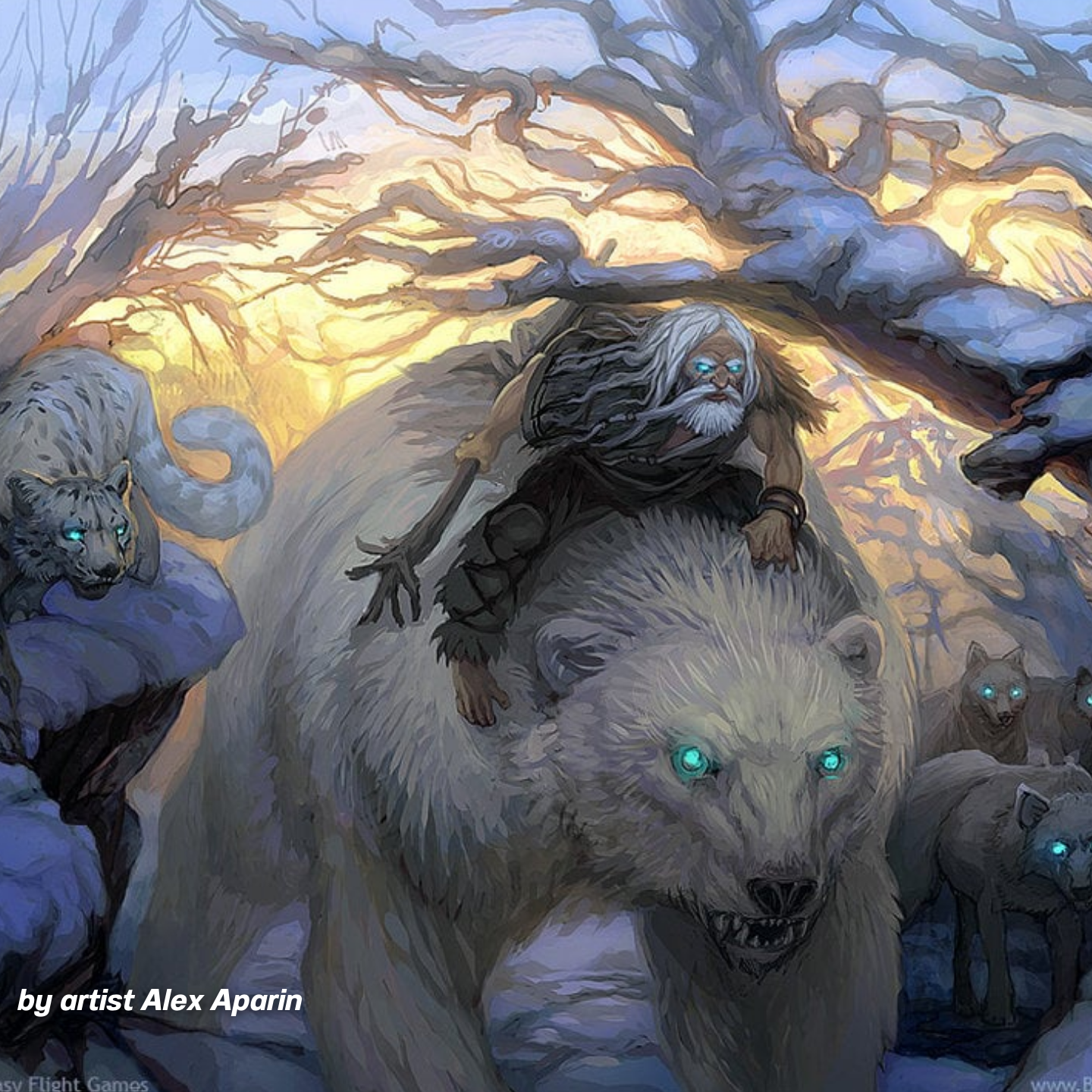
🍁🩸 Theory about the Green Powers of the First Men 🍁🩸 📝Chapters: - 00:00 Intro - 00:38 What counts as a blood sacrifice and what doesn’t? - 07:23 Green Powers & Humans - 15:32 Children of the Forest, Crannogmen & Free Folk - 22:34 Skinchanging is not Hereditary - 24:40 Heart Trees, Free Folk & King’s Blood - 35:53 Outro 📚Sources: - ASoIaF book series, The World of Ice and Fire, The Hedge Knight Novels, Fire & Blood 🌐Social Media & Podcast: - Instagram: [Company of the Cat](https://www.instagram.com/company_of_the_cat/) - Facebook Page: [Company of the Cat](https://www.facebook.com/profile.php?id=100086601590664) - Youtube: [Company of the Cat](https://youtu.be/QHRQAhvZtl4) - ☕️ [Support the Channel](https://bmc.link/CompotCat) 🎨Art: - Thumbnail: Varamyr riding his snow bear - by Alex Aparin, Jon by Nathalia Gomes Keywords: Theory, house stark, ASOIAF, A Song of Ice and Fire, asoiaf theories, jon snow, children of the forest, green powers, dream, direwolves, heart trees, weirwoods, bran stark, arya stark, robb stark, ghost, nymeria, summer, shaggydog, Rickon stark, House Gardener, House Blackwoods, First Men, Varamyr, Free Folk
Intro Welcome or Welcome back to the company of the cat, hi! In today’s upload, I want to talk about the Magical Bloodlines of the First Men. This is a concept I’ve had for a long time as a general idea in mind, but I decided on a video because of two comments I got. It is a theory about why the First Men have magical bloodlines and what they did to achieve this. But before we begin, don’t forget to like and subscribe if you enjoy my content. Without further ado, let’s go. What counts as a blood sacrifice and what doesn’t? I have a lot of videos about Valyrian and Fire Magic on this channel, and two of them are about Fire Magic and its connection to blood sacrifices. The other one is about the dragon babies of House Targaryen. In the first one, among everything else, I also said that blood is always necessary for every type of magic, not just fire magic. And in the second one, I said that a big reason for the magical blood of the dragon is the dragon babies. I suggested that the dragonlords sacrificed their blood, in advance, so they could have and continue to have a special bloodline and the dragonbond. The lizard babies are the sacrifices for their magic. To have magical blood, they need to sacrifice it, and this blood is their kids. Blood for fire and fire for blood; they have to keep giving their blood to keep the fire in it. In both these uploads, I got two quite similar comments that I thought were great conversation starters for this video. The first one read, “No blood = no magic doesn't seem quite right. Skinchangers don't need to kill anyone for their abilities. Only blood and maybe fire magic should require some type of sacrifice to fuel it.” And the one about the dragon babies said that “The Starks and the 1st men don't align.” Fire magic is more in your face, and we have seen it in the novels more. Along with the “Fire & Blood” motto of the Targaryens, we associate blood magic mostly with fire, but blood magic is very much present in every form of magic used by humans, and the First Men's lines are built on blood magic just as much. This is what I want to talk about today. But first, what is a blood sacrifice exactly? "You'll have gold, horses, whatever you like." "It is not a matter of gold or horses. This is bloodmagic, lady. Only death may pay for life." "Death?" Dany wrapped her arms around herself protectively, rocked back and forth on her heels. "My death?" She told herself she would die for him, if she must. She was the blood of the dragon, she would not be afraid. Blood sacrifice doesn’t always require fresh blood at that same moment, it is the general exchange of death for life. By itself, the blood is nothing. You do not have the words to make a spell, nor the wisdom to find them. Do you think bloodmagic is a game for children? The information we get from the House of Black and White is the best to understand what blood magic actually is. Can you pay the price? What price? The price is you. The price is all you have and all you ever hope to have. We took your eyes and gave them back. Next we will take your ears, and you will walk in silence. You will give us your legs and crawl. You will be no one’s daughter, no one’s wife, no one’s mother. Your name will be a lie, and the very face you wear will not be your own. "I only just came from Westeros." Sometimes it seemed a thousand years since she had fled King's Landing, and sometimes it seemed like only yesterday, but she knew she could not go back. "I'll go if you don't want me, but I won't go there." "My wants do not matter," said the kindly man. "It may be that the Many-Faced God has led you here to be His instrument, but when I look at you I see a child . . . and worse, a girl child. Many have served Him of Many Faces through the centuries, but only a few of His servants have been women. Women bring life into the world. We bring the gift of death. No one can do both." The waif showed ten fingers. Then ten again, and yet again. Then six. Her face remained as smooth as still water. She can't be six-and-thirty, Arya thought. She's a little girl. "You're lying," she said. The waif shook her head and showed her once again: ten and ten and ten and six. She said the words for six-and-thirty, and made Arya say them too. The next day she told the kindly man what the waif had claimed. "She did not lie," the priest said, chuckling. "The one you call waif is a woman grown who has spent her life serving Him of Many Faces. She gave Him all she was, all she ever might have been, all the lives that were within her." Blood magic is not necessarily about giving blood as a currency but about giving life. In the House of Black and White, they give their life to serve death, even sacrificing the potential life they might bring forth, to serve the Many-Faced God. The reason the author chose the word "blood" is the fact that blood is often symbolically associated with life force, vitality, and the essence of existence. In many creation myths, blood played a central role in the emergence of life, it’s believed to carry throughout the body the essence of life itself. Blood sacrifice was common in mythological traditions and cultures, seen as a means of renewing life, appeasing deities, or maintaining cosmic balance. Many mythologies attributed special significance to royal or divine bloodlines, linking them to supernatural powers and divine authority—concepts echoed in the novels. Blood sacrifice encompasses the sacrifice of life in general, whether by denouncing one's life as a whole, sacrificing the lives of future children like the waif and Daenerys, or sacrificing someone for a quick spell, as Melisandre does. Magic always has a price, whether it involves fire or not. "In a sense. Those you call the children of the forest have eyes as golden as the sun, but once in a great while one is born amongst them with eyes as red as blood, or green as the moss on a tree in the heart of the forest. By these signs do the gods mark those they have chosen to receive the gift. The chosen ones are not robust, and their quick years upon the earth are few, for every song must have its balance. But once inside the wood they linger long indeed. A thousand eyes, a hundred skins, wisdom deep as the roots of ancient trees. Greenseers." "I never asked for this crown. Gold is cold and heavy on the head, but so long as I am the king, I have a duty . . . If I must sacrifice one child to the flames to save a million from the dark . . . Sacrifice . . . is never easy, Davos. Or it is no true sacrifice. Tell him, my lady." Melisandre said, "Azor Ahai tempered Lightbringer with the heart's blood of his own beloved wife. If a man with a thousand cows gives one to god, that is nothing. But a man who offers the only cow he owns . . ." "If you've had the Horn of Joramun all along, why haven't you used it? Why bother building turtles and sending Thenns to kill us in our beds? If this horn is all the songs say, why not just sound it and be done?" It was Dalla who answered him, Dalla great with child, lying on her pile of furs beside the brazier. "We free folk know things you kneelers have forgotten. Sometimes the short road is not the safest, Jon Snow. The Horned Lord once said that sorcery is a sword without a hilt. There is no safe way to grasp it." "It's made of ice," Jon pointed out. "You know nothing, Jon Snow. This wall is made o' blood." So, this magical icy Wall is made of blood. Greenseers were very weak and died quickly, magic is dangerous and has a price, and the bigger the price, the stronger the power. If everyone gives something for their power, if indeed the Dragonlords gave something, then the First Men lines also paid a price to make their Bloodlines Magical. Green Powers & Humans The Magic associated with the First Men bloodlines is similar to the green magic used by the CotF. After the Pact and the end of the conflicts between the Singers and the First Men, the humans with very few exceptions like the Sistermen and the Ironborn started to believe in the Old Gods of the Children of the Forest and gained some of the Green Powers as well. We of course see people with some skinchanging and greenseer abilities, various wood witches, and the powers Meera and Jojen claim the crannogmen, like their dad Howland, have. We do not know exactly how the first men acquired these powers, but there are quite a few stories about interbreeding with the Singers. Last (and some might say the least) of the peoples of the North are the swamp-dwellers of the Neck, known as crannogmen for the floating islands on which they raise their halls and hovels. A small, sly people (some say they are small in stature because they intermarried with the children of the forest, but more likely it results from inadequate nourishment, for grains do not flourish amidst the fens and swamps and salt marshes of the Neck, and the crannogmen subsist largely upon a diet of fish, frogs, and lizards), they are quite secretive, preferring to keep to themselves. The first Ser Artys Arryn supposedly rode upon a huge falcon (possibly a distorted memory of dragonriders seen from afar, Archmaester Perestan suggests). Armies of eagles fought at his command. To win the Vale, he flew to the top of the Giant's Lance and slew the Griffin King. He counted giants and merlings amongst his friends, and wed a woman of the children of the forest, though she died giving birth to his son. So, humans might have acquired these powers from the Singers indeed, but that actually raises other questions. For starters, in the stories of Garth the Green, which seem to take place before the pact, we see green powers used by the humans and children getting slaughtered, not by random people but by alleged children of his. BRANDON OF THE BLOODY BLADE, who drove the giants from the Reach and warred against the children of the forest, slaying so many at Blue Lake that it has been known as Red Lake ever since. Even if the stories are embellished myths, it kinda looks like humans were using magic, and specifically green magic, before the pact took place and the humans were at odds with the Singers. That being said, the magic the humans did was 100% blood magic. Garth Greenhand, we call him, but in the oldest tales he is named Garth Greenhair, or simply Garth the Green. Some stories say he had green hands, green hair, or green skin overall. (A few even give him antlers, like a stag.) Others tell us that he dressed in green from head to foot, and certainly this is how he is most commonly depicted in paintings, tapestries, and sculptures. More likely, his sobriquet derived from his gifts as a gardener and a tiller of the soil—the one trait on which all the tales agree. "Garth made the corn ripen, the trees fruit, and the flowers bloom," the singers tell us. A few of the very oldest tales of Garth Greenhand present us with a considerably darker deity, one who demanded blood sacrifice from his worshippers to ensure a bountiful harvest. In some stories the green god dies every autumn when the trees lose their leaves, only to be reborn with the coming of spring. This version of Garth is largely forgotten. My first video for this channel was about Garth and the Weirwoods and how the weirwoods, at least to me, sound very much like undead trees, specifically oaks, I will revisit this theory in a future video, because I want to add some more things and new ideas I got while rereading for today’s upload, it doesn’t change much tbh, but just to be clear, I will change my first theory a little in the future because I found things I hadn’t noticed at the time. In any case, weirwoods look like they are in a state of immortality of sorts, they don’t die according to Bloodraven, but they also look like they have lost their vitality. Leaf gave Bran a paste from weirwood seeds, but no one ever mentions that they have seeds. We have countless descriptions of Weirwoods, their leaves, and barks and faces, but no one ever mentions anything about seeds, not even fallen on the ground under their canopy, like with every normal tree. Additionally, even if they had seeds, why did they never try to plant more? The children never tried to plant when the humans were cutting them down and burning them, same about the first men, why? No one knows how to plant one and in the only place we have seen a relatively young weirwood, the Cracklaw Point, we also got a line about how they water their trees with blood. It is a line used mostly to point out how the Craclaw men were killing every invader in their land, but it’s a very weird way of wording it. Every heap of stones had a story, and Nimble Dick told them all. To hear him tell it, the men of Crackclaw Point had watered their pine trees with blood. Brienne's patience soon began to fray. "How much longer?" she demanded finally. "We must have seen every tree in Crackclaw Point by now." "Not hardly," said Crabb. Soldier pines were everywhere, drawn up in solemn ranks. In their midst was a pale stranger; a slender young weirwood with a trunk as white as a cloistered maid. Dark red leaves sprouted from its reaching branches. The weirwoods are considered eternal and immortal, but they also look very lifeless and they cannot reproduce, people were also making blood sacrifices to them. The trees, too, have given something to be able to be everlasting, deathless. In the myths about Garth, I said that he sounds pretty much like a living weirwood. Garth sounds like a tree. He sounds like a more poetic way to describe a tree. Five-lobed leaves look like hands, weirwood leaves are described like that all the time. The heart tree had always frightened him; trees ought not have eyes, Bran thought, or leaves that looked like hands. The leaves also look like the hair of the tree, the branches also resemble antlers, he lived a very very long life and he was dying every autumn along with the trees because he was indeed a tree. The humans found a way to tame the magic of the trees and thus they were offering blood. Jojen even points out how there is power in the wood, not only in weirwoods. "The godswood." Meera Reed ran after the direwolf, her shield and frog spear to hand. The rest of them trailed after, threading their way through smoke and fallen stones. The air was sweeter under the trees. A few pines along the edge of the wood had been scorched, but deeper in the damp soil and green wood had defeated the flames. "There is a power in living wood," said Jojen Reed, almost as if he knew what Bran was thinking, "a power strong as fire." It looks like some sort of power could be channeled from normal trees as well. And it kinda makes sense since the info we get about other people who used green powers, like the Rhoynar and the Crannogmen, does not always involve weirwoods. And yet there was a difference, in degree if not in kind, for almost all of the noble houses of the Reach shared a common ancestry, deriving as they did from Garth Greenhand and his many children. It was that kinship, many scholars have suggested, that gave House Gardener the primacy in the centuries that followed; no petty king could ever hope to rival the power of Highgarden, where Garth the Gardener's descendants sat upon a living throne (the Oakenseat) that grew from an oak that Garth Greenhand himself had planted, and wore crowns of vines and flowers when at peace, and crowns of bronze thorns (later iron) when they rode to war. Others might style themselves kings, but the Gardeners were the unquestioned High Kings, and lesser monarchs did them honor, if not obeisance. If we imagine how Brynden and now Bran sit on their weirwood thrones, but with the people sitting on their oak thrones, like the one of Garth, these stories sound like a tree and the king that was sitting on the tree. The figure mingling around with every woman was the first Gardener, but the green god that needed blood and was dying every autumn was the tree, all these famous kids of Garth sound like the offsprings of the first-night custom. Kids from these couplings were not just kids of the King, they were kids of the gods, at that time and age the first night was important and much more than a quicky for the King. It was a blessing and magic was involved and passed to all these children. Through time the different stories and people involved became a big colorful and exaggerated myth, like in every mythology. In the current timeline, they don’t believe in magic anymore so the real Garth was just a powerful King, and all the magic involved was exaggerated and turned into a mysterious green God. It is easy to see how stories that involve magic become skewed with time from the things they say about skinchangers as well. What they believe about them and what these people actually can do is vastly different. Wood Witches also meddled with blood magic, they were not just women who knew some healing and herblore, as some maesters claim, they were more than that. The wood witch that Herdon and Harlon married, both kids of a King, kept them young. King Mern III Gardener gave gold and honors to a woods witch who claimed she could raise armies of the dead to fight off the Andals if they invaded the Reach. The wife of Ser Clarence Crabb was a woods witch and she could bring back to life with a kiss the heads of those killed by Clarence. According to Septon Eustace, Alys Rivers was a woods witch. People were saying that Alys was much older than she looked, and was using blood to keep herself young, similar to the stories of Sierra Seastar, she could predict some stuff as well and we are told that she gave her unborn children to acquire these powers. Children of the Forest, Crannogmen & Free Folk It seems like the children of the forest are a naturally magical race, but they too have given something. And they did sing. They sang in True Tongue, so Bran could not understand the words, but their voices were as pure as winter air. "Where are the rest of you?" Bran asked Leaf, once. "Gone down into the earth," she answered. "Into the stones, into the trees. Before the First Men came all this land that you call Westeros was home to us, yet even in those days, we were few. The gods gave us long lives but not great numbers, lest we overrun the world as deer will overrun a wood where there are no wolves to hunt them. The singers of the forest had no books. No ink, no parchment, no written language. Instead they had the trees, and the weirwoods above all. When they died, they went into the wood, into leaf and limb and root, and the trees remembered. All their songs and spells, their histories and prayers, everything they knew about this world. Maesters will tell you that the weirwoods are sacred to the old gods. The singers believe they are the old gods. When singers die they become part of that godhood." The Children have very long lifespans and also some power, but they are very few and the power returns back to their gods, who gave it to them. When they wanted to make something that would disturb this balance, like the Hammer, they too practiced blood magic. The children can grow close and skinchange into other animals, but the strongest of them, greenseers, were very rare, it was considered a gift and they were seen as holy. There is an undeniable balance and harmony, thus the name Singers I think. It seems that sounds and songs have power and a lot of it too, but this is another conversation for another video. If intermarriage with the Singers took place, then the Neck is probably the only area where it was to a very big extent and the humans learned their songs and magic and some of them had skinchanging abilities as well. Long ago, the histories claim, the crannogmen were ruled by the Marsh Kings. Singers tell of them riding on lizard lions and using great frog spears like lances, but that is clearly fancy. Were these Marsh Kings even truly kings, as we understand it? Archmaester Eyron writes that the crannogmen saw their kings as the first among equals, who were often thought to be touched by the old gods—a fact that was said to show itself in eyes of strange hues, or even in speaking with animals as the children are said to have done. The Crannogmem still live believing in the same balance as the Singers and they talk about people who were touched by the gods in the same way it happened with the cotf, not exactly the same way as we see in other humans. "What do the trees remember?" "The secrets of the old gods," said Jojen Reed. Food and fire and rest had helped restore him after the ordeals of their journey, but he seemed sadder now, sullen, with a weary, haunted look about the eyes. "Truths the First Men knew, forgotten now in Winterfell … but not in the wet wild. We live closer to the green in our bogs and crannogs, and we remember. Earth and water, soil and stone, oaks and elms and willows, they were here before us all and will still remain when we are gone." North of the Wall, another place where the people are more aware of magic and fairly knowledgeable on First Men stories and customs, where we see people actually being born with Skinchanging abilities things are much much different as well. People are very cautious of magic, skinchnagers are also kind of outcasts and people are afraid of them, even though they are somewhat respected, and we even learn about Skinchnagers who were wary of their own powers, like Haggon. Abomination. That had always been Haggon's favorite word. Abomination, abomination, abomination. To eat of human meat was abomination, to mate as wolf with wolf was abomination, and to seize the body of another man was the worst abomination of all. Haggon was weak, afraid of his own power. He died weeping and alone when I ripped his second life from him. Varamyr had devoured his heart himself. He taught me much and more, and the last thing I learned from him was the taste of human flesh. ~ ASSHOLE ~ And of course, they really do not like blood magic, they don’t like the Wall because they say blood was part of its construction, and they didn’t blow the horn for the same reason as well. But, skinchanging powers are also very much a gift, like the greenseers of the children of the forest. Some very few people get to have them and as we saw from the Varamyr prologue also return to the gods after their death and before they settle for a second simpler life in their animals. The white world turned and fell away. For a moment it was as if he were inside the weirwood, gazing out through carved red eyes as a dying man twitched feebly on the ground and a madwoman danced blind and bloody underneath the moon, weeping red tears and ripping at her clothes. Then both were gone and he was rising, melting, his spirit borne on some cold wind. He was in the snow and in the clouds, he was a sparrow, a squirrel, an oak. A horned owl flew silently between his trees, hunting a hare; Varamyr was inside the owl, inside the hare, inside the trees. Deep below the frozen ground, earthworms burrowed blindly in the dark, and he was them as well. I am the wood, and everything that's in it, he thought, exulting. A hundred ravens took to the air, cawing as they felt him pass. A great elk trumpeted, unsettling the children clinging to his back. A sleeping direwolf raised his head to snarl at empty air. Before their hearts could beat again he had passed on, searching for his own, for One Eye, Sly, and Stalker, for his pack. His wolves would save him, he told himself. That was his last thought as a man. Sadly we don’t know the backstories of other skinchangers over the Wall, but at least about Varamyr, we learned that like the greenseers of the Singers, he was sickly and weak as a child. These powers didn’t go to a random normal healthy kid. She weeps for Bump, but she never wept for me. Lump had been born a month before his proper time, and he was sick so often that no one expected him to live. His mother waited until he was almost four to give him a proper name, and by then it was too late. The whole village had taken to calling him Lump, the name his sister Meha had given him when he was still in their mother's belly. Meha had given Bump his name as well, but Lump's little brother had been born in his proper time, big and red and robust, sucking greedily at Mother's teats. She was going to name him after Father. Bump died, though. He died when he was two and I was six, three days before his nameday. "Your little one is with the gods now," the woods witch told his mother, as she wept. "He'll never hurt again, never hunger, never cry. The gods have taken him down into the earth, into the trees. The gods are all around us, in the rocks and streams, in the birds and beasts. Your Bump has gone to join them. He'll be the world and all that's in it." In the religion of the old gods, they believe what the CotF believe as well. Upon their death their spirit joins the whole of nature, their gods, so when someone has the gift, their power returns to the Gods. Again there is a very specific balance to how these powers work. For humans, some of them have the gift of skinchanging, but it is very random and a gift that, like greenseering, manifests in weaker individuals as it seems. They have a weaker body, so they are gifted with a stronger spirit. Skinchanging is not Hereditary And that brings me to the most important information we get, but kinda dismiss: skinchanging normally is not hereditary. The kids of Skinchangers are not skinchangers themselves and so far whatever Skinchenger we have seen north of the Wall didn’t have skinchanger parents, the power is not hereditary. Before Mance, Varamyr Sixskins had been a lord of sorts. He lived alone in a hall of moss and mud and hewn logs that had once been Haggon's, attended by his beasts. A dozen villages did him homage in bread and salt and cider, offering him fruit from their orchards and vegetables from their gardens. His meat he got himself. Whenever he desired a woman he sent his shadowcat to stalk her, and whatever girl he'd cast his eye upon would follow meekly to his bed. Some came weeping, aye, but still they came. Varamyr gave them his seed, took a hank of their hair to remember them by, and sent them back. From time to time, some village hero would come with spear in hand to slay the beastling and save a sister or a lover or a daughter. Those he killed, but he never harmed the women. Some he even blessed with children. Runts. Small, puny things, like Lump, and not one with the gift. ~ ASSHOLE ~ Humans are not a race like the Children are, they live shorter lives and have found ways to reproduce and spread everywhere, unlike most other animals, imagine if everyone was magical. Chaos. Even now, when the wrong person meddles with magic, like Euron, things can go to shit very quickly. So, it seems like skinchanging abilities were given kinda at random to people who were relatively weak and unhealthy, like Varamyr, whose parents and children were not magical like him. Skinchangers are shunned. Varamyr was given to Haggon by his parents because they were afraid of him, and lived most of his life alone, if they could have families that are also magical, why are there so few over the wall? It looks like Varamyr is not the exception in that, this power is not hereditary naturally. So, the people south of the Wall did something to have this power remain in specific bloodlines and that smells like blood magic to me. Heart Trees, Free Folk & King’s Blood And yes, it probably was blood magic, because I think the people south of the Wall bound their Heart Trees to their bloodlines. Even the name Heart Tree and the concept of it hint at that. The tree is the heart of the family, the heart pumps blood around, but it also serves only one body and belongs to a circulatory system. The heart sends blood throughout the body, carrying oxygen to every cell, the blood delivers the oxygen and returns to the heart. The heart then sends the blood to the lungs to pick up more oxygen and this cycle repeats over and over again for one's body to stay alive. The concept of a Heart Tree also does not exist over the Wall, from what I understand. Here every castle had its godswood, and every godswood had its heart tree, and every heart tree its face. A Heart Tree was a Weirwood in the gardens of castles, the term Heart Tree is used only south of the Wall, north of the wall they are just weirwoods. People south of the Wall, like Jon, tend to call the weirwoods Heart Trees in general, but the wildlings don’t and Heart Trees are not even always weirwoods, so it seems like it is a southern First Men thing, not a First Men in general thing. On top of that, the weirwood faces change over the wall, something that doesn’t seem to be the case with the Heart Trees. Sam did not know what he hoped to find in the empty houses. Maybe the wildlings had left some food behind. He had to take a look. Jon had searched the huts at Whitetree, on their way north. Inside one hovel Sam heard a rustling of rats from a dark corner, but otherwise there was nothing in any of them but old straw, old smells, and some ashes beneath the smoke hole. He turned back to the weirwood and studied the carved face a moment. It is not the face we saw, he admitted to himself. The tree's not half as big as the one at Whitetree. The red eyes wept blood, and he didn't remember that either. Clumsily, Sam sank to his knees. "Old gods, hear my prayer. The Seven were my father's gods but I said my words to you when I joined the Watch. Help us now. I fear we might be lost. We're hungry too, and so cold. I don't know what gods I believe in now, but . . . please, if you're there, help us. Gilly has a little son." That was all that he could think to say. The dusk was deepening, the leaves of the weirwood rustling softly, waving like a thousand blood-red hands. Whether Jon's gods had heard him or not he could not say. I am guessing that someone would have noticed if something like that happened with Heart Trees. We have the faces of some Weirwoods and we know that the Stark Heart Tree at least, looks like a Stark. At the center of the grove an ancient weirwood brooded over a small pool where the waters were black and cold. "The heart tree," Ned called it. The weirwood's bark was white as bone, its leaves dark red, like a thousand bloodstained hands. A face had been carved in the trunk of the great tree, its features long and melancholy, the deep-cut eyes red with dried sap and strangely watchful. From the first time I read the books I always had the same question: why do they not burn their dead in the North like the wildlings? All FM houses south of the Wall have crypts and barrows, even if they were burying their dead in the beginning, you would think that some people, especially those in the North, would stick to burning after the Long Night, just to be safe, but they didn’t. And the reason they didn’t is because all these dead I think are connected to the Heart Tree. They need to be connected to the tree. Bran’s cave could be described as a crypt as well and the bones do look connected to the trees. "Bones," said Bran. "It's bones." The floor of the passage was littered with the bones of birds and beasts. But there were other bones as well, big ones that must have come from giants and small ones that could have been from children. On either side of them, in niches carved from the stone, skulls looked down on them. Bran saw a bear skull and a wolf skull, half a dozen human skulls and near as many giants. All the rest were small, queerly formed. Children of the forest. The roots had grown in and around and through them, every one. He found chambers full of bones, shafts that plunged deep into the earth, a place where the skeletons of gigantic bats hung upside down from the ceiling. He even crossed the slender stone bridge that arched over the abyss and discovered more passages and chambers on the far side. One was full of singers, enthroned like Brynden in nests of weirwood roots that wove under and through and around their bodies. Most of them looked dead to him, but as he crossed in front of them their eyes would open and follow the light of his torch, and one of them opened and closed a wrinkled mouth as if he were trying to speak. This whole cave system is pretty similar to the Stark Crypts, underground maze-like tunnels that go very deep, and the greenseers, the wise men, the chosen ones, the blessed ones, the Singers (meaning the closest equivalent to kings that the cotf have), sitting on thrones with their animals often close by. The only difference being that they are in the open and not in tombs with statues. That being said we have no idea what is going on in the very very old part of the crypts that has collapsed, but I am gonna take a guess and say it is similar and all the dead are buried under the Heart Tree and connected to its roots. The free folk refer to themselves as such to differentiate themselves from "kneelers," the people south of the Wall subject to lords and kings, they view southerners as lacking freedom. The biggest issue is the law and concept, in general, of property. "The gods made the earth for all men t' share. Only when the kings come with their crowns and steel swords, they claimed it was all theirs. My trees, they said, you can't eat them apples. My stream, you can't fish here. My wood, you're not t' hunt. My earth, my water, my castle, my daughter, keep your hands away or I'll chop 'em off, but maybe if you kneel t' me I'll let you have a sniff. You call us thieves, but at least a thief has t' be brave and clever and quick. A kneeler only has t' kneel." If we add a weirwood tree to the mix of what Ygritte listed, things start to get more serious than just property, because a Weirwood in the wood of a castle that is the property of someone, is pretty much what a Heart Tree is. The first High King we learn of is Garth, who is described as a magical person, we see three combined enormous weirwoods, someone who demanded blood sacrifices, and tree thrones in his story. We also have seen many people paralleling Garth in the current timeline, people like Robert and Euron, people like Varamyr. These people had power and took, and in Euron’s case keep on taking, full advantage of it, with little care about the rest of the people. As we saw before, the powers above the Wall pop-up pretty much at random, people believe in the gods, pray to them, most likely give sacrifices, and believe they merge with them after their death, something that must be the case since Varamyr went into everything in nature and saw through the weirwood. There was a whole village in White Tree not just a castle and many clans and tribes are very often on the move, with no set settlements. What would happen if a magical and powerful person decides that they are better than the rest, because they are magical - not unlike Varamyr who was in a hut and people in his vicinity were giving him food and other goods because they were afraid - and said: “Yo, guys this land is mine, this weirwood included btw and you cannot do much, because unlike you I have magic lol”? If one magical person/bloodline only sacrifices to this specific tree, gets buried close/under it and even when they want to benefit others, they are the ones that do the sacrifices and the offerings then it kinda makes sense that the power will continue to be in their bloodline, since this weirwood gets power only from them and returns the power back to them. We learn about various kids of Garth and they all sound magical/special, but what if they weren’t, or what if they were unwanted for x,y reason? Craster, for example, gives the boys as a sacrifice to the others and is safe, he even calls himself a godly man. If the gods in question were not the Others and you started giving these kids to the trees as a sacrifice, I imagine your bloodline would be the blessed one. Everyone has sacrificed something for their powers, health, kin, loved ones, something, and giving children as a sacrifice is a very prominent pattern in the novels. The FM did have a custom that led to an almost unlimited number of kids, kids from a King, someone that at that time was more often than not magical. Small Folk and common people were sharing the limited amount of uncut weirwoods with each other and the Singers as well, so I imagine, as it happens over the Wall in the current timeline, every now and then a human was born with powers. But if one magical person started to gatekeep a weirwood, maybe even did a blood-magic spell to bind it to their own blood, gave blood sacrifices only from their blood, and buried only their own kin directly under it, then the power would return only to their own bloodline. And if one person did this, then others would do the same, even if they weren’t magical, and just had the opportunity. Clarence Crabb and Herdon and Harlon are not described as magical themselves, but they did find magical wives and established their own kingdoms. That would explain why the Heart Trees are called Heart Trees, why they resemble the family that “owns” them and their faces do not change, why every Godswood had/has one, why the First Men would not burn their dead even after the Long Night, and why the Wildlings are so hostile towards the concept of kingship and wary of magic, especially blood magic. The Free Folk choose their leaders, and the Kings beyond the Wall are people who everyone wants to follow. The Crannogmen had Kings with powers chosen by the gods, first among equals. When this power is harnessed, like the dragonlords with the dragons, and becomes something exclusive and hereditary it loses its meaning because these people are not chosen by the gods anymore. King’s Blood is a phrase we hear quite often in the novels, especially by Mel, but I think the meaning has been corrupted. Royal blood is something people believe to have properties, but this notion has been seriously changed through the centuries. People in the current timeline believe it is about the king’s blood, power, etc, but looking at what we know, I think this phrase was about magical blood, not royal. The kings of old were magical. In the beginning, these people were considered blessed, and this is why those around them made them kings. After people started to take things into their own hands completely and decided that they were kings and even practiced magic to become or remain magical all-mighty kings, the logic got reversed. From “You are special, thus you will become a king” became “You are special because you are a king”. The logic and morals involved are very very different. Kings should be the most competent people who care for their fellow men and look out for the common good, not solely for their own gain. With magic slowly vanishing, this phrase remains, but the meaning has been distorted. Summary & Outro This is it pretty much. I think that the reason for the magical bloodlines of First Men origin we have only south of the Wall is because they found a way to bind the weirwoods to them. The issues with the Free Folk go a step further than just Kingship, the gatekeeping and the struggle were real. I will make another video where I’ll talk about the Weirwoods more and will revisit my theory about them, add another interesting thing I found while re-reading, and also throw in a theory about Ned’s bones that have done the “Around of Westeros in 80 days”. I hope you enjoyed this video and if you did, don't forget to like, subscribe, and write your thoughts and theories about the weirwoods and the heart trees. Until the next one, bye!