
Company of the Cat · Cat...*meow*
❄️ Theory: The Wall, Its Construction, and the Importance of Salt in ASOIAF ❄️ ------------------------------------------------------------------------------------------- 📖 Chapters 📖 00:00 - Intro 00:44 - Salt in Real Life 03:02 - Salt in ASOIAF: Religion & Blood 05:29 - Salt in ASOIAF: Hospitality 07:37 - Salt in ASOIAF: Status 09:20 - Salt, Fire & Ice 14:52 - Salt, Life & Death 17:17 - The Wall is Made of Saltwater 22:20 - The Horn of Winter Raises the Wall 30:55 - The Sunless Sea Under the Wall 42:23 - The Others Helped with the Wall 47:51 - The Weirwoods' and Giants’ Role in the Wall 52:54 - Salt and Wights 54:39 - Outro --------------------------------------------------------------------------------------------- 📚 Sources 📚 ASoIaF book series, House of the Dragon HBO TV series, The World of Ice and Fire, Fire & Blood, Prose Edda, Poetic Edda. ---------------------------------------------------------------------------------------------🌐 Social Media & Podcast 🌐 Instagram: [Company of the Cat](https://www.instagram.com/company_of_the_cat/) Facebook Page: [Company of the Cat](https://www.facebook.com/profile.php?id=100086601590664) Youtube: [Company of the Cat](https://youtu.be/twHB09yLK_M) ☕ Support the Channel ☕ [Buy Me a Coffee](https://bmc.link/CompotCat) --------------------------------------------------------------------------------------------- 🎬 Credits 🎬 Clips from HBO's GOT: Histories and Lore Maps: The Lands Of Ice And Fire 🖼️ Thumbnail Art: Artist Unknown (If you have information, please help!) ---------------------------------------------------------------------------------------------#asoiaf #asongoficeandfire #hotd #houseofthedragon #thrones #fantasy 🔍 Keywords: asoiaf theory, house stark, the wall, ASOIAF, A Song of Ice and Fire, asoiaf theories, the Wall, hammer of the waters, horn of winter, horn of joramun, bran the builder, children of the forest, others, wight walkers, long night, black gate, bran stark, nightfort
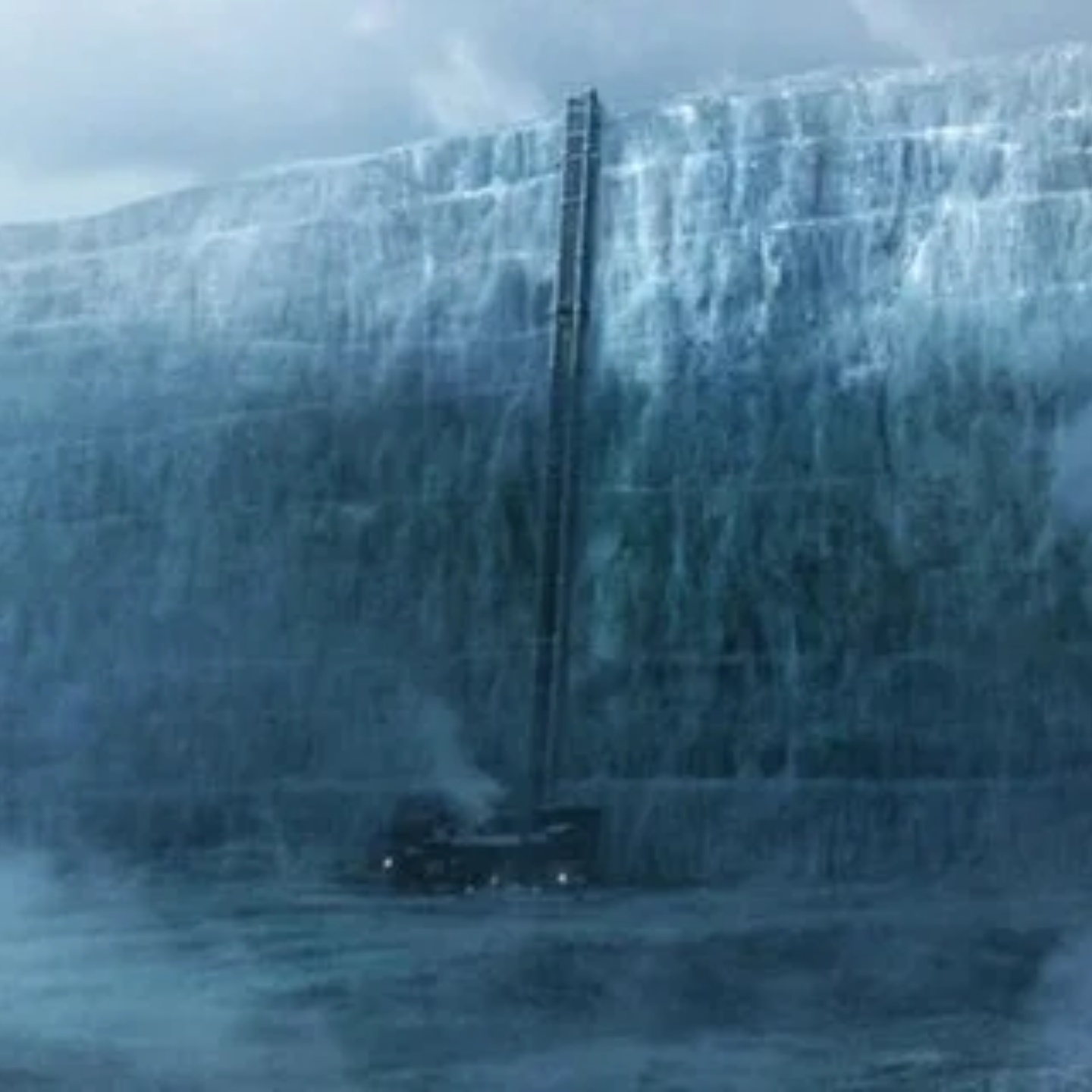
Intro Welcome or welcome back to the CotC! Today I want to talk about salt and its significance in ASOIAF. I want to talk mostly about the Wall and about how salt is definitely a tool that would help during the Long Night in general. I have already delved into it in some of my videos because where there are ironborn there is salt and it is known that I do have quite a few ironborn videos. If you enjoy my content don’t forget to like and subscribe, if you haven’t already, and without further adieu let’s go. Salt in Real Life Salt, irl, has held significant cultural, economic and religious importance throughout history for several reasons, and in many mythologies and folklore around the world it often carries symbolic and mystical significance. Preservation of Food: Before the advent of refrigeration, salt was a crucial preservative for food. It helped prevent the spoilage of meat and fish, allowing people to store these items for a longer time and transport them over long distances. Economic Value: In various ancient cultures, salt was a valuable commodity and was sometimes used as currency, thus the word salary. It played a role in trade and commerce, contributing to the wealth of certain regions. Flavor Enhancement: Salt enhances the flavor of food, making it more palatable. Its ability to improve taste has contributed to its widespread use in culinary practices across different cultures. Health and Medicine: Salt has been recognized for its medicinal properties in various cultures. It was used to treat wounds, and saline solutions were employed for various health purposes, and still are. Symbol of Hospitality: Offering salt to guests is a gesture of hospitality in many cultures. It is seen as a way to ensure the well-being of visitors and to strengthen the bonds of friendship. An idea that Martin incorporated in the novels as well. Covenants and Agreements: And lastly, Salt was sometimes used in some cultures as part of the ritual of forming agreements, pacts or covenants. The act of sharing salt symbolized the binding nature of the commitment being made. Warding and Protection from Evil: In many cultures, salt is believed to have protective properties against evil spirits. Spreading salt around the perimeter of a space or using it in rituals is thought to create a barrier that wards off malevolent forces. In some places, salt was sprinkled in doorways and windows to prevent evil spirits from entering a home. Purification and Cleansing: Salt was commonly associated with purification and cleansing rituals in many religions and cultures. It is believed to have the power to purify spaces, objects, and even individuals. Saltwater was often used in rituals to cleanse and purify, even the idea of Holy Water most likely came from this, and in the beginning, it was about salt water since it is a good solution for aiding healing. Offerings to Deities: Salt has been used as an offering to deities in various religious practices. Its purity and association with preservation make it a symbol of sincerity and devotion in offerings. Salt and Creation Myths: In some creation myths, salt plays a role in the formation of the world or humanity. Magical Properties: Because of all of these, salt was often considered a magical substance in folklore, possessing mystical qualities. Salt in ASOIAF: Religion & Blood In the books, salt is also very important, like it is irl. The ironborn obviously think of it as holy, and they believe seawater purifies and their priests even drink it, to strengthen their faith. The salt made his eyes burn, until it was all he could do not to cry out. He could taste the ocean on his lips. "Let Theon your servant be born again from the sea, as you were," Aeron Greyjoy intoned. "Bless him with salt, bless him with stone, bless him with steel. Nephew, do you still know the words?" "What is dead may never die," Theon said, remembering. What is dead may never die," his uncle echoed, "but rises again, harder and stronger. Stand." Theon stood, blinking back tears from the salt in his eyes. "If he were ten days in the water, he'd be dead, or mad from drinking seawater." Salt water was holy; Aeron Damphair and other priests might bless men with it and swallow a mouthful or two from time to time to strengthen their faith, but no mortal man could drink of the deep sea for days at a time and hope to live. "You claim to be a sorcerer?" Victarion asked the prisoner. "We came from the sea, and to the sea we must return. Open your mouth and drink deep of god's blessing. Fill your lungs with water, that you may die and be reborn. It does no good to fight." Salt occupies a central place in the lore of the Ironborn religion, they worship the sea because it is salty, they even say salt sea instead of just sea very often and they bless with Salt. The salt is what burns their eyes and helps them see, the salt is the purifying agent, the holy element. The component that strengthens their religion and faith. Salt is also one of the very few things people say they have in their blood, along with fire, ice and cold, wolfblood, and dragonblood. We see it obviously in the Ironborn’s blood, but in HotD, they put a very similar saying in some Velaryon chants as well. "You're wrong. Ned Stark was my gaoler, but my blood is still salt and iron." True ironborn had salt water in their veins, the priests of the Drowned God proclaimed; the black-blooded Hoares were false kings, ungodly usurpers who must be cast down. Though their mother will not return from this voyage, they will all remain bound together in blood. Salt courses through the Velaryon blood. Ours runs thick. Ours runs true. And our must never thin. In the case of the Starks and the Targaryens these elements in their blood, point to a magical bloodline, and considering we have many weird sea-related things that are heavily linked to salt, it would not be a reach to assume that the magical abilities akin to fire and ice in their situations are because of the salt. Something that both the Ironborn passages and the Velaryon funeral chants reveal. Salt is what makes their blood unique and true. Salt in ASOIAF & Hospitality We, of course, have the ancient salt and bread custom. The custom of serving bread and salt to guests is a recurring reference in the books, it is a welcome ritual that serves not only as a Westerosi tradition of hospitality but also as a formal assurance of "guest right", a sacred bond of trust and honor guaranteeing that nobody in attendance, hosts and guests alike, shall be harmed. Violating the guest's right is widely considered among the most atrocious moral crimes. Catelyn: My lord! Some food would be most welcome. We have ridden many leagues in the rain. Walder: Food, heh. A loaf of bread, a bite of cheese, mayhaps a sausage. Robb: Some wine to wash it down. And salt. Walder: Bread and salt. Heh. Of course, of course. My guests. My honored guests. Be welcome beneath my roof, and at my table. Robb: We thank you for your hospitality, my lord. Once I had eaten at his board I was protected by guest right. The laws of hospitality are as old as the First Men, and sacred as a heart tree … Here you are the guest, and safe from harm at my hands … this night, at least. This custom is also a real-life one in the Middle East, the Balkans, and in Nordic, Slavic, and Baltic countries. The bread is chosen because it is a staple food, and in many cultures, bread is a metaphor for basic necessities and living conditions. Salt is used because it signifies permanence, loyalty, durability, fidelity, usefulness, value, and purification. In the novels it seems like it is used for the same reasons, considering that the custom is presented pretty much identical to how it happens irl. The salt in this equation is the one that makes the pact significant, pure, and valuable. The loyalty and the permanence of this relationship between guest and host is signified by the salt. And considering how sacred they hold this custom in the North, I wouldn’t find it weird if magic was involved, or the heart trees were involved to make sure that these pacts remain unbroken, remain pure, and true. The salt is the one that binds them. Thus in many places around the world, it was considered bad luck if salt was spilled on the table. In Greece, even to this day, I know older people who, if they want a guest to leave or consider them unlucky, will spill salt behind their back. Salt in ASOIAF & Status Salt is also mentioned very often when someone wants to signify their own or someone else’s status. People with Higher status sit above the salt during feasts. Wheels of white cheese were set at every table, above and below the salt, and flagons of hot spice wine and chilled autumn ale were passed up and down the tables. Men sat crammed knee to knee along the benches, so tightly packed that the servers had to squirm between them. Even the knights and lords above the salt enjoyed less space than usual. Supper was pease porridge and yesterday's bread, and that caused muttering amongst the common men as well; above the salt, the lords and knights were seen to be eating ham. "I don't know how," she said miserably. "Oh, I think you do," said Littlefinger, with one of those smiles that did not reach his eyes. "You will be the most beautiful woman in the hall tonight, as lovely as your lady mother at your age. I cannot seat you on the dais, but you'll have a place of honor above the salt and underneath a wall sconce. The fire will be shining in your hair, so everyone will see how fair of face you are. Keep a good long spoon on hand to beat the squires off, sweetling. You will not want green boys underfoot when the knights come round to beg you for your favor." "I won't need to go into the castle, will I?" "Why not? One day I mean to live in a castle. I hope to win a place above the salt before I'm done." So, of course in the novels as well, salt is a valuable material that not only enhances the flavor of food, but it also signifies status. The wealthier people are the ones with enough money and power to have and use salt, whenever they want while eating and have it on their table. This is a passage I find curious, but didn’t know where to place in the script, so I am just gonna mention it here. Stannis puts it in his water for some reason. "The mules love the sound of their own braying, why else? And I need them to haul my cart. Oh, to be sure, once in a great while some useful notion is put forth. But not today, I think—ah, here's your son with our water." Devan set the tray on the table and filled two clay cups. The king sprinkled a pinch of salt in his cup before he drank; Davos took his water straight, wishing it were wine. "You were speaking of your council?" I am kinda confused by this tbh, I wondered why would he do something like this, was there a notion or something that adding salt could detect poison, or provide better hydration, or maybe that it worked as a purificator of some sort, maybe a superstition? I really don’t know and also it seems that Davos doesn’t think it’s weird or unusual. Make of that what you will, I just mention it, bc it is a scene that always has me kinda “Huh? ok, I guess.”. Salt, Fire & Ice Salt is one of the main components of the Azor Ahai prophecy as well, making it, in my opinion, a very important clue on why salt may play a bigger role than what we believe in the story. Theoretical or actual salt, the prophecy points to it being important in essence for some reason. When the red star bleeds and the darkness gathers, Azor Ahai shall be born again amidst smoke and salt to wake dragons out of stone. Melisandre thinks Stannis is AA because he is the lord of a place amidst salt and smoke, Dragonstone, which is a volcanic island. Both Rhaegar and Aegon at some point were believed to be “the prince”, again because they were born amidst salt and smoke. The salt is the indicator, the salt is present and important. In my Euron video, I suggested that he went to Valyria for this exact reason as well. It is confirmed in the Forsaken chapter that Euron is very much aware of the AA prophecy and not just that, he is trying to make it come true. Euron said that he had a dragon egg at some point that he couldn’t hatch, but what if he went to Valyria precisely to make it hatch? In theory, there isn’t a better place than the smoking sea in Valyria to bring dragons back to life. Euron just yeeting the egg seems very improbable imo, other people say he sold it to take the horn and his armor and he never went to Valyria, but he has been to Valyria, GRRM has confirmed it in a fan-meeting, there is no dispute there. What if he went to Valyria so he could hatch the eggs amidst salt and smoke, but it didn’t work? That would explain why he would try to go there in the first place, plus the treasures that he claimed were found there. In Daenerys’ case, the salt is mostly symbolic and not 100% literal. There were tears, like in Rhaegar’s case as maester Aemon informed us, but she also hatched the eggs in the Dothraki Sea, which isn’t a literal sea, at least not anymore. We of course have her own birth as well, she was born on Dragonstone, which as Mel said is the place amidst salt and smoke. Also, dragons seem to have a good relationship with the sea, we see Dany’s dragons play and dive into it, and of course, we have stories of dragons who used to fly, fish, and stay close to the sea like Greyghost. Dragons always preferred to attack from above, Dany had learned. Should either get between the other and the sun, he would fold his wings and dive screaming, and they would tumble from the sky locked together in a tangled scaly ball, jaws snapping and tails lashing. The first time they had done it, she feared that they meant to kill each other, but it was only sport. No sooner would they splash into the sea than they would break apart and rise again, shrieking and hissing, the salt water steaming off them as their wings clawed at the air. Grey Ghost dwelt in a smoking vent high on the eastern side of the Dragonmont, preferred fish, and was most oft glimpsed flying low over the narrow sea, snatching prey from the waters. A pale grey-white beast the color of morning mist, he was a notably shy dragon who avoided men and their works for years at a time. Salt and fire are both the oldest known purificators, they always went hand in hand in most religions and cultures. Salt was one of the most important components where sacrifice was involved, especially sacrifice through fire. From ancient civilizations like Persians, Greeks, Hindus, and Japanese to religions like Christianity and other Abrahamic religions, where we see salt and light, one of the main teachings of Jesus on morality and discipleship. Mark 9:49 speaks about the salting of the condemned, which is a rhetorical device indicating the severity of the punishment. Mark 9:50 reads in part: "Have salt in yourselves, and have peace with one another." The salt in this verse refers to the goodwill that "seasons" positive relationships between people. So again we see truth, pact, and punishment in the case of moral crimes. In the Old Testament, there was also mention of the practice of Newborn babies being rubbed with salt to purify them. Salt and fire are always associated with one another. Not only does salt have some attributes of fire, like the burning feeling, but salt itself is inflammable, while it can, also, act as a catalyst or a fuel for other substances. When salt is mixed with certain substances that are flammable, it can enhance the combustion process and increase the intensity of a fire. Since it can’t be burned, it can be used to prevent fire from spreading. These are the reasons why salt always has the same attributes as fire in many religions, but somewhat milder and less destructive. And the main reason for the superstition about evil spirits and salt also derives from its inflammability but also because as a purification agent that burns in its own right, it can be used against not just evil spirits, but even fiery evil spirits from hell. In the novels, the Ironborn also hold the belief that the Drowned God brought the flame from the salt sea, something that corresponds to various real-life myths that suggest that either the fire came from the salt sea or the salt in the water is the result of fire. In Finnish mythology, Ilmarinen, who is a blacksmith, created Saampo, by conjuring the four winds to fan the flames. The winds blew for three days, until finally, the Sampo was born, taking the shape of a magic mill that produces grain, salt, and gold. Salt and fire were always connected, and we see similar beliefs in the novels as well, so if fire could protect against the others as myths claim and they can be killed with dragonglass, would it be that weird if salt could hold them back, like it holds back evil spirits in folklore? Salt is a common way of melting snow and ice. It works by lowering the freezing point of water. When salt is added to ice, it disrupts the molecular structure of the ice, reducing its freezing point and causing it to melt at lower temperatures. All in all, every winter, salt is a very useful tool against ice. Salt, Life & Death Salt is really important because it's seen as the most essential part of things, especially life. People used to think of salt as super valuable because it's necessary for life, and in some places, it's hard to get. The idea that salt is so important is emphasized in the Bible when it says, "you are the salt of the earth" (Matthew 5:13). Salt is seen as a pure, clean, and unchanging substance. It seems like you can't break it down into anything else, and living things need it to survive. So, people have thought of salt as the most important part of everything, the essence of life, and the soul of the body. In Ancient Egypt salt and a burning candle represented life and were placed over a dead body to express the ardent desire of prolonging the life of the deceased. After death, all parts of the body fall apart. In life the soul maintains the parts intact and in connection with one another. In the same way, salt maintains the dead body in its form and connection, thus representing so to speak the soul. (Plutarch) The durability of the salt, and its immunity against decay, made it an emblem of immortality and we see the exact same parallels in the books as well. - “Bless him with salt, bless him with stone, bless him with steel”. “What is dead may never die.” - GRRM himself when asked about the name of the series he said: “I mean… Fire is love, fire is passion, fire is sexual ardor and all of these things. Ice is betrayal, ice is revenge, ice is… you know, that kind of cold inhumanity and all that stuff is being played out in the books.” The same things are applied to salt as well, this is why they go hand in hand, two metaphorical applications of the same idea. Salt is used to keep the fire always burning. At the Osiris festivals in Egypt, all those taking part had to light lamps the oil of which had salt mixed in it. The idea of fire, not only in ASOIAF but in poetry as well as in mythology, is constantly used to represent the ideas of the fire of life and the fire of love and salt assists this as well. Additionally, in real life it was also used to produce the opposite effect as well, keeping the dead and their spirits, well, dead. Salt was used to protect the fields from evil influences and was further used to prevent the souls of the dead from returning to earth and to secure their peace in Purgatory. Salt, like fire and ice, can be both destructive or helpful, it has the same duality and the same symbolisms and we see it in many instances in the story being important and symbolizing pretty much the same things as in real life. The Wall is made of Saltwater Looking at all these I am becoming more and more convinced tbh that salt is involved in the construction of the Wall. First of all the Wall stretches from Westwatch-by-the-Bridge to Eastwatch-by-the-Sea, both locations stop at water. In the east, it stops at the sea and the westernmost castle, according to the official maps of The Lands of Ice and Fire is south of the Gorge and just east of the Bridge of Skulls, pretty much at the place where the river meets the sea. And this is the strongest evidence for me that salt prevents them from passing. Ice is pretty much frozen water and when the Others arrive the cold is unbearable, the cold is different, alive, they can smell it, it is almost magical, but for some reason, they can’t just freeze the top of the sea and pass. Yes, saltwater has a lower freezing point, but it’s not that significant a difference and it shouldn’t be that hard for the Others, whose cold weapons can shatter steel, to freeze it. Something is preventing them from doing this and I would say that this something is the salt. If Saltwater can stop them, then extending the salty barrier over the land is kind of a great idea. We also have various moments where the Wall is described as weeping, crying, shedding tears, etc, and tears are salty as well. "And how did you find the Wall?" "Weeping," Will said, frowning. She wasn't really climbing, the way he used to climb. She was only walking up some steps that the Night's Watch had hewn hundreds and thousands of years ago. He remembered Maester Luwin saying the Nightfort was the only castle where the steps had been cut from the ice of the Wall itself. Or maybe it had been Uncle Benjen. The newer castles had wooden steps, or stone ones, or long ramps of earth and gravel. Ice is too treacherous. It was his uncle who'd told him that. He said that the outer surface of the Wall wept icy tears sometimes, though the core inside stayed frozen hard as rock. The steps must have melted and refrozen a thousand times since the last black brothers left the castle, and every time they did they shrunk a little and got smoother and rounder and more treacherous. And smaller. It's almost like the Wall was swallowing them back into itself. The Nightfort is the oldest castle on the Wall and has been abandoned for years at this point. There are features of it, like the stairs, carved out of the ice of the Wall and it was here where we saw the other very weird instance when Bran passed through the Black Gate. "I am the sword in the darkness," Samwell Tarly said. "I am the watcher on the walls. I am the fire that burns against the cold, the light that brings the dawn, the horn that wakes the sleepers. I am the shield that guards the realms of men." "Then pass," the door said. Its lips opened, wide and wider and wider still, until nothing at all remained but a great gaping mouth in a ring of wrinkles. Sam stepped aside and waved Jojen through ahead of him. Summer followed, sniffing as he went, and then it was Bran's turn. Hodor ducked, but not low enough. The door's upper lip brushed softly against the top of Bran's head, and a drop of water fell on him and ran slowly down his nose. It was strangely warm, and salty as a tear. This is a very important part of the storyline, from the moment Bran passes through the Wall, we see the end of Bran as we know him; he pretty much becomes Bran the Greenseer. It is the last line Bran thinks before he passes the Wall, and the last line of him in this book as well. We also learn that the Wall has a way of regulating who passes and who doesn’t. A magical way. The black gate is located under the Wall, set deep in a wall of the well at the center of the kitchens in Nightfort, and is as old as the Wall itself. For some reason, a drop of water fell on Bran when he passed through that door, a salty drop of water. Even he found it curious that the drop was not cold and was as salty as a tear. All this while at the beginning of this chapter he is thinking how his uncle told him that the outer surface of the Wall wept icy tears sometimes. Having the Wall be a salty barrier also parallels every story we know about ancient magical conflicts of the past as well. When the First Men started migrating to Westeros, tCotF created a salty barrier, by breaking the Arm of Dorne. The old songs say that the greenseers used dark magics to make the seas rise and sweep away the land, shattering the Arm, but it was too late to close the door. The wars went on until the earth ran red with blood of men and children both, but more children than men, for men were bigger and stronger, and wood and stone and obsidian make a poor match for bronze. Finally the wise of both races prevailed, and the chiefs and heroes of the First Men met the greenseers and wood dancers amidst the weirwood groves of a small island in the great lake called Gods Eye. A similar situation was the one at the Neck as well: A small, sly people (some say they are small in stature because they intermarried with the children of the forest, but more likely it results from inadequate nourishment, for grains do not flourish amidst the fens and swamps and salt marshes of the Neck, and the crannogmen subsist largely upon a diet of fish, frogs, and lizards), they are quite secretive, preferring to keep to themselves. Legend says that the great floods that broke the land bridge that is now the Broken Arm and made the Neck a swamp were the work of the greenseers, who gathered at Moat Cailin to work dark magic. It would be on par with these two barriers if indeed the Wall is also a salty barrier created by magic. These two events also happened because the CotF used the Hammer of the Waters according to myths and legends. The Horn of Winter Raises the Wall I have said it before in my horn video, but it makes sense for the Hammer of the Waters to be a horn, actually. In the first video I made for this channel about Garth, I talked about how horns and antlers, virility, fertility, and trees are all associated with gods like Cernunnos and Pan and in the asoiaf universe with Garth and characters like him. Storm, thunder, and sky gods are the direct evolution of these forest fertility deities and they have as symbols hammers and thunderbolts. In our story, characters with horns and antlers are also always associated with hammers. Robert was like a horned god with a hammer in his youth, Tormund is known as a horn-blower, but also as thunder-first, with hands as big as hammers. The Goodbrothers are known for being horn-blowers and their sigil also depicts a warhorn and their main castle is called Hammerhorn. We see a constant connection between horns and hammers, and in the fandom, I have seen a few people suggest that the hammer of the waters was a horn and I believe that too. The parallels are way too many and all over the books for that to not be the case. We also have this line from the World Book: Even if we accept that the old gods broke the Arm of Dorne with the Hammer of the Waters, as the legends claim, the greenseers sang their song too late. We see a connection between magic, sound, and hammers, most specifically the Hammer of the Waters. In our story, we do have a horn that is associated with the Wall. We know that The Horn of Winter, also known as the Horn of Joramun, is a legendary magical horn and thousands of years ago, Joramun, a King Beyond the Wall, supposedly blew the horn and woke giants from the earth. The Free folk believe that blowing the horn can bring down the Wall. The horn is called the Horn of Winter and we already have another magical horn, one linked to fire, the Dragonbinder, so putting two and two together I am gonna say that this one has a connection to ice, since it fits thematically and with its name. My second guess is that, originally, this horn belonged to the Night’s Watch. Their vow says I am the sword in the darkness. I am the watcher on the walls. I am the fire that burns against the cold, the light that brings the dawn, the horn that wakes the sleepers, the shield that guards the realms of men. They are the horn that wakes the sleepers and at the end of the day, it makes sense for the people on the Wall to have a horn that can control it, if the stories are indeed correct. What is weird about this whole situation, is why make a horn that brings down the barrier that protects you in the first place. Why the hell make a horn that brings the Wall down? There is the Army of the Dead beyond the Wall and generally nobody seems to know when the Others will come knocking, why bring it down? Except if it isn’t just for bringing down the Wall, but also for raising it up. The horn's name is the Horn of Winter, so it is used in the Winter and most likely has ice-magic powers. But if it is to be used in Winter as the name suggests, why bring the Wall down? It doesn’t make sense, they say they are the shield that protects the realm of men, they're guarding the wall and at the same time they are the horn that wakes the sleepers, so it makes sense to bring the wall up not down. The horn part of the vow is the one that you need to say to the black gate so you can pass, it is an important part. The black gate is a subterranean door, and is useful when it is dangerous to walk on the surface, so when the Others are very active, aka during the Long Night when the magical Wall needs to be up. The horn wakes the sleepers, other stories say that it wakes giants from the earth, and some say that it can control the Wall and bring it down. The Wall looks like a giant rising from the earth, the horn wakes something strong in some stories and it can also control something at the wall as well, in others, so I think the horn was made to raise the Wall. It controls the Wall and depending on the intention of the blower it can bring it up or down. Behind them rose the Wall: immense, forbidding, frigid, acrawl with builders pushing up a new switchback stair to join the remnants of the old. Here, though the top of the Wall loomed eight hundred feet above the forest floor, a good third of that height was earth and stone rather than ice; the slope was too steep for their horses, almost as difficult a scramble as the Fist of the First Men, but still vastly easier to ascend than the sheer vertical face of the Wall itself. The Wall goes very deep into the earth, the Black Gate is inside a well, a well that goes even deeper and the gate seems like it is controlling who can pass, its foundations apparently are also woven into the foundations of the Wall. "The Wall. The Wall is more than just ice and stone, he said. There are spells woven into it . . . old ones, and strong. He cannot pass beyond the Wall." I have dreamed of your Wall, Jon Snow. Great was the lore that raised it, and great the spells locked beneath its ice. We walk beneath one of the hinges of the world. And of course, when GRRM was asked about the construction of the Wall and how it is impossible to be just ice etc etc, he answered: Yes, the Wall was much smaller when first raised. It took hundreds of years to complete and thousands to reach it's present height. But one thing I will say, for what it's worth -- more than ice went into the raising of the Wall. Remember, these are =fantasy= novels. Magic is obviously involved and magic has a price. Especially magic of that caliber. If the Hammer of the Waters was also a horn, we know that the Singers sacrificed a lot of their children. It was a dark spell, a spell requiring a hefty price. And while Melisandre had the knowledge to make more powders, she lacked many rare ingredients. My spells should suffice. She was stronger at the Wall, stronger even than in Asshai. Ygritte: I hate this Wall. Can you feel how cold it is? Jon: It's made of ice. Ygritte: You know nothing, Jon Snow. This wall is made o' blood. "If you've had the Horn of Joramun all along, why haven't you used it? Why bother building turtles and sending Thenns to kill us in our beds? If this horn is all the songs say, why not just sound it and be done?" It was Dalla who answered him, Dalla great with child, lying on her pile of furs beside the brazier. "We free folk know things you kneelers have forgotten. Sometimes the short road is not the safest, Jon Snow. The Horned Lord once said that sorcery is a sword without a hilt. There is no safe way to grasp it." The Horned Lord was a King-Beyond-the-Wall long ago, who attacked the north. He allegedly used magic to pass south of the Wall. Given his name and the fact that he used magic to pass that wall, I would say that he probably did have the Horn of Winter, maybe he used it probably not, but from the stories I would say that he at least had it in his possession. Because I really do not know how to explain my idea gradually, I am gonna say what I think happened and explain why I think that afterward. From what we see in the series the Others cannot pass the sea, so they made The Horn of Winter similar to the Hammer of the Waters, but instead of raising the sea and drowning the land, they raised a wall of seawater and froze it into place with magic. I know, the hell are you talking about, but stay with me, I will explain my thought process. According to legend, the Wall was built by Brandon the Builder with the assistance of the children of the forest and the giants, and it is reinforced with ancient spells and sorcery. If the Singers were involved then obviously the magic must have been similar to some extent to what we know the children could do. The other event we know was important and heavy magic was involved, was the Hammer of the Waters. If the Hammer was actually a Horn and the Horn of Winter was created similarly with the help of the children it must work kinda similarly and the Hammer of the waters controlled the waters. The old songs say that the greenseers used dark magics to make the seas rise and sweep away the land, shattering the Arm, but it was too late to close the door. The icy part was getting taller and taller with time, but that doesn’t change the fact that somehow they raised this icy part, which was, obviously even then, big enough to require magic, according to the legends and of course GRRM himself. Apart from dragonglass and dragonsteel, we don’t know much about the Others and their weaknesses, but it seems that they cannot pass through seawater, and 100% this is something that would be noticed, so if somehow seawater was between them like tCotF tried to do with the Hammer and in some myths the Neck as well, problem solved. The thing is, raising the seas everywhere and to such an extent that a sizable portion of land would sink and halt the Others like it is suggested happened with the Hammer at the Arm of Dorne, which caused so much havoc, sounds dangerous and also not as easy, because we are talking about a much bigger part of land that is also very mountainous in the western part as well. A Saltwater wall is kind of a genius idea. The Sunless Sea under the Wall And I hear you saying, where the hell did they find the saltwater so they can freeze it into place? And my answer to that is underground and from the sides. The foundations go very deep into the earth, very deep. The Nightfort is the largest castle on the Wall and the oldest, the castle itself has of course been rebuilt many times over the centuries, but the underground tunnels and passages still remain as they originally were, and this is the case for most castles as far as we know. We do not know what the hell was happening there, but all the strange stories about the Wall are from this castle, and Alisane for some reason was disturbed by the place enough to want it abandoned and replaced with a whole-ass new castle, which she paid for with her own jewels. The place is also huge, huge to a person who traveled on top of her dragon all over Westeros. Everyone inside the story points out how, dark, and how grim the Nightfort is. This is also the place where the Black Gate is located. The black Gate is inside a Well. A bottomless well, that is big enough for people to go in and out and for a massive gate to exist. The Well is very much something that disturbed Bran and is described extensively. The well was the thing he liked the least, though. It was a good twelve feet across, all stone, with steps built into its side, circling down and down into darkness. The walls were damp and covered with niter, but none of them could see the water at the bottom, not even Meera with her sharp hunter's eyes. "Maybe it doesn't have a bottom," Bran said uncertainly. Hodor peered over the knee-high lip of the well and said, "HODOR!" The word echoed down the well, "Hodorhodorhodorhodor," fainter and fainter, "hodorhodorhodorhodor," until it was less than a whisper. Hodor looked startled. Then he laughed, and bent to scoop a broken piece of slate off the floor. "Hodor, don't!" said Bran, but too late. Hodor tossed the slate over the edge. "You shouldn't have done that. You don't know what's down there. You might have hurt something, or . . . or woken something up." Hodor looked at him innocently. “Hodor?” Far, far, far below, they heard the sound as the stone found water. It wasn’t a splash, not truly. It was more a gulp, as if whatever was below had opened a quivering gelid mouth to swallow Hodor’s stone. Faint echoes traveled up the well, and for a moment Bran thought he heard something moving, thrashing about in the water. “Maybe we shouldn’t stay here,” he said uneasily. “By the well?” asked Meera. “Or in the Nightfort?” “Yes,” said Bran. He could almost hear the ghostly sentinels calling to each other atop the Wall and winding their ghostly warhorns. Pale moonlight slanted down through the hole in the dome, painting the branches of the weirwood as they strained up toward the roof. It looked as if the tree was trying to catch the moon and drag it down into the well.Old gods , Bran prayed,if you hear me, don’t send a dream tonight. Or if you do, make it a good dream. "I'll go first, I know the way." Sam hesitated at the top. "There's just so many steps," he sighed, before he started down. Jojen followed, then Summer, then Hodor with Bran riding on his back. Meera took the rear, with her spear and net in hand. It was a long way down. The top of the well was bathed in moonlight, but it grew smaller and dimmer every time they went around. Their footsteps echoed off the damp stones, and the water sounds grew louder. “Should we have brought torches?” Jojen asked. “Your eyes will adjust,” said Sam. “Keep one hand on the wall and you won’t fall.” The well grew darker and colder with every turn. When Bran finally lifted his head around to look back up the shaft, the top of the well was no bigger than a half-moon. “Hodor,” Hodor whispered, “Hodorhodorhodorhodorhodorhodor,” the well whispered back. The water sounds were close, but when Bran peered down he saw only blackness. And at the end of this scene, we have the salty as a tear line. We already know that underneath there are countless tunnels and caves and passages and all of them go very deep. And according to Leaf, they lead to a sunless sea. "You know nothing, Jon Snow. It went on and on and on. There are hundreds o' caves in these hills, and down deep they all connect. There's even a way under your Wall. Gorne's Way." "You know nothing, Jon Snow. Gendel did not die. He cut his way free, through the crows, and led his people back north with the wolves howling at their heels. Only Gendel did not know the caves as Gorne had, and took a wrong turn." She swept the torch back and forth, so the shadows jumped and moved. "Deeper he went, and deeper, and when he tried t' turn back the ways that seemed familiar ended in stone rather than sky. Soon his torches began t' fail, one by one, till finally there was naught but dark. Gendel's folk were never seen again, but on a still night you can hear their children's children's children sobbing under the hills, still looking for the way back up. The caves were timeless, vast, silent. They were home to more than three score living singers and the bones of thousands dead, and extended far below the hollow hill. "Men should not go wandering in this place," Leaf warned them. "The river you hear is swift and black, and flows down and down to a sunless sea. And there are passages that go even deeper, bottomless pits and sudden shafts, forgotten ways that lead to the very center of the earth. Even my people have not explored them all, and we have lived here for a thousand thousand of your man-years." There is some sort of power down there, Bran felt uncomfortable by the Well, Alisane didn’t like the vibe of the place, and I am guessing a big reason would have been Silverwing, and everyone just feels off there. From what I understand at least for quite some time, the Wall did not have as many castles and if Nightfort is the oldest, I imagine that for years the only way of passing was through the Black Gates, and for years only the Black Brothers could pass. With the seaside passages at the two ends being the only two other ways. So, most likely the Nightfort does have the biggest and from what we see deepest opening to whatever exists underground. The thing that is sure is that, underneath, there is a sunless sea that could easily provide the water they would need for a construction like the wall. The Weirwoods also look like they take their power from whatever water source is there underneath, they themselves don’t look like the power source, they seem like they are a way of connecting with the source. “The strongest trees are rooted in the dark places of the earth.” 'wisdom deep as the roots of ancient trees' These quotes hint that the deeper the roots, the more powerful the tree, meaning they are closer to the power source. But even without these quotes, it makes sense for the power that the trees use to come from underneath since the roots perform the majority of the vital functions of a tree and they absorb, store, and transport all the essentials. Plus, the root system anchors the above-the-ground part of the tree, the deeper and wider the root system the more stable and powerful the tree is. The weirwoods are a different take on the tree of life/world tree archetype and they are heavily inspired by Yggdrasill. Yggdrasill was watered by three holy wells that were located at its roots. The wells were respectively Urdarbrunnr, Hvergelmir, and Mimisbrunnr. In the Poetic Edda, Urðarbrunnr is described as being located beneath Yggdrasil, that is covered with white mud. The three Norns "come from" the well, "set down laws, they chose lives, for the sons of men the fates of men." In the Prose Edda, we learned that this "very holy" well is located beneath the third root of Yggdrasil and that every day, the gods hold court at the well. Like in the Poetic Edda, the well is associated with the Norns, the maidens who shape the lives of men. It states that the Norns take water from the well and mud that lies around it, and pour it over the Yggdrasil so that its branches do not decay or rot. The water is described as so holy that anything that enters the well will become "as white as the membrane called the skin that lies round the inside of the eggshell." The second well is Hvergelmir. In the Poetic Edda this is the spring "whence all waters rise". The Prose Edda repeats this information and adds that the spring is one of the three major springs at the primary roots of Yggdrasil, and that within the spring is a vast amount of serpents and the dragon Níðhöggr. One of the rivers that derive from this spring is the river Gjoll, one of the rivers of the Underworld, “whence much wisdom is held to derive”. The third well is the well of Mimir. This well is, also, located beneath one of three roots of the world tree, the root that passes into the Jötunheimr where the primordial plane of Ginnungagap once existed. Ginnungagap or sometimes referred as the "yawning void" is the primordial, magical void in Norse mythology. Ginnungagap, the Yawning Void ... which faced toward the northern quarter, became filled with heaviness, and masses of ice and rime, and from within, drizzling rain and gusts; but the southern part of the Yawning Void was lighted by those sparks and glowing masses which flew out of Múspellheim. In the Völuspá, a supernaturally long-lived völva who was raised by jötnar tells the story of how Odin and his two brothers created the world from Ginnungagap. Scandinavian cartographers from the early 15th century attempted to localize or identify Ginnungagap as a real geographic location from which the creation myth derived. And in the 17th century, the name Ginnungegap has been used to refer to a narrow body of water. Since GRRM is a big fan of comics and the whole subterranean concept is taken from the FF, I want to add that Ginnungagap is featured in the Marvel Universe, as a void that existed before the formation of the world. It’s the place where entities such as the Elder Gods, Frost Giants, Fire Demons and Nyx were from. Prose Edda relates that the water of the well of Mimir contains much wisdom and that Odin sacrificed one of his eyes to the well in exchange for a drink. In addition, in some iterations, the Well of Mimir is associated with the Gjallarhorn as well. Using Gjallarhorn, Heimdallr drinks from the well and thus is himself wise. Gjallarhorn will herald the beginning of Ragnarök and its sound will be heard in all corners of the world. I have talked before about Mimisbrunrr and the idea of blindness in exchange of knowledge is something that we see in ASOIAF a lot as well. Arya became blind, but at the same time, she started to skinchange while awake and not just in Nymeria. Bloodraven has a root in the place his eye once was and when people go to all these underground mazes they go crazy from the stuff they see. Thus, they need to go in there blindfolded or at least not look. Boash, also called the Blind God, is a deity that was once worshiped in the Valyrian Freehold. His followers settled on the main isle of Lorath. Their priests wear eyeless hoods because they believe that only in darkness their third eye would open, allowing them to see the "higher truths" of creation that lay concealed behind the illusions of the material world. The whole idea of the underground rivers close to the roots of the weirwoods, that Leaf is talking about, which empty into a sunless bottomless sea, where the very center of the earth is, aligns with the Norse cosmology. And considering the quotes from Brynden about the strongest trees being the ones where their roots reach the deepest, and how uncomfortable the bottomless places in Bloodraven’s cave and in the Nightfort as well, make people, I think that this sunless sea is connected to the power source, the core of magic in Planetos. Additionally, we see a parallel with the horn that will herald the beginning of the apocalypse, making the similarities quite apparent. The horn’s name in our story suggests that they used it in winter and there is no better way to herald the arrival of winter than raising a huge wall that protects the realms of men from the Others and that also can be brought down when it is once again safe, because realistically I don’t believe that the Wall was supposed to stay up forever. The Wildlings really do not like Wall, and not just because it confines them, they believe that the magic woven in the Wall isn’t safe, that it’s built of blood, and considering how off people feel in certain places like the Nightfort and how Mel says the power at the Wall is even stronger than that of fucking Asshai, I would say they are not wrong. The Others HELPED with the Wall. The Wall is blocking every magical connection, Jon couldn’t feel Ghost when they were on opposite sides of the Wall, the Others and the wights cannot pass, but neither can dragons. About dragons, the only thing we know they really do not enjoy is cold and ice. Vermax became ill-tempered when in proximity to snow, ice, and cold, we know from Septon Barth that when Aerea Targaryen was lowered into the tub of ice, "slimy, unspeakable things" making horrible sounds emerged from under her skin—one as long as his arm—but the "creatures of heat and fire" died from the cold of the ice and of course, Silverwing wouldn’t pass the Wall. Alysanne noted that the Dragon "does not like this Wall" and would hiss and snap at every chilly gust of wind coming down from the Wall. Alysanne attempted on three occasions to fly Silverwing north beyond the Wall, but the dragon refused and veered south every time, something that really troubled Alysanne considering the dragon had never refused her commands previously. So, I would say that considering the reactions of the dragons and the fact that the wall is made of ice, ice magic is involved. I know, I know a revolutionary idea. The idea that the Long Night and the conflict between the Others and the Humans ended with a pact, is one that has circulated the fandom for years, and I think that this is the case as well. The Others are not an enemy you can beat, even symbolically the Others represent something that humans can not beat, death. Death and the moving of Seasons are things that humans cannot beat, they just have to make peace with. Death is inevitable, death is necessary, like winter is. “All men must die, Jon Snow. But first we'll live.” Daenerys in ASOS dreamed about the others, before the siege of Astapor. That night she dreamt that she was Rhaegar, riding to the Trident. But she was mounted on a dragon, not a horse. When she saw the Usurper's rebel host across the river they were armored all in ice, but she bathed them in dragonfire and they melted away like dew and turned the Trident into a torrent. Some small part of her knew that she was dreaming, but another part exulted. This is how it was meant to be. The other was a nightmare, and I have only now awakened. This instance, at first glance, looks like a Battle, but I personally think it means just the end of the conflict, the end of winter, the return of spring when the rivers flow again and the ice and snow are melting. This scene is symbolic for many reasons, it represents Dany’s battles as well as her role in ending the Long Night, her connection to her brother Rhaeghar, and how unlike him, she won, but most importantly the place where this scene takes place, the Trident. The place where the God’s Eye is located, the place where a magical pact we know for a fact has already occurred. A magical pact between humans and magical folk, where they split the land, with the Singers keeping the forests and the humans the open lands. We even have a pact between House Stark and House Targaryen the primary magical Houses of the series, that represent ice and fire, and if we apply GRRM’s explanations about what fire and ice symbolize in his series life and death, named literally “The Pact of Ice & Fire”. There was never a war between the two and even if a conflict arise, there is no way there would be a winner. And let’s not forget that the series is called “A Song of Ice & Fire”, a song is music and music needs harmony, yes it can exist without it, but harmony adds depth, emotion, and richness. It’s the salt of music (tied it in). If indeed something like that happened, meaning a pact, then many things in the story kinda make sense. First of all, the existence of the Wall in the first place, is reminiscent of the splitting of the lands, above the Wall we have the Lands of Always Winter, and under it the Realms of Men. The main issue with the Wall for the Wildlings is the fact that they split the land and people couldn’t move freely wherever they wanted. The free folk believe that the gods made the earth for all men to share and when the kings came with their crowns and their steel swords, they stole it by claiming it was all theirs and theirs alone. If, after the pact, the people south of the wall had to follow the social hierarchy and customs already established, then obviously there would be people who wouldn’t want that, add the fact that many of the free folk we have seen are way more cautious with magic and maybe we're not cool with the pact in the first place. I know humans, I have met humans, I had a boyfriend who was a human before, and I can guarantee that humans would never agree with each other 100%. Some people surely said “No I don’t vibe with this pact”. Yigritte said that the wall is made of blood and when Jon asked Dalla "why didn’t you use the horn if you had it?”, she answered that the faster road isn’t always the safest and that magic is not a game. People over the wall might be more open to some kinds of magic, but are also way more wary of it. Secondly, it explains why the Wall is made of Ice. If both parties took part in the construction of the Wall, it makes sense for both parties to contribute to the magic involved. The Wall stops the Others and the wights, but it stops wargs, skinchangers, and dragons as well. And making this Wall salty also makes it a tangible representation of the pact itself, of the agreement; like with the guest's right. And the Guest's Right is as holy as a Heart Tree, involving salt in the Wall solidifies this agreement, that holy oath. Plus, we have some jokes here and there that could be foreshadowing and not just jokes. "I do not know how you observe guest right on your mountain, ser. In the north we hold it sacred. Wun Wun is a guest here." Ser Patrek smiled. "Tell me, Lord Commander, should the Others turn up, do you plan to offer hospitality to them as well?" Offering hospitality means offering salt, it means agreement, it means pact, a sacred oath. The Weirwoods' and Giants’ role in the Wall. The Weirwoods and the Wells also play a huge role. In reality, the trees and the wells do a very similar job, they work as a gateway, they are the links between the underground and the surface. They also transport water from the underground to the surface and according to the information we got from Leaf and Brynden, they can also transport power. People can get power from them and we know it to be true, we have seen it. The paste Bran ate, along with whatever else, had weirwood sap and linked him to the trees. People can be tied to these trees that help them gain power, help them fly and these trees have their roots in this sunless sea. I think that blowing the horn causes the trees and the wells to conduct water from the abyss Leaf was talking about and freeze it into place. After all, a weirwood controls who passes and who doesn’t and this weirwood is inside a well, they are literally the gate, the passageway from one realm to another. Not only everyone’s magic is involved if this is the case, but the Wall is directly connected to whatever magical core is there underground, and explains why the hell people feel so uncomfortable there and why the magic is stronger than in Asshai. The Wall being the result of a Pact explains the Other’s behavior so far. Yes, they have killed some people and the dead do not stay dead either, but if they really wanted to attack and kill them and have them in their army they could have done that already, but they haven’t. Even Tormund commented that they didn’t directly attack them. For some reason, they do not attack them, at least for the time being. "Did they trouble you on your way south?" "They never came in force, if that's your meaning, but they were with us all the same, nibbling at our edges. We lost more outriders than I care to think about, and it was worth your life to fall behind or wander off. Every nightfall we'd ring our camps with fire. They don't like fire much, and no mistake. When the snows came, though … snow and sleet and freezing rain, it's bloody hard to find dry wood or get your kindling lit, and the cold … some nights our fires just seemed to shrivel up and die. Nights like that, you always find some dead come the morning. 'Less they find you first. The night that Torwynd … my boy, he …' Tormund turned his face away. Something more is going on with the Others and if there is a pact still in effect, then it makes sense that they do not kill people and just try to herd them south. Another race involved in the building of the Wall are the Giants. We are told that giants helped with its building and that blowing the horn would wake giants from the earth. About the later part, I think it is very much symbolic or it remains as a phrase because the horn wakes something very powerful, it doesn’t necessarily mean literal giants, considering the other story we know is about bringing the wall down, I will say that waking literal giants is 0. Being involved with the construction though, is something that I could see happening, but again I doubt that every single giant agreed. Giants in the story are always associated with stone and mazes and underground constructions. The mazes in Lorath and the Stone Giants in Essos are only some examples. Thus I can see them helping with the underground, considering that the Giants seem to choose to live inside caves, underneath trees and caverns. We know about giants in the caves at the Westerlands and since their eyesight is so poor but have an extremely good smell, they might have been living in the dark, but unlike the Singers who adapted to see in darker spaces, they adapted to not need their sight as much. The reason I don’t see all giants being okay with helping is the song Last of the Giants where we see the lyrics: Oh the smallfolk have stolen my forests, they’ve stolen my rivers and hills. And the’ve built a great wall through my valleys That being said some might have helped, the horn the free folk found was from a giant’s grave. Even if the horn was not the real one, we still have a connection with a huge horn that could pass as a magical one, the giants and the Wall. Additionally, the description we get of some of the dead giants during the battle at the Wall is very graphic and describes the Wall ready to crush them. Three more giants lay outside, half buried beneath stone and slush and hardened pitch. He could see where the fire had melted the Wall, where great sheets of ice had come sloughing off in the heat to shatter on the blackened ground. He looked up at where they'd come from. When you stand here it seems immense, as if it were about to crush you. So maybe the Giants did help, but many were killed in the process, maybe there were giants among the sacrifices for the spells, considering that we know that the Wall is made of blood, that blowing magical horns requires sacrifices and the Hammer of the Waters was so powerful and dark that the CotF sacrificed even their kids. Pretty much this is my idea about the Wall, it was the result of a pact, it was raised by the Horn of Winter, and the icy part is saltwater from the Sunless Sea located under the Weirwoods that was siphoned using all these bottomless wells and the trees. I imagine the stones at the foundations of the Wall are also enchanted to support the Wall and to better the protection because let’s not forget the Old Gods are the Gods of the forest, stream, and stone and we have already seen stony places being protected by sorcery with Bran’s Cave and Storm’s End being the most eye catching ones. Wights cannot enter the cave and Mel said that the shadowbaby couldn’t pass Storm’s End walls. Salt and Wights Before the end of this video, which I feel like is gonna last an eternity and a day at this point, I want to add some more stuff about salt in general. Could salt prevent corpses from rising? Considering the way salt is perceived in real life and in the novels, I wouldn’t find it weird if salt can stop the dead from coming back. They came upon the first corpse a mile from the crossroads. He swung beneath the limb of a dead tree whose blackened trunk still bore the scars of the lightning that had killed it. The carrion crows had been at work on his face, and wolves had feasted on his lower legs where they dangled near the ground. Only bones and rags remained below his knees... along with one well-chewed shoe, half-covered by mud and mold. “What does he have in his mouth?” asked Podrick. Brienne had to steel herself to look. His face was grey and green and ghastly, his mouth open and distended. Someone had shoved a jagged white rock between his teeth. A rock, or... “Salt,” said Septon Meribald. Fifty yards farther on they spied the second body. In this scene Brienne comes upon the corpses of the men responsible for the atrocities at the town of Saltpans. The men were killed by the BWB, which is now led by Lady Stoneheart. I put this forth mostly as a speculation, that if salt has some sort of power, like obsidian and other natural materials possess in the story, this scene paints a very interesting image. The outlaws, previously under the command of Lord Beric Dondarion, an Azor Ahai figure, and now followers of a Resurrected Catelyn who brings death throughout the Riverlands, hanged people putting an end to them for good and left a piece of rock salt in their mouths. As I said this is mostly a speculation, I mean all the theory is a theory, might as well be as far off as it gets, but for this one I do not have that much supporting text, apart from what people believe about salt and this very interesting graph scene. Outro I am gonna end the episode here because it’s already way too long. I hope you had fun and enjoyed this video. Write whatever theory and idea you have down below and don’t forget to like and subscribe. This is obviously the last video for 2023, this was the first year of this channel and I want to thank you all very very much for watching the videos and for your support in general. I wish all of you people a bomb New Year’s Eve and whatever you wish for 2024 to come true. ‘Αντε με το καλό να μας μπεί και θα τα ξαναπούμε το χρόνου. Happy early New Year and see you in the next upload, mmmbye!