
Clarity Connections with Julia Tucker-Lloyd · Julia Tucker-Lloyd
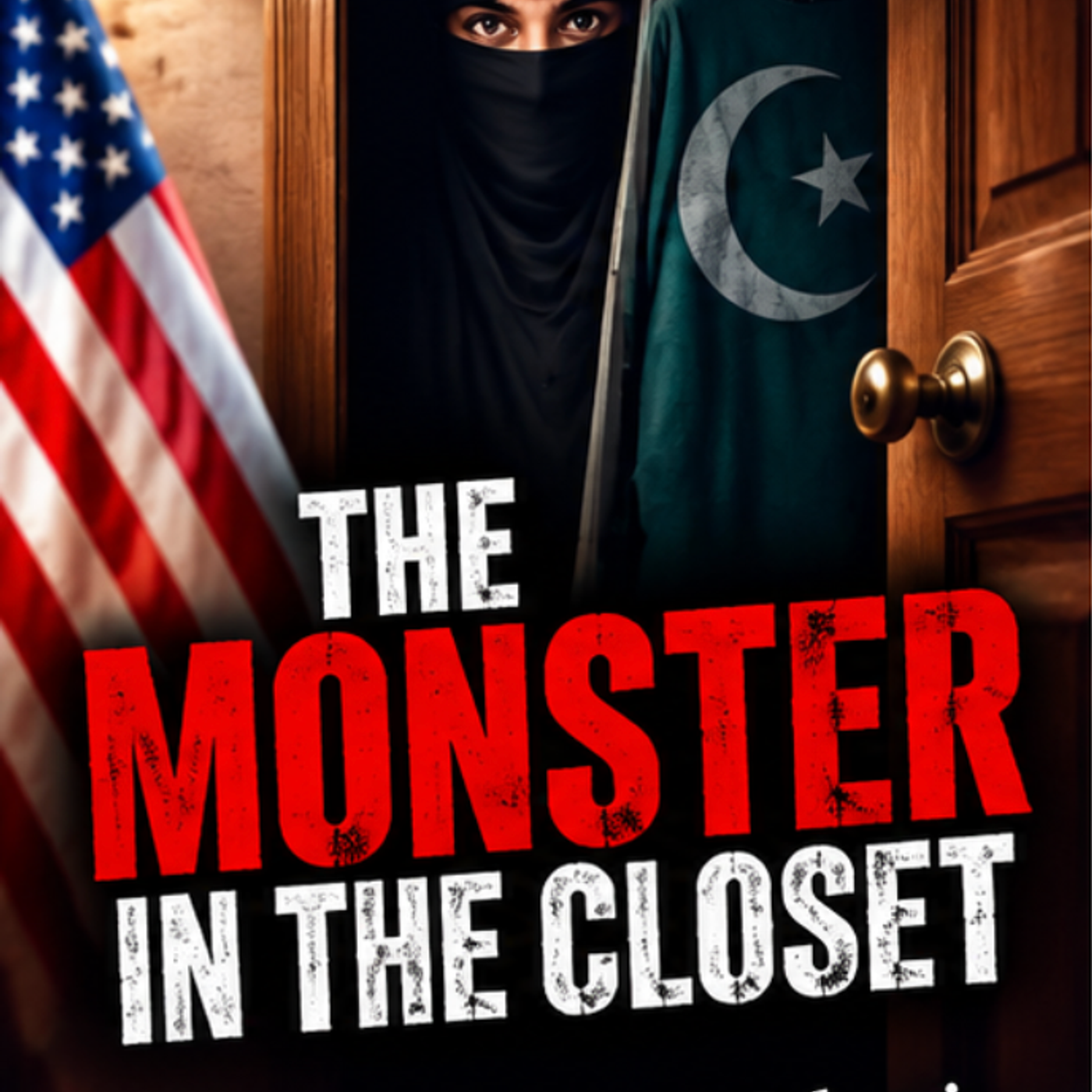
The conversation addresses the misconceptions and realities of the Muslim community in the United States, highlighting the distinction between extremism and the constitutional rights of American Muslims. It also emphasizes the importance of asking legitimate questions about Islamism, Sharia, Jihad, apostasy, blasphemy, religious liberty, and the relationship between religious and civil authority. Takeaways Muslims in the United States have the same constitutional rights as any other American. It is important to differentiate between extremism and the broader Muslim community, and to ask legitimate questions about religious and civil authority.
Julie Tucker: if you're Muslim, you know the family down the street isn't Hamas. The Muslim physician treating your mother isn't the Muslim Brotherhood. The Muslim student sitting beside your child is not responsible for September eleventh. An American who is Muslim possesses the same constitutional rights. But there's one other monster. Extremism is real jihadist terrorism exists, terror financing exists in the United States. Our community in the intelligence field says the threat has not disappeared. There are legitimate questions about Islamism, Sharia, Jihad, apostasy, blasphemy, religious liberty, and the relationship between religious and civil authority. Asking those questions isn't hatred, and refusing to ask them is not tolerance.